Food adaptation of predators, defensive adaptation of animals
food consumed by animals provides them with ingredients for building and functioning of the body and the energy necessary to perform vital functions;
adaptation to lifestyle refers to the features of structure, functioning of the organism and ways of behaviour.
to recognize and discuss the adaptation of animals to finding food;
to indicate features that are adaptations to defend against predators.
Food adaptation of predators
Meat is a high‑calorie food, therefore the animals feeding on it do not have to eat all the time and can rest a lot. Meat is also easier to digest than vegetables, which is why carnivorous animals have a less digestive systems than herbivores.
Some predators seek prey in an active way. They sneak up and kill it. Such hunting can be done alone, as in the case of most of felids. Other predators wait in hiding. Some spiders do this, constructing additional nets, as well as stingrays buried in mud. Many predators live and hunt in herds. Owing to their large numbers, they can surround and ambush the victim.
Predators have a well‑developed sensory system used to locate victims: smell, sight and hearing. Some snakes, deprived of the external ear, with poor eyesight, orientate using receptors responding to their victims’ body temperature. In this way they detect warm‑blooded animals. Echolocation is used by bats and cetaceans, while fish use the lateral line organ to detect potential food or threat.
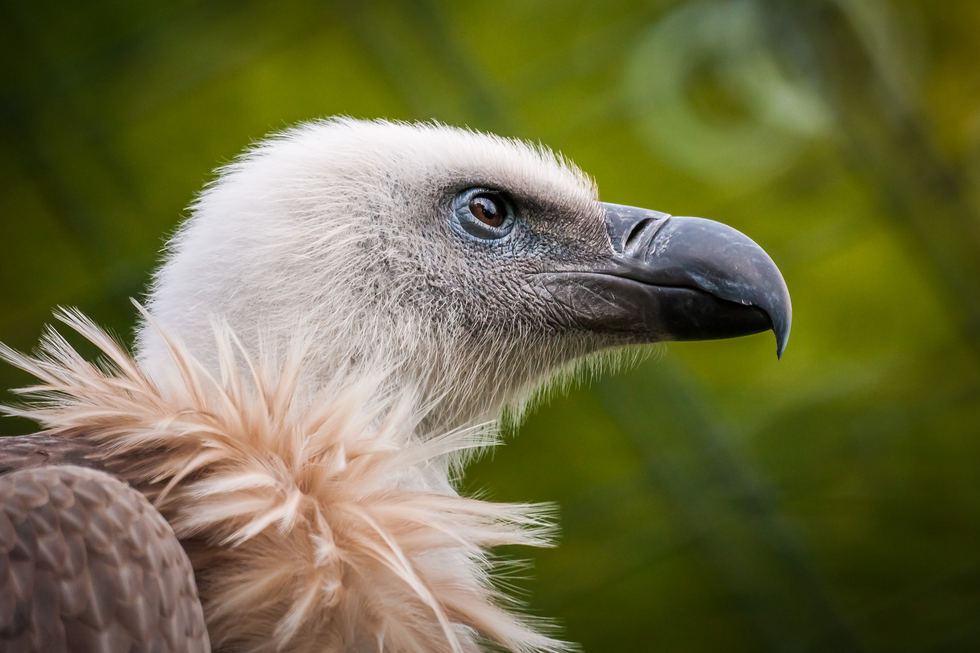
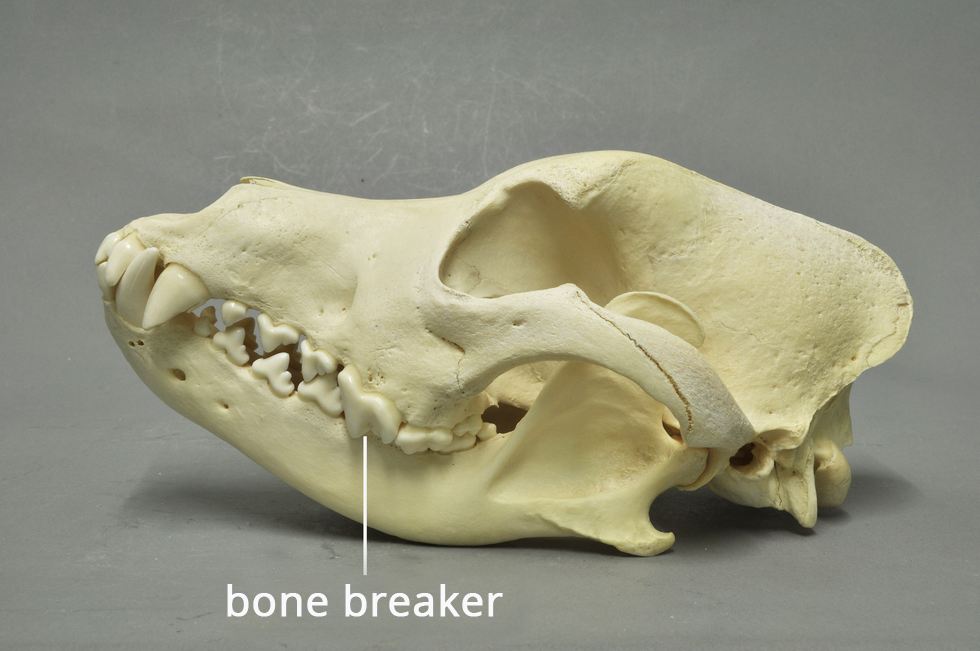
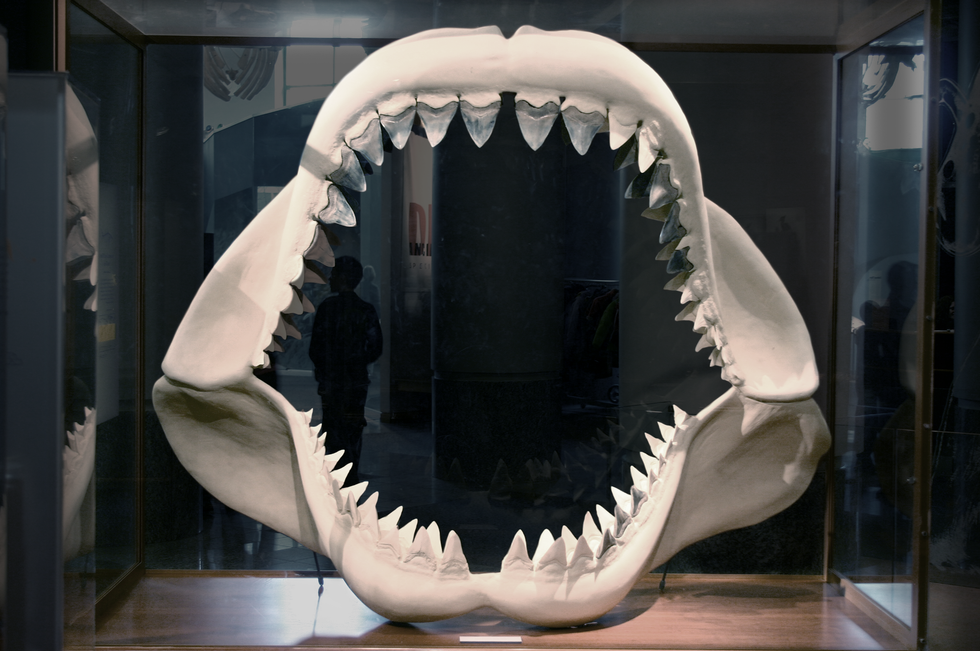
Many predatory animals are equipped with strong and sharp nails or claws to capture and hold the game. The fangs in mammals may have a similar function. In the case of birds of prey, the beak only serves to tear the prey, never to catch or carry it. Among some groups of animals, the most important organ used for hunting is the tongue. The woodpecker's tongue is long and sharp with small teeth facing the rear. The bird slides it into the corridor hollowed by the victim in a tree, hooks it with its tongue and pulls it out. Animals such as frogs, chameleons, anteaters catch small invertebrates with a sticky tip of an extremely long tongue. Such a strategy works well with animals whose victims are numerous and tiny.
Some vertebrates swallow victims in whole. Some fish, snakes and owls do so. Digesting such a large portion of food takes a long time.
Find information about the dog's adaptations facilitating hunting
Defensive adaptation of animals
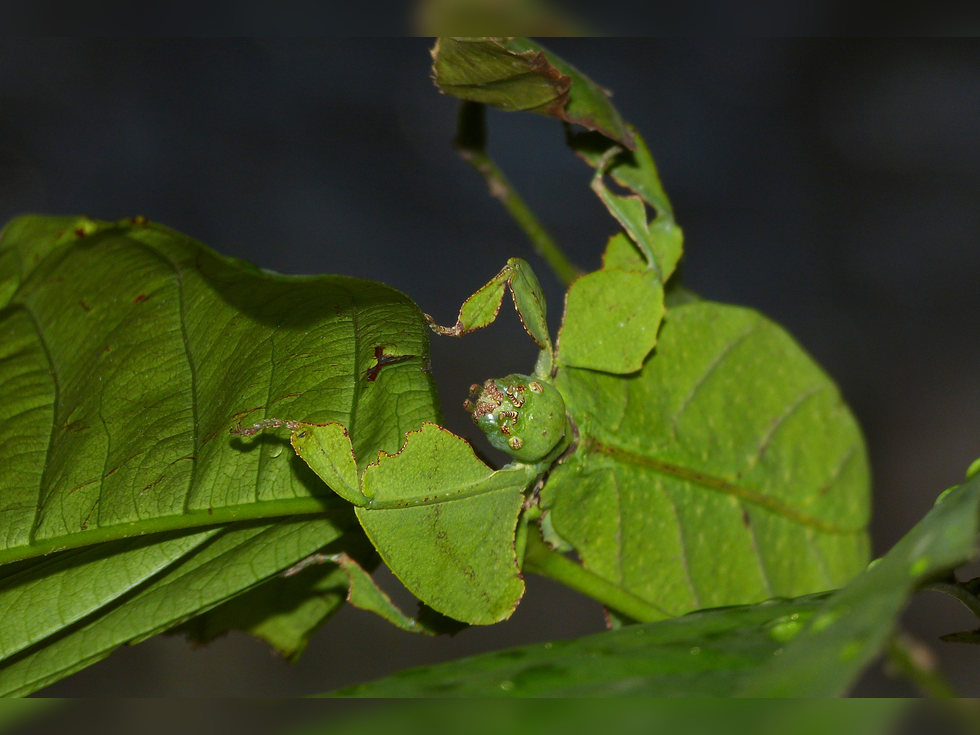
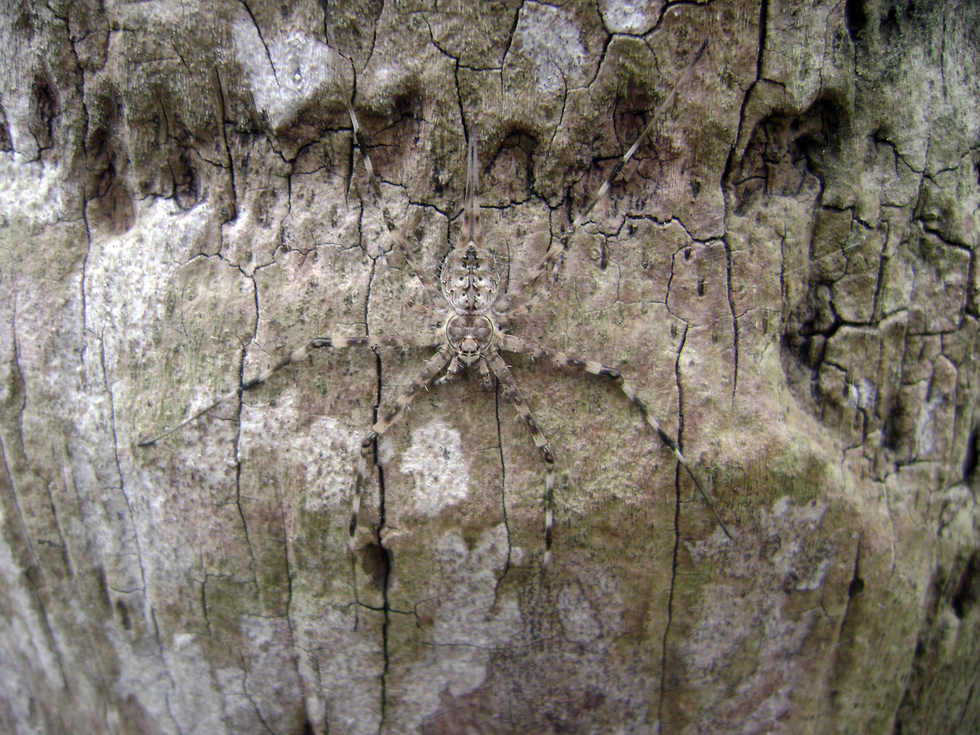
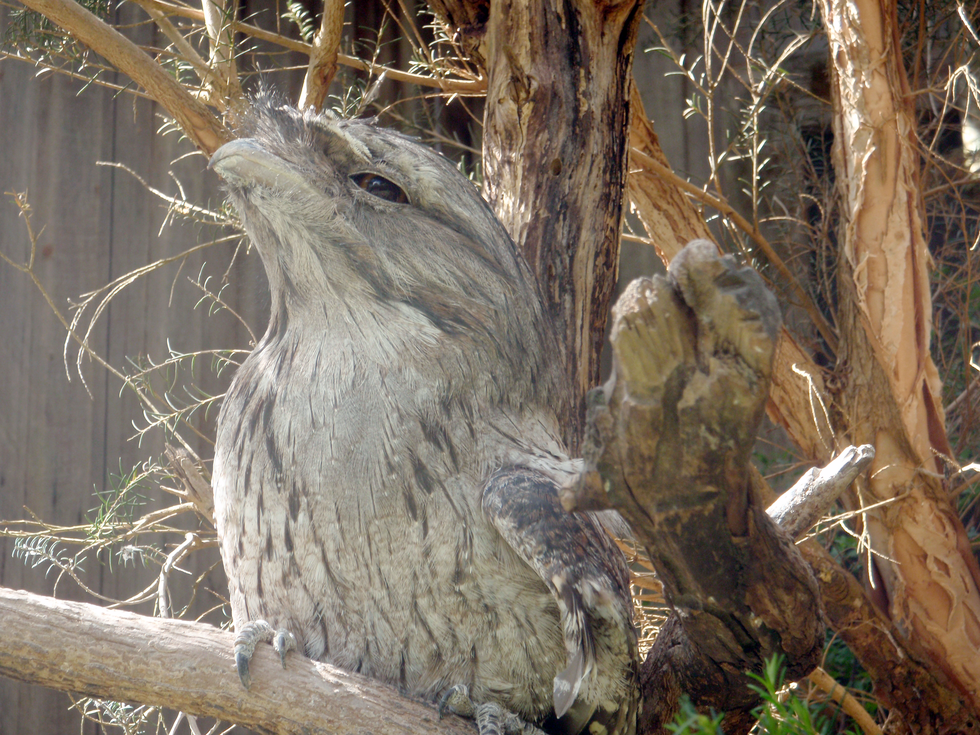
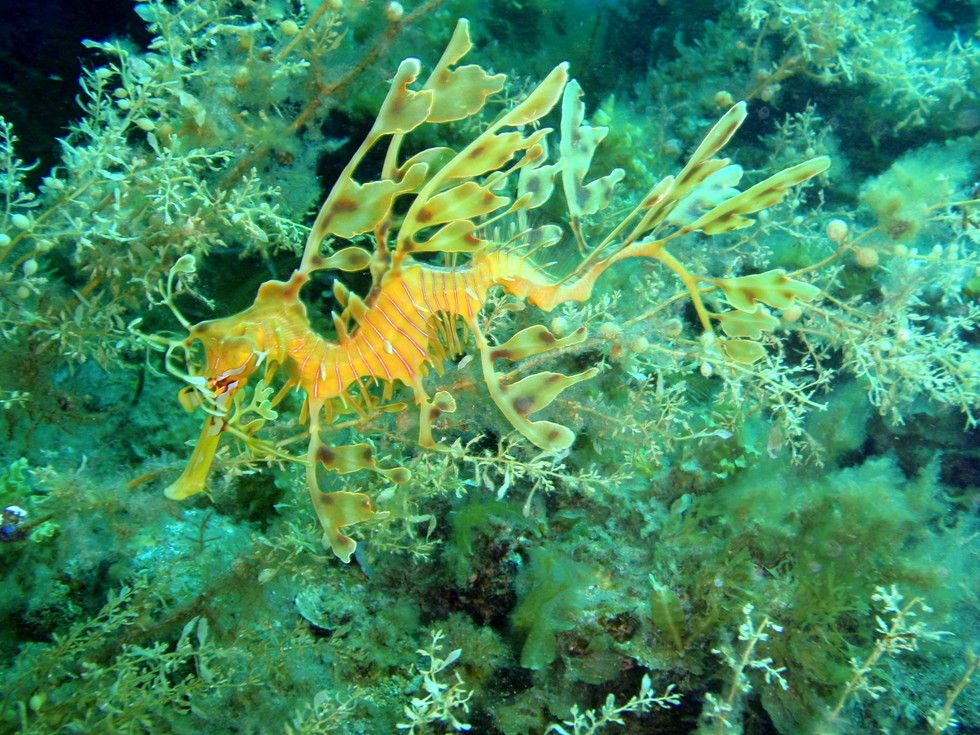
Potential victims of predators have their own ways to survive. One of them is camouflagecamouflage. Many animals have camouflage colouring, allowing them to blend in with the environment in which they live. A perfect example is the Tawny frogmouth – a bird closely related to our native European nightjar. The shapes of some animals, in particular insects, e.g. stick insects and leaf insects, make them similar to parts of plants. Both herbivores and predators take up the masking colour and shape. The latter use them as a form of defence against larger carnivores.
The reverse strategy is usually used by animals whose defence is poison. They have a vivid colouration that indicates they are inedible. Insects and amphibians such as some species of salamanders and all poison dart frogs are toxic. Some defenceless species pretend to be poisonous. They are brightly coloured and resemble dangerous animals.
The aforementioned strategies of defence against predators, as turtle's armour and hedgehog spikes, are examples of passive defencepassive defence. Animals can also use active defenceactive defence. Bees, wasps or hornets use their stings, buffaloes attack with strong horns, mice hurt the attacker with sharp teeth, skunks spill the stinking substance on the enemy. Another way of defending oneself is to escape. The animals using this strategy have long legs and can run fast or perform sudden jumps.
Another form of defence against predators is giving birth by females living in herds at a specific time during the year. This way new‑borns (or eggs) remain the target of predator attacks only for a short period of time when they are still defenceless. Birds would suffer greater losses if they were born throughout the year, constantly providing food to predators.
Select from the list below all the adaptations to carnivorousness observed among different groups of animals.
- the ability to hunt
- well-developed sensory system
- flat teeth and long toes
- sharp beaks and claws
- covering the body with fur or feathers
- more digestive systems
Match appropriate examples to each form of defence against predators.
stinging, biting, kicking, scratching, shape or colour of the body similar to the environment, body covered with thick skin, spikes or armour
| active defence | |
| camouflage | |
| passive defence |
Summary
Defence adaptations increase the chance of survival.
Animals use passive defence mechanisms (camouflage, toxins, armour or spikes) or active defence mechanisms (escape or taking a threatening posture).
Keywords
predators, animal defence adaptations, camouflage
Glossary
adaptacja – przystosowanie; cecha budowy, funkcjonowania organizmu lub zachowania zwiększająca szansę przetrwania w określonych warunkach środowiskowych
kamuflaż – sposób obrony biernej polegający na dostosowania barwy ciała i jego kształtu do otoczenia
obrona bierna – przystosowanie obronne przejawiające sięw budowie ciała: maskujący kształt lub ubarwienie, ubarwienie informujące o obecności drażniących substancji, posiadanie twardego pancerza lub kolców, zastyganie w nieruchomej pozycji
obrona czynna – reakcja na zagrożenie, polegająca na ucieczce lub ataku bądź wydzielaniu nieprzyjemnych i odstraszających substancji