Food chain and food web
that organisms on Earth differ in their way of life;
that some animals feed on plants and others are carnivorous.
to distinguish self‑nutrition from parasitic;
indicate producers and consumers in their environment.
discuss the role of detritivores in nature;
define the term „food chain”.
Food chain
Plants produce the substances they need to live themselves – we call them producersproducers. We also say that they are self‑sufficient.
Animals are unable to produce food, so they must eat other organisms – they are heterotrophic. That is why they are called consumersconsumers. Most animals eat plants. Herbivores are called primary consumers, which means that they feed on producers. In turn predators or scavengers feed on other heterotrophic organisms – they are called secondary consumers. It is possible, however, that such a carnivore devours another predator. We call them tertiary consumers.
Note that producers and consumers dependent on them can be ordered in a chain where the previous organism is devoured by the next. This series is called a food chainfood chain. In the chain consisting of grass, grasshopper, lizard and stork, each organism is the next link in the chain. Grass is a producer, a herbivorous grasshopper is the primary consumer, an insectivorous lizard eating a grasshopper is a secondary consumer, and a stork eating a lizard is a tertiary consumer.
There are many consumers who eat any food – they are omnivores. Man also belongs to the omnivorous organisms. Such organisms are primary consumers, and sometimes secondary – depending on what kind of food they eat.
Food web
Often a herbivore eats various plant species, and can itself fall victim to various carnivores, which often also hunt each other. Connecting and crossing food chains form a food webfood web. It is a complex system of dependencies between a huge number of organisms. Destroying even one link can affect the balance of the entire network. For example, if we were to eliminate all the flies and mosquitoes we disliked, then the swallows feeding on these insects would disappear as well as the frogs and small fish feeding on the larvae. Their deficiency would cause the deaths of storks and herons, and reducing the number of these birds would contribute to a sharp increase in the number of mice, shrews and voles. These are just some of the possible consequences of destroying the food web link; changes would probably be much more widespread.
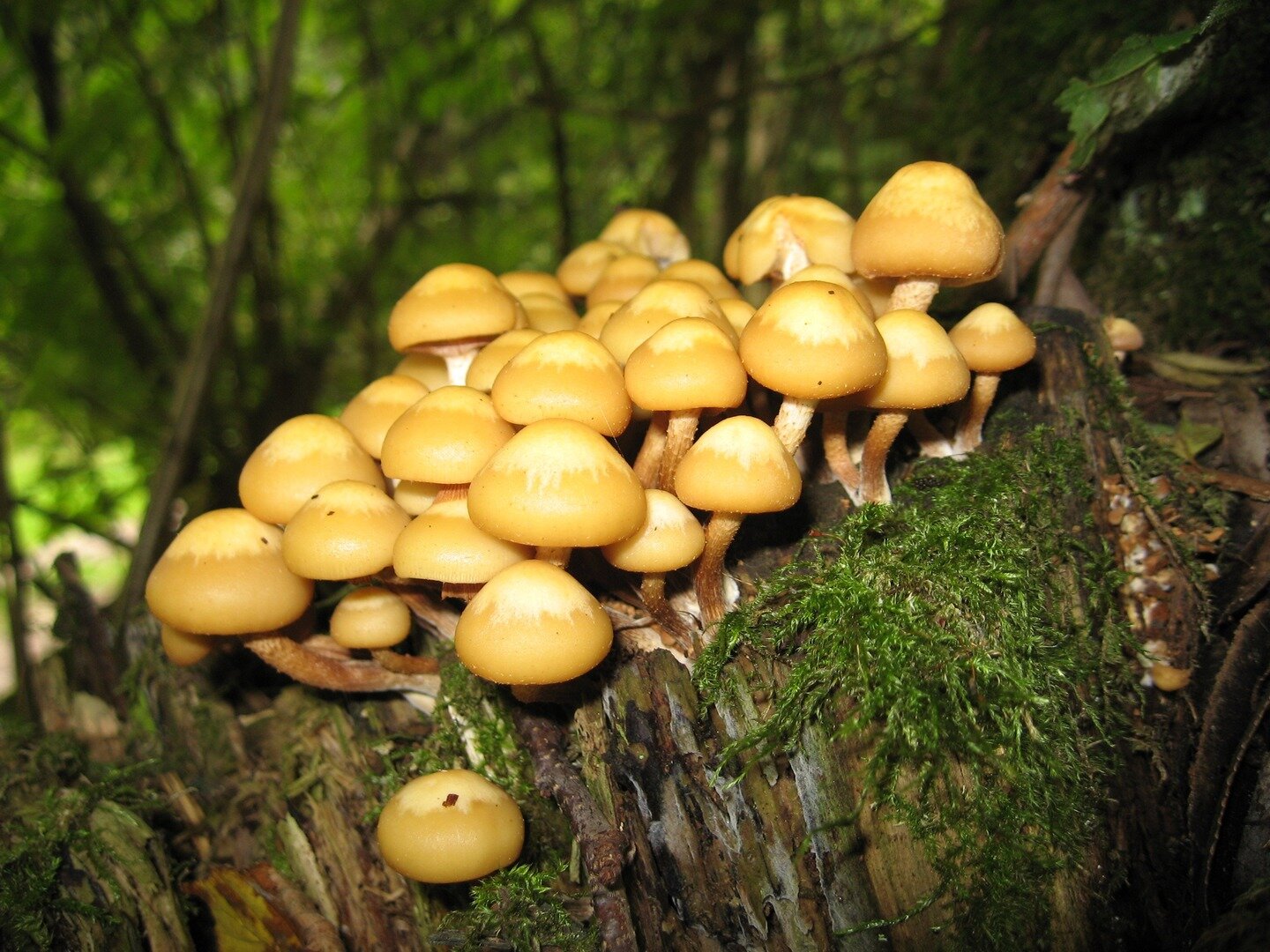
An important element of the environment are organisms called detritivoresdetritivores. They include, for example, fungi and numerous bacteria that decompose the remains of plants, animals and their excrement. As a result of their activity organic matter is transformed into simple mineral compounds. They return to the environment and can be reused by plants. Detritivores we do not take into account in food networks, because they can feed on the remains of every organism. It is worth remembering that they can also provide food for different animals.
And where to put the parasites in the chain or food web? After all, they do not always kill their host! They are, however, consumers. If the parasite lives at the expense of a plant, it is a primary consumer, and if at the expense of the animal – it can be considered a secondary consumer.
All organisms are important to the environment. Even those referred to by humans as weeds or pests have their place in the food chains.
Enter the given organisms to the given links in the food chain.
maize, grass, woodpecker, borer, wolf, Grasshopper, cabbage, hazel, squirrel, roe, snail, eagle, spruce, Lynx, lizard
| Producers | |
|---|---|
| Primary Consumers | |
| Secondary consumers |
Summary
Plants that are self‑nutrition organisms are producers.
All animals are heterotrophic, that is, they are consumers.
The food chain is a representation of the nutritional dependence in which the organism being the next link in the chain feeds on the organism preceding it.
List at least five foods that you eat, as a primary consumer, three foods you eat as a secondary consumer, and at least one food that gives you the rank of tertiary consumer in the food chain.
Explain how a person affects food webs in the environment.
Keywords
food chain, producer, consumer
Glossary
destruent – organizm rozkładający martwą materię organiczną (np. liście, ścięte pnie, martwe zwierzęta, odchody) na związki nieorganiczne, które są pobierane przez rośliny
konsument – organizm cudzożywny odżywiający się materią organiczną pochodzącą od innych organizmów
łańcuch pokarmowy – szereg organizmów uporządkowanych w taki sposób, że organizm będący wcześniejszym ogniwem jest pożywieniem następnego; na samym szczycie łańcucha pokarmowego stoi drapieżnik, na którego już nikt nie poluje
producent – organizm samożywny wytwarzający samodzielnie pokarm
sieć pokarmowa – splot wielu łańcuchów pokarmowych, które łączą się i rozgałęziają, a konsumenci zjadają różnych producentów albo innych konsumentów i sami są ofiarami