You know a little bit about the formation and qualities of black holes. You are also familiar with some basic vocabulary connected with this area of astrophysics. Play the game to check your knowledge of the facts and language used for describing those objects. Then do the tasks based on the information from the game.
Wiesz już trochę na temat powstawania czarnych dziur i ich oddziaływania na otaczającą je przestrzeń i materię. Zapoznałeś/zapoznałaś się też z terminologią związaną z tą dziedziną astrofizyki. Sprawdź swoją wiedzę na temat czarnych dziur oraz języka służącego do ich opisywania, grając w grę. Następnie wykonaj zadania oparte na informacjach z gry.
R1LYkEW2VIx42
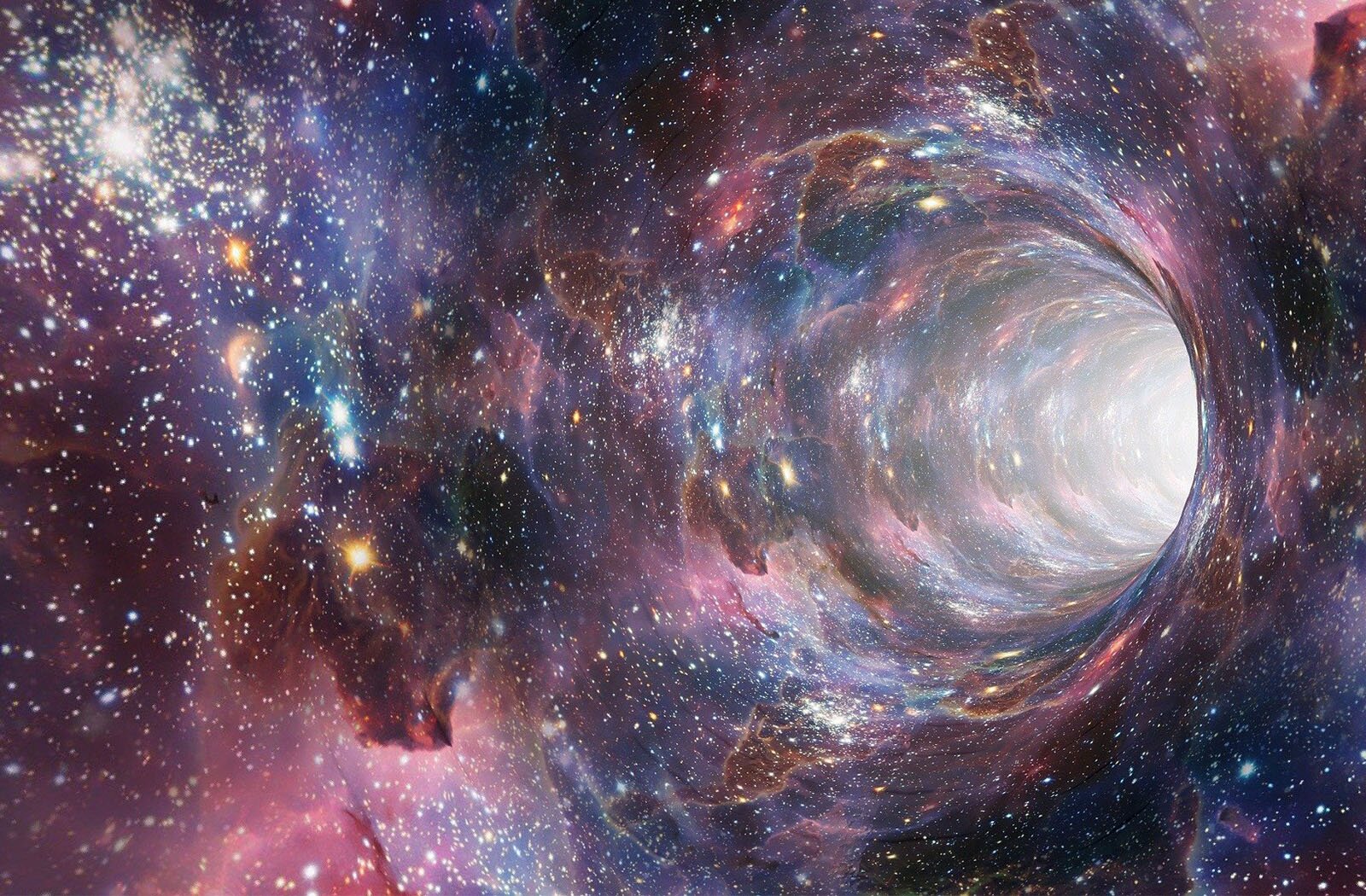
Ilustracja przedstawia fragment nieba w nakładających się kolorach fioletowym, różowym, brązowym, niebieskim, na którym widać świetliste białe punkty różnej wielkości, a pośrodku widoczny jest jasny, cylindryczny otwór, który zasysa wszystko wokół siebie.
Are black holes really black?
Czy czarne dziury naprawdę są czarne?
Źródło: dostępny w internecie: www.pixabay.com [dostęp 26.09.2022], domena publiczna.
Exercise1
R197lFn8zCFCX
Stephen Hawking, an English astrophysicist who is considered to be the father of black holes, devoted many years of his professional life to studying these fascinating objects. Reorder the words below to learn what he said about black holes. 1. 1. you, 2. and, 3. scream, 4. no one, 5. In, 6. hear, 7. can, 8. disappear, 9. no one, 10. can, 11. you, 12. see, 13. in, 14. space, 15. a black hole1. you, 2. and, 3. scream, 4. no one, 5. In, 6. hear, 7. can, 8. disappear, 9. no one, 10. can, 11. you, 12. see, 13. in, 14. space, 15. a black hole1. you, 2. and, 3. scream, 4. no one, 5. In, 6. hear, 7. can, 8. disappear, 9. no one, 10. can, 11. you, 12. see, 13. in, 14. space, 15. a black hole1. you, 2. and, 3. scream, 4. no one, 5. In, 6. hear, 7. can, 8. disappear, 9. no one, 10. can, 11. you, 12. see, 13. in, 14. space, 15. a black hole1. you, 2. and, 3. scream, 4. no one, 5. In, 6. hear, 7. can, 8. disappear, 9. no one, 10. can, 11. you, 12. see, 13. in, 14. space, 15. a black hole1. you, 2. and, 3. scream, 4. no one, 5. In, 6. hear, 7. can, 8. disappear, 9. no one, 10. can, 11. you, 12. see, 13. in, 14. space, 15. a black hole1. you, 2. and, 3. scream, 4. no one, 5. In, 6. hear, 7. can, 8. disappear, 9. no one, 10. can, 11. you, 12. see, 13. in, 14. space, 15. a black hole; 1. you, 2. and, 3. scream, 4. no one, 5. In, 6. hear, 7. can, 8. disappear, 9. no one, 10. can, 11. you, 12. see, 13. in, 14. space, 15. a black hole1. you, 2. and, 3. scream, 4. no one, 5. In, 6. hear, 7. can, 8. disappear, 9. no one, 10. can, 11. you, 12. see, 13. in, 14. space, 15. a black hole1. you, 2. and, 3. scream, 4. no one, 5. In, 6. hear, 7. can, 8. disappear, 9. no one, 10. can, 11. you, 12. see, 13. in, 14. space, 15. a black hole1. you, 2. and, 3. scream, 4. no one, 5. In, 6. hear, 7. can, 8. disappear, 9. no one, 10. can, 11. you, 12. see, 13. in, 14. space, 15. a black hole1. you, 2. and, 3. scream, 4. no one, 5. In, 6. hear, 7. can, 8. disappear, 9. no one, 10. can, 11. you, 12. see, 13. in, 14. space, 15. a black hole1. you, 2. and, 3. scream, 4. no one, 5. In, 6. hear, 7. can, 8. disappear, 9. no one, 10. can, 11. you, 12. see, 13. in, 14. space, 15. a black hole1. you, 2. and, 3. scream, 4. no one, 5. In, 6. hear, 7. can, 8. disappear, 9. no one, 10. can, 11. you, 12. see, 13. in, 14. space, 15. a black hole1. you, 2. and, 3. scream, 4. no one, 5. In, 6. hear, 7. can, 8. disappear, 9. no one, 10. can, 11. you, 12. see, 13. in, 14. space, 15. a black hole.
Stephen Hawking, an English astrophysicist who is considered to be the father of black holes, devoted many years of his professional life to studying these fascinating objects. Reorder the words below to learn what he said about black holes. 1. 1. you, 2. and, 3. scream, 4. no one, 5. In, 6. hear, 7. can, 8. disappear, 9. no one, 10. can, 11. you, 12. see, 13. in, 14. space, 15. a black hole1. you, 2. and, 3. scream, 4. no one, 5. In, 6. hear, 7. can, 8. disappear, 9. no one, 10. can, 11. you, 12. see, 13. in, 14. space, 15. a black hole1. you, 2. and, 3. scream, 4. no one, 5. In, 6. hear, 7. can, 8. disappear, 9. no one, 10. can, 11. you, 12. see, 13. in, 14. space, 15. a black hole1. you, 2. and, 3. scream, 4. no one, 5. In, 6. hear, 7. can, 8. disappear, 9. no one, 10. can, 11. you, 12. see, 13. in, 14. space, 15. a black hole1. you, 2. and, 3. scream, 4. no one, 5. In, 6. hear, 7. can, 8. disappear, 9. no one, 10. can, 11. you, 12. see, 13. in, 14. space, 15. a black hole1. you, 2. and, 3. scream, 4. no one, 5. In, 6. hear, 7. can, 8. disappear, 9. no one, 10. can, 11. you, 12. see, 13. in, 14. space, 15. a black hole1. you, 2. and, 3. scream, 4. no one, 5. In, 6. hear, 7. can, 8. disappear, 9. no one, 10. can, 11. you, 12. see, 13. in, 14. space, 15. a black hole; 1. you, 2. and, 3. scream, 4. no one, 5. In, 6. hear, 7. can, 8. disappear, 9. no one, 10. can, 11. you, 12. see, 13. in, 14. space, 15. a black hole1. you, 2. and, 3. scream, 4. no one, 5. In, 6. hear, 7. can, 8. disappear, 9. no one, 10. can, 11. you, 12. see, 13. in, 14. space, 15. a black hole1. you, 2. and, 3. scream, 4. no one, 5. In, 6. hear, 7. can, 8. disappear, 9. no one, 10. can, 11. you, 12. see, 13. in, 14. space, 15. a black hole1. you, 2. and, 3. scream, 4. no one, 5. In, 6. hear, 7. can, 8. disappear, 9. no one, 10. can, 11. you, 12. see, 13. in, 14. space, 15. a black hole1. you, 2. and, 3. scream, 4. no one, 5. In, 6. hear, 7. can, 8. disappear, 9. no one, 10. can, 11. you, 12. see, 13. in, 14. space, 15. a black hole1. you, 2. and, 3. scream, 4. no one, 5. In, 6. hear, 7. can, 8. disappear, 9. no one, 10. can, 11. you, 12. see, 13. in, 14. space, 15. a black hole1. you, 2. and, 3. scream, 4. no one, 5. In, 6. hear, 7. can, 8. disappear, 9. no one, 10. can, 11. you, 12. see, 13. in, 14. space, 15. a black hole1. you, 2. and, 3. scream, 4. no one, 5. In, 6. hear, 7. can, 8. disappear, 9. no one, 10. can, 11. you, 12. see, 13. in, 14. space, 15. a black hole.
Źródło: GroMar Sp. z o.o., licencja: CC BY-SA 3.0.
R8x6Zzhvb9hzq
2. 1. It, 2. observe, 3. is, 4. to, 5. I, 6. on, 7. things, 8. difficult, 9. worked, 10. the, 11. have, 12. very1. It, 2. observe, 3. is, 4. to, 5. I, 6. on, 7. things, 8. difficult, 9. worked, 10. the, 11. have, 12. very1. It, 2. observe, 3. is, 4. to, 5. I, 6. on, 7. things, 8. difficult, 9. worked, 10. the, 11. have, 12. very1. It, 2. observe, 3. is, 4. to, 5. I, 6. on, 7. things, 8. difficult, 9. worked, 10. the, 11. have, 12. very1. It, 2. observe, 3. is, 4. to, 5. I, 6. on, 7. things, 8. difficult, 9. worked, 10. the, 11. have, 12. very1. It, 2. observe, 3. is, 4. to, 5. I, 6. on, 7. things, 8. difficult, 9. worked, 10. the, 11. have, 12. very1. It, 2. observe, 3. is, 4. to, 5. I, 6. on, 7. things, 8. difficult, 9. worked, 10. the, 11. have, 12. very1. It, 2. observe, 3. is, 4. to, 5. I, 6. on, 7. things, 8. difficult, 9. worked, 10. the, 11. have, 12. very1. It, 2. observe, 3. is, 4. to, 5. I, 6. on, 7. things, 8. difficult, 9. worked, 10. the, 11. have, 12. very1. It, 2. observe, 3. is, 4. to, 5. I, 6. on, 7. things, 8. difficult, 9. worked, 10. the, 11. have, 12. very1. It, 2. observe, 3. is, 4. to, 5. I, 6. on, 7. things, 8. difficult, 9. worked, 10. the, 11. have, 12. very1. It, 2. observe, 3. is, 4. to, 5. I, 6. on, 7. things, 8. difficult, 9. worked, 10. the, 11. have, 12. very.
2. 1. It, 2. observe, 3. is, 4. to, 5. I, 6. on, 7. things, 8. difficult, 9. worked, 10. the, 11. have, 12. very1. It, 2. observe, 3. is, 4. to, 5. I, 6. on, 7. things, 8. difficult, 9. worked, 10. the, 11. have, 12. very1. It, 2. observe, 3. is, 4. to, 5. I, 6. on, 7. things, 8. difficult, 9. worked, 10. the, 11. have, 12. very1. It, 2. observe, 3. is, 4. to, 5. I, 6. on, 7. things, 8. difficult, 9. worked, 10. the, 11. have, 12. very1. It, 2. observe, 3. is, 4. to, 5. I, 6. on, 7. things, 8. difficult, 9. worked, 10. the, 11. have, 12. very1. It, 2. observe, 3. is, 4. to, 5. I, 6. on, 7. things, 8. difficult, 9. worked, 10. the, 11. have, 12. very1. It, 2. observe, 3. is, 4. to, 5. I, 6. on, 7. things, 8. difficult, 9. worked, 10. the, 11. have, 12. very1. It, 2. observe, 3. is, 4. to, 5. I, 6. on, 7. things, 8. difficult, 9. worked, 10. the, 11. have, 12. very1. It, 2. observe, 3. is, 4. to, 5. I, 6. on, 7. things, 8. difficult, 9. worked, 10. the, 11. have, 12. very1. It, 2. observe, 3. is, 4. to, 5. I, 6. on, 7. things, 8. difficult, 9. worked, 10. the, 11. have, 12. very1. It, 2. observe, 3. is, 4. to, 5. I, 6. on, 7. things, 8. difficult, 9. worked, 10. the, 11. have, 12. very1. It, 2. observe, 3. is, 4. to, 5. I, 6. on, 7. things, 8. difficult, 9. worked, 10. the, 11. have, 12. very.
Źródło: GroMar Sp. z o.o., licencja: CC BY-SA 3.0.
Źródło: GroMar Sp. z o.o., licencja: CC BY-SA 3.0.
1
Exercise2
Study the following questions and choose the correct answer.
R3qJrnZpyZpSG
Źródło: GroMar Sp. z o.o., licencja: CC BY-SA 3.0.
INSTRUKCJAazurewhite
Gra składa się z trzech poziomów. Każdy poziom jest nieco trudniejszy od poprzedniego, a jeśli udzielisz błędnej odpowiedzi na danym poziomie, będziesz mieć szansę przejść go od początku.
W grze dostępne są trzy podpowiedzi:
symbol „????” – zostaje wskazana poprawna odpowiedź
symbol „50:50” – eliminowane są dwie błędne odpowiedzi
symbol „3:1” – eliminowana jest jedna z błędnych odpowiedzi
Z podpowiedzi można skorzystać na każdym poziomie tylko raz, klikając w ikonę w prawym górnym rogu.
Na odpowiedź na każde pytanie masz 20 sekund.
Muzykę można włączać i wyłączać, klikając w ikonę głośnika w lewym górnym rogu.
Drag and drop the words and phrases which best complete the sentences below. There are two more words which you do not need to use. 1. The moment scientists manage to generate a black hole in a lab will be a real 1. Large, 2. breakthrough, 3. matter, 4. Stellar core, 5. celestial bodies, 6. orbit, 7. speculate that will change our perception of the world completely.
2. 1. Large, 2. breakthrough, 3. matter, 4. Stellar core, 5. celestial bodies, 6. orbit, 7. speculate Hadron Collider is the biggest such facility in the world which is used for conducting experiments on elementary particles.
3. Apart from the sun and planets, our Solar System contains many other 1. Large, 2. breakthrough, 3. matter, 4. Stellar core, 5. celestial bodies, 6. orbit, 7. speculate such as moons and meteorites.
4. 1. Large, 2. breakthrough, 3. matter, 4. Stellar core, 5. celestial bodies, 6. orbit, 7. speculate is what’s left after a star dies and throws its mass out into space.
5. Objects which 1. Large, 2. breakthrough, 3. matter, 4. Stellar core, 5. celestial bodies, 6. orbit, 7. speculate black holes seem to be going around an empty space.
Drag and drop the words and phrases which best complete the sentences below. There are two more words which you do not need to use. 1. The moment scientists manage to generate a black hole in a lab will be a real 1. Large, 2. breakthrough, 3. matter, 4. Stellar core, 5. celestial bodies, 6. orbit, 7. speculate that will change our perception of the world completely.
2. 1. Large, 2. breakthrough, 3. matter, 4. Stellar core, 5. celestial bodies, 6. orbit, 7. speculate Hadron Collider is the biggest such facility in the world which is used for conducting experiments on elementary particles.
3. Apart from the sun and planets, our Solar System contains many other 1. Large, 2. breakthrough, 3. matter, 4. Stellar core, 5. celestial bodies, 6. orbit, 7. speculate such as moons and meteorites.
4. 1. Large, 2. breakthrough, 3. matter, 4. Stellar core, 5. celestial bodies, 6. orbit, 7. speculate is what’s left after a star dies and throws its mass out into space.
5. Objects which 1. Large, 2. breakthrough, 3. matter, 4. Stellar core, 5. celestial bodies, 6. orbit, 7. speculate black holes seem to be going around an empty space.
Źródło: GroMar Sp. z o.o., licencja: CC BY-SA 3.0.
Exercise3
RWuRX6XVTq7wS
Choose correct words to complete the summary. Only one answer is correct in each case. Scientists had known about the existence of black holes since the beginning of the 20th century but they had to wait until the 1960s for 1. observational randomphysics evidence to confirm their theories. Nowadays astrophysicists know that black holes are objects formed from stars which reached the end of their life and exploded. Their mass was thrown out into space and what’s left is a 2. gravitationalstellarcelestial core. It has such strong gravity, which is not 3. absorbedbalancedconfirmed with any matter any more, that it 4. collapsesmovesgenerates on itself creating a black hole. Whatever comes close to it will be sucked in by its gravitational 5. corefieldresearch and will never be able to escape. Nowadays, scientists are trying to generate black holes in the lab. When they manage to do that, it will be a real 6. breakthroughprocessevidence.
Choose correct words to complete the summary. Only one answer is correct in each case. Scientists had known about the existence of black holes since the beginning of the 20th century but they had to wait until the 1960s for 1. observational randomphysics evidence to confirm their theories. Nowadays astrophysicists know that black holes are objects formed from stars which reached the end of their life and exploded. Their mass was thrown out into space and what’s left is a 2. gravitationalstellarcelestial core. It has such strong gravity, which is not 3. absorbedbalancedconfirmed with any matter any more, that it 4. collapsesmovesgenerates on itself creating a black hole. Whatever comes close to it will be sucked in by its gravitational 5. corefieldresearch and will never be able to escape. Nowadays, scientists are trying to generate black holes in the lab. When they manage to do that, it will be a real 6. breakthroughprocessevidence.
Źródło: GroMar Sp. z o.o., licencja: CC BY-SA 3.0.
Exercise4
R5uN69kz4qBo4
Match the sentence halves to create logical sentences.
Match the sentence halves to create logical sentences.
Źródło: GroMar Sp. z o.o., licencja: CC BY-SA 3.0.