bg‑azure

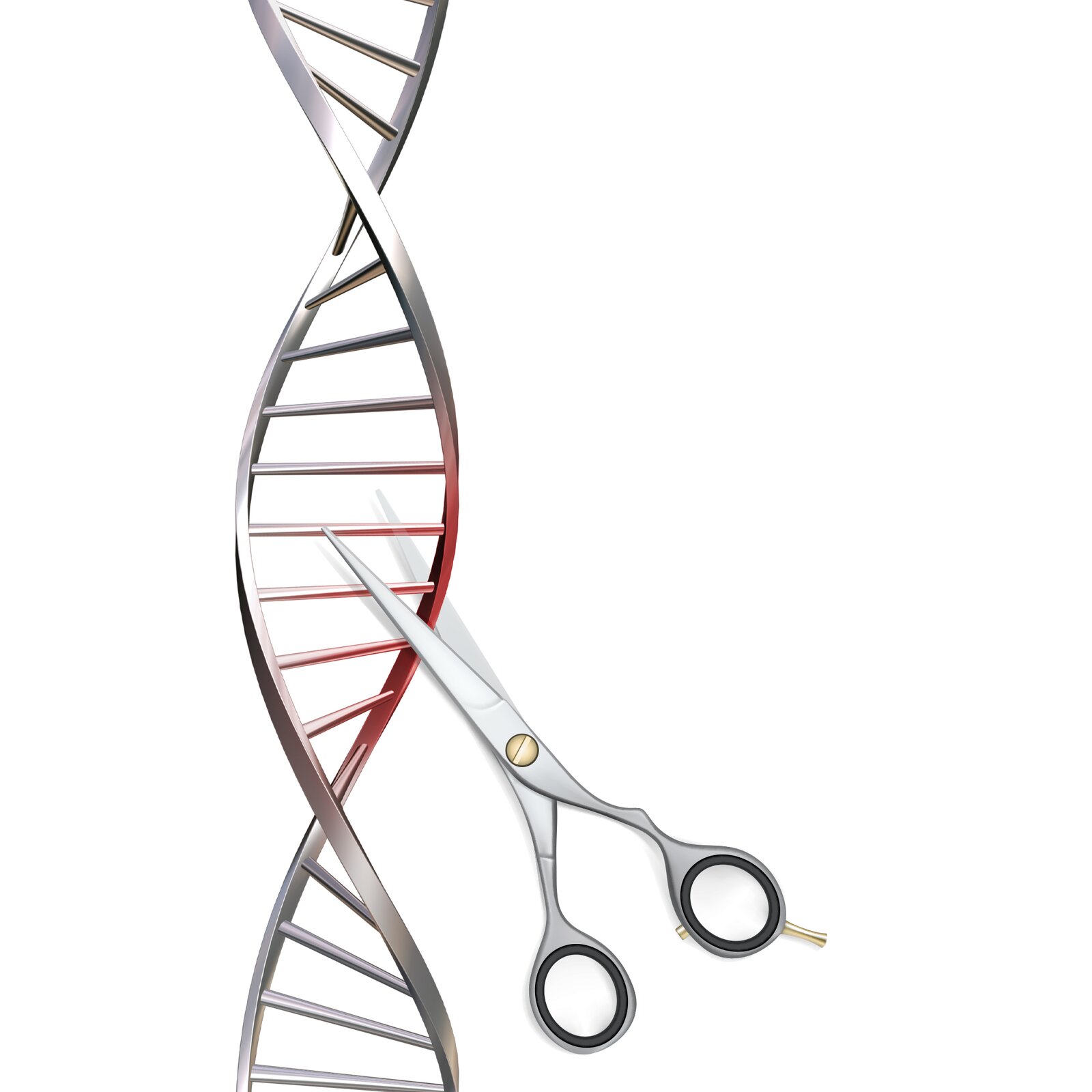
You’re about to play a game which checks your knowledge and understanding of terminology connected with genes. Are you ready? Do you know what’s in the picture below?

Za chwilę zagrasz w grę, która sprawdzi twoją wiedzę i rozumienie terminologii związanej z genami. Jesteś gotowy/gotowa? Czy wiesz, co znajduje się na poniższej ilustracji?
RbLq0SYQmlcwj
How much do you know about genes?
Ile wiesz o genach?
Źródło: dostępny w internecie: https://freepik.com/ [dostęp 26.10.2021], domena publiczna.
1
Exercise 1

Match the following words with their translations.

R1V8sKmCfuICN
double helix Możliwe odpowiedzi: 1. edycja genów, 2. wszczepiony, 3. podwójna spirala, 4. zasada azotowa nitrogenous base Możliwe odpowiedzi: 1. edycja genów, 2. wszczepiony, 3. podwójna spirala, 4. zasada azotowa gene editing Możliwe odpowiedzi: 1. edycja genów, 2. wszczepiony, 3. podwójna spirala, 4. zasada azotowa implanted Możliwe odpowiedzi: 1. edycja genów, 2. wszczepiony, 3. podwójna spirala, 4. zasada azotowa
Źródło: GroMar Sp. z o.o., licencja: CC BY-SA 3.0.
Exercise 1
Rq2CmUO3XIhTK
Ilustracja przedstawia spiralny obraz ludzkiego DNA oraz nożyczki. Pod ilustracją widoczne słowa w języku angielskim: DNA, DOUBLE HELIX, NITROGENOUS BASES A,T,C,G, GENE EDITING.
Źródło: GroMar Sp. z o.o., licencja: CC BY-SA 3.0.
1
1
Exercise 2

Choose the correct answer.

Rd7xczjACFtrN
Źródło: GroMar Sp. z o.o., licencja: CC BY-SA 3.0.

Play the game and then, do the tasks below.

R1qQoattvnMYn1
Źródło: GroMar Sp. z o.o., licencja: CC BY-SA 3.0.
Exercise 2
RL8sayYkouSD7
Based on the information from the game, drag the following definitions to match them with the phrases given. gene mutation Możliwe odpowiedzi: 1. common changes in genetic code associated with common traits / diseases, 2. process of locating various genes on our chromosomes, 3. diseases that are genetically passed from parents to children, 4. the order of genes within our DNA, 5. let the protein enter (e.g., into a cell), 6. less common changes in DNA sequence, which usually aren’t harmful but there are a few that cause rare diseases like Huntington’s disease or colour-blindness gene variation Możliwe odpowiedzi: 1. common changes in genetic code associated with common traits / diseases, 2. process of locating various genes on our chromosomes, 3. diseases that are genetically passed from parents to children, 4. the order of genes within our DNA, 5. let the protein enter (e.g., into a cell), 6. less common changes in DNA sequence, which usually aren’t harmful but there are a few that cause rare diseases like Huntington’s disease or colour-blindness gene sequence Możliwe odpowiedzi: 1. common changes in genetic code associated with common traits / diseases, 2. process of locating various genes on our chromosomes, 3. diseases that are genetically passed from parents to children, 4. the order of genes within our DNA, 5. let the protein enter (e.g., into a cell), 6. less common changes in DNA sequence, which usually aren’t harmful but there are a few that cause rare diseases like Huntington’s disease or colour-blindness mapping human genome Możliwe odpowiedzi: 1. common changes in genetic code associated with common traits / diseases, 2. process of locating various genes on our chromosomes, 3. diseases that are genetically passed from parents to children, 4. the order of genes within our DNA, 5. let the protein enter (e.g., into a cell), 6. less common changes in DNA sequence, which usually aren’t harmful but there are a few that cause rare diseases like Huntington’s disease or colour-blindness inherited diseases Możliwe odpowiedzi: 1. common changes in genetic code associated with common traits / diseases, 2. process of locating various genes on our chromosomes, 3. diseases that are genetically passed from parents to children, 4. the order of genes within our DNA, 5. let the protein enter (e.g., into a cell), 6. less common changes in DNA sequence, which usually aren’t harmful but there are a few that cause rare diseases like Huntington’s disease or colour-blindness introduce a protein Możliwe odpowiedzi: 1. common changes in genetic code associated with common traits / diseases, 2. process of locating various genes on our chromosomes, 3. diseases that are genetically passed from parents to children, 4. the order of genes within our DNA, 5. let the protein enter (e.g., into a cell), 6. less common changes in DNA sequence, which usually aren’t harmful but there are a few that cause rare diseases like Huntington’s disease or colour-blindness
Źródło: GroMar Sp. z o.o., licencja: CC BY-SA 3.0.
Exercise 3
R2WHI2BWy0QLx
Based on the information from the game, type in the missing words to complete the text. Blue eyes and blond hair are a much more     1. cTu uzupełnij     combination than dark brown eyes and blond hair. If you could     2. aTu uzupełnij     anything about your appearance – what would it be? Would you make yourself fit the current standards of beauty or choose some original combination? Not every mutation is harmful. The so-called silent mutations are     3. hTu uzupełnij     – they don’t cause any harm. But even with the harmful ones, genetic engineering gives no guarantees. First of all, just because you get     4. rTu uzupełnij     of a gene that causes diseases, it doesn’t mean you won’t     5. dTu uzupełnij     that disease. Even without such genes, many diseases can also be caused by the environment. Just because we make genetic engineering of human beings illegal, it doesn’t mean that some scientists won’t     6. aTu uzupełnij     to do it in secret in private labs. The Y chromosome is     7. cTu uzupełnij     of about 55 genes, while X of about 900.
Źródło: GroMar Sp. z o.o., licencja: CC BY-SA 3.0.
Exercise 4
Rvto2UZ35pwj5
Correct a grammatical mistake in each sentence (write your own version).
  1. It has discovered that the gene responsible for red hair is also responsible for certain kinds of cancer. It     Tu uzupełnij     that the gene responsible for red hair is also responsible for certain kinds of cancer.
  2. The idea behind the designer baby is give it perfect looks, health and character. The     Tu uzupełnij     it perfect looks, health and character.
  3. In 1999 parents which wanted to avoid diseases carried by the Y chromosome offered sex selection of their embryos by a clinic in Fairfax, Virginia. In 1999 parents     Tu uzupełnij     diseases carried by the Y chromosome     Tu uzupełnij     sex selection of their embryos by a clinic in Fairfax, Virginia.
  4. If we will allow gene editing and selection then there’s a danger that the traits will choose based on fashions and trends and many babies will end up looking very much the same. If     Tu uzupełnij     gene editing and selection then there’s a danger that the traits     Tu uzupełnij     based on fashions and trends and many babies will end up looking very much the same.
  5. If we would decide genetically modify it, we will certainly have a moral dilemma. If we     Tu uzupełnij     genetically modify it, we will certainly have a moral dilemma.
  6. A tomato, that was planted in 1996, was the first genetically modified crop in the world. A tomato,     Tu uzupełnij     planted in 1996, was the first genetically modified crop in the world.
  7. Dolly sheep was cloned from a cell take from a six-year-old Finn Dorset sheep. Dolly was cloned from     Tu uzupełnij     a six-year-old Finn Dorset sheep.
  8. “AI Artificial Intelligence”, is a film directed by Steven Spielberg, tells a story of a designer robot-boy. “AI Artificial Intelligence”,     Tu uzupełnij     by Steven Spielberg, tells a story of a designer robot-boy.
Źródło: GroMar Sp. z o.o., licencja: CC BY-SA 3.0.