bg‑azure

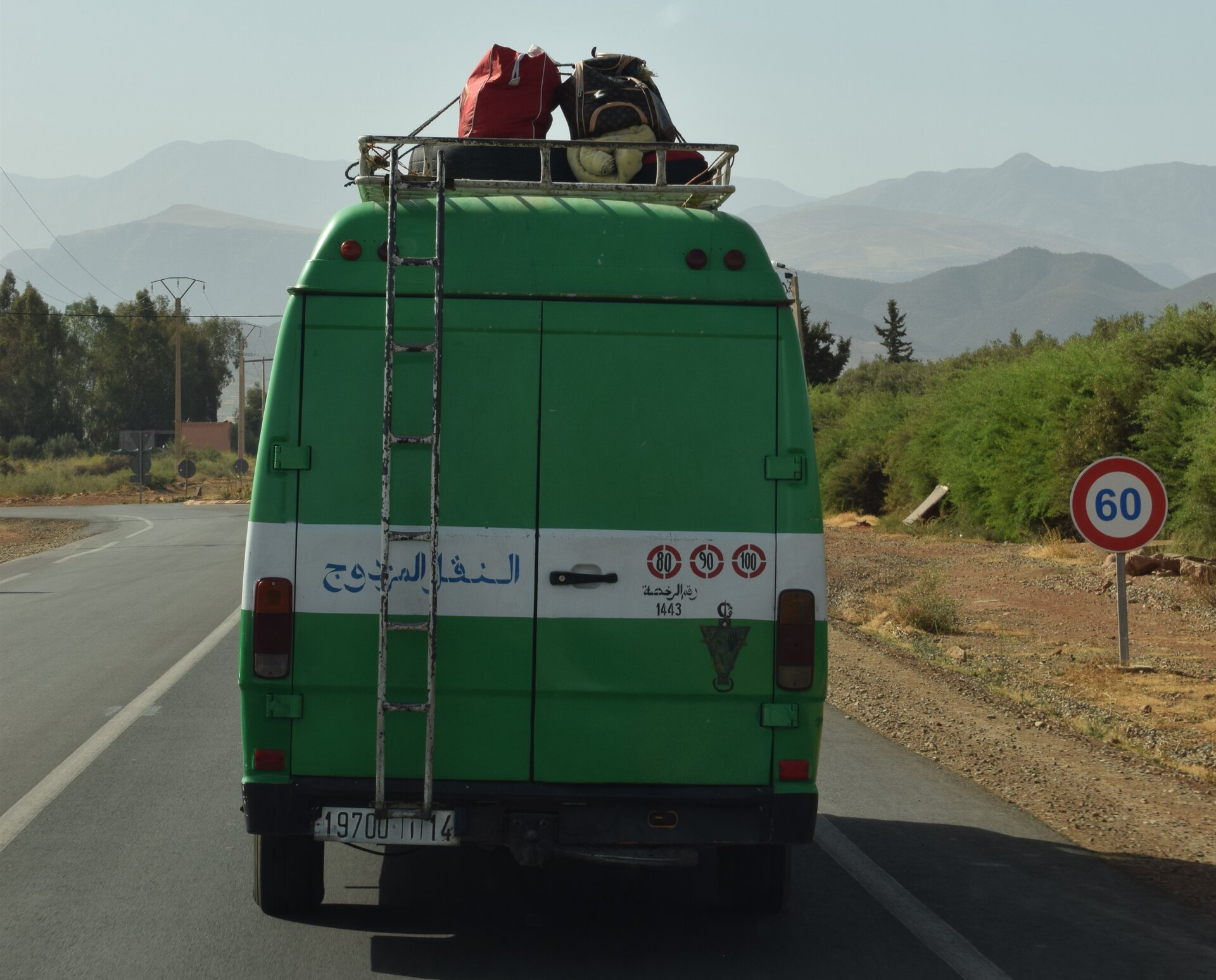
In the picture below, you can see a moving car, which has some bags on the rooftop. Can you imagine living in a car? What kind of things would you pack if you were to live a nomadic way of life? I suppose that is about travelling light so only crucial things are allowed. In this part of the material, you are going to revise the vocabulary related to this lifestyle.

Na poniższym zdjęciu znajduje się auto z pełnym bagażnikiem na dachu. Czy jesteś w stanie sobie wyobrazić życie w samochodzie? Co byś spakował/spakowała, gdybyś się zdecydował/zdecydowała na wędrowny styl życia? Przypuszczam, że kiedy mieszka się w aucie i jednocześnie się nim podróżuje, to zabiera się ze sobą jedynie najpotrzebniejsze rzeczy. W tej części materiału powtórzysz słownictwo związane w koczowniczym stylem życia.
RU63MYRniGzwe
On the way
W drodze
Źródło: dostępny w internecie: www.unsplash.com [dostęp 21.06.2022], domena publiczna.
Exercise 1
Ri8K3rOzW7uBz
Drag the words to create maxims related to nomadic lifestyle. Pay attention to what they express about this kind of life? 1.1. Don’t, 2. down, 3. sit, 4. and, 5. place, 6. one, 7. settle, 8. in1. Don’t, 2. down, 3. sit, 4. and, 5. place, 6. one, 7. settle, 8. in1. Don’t, 2. down, 3. sit, 4. and, 5. place, 6. one, 7. settle, 8. in1. Don’t, 2. down, 3. sit, 4. and, 5. place, 6. one, 7. settle, 8. in1. Don’t, 2. down, 3. sit, 4. and, 5. place, 6. one, 7. settle, 8. in1. Don’t, 2. down, 3. sit, 4. and, 5. place, 6. one, 7. settle, 8. in1. Don’t, 2. down, 3. sit, 4. and, 5. place, 6. one, 7. settle, 8. in1. Don’t, 2. down, 3. sit, 4. and, 5. place, 6. one, 7. settle, 8. in.
Źródło: GroMar Sp. z o.o., licencja: CC BY-SA 3.0.
Rm8nn2u5fdyOa
2.1. around, 2. be, 3. Move, 4. each, 5. a, 6. new, 7. day, 8. make, 9. horizon, 10. nomadic1. around, 2. be, 3. Move, 4. each, 5. a, 6. new, 7. day, 8. make, 9. horizon, 10. nomadic,1. around, 2. be, 3. Move, 4. each, 5. a, 6. new, 7. day, 8. make, 9. horizon, 10. nomadic1. around, 2. be, 3. Move, 4. each, 5. a, 6. new, 7. day, 8. make, 9. horizon, 10. nomadic,1. around, 2. be, 3. Move, 4. each, 5. a, 6. new, 7. day, 8. make, 9. horizon, 10. nomadic1. around, 2. be, 3. Move, 4. each, 5. a, 6. new, 7. day, 8. make, 9. horizon, 10. nomadic1. around, 2. be, 3. Move, 4. each, 5. a, 6. new, 7. day, 8. make, 9. horizon, 10. nomadic1. around, 2. be, 3. Move, 4. each, 5. a, 6. new, 7. day, 8. make, 9. horizon, 10. nomadic1. around, 2. be, 3. Move, 4. each, 5. a, 6. new, 7. day, 8. make, 9. horizon, 10. nomadic1. around, 2. be, 3. Move, 4. each, 5. a, 6. new, 7. day, 8. make, 9. horizon, 10. nomadic.
Źródło: GroMar Sp. z o.o., licencja: CC BY-SA 3.0.
RgITiptCEqw7J
3.1. rolling, 2. no, 3. A, 4. stone, 5. gathers, 6. moss1. rolling, 2. no, 3. A, 4. stone, 5. gathers, 6. moss1. rolling, 2. no, 3. A, 4. stone, 5. gathers, 6. moss1. rolling, 2. no, 3. A, 4. stone, 5. gathers, 6. moss1. rolling, 2. no, 3. A, 4. stone, 5. gathers, 6. moss1. rolling, 2. no, 3. A, 4. stone, 5. gathers, 6. moss.
Źródło: GroMar Sp. z o.o., licencja: CC BY-SA 3.0.
1
1
Exercise 2

Study the following hints and type in the correct words in English.

R1Z08lCZj19s1
Źródło: GroMar Sp. z o.o., licencja: CC BY-SA 3.0.

Complete the crosswords below and then, do the exercises.

INSTRUKCJAazurewhite
R1GMepL2AjpeO
Źródło: GroMar Sp. z o.o., domena publiczna.
Exercise 2
R1C9T1BvQg0oA
Based on the words from the crossword, drag the words and drop them into correct places to create logical sentences. 1. I enjoy working 1. adventure, 2. stability, 3. accommodation, 4. beneficial, 5. overtime, 6. alternative, 7. adapt, 8. constantly as I can earn extra money for my holiday.
2. Some people find it very difficult to 1. adventure, 2. stability, 3. accommodation, 4. beneficial, 5. overtime, 6. alternative, 7. adapt, 8. constantly to new places and it takes them time to get used to them.
3. Visiting new places turns out to be extremely 1. adventure, 2. stability, 3. accommodation, 4. beneficial, 5. overtime, 6. alternative, 7. adapt, 8. constantly to our mental development as we become familiar with their history and culture.
4. When I travel with my family we always stay at a hotel to feel comfortable. But when I go on a trip with my class we usually stay at a hostel, which I think is a perfect 1. adventure, 2. stability, 3. accommodation, 4. beneficial, 5. overtime, 6. alternative, 7. adapt, 8. constantly for groups.
5. I believe that children need 1. adventure, 2. stability, 3. accommodation, 4. beneficial, 5. overtime, 6. alternative, 7. adapt, 8. constantly to feel safe among people they love and neighbourhoods they know well.
6. This summer I’m going to a survival camp! It’s going to be the 1. adventure, 2. stability, 3. accommodation, 4. beneficial, 5. overtime, 6. alternative, 7. adapt, 8. constantly of my life!
7. The restaurant offers a vegetarian 1. adventure, 2. stability, 3. accommodation, 4. beneficial, 5. overtime, 6. alternative, 7. adapt, 8. constantly for dinner.
8. The popularity of vege food is 1. adventure, 2. stability, 3. accommodation, 4. beneficial, 5. overtime, 6. alternative, 7. adapt, 8. constantly growing. More and more people are into it.
Źródło: GroMar Sp. z o.o., licencja: CC BY-SA 3.0.
Exercise 3
RHGADNPLCBEdq
Based on the vocabulary from the crossword, complete the sentences with correct words. 1. One of the worst things related to travelling is jet lag which lasts a couple of days after crossing a time     Tu uzupełnij. 2. Before I leave my house, I always     Tu uzupełnij     lunch and the key to my car. 3. I need to be     Tu uzupełnij     before 10 p.m. because my parents won't let me stay longer. 4. She leads a very healthy     Tu uzupełnij     as she eats a lot of vegetables, visits her doctor every two months, and exercises regularly. 5. I always choose a     Tu uzupełnij     to lodge at when I travel to different cities. A bed and breakfast is enough for me. 6. It’s a lovely     Tu uzupełnij     to live, full of trees and flowers. I love it here!
Źródło: GroMar Sp. z o.o., licencja: CC BY-SA 3.0.
Exercise 4
RHthyOqoBcy5D
Based on the vocabulary from the crossword, translate the words/expressions in brackets into English. 1. Every now and then I need to     (pozbyć się) Tu uzupełnij     some useless things that I keep in my wardrobe. 2. My friend has such a great     (zamiłowanie do życia) Tu uzupełnij     that she passes it on to other people. 3. I wish to     (ubogacić) Tu uzupełnij     my life with frequent travels. 4. Have you ever tried     (korzystania z darmowego noclegu u kogoś) Tu uzupełnij? I think I would be afraid to do it. 5. I am terribly exhausted after the school year. I feel I a need to     (wyruszyć) Tu uzupełnij     on a holiday by the sea. 6. I’m afraid a     (koczowniczy) Tu uzupełnij     way of life is not my cup of tea. 7. If you want to buy a new computer, you should cut down on your     (wydatki) Tu uzupełnij. 8. Although I was under stress, I managed to speak with     (opanowanie) Tu uzupełnij. 9. Every time I go on holiday I choose short     (wynajmy) Tu uzupełnij     but in many places. 10. If you decide to buy a trip at the travel agency, you need to     (dostosować się) Tu uzupełnij     to the itinerary. 11. A person’s     (nastawienie) Tu uzupełnij     is often determined by the family background and personal experience. 12. I feel great     (przywiązanie) Tu uzupełnij     to my hometown. I was brought up here, which makes me recall many wonderful memories.
Źródło: GroMar Sp. z o.o., licencja: CC BY-SA 3.0.