Przeczytaj
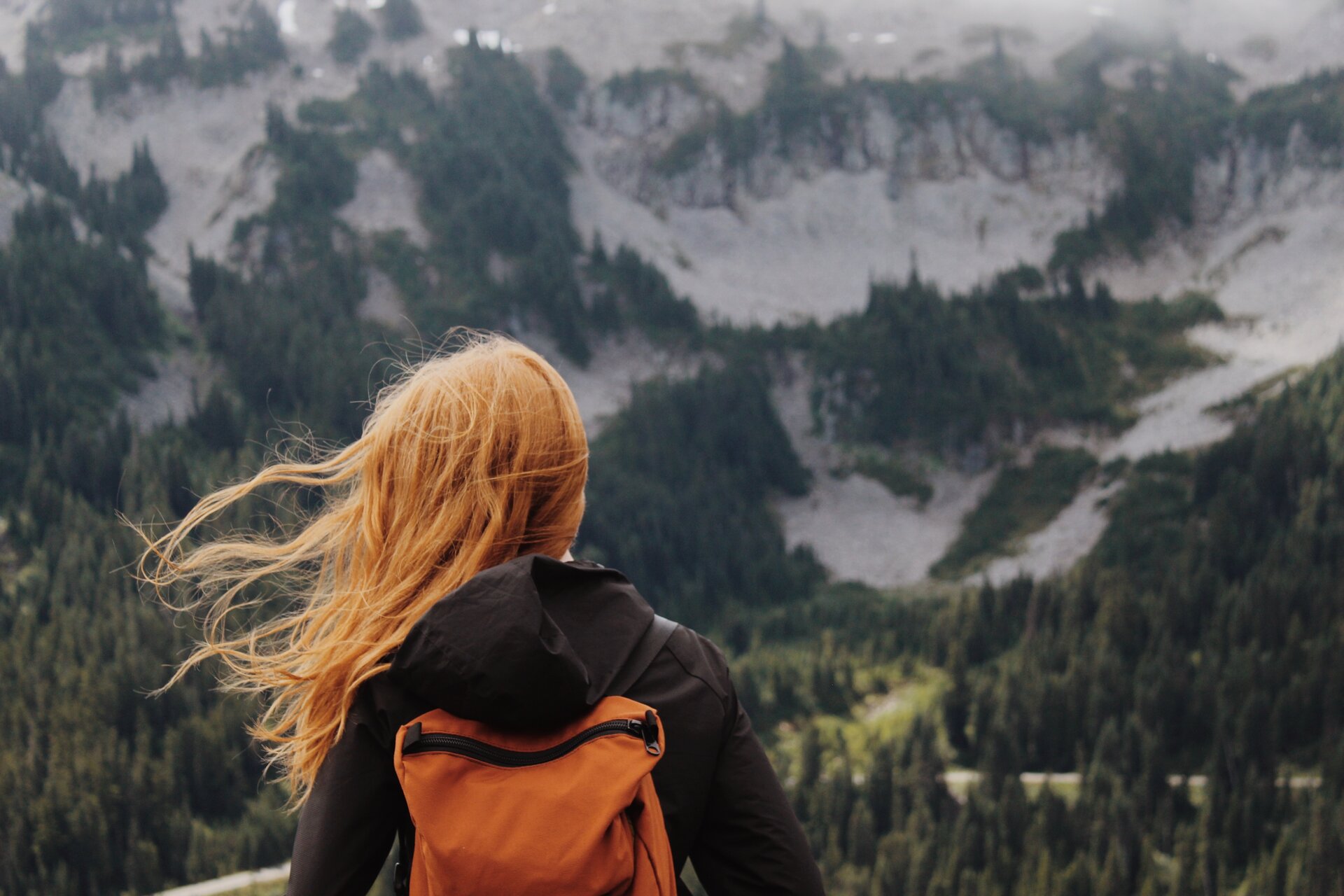
The picture below shows a woman who is heading to the mountains. She might be a traveller who is setting off on her life journey. Some people love visiting places, while others prefer to stay in one location. Which group do you belong to? Have you heard of the nomadic way of life? It’s about wandering with no place called home and having no attachment to any particular place. This way of life is becoming more and more popular. Can you think of any positive or negative aspects of it? In this part of the material, you are going to learn more about modern nomads.
Poniższa fotografia przedstawia kobietę, która wygląda, jakby miała ochotę pójść w góry. Prawdopodobnie jest podróżniczką i być może właśnie wyrusza w podróż swego życia. Niektórzy ludzie uwielbiają zwiedzać różne miejsca, inni natomiast wolą przebywać w jednej lokalizacji. Do której grupy należysz? Czy kiedykolwiek słyszałeś/słyszałaś o koczowniczym stylu życia? Polega on na ciągłym wędrowaniu i nieprzywiązywaniu się do żadnych miejsc. Taki sposób na życie ma coraz więcej zwolenników. Czy możesz znaleźć dobre i złe strony takiego wyboru? W tej części e‑materiału dowiesz się więcej o współczesnych nomadach.
Familiarise yourself with the text and do the exercises below.
A Modern Nomadic Way of Life - a Blessing or a Curse?Script of a radio broadcast
Presenter: Good morning, listeners. Today in our weekly broadcast we are talking about a modern nomadic way of lifenomadic way of life. It is meant for people with a fondness for changefondness for change and a minimalist mindsetminimalist mindset. Let me introduce our guests: Max Clark, a psychologist, Amanda Grey, a young woman in her mid‑20s, and Lisa Smile, a teenage girl.
Max: Good morning.
Amanda: Good morning. Thank you for your invitation.
Lisa: Good morning.
Presenter: It is said more and more Americans are deciding to leave their homes and start the alternative lifestylealternative lifestyle in RVs. Even I have recently begun thinking about such a change in my life. However, I am afraid that would not be beneficialbeneficial for my little kids with no place called homeno place called home, in fact.
Max: Well, according to the recent reports approximately 1 million Americans have ditchedditched houses for the open road and the number is still growing. They seem to believe the world is their oysterthe world is their oyster. Nevertheless, I agree with your worries relating to your kids as it is certain that especially school‑age children need steadinesssteadiness. While this way of life involves lack of stabilitylack of stability and no attachmentsno attachments to places as they change locationschange locations constantly. When they travel a lot, they miss their friends and families very much. Besides, living in different time zonestime zones makes it difficult to keep in touchkeep in touch with one another.
Presenter: Amanda, and can you tell us about your nomadic life?
Amanda: It all started almost three years ago. One day I just woke up and told my husband it was time we said ‘no’ to corporate slavery. We were both office workers at that time, working overtimeworking overtime every week, hardly ever spending time together. We wished not to be tied downnot to be tied down any more and to find something enrichingenriching in our lives. We both agreed that our somehow stable life does not make us happy any more. The next day we packed what was most precious to us and embarked on the adventureembarked on the adventure called ‘the nomadic way of life.’ This is how the round the world tripround the world trip began.
Presenter: Exactly, how can one pack for such a journey?
Amanda: GrabGrab the most important things such as comfortable shoes, a little money, and some warm clothes. A nomadic way of life requires that you travel lighttravel light.
Presenter: Do you regret this decision?
Amanda: No, not at all. Of course we rarely get invited to major family events as we are constantly on the road. We need to cut down expensescut down expenses and quite regularly look for new accommodationaccommodation, which sometimes can take up to a month. Usually these are short rentalsshort rentals at hostelshostels or couchsurfingcouchsurfing. Still, neither my husband nor I want to turn back time. We still feel no need to settle downno need to settle down. We adapt to changeadapt to change quickly and find it easy to adjust to a constantly changing environmentadjust to a constantly changing environment. Thanks to this decision our marriage does not suffer any more due to our professional life.
Presenter: And how about you, Lisa? Would you like to go back to your big house in Florida?
Lisa: At first I felt really unhappy having no bedroom on my own but over time I learnt to appreciate life, no matter the conditions. Moreover, at present both bouncing from country to country and seeing my family in America are possible. My life is now a never‑ending adventure as I meet new people and learn new languages, which allows me to widen my horizons and enrichenrich my knowledge of the world. I am exposed to many lifestyles, cultures, and situationsexposed to many lifestyles, cultures, and situations.
Presenter: Sounds perfect! As you know there are plenty of people who hesitate whether to live a nomadic lifestyle. What would you say to them?
Max: Consider carefully if you are mentally ready for such a change. Analyse how much money you need monthly to travel and live and it is worth getting a remote job which will help you earn enough to cover expenses.
Lisa: Stay positive!
Presenter: Thank you for talking to us today.
Max, Amanda, Lisa: Thank you.Źródło: Anna Faszcza, licencja: CC BY-SA 3.0.
Based on the information from the script of a radio broadcast about a modern nomadic way of life, decide which person gives particular information. Write the correct letter A, B, C, or D in boxes 1 to 5.
A. Presenter
B. Max
C. Amanda
D. Lisa
1. mentions the influence of a nomadic way of life on their family members? 1. B, 2. D, 3. B, 4. A, 5. C
2. relates to some statistics? 1. B, 2. D, 3. B, 4. A, 5. C
3. gives useful advice to those that are considering starting a nomadic way of life? 1. B, 2. D, 3. B, 4. A, 5. C
4. has improved their bonds with their most important family member thanks to living a nomadic lifestyle? 1. B, 2. D, 3. B, 4. A, 5. C
5. feels they develop a lot thanks to this way of life? 1. B, 2. D, 3. B, 4. A, 5. C
TRUEFALSE
2. A nomadic way of life is an escape from office life for some people.
TRUEFALSE
3. A nomadic way of life demands extensive luggage.
TRUEFALSE
4. This way of life does not involve a change in managing finances.
TRUEFALSE
5. Accommodation is based on short term stays.
TRUEFALSE
Based on the information from the radio script, write (in 8‑10 sentences) four advantages and four disadvantages that were mentioned in the text.
Słownik
/ əˌkɒməˈdeɪʃn̩ /
zakwaterowanie (a place where you live or stay)
/ əˈdæpt tu tʃeɪndʒ /
dostosować się do zmiany (become familiar with)
/ əˈdʒʌst tu ə ˈkɒnstəntli ˈtʃeɪndʒɪŋ ɪnˈvaɪərənmənt /
dostosować się do nieustannie zmieniającego się środowiska (change sth to achieve a desired result)
/ ɔːlˈtɜːnətɪv ˈlaɪfstaɪl /
alternatywny styl życia (different/other lifestyle)
/ bi ɪkˈspəʊzd tu ˌmeni ˈlaɪfstaɪlz ˈkʌltʃəz ənd ˌsɪtʃʊˈeɪʃn̩z /
zaznać wiele stylów życia, kultur i sytuacji (to face and experience many lifestyles, cultures and situations)
/ ˌbenɪˈfɪʃl̩ /
korzystny/korzystna (profitable)
/ ˈbaʊnsɪŋ / / baʊns /
tu: podróżując [podróżować] (travel places intensively)
/ tʃeɪndʒ ləʊˈkeɪʃn̩z / / tʃeɪndʒ ə ləʊˈkeɪʃn̩ /
zmienić lokalizacje [zmienić lokalizację] (change positions and places)
/ ˈkɔːpərət ˈsleɪvəri /
korporacyjnemu niewolnictwu [korporacyjne niewolnictwo] (refers to the situation when employees don’t get benefits for their hard work)
/ 'kaʊtʃˈsərfɪŋ /
korzystanie z tymczasowego, darmowego noclegu u osoby w innym mieście lub kraju (to stay at other peoples’ houses and sleeping in their beds for free when you don’t have your own house or while travelling)
/ kʌt daʊn ɪkˈspensɪz /
ograniczać wydatki (reduce spending money)
/ dɪtʃt / / dɪtʃ /
opuściło [opuszczać], porzuciło [porzucać] (abandon)
/ ɪmˈbɑːkt ˈɒn ði ədˈventʃə / / ɪmˈbɑːk ˈɒn ði ədˈventʃə /
weszliśmy na drogę przygody [wejść na drogę przygody] (start an adventure)
/ ɪnˈrɪtʃ /
wzbogacać (improve the quality)
/ ɪnˈrɪtʃɪŋ /
wzbogacający/wzbogacająca (beautifying)
/ ˈfɒndnəs əv tʃeɪndʒ /
zamiłowanie do zmiany (affection for a change)
/ ɡræb /
chwytać (seize in a sudden manner)
/ ˈhɒstl̩ /
hostel (accommodation with inexpensive food at a lower price than a hotel)
/ kiːp ɪn tʌtʃ /
utrzymać kontakt (maintain contact)
/ ˈlæk əv stəˈbɪlɪti /
brak stabilizacji (lack of balance/not stable situation)
/ ˈmɪnɪməlɪst ˈmaɪndset /
postawa minimalistyczna, nastawienie minimalistyczne (minimalist way of thinking)
/ ˈnəʊ əˈtætʃmənt /
bez przywiązania (no affection for sth)
/ ˈnəʊ niːd tu ˈsetl̩ daʊn /
bez potrzeby ustatkowania się (no need for a quiet and stable life)
/ ˈnəʊ pleɪs kɔːld hoʊm /
bez miejsca zwanego domem (no place like home)
/ nəʊˈmædɪk ˈweɪ əv laɪf /
koczowniczy tryb życia (travel from one place to another with no real home)
/ nɒt tu bi taɪd daʊn /
nie być przywiązanym/przywiązaną (not to be limited)
/ raʊnd ðə ˈwɜ:ld trɪp /
wycieczka dookoła świata (travel around the world)
/ ʃɔ:t ˈrentl̩z / / ʃɔ:t ˈrentl̩ /
krótkie wynajmy [krótki wynajem] (sth that can be hired for a short time)
/ ˈstedɪnəs /
stabilizacja, opanowanie (the fact of being stable)
/ ðə ˈwɜ:ld z ðeər ˈɔɪstə /
świat stoi otworem (everything is open and ready for sb)
/ ˈtaɪm zəʊnz / / ə ˈtaɪm zəʊn /
strefy czasowe [strefa czasowa] (one of the areas the world is divided into with its own time)
/ ˈtrævl laɪt /
podróżować bez zbędnego bagażu (travel with no heavy bags)
/ ˌwɜ:kɪŋ ˈəʊvətaɪm / / ˈwɜ:k ˈəʊvətaɪm /
pracując w nadgodzinach [pracować nadgodziny] (work more than in the schedule for extra money)
Źródło: GroMar Sp. z o.o., licencja: CC BY‑SA 3.0