R10G8Ct1uJ2Gu

Greatest explorers

The Victoria, Magellan's ship, on the map of the cartographer Abraham Ortelius
Source: Ortelius, 1590, Wikimedia Commons, licencja: CC 0.

Link to the lesson

You will learn
  • what led to the great geographic discoveries;

  • who were the great explorers;

  • which territories they discovered.

Rtybw9FDFOmzt
Nagranie abstraktu

The Greeks were the first sailors in the antiquity. The medieval times were marked by [the Vikings] VikingsVikings. However, they were sailing only near the coasts because of the poor ships that were used at that time.

It was the curiosity, creativity and courage of the Renaissance people that led to the great sea expeditions. They ventured for the faraway seas and oceans willing to explore the unknown and to bring new, exotic goods to Europe.

The new innovations came along: the compassCompasscompass and astrolabeAstrolabeastrolabe that enabled sailing much further. Moreover, the new type of ships have appeared – the caravelsCaravelcaravels.

The most famous explorers originated from Portugal and Spain. The authorities of those states were strongly engaged in the organisation of the expeditions. Prince Henry the Navigator was one of the involved. His compatriot - Bartolomeu Dias - was the one who has discovered the Cape of Good Hope. Thanks to another Portuguese, Vasco da Gama, we now can travel to India by sea.

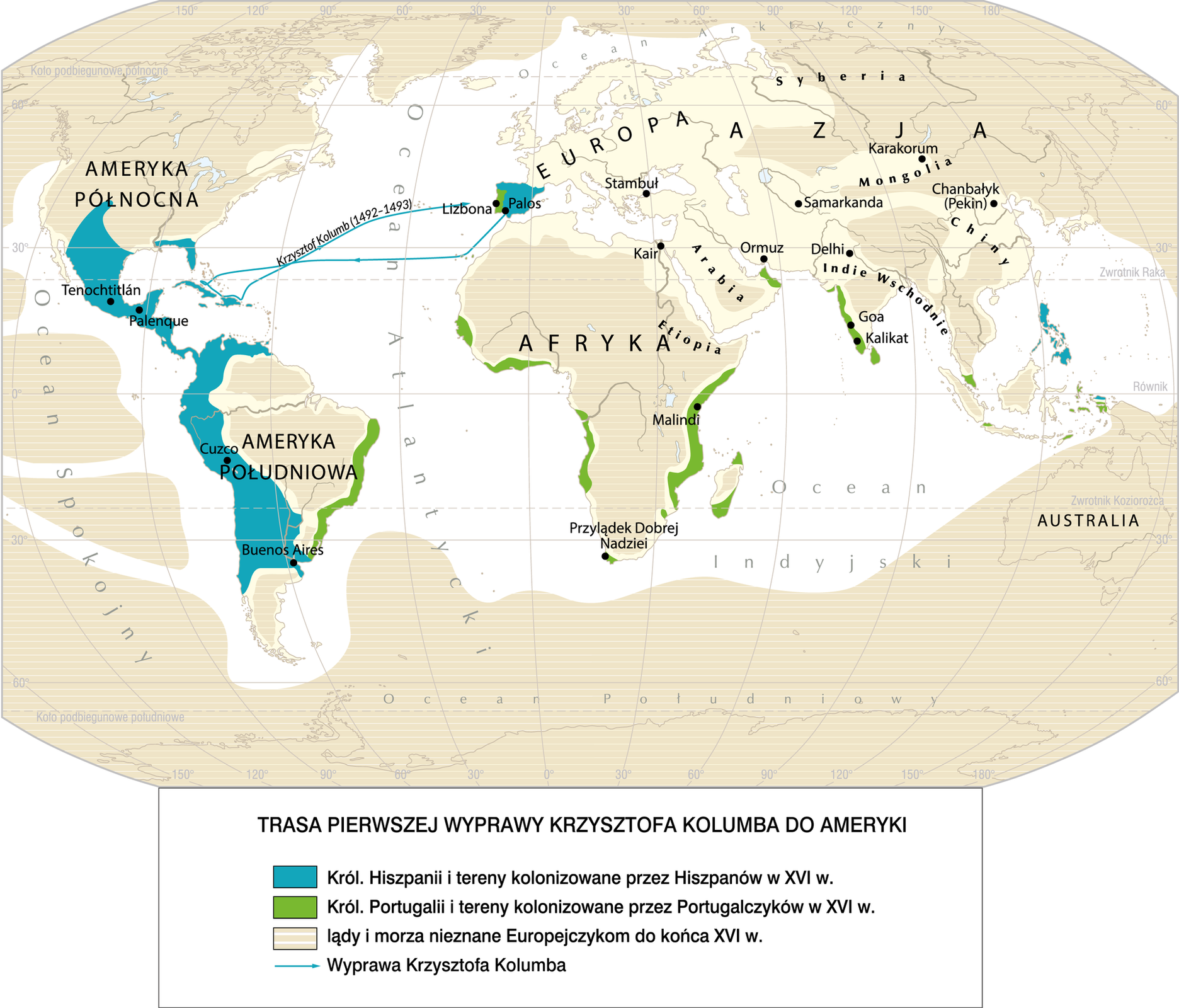
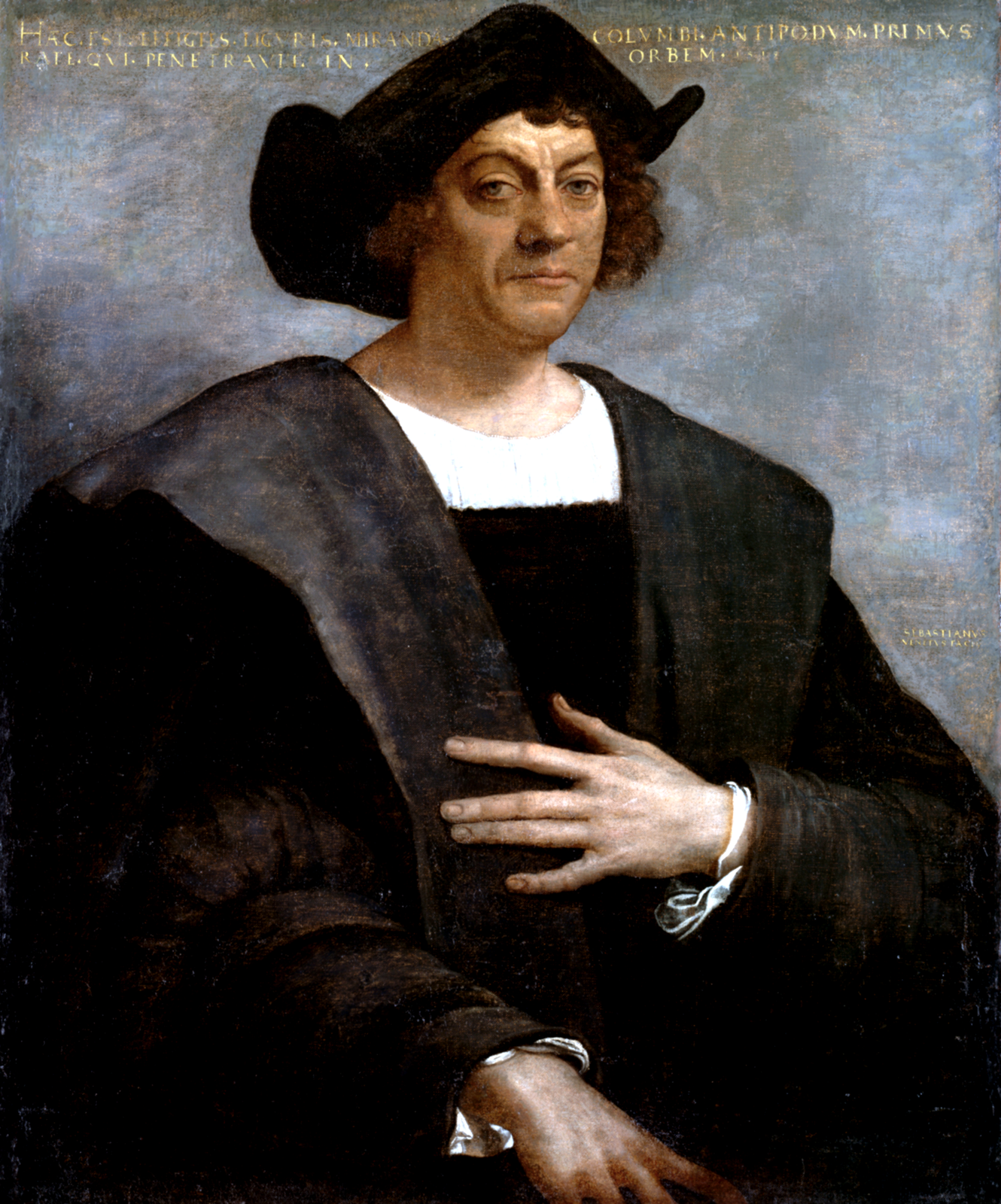
However, it's the popularity of Christopher Columbus that no one can deny. With the support of the Spanish authorities, he organised the expedition we now know as the one which has discovered America. The year of this amazing achievement - 1492 - has been set the finishing date of the medieval era.

Another Portuguese sailor on Spanish service, Ferdinand Magellan, made a name for himself by circulating across the globe for the first time. Unfortunately, he died in the Philippines fighting the locals. Nonetheless, the ship „Victoria”'s crew returned to Spain after 3 years of the journey between 1519 and 1522. This achievement is now considered one of the most crucial events in the history of geographical discoveries: it has proven the sphericity of the globe.

1
Task 1

Look at the most important events from the explorers' times and organize your knowledge. Which of the events were the most important and why?
RYWSDZi2KEj1c
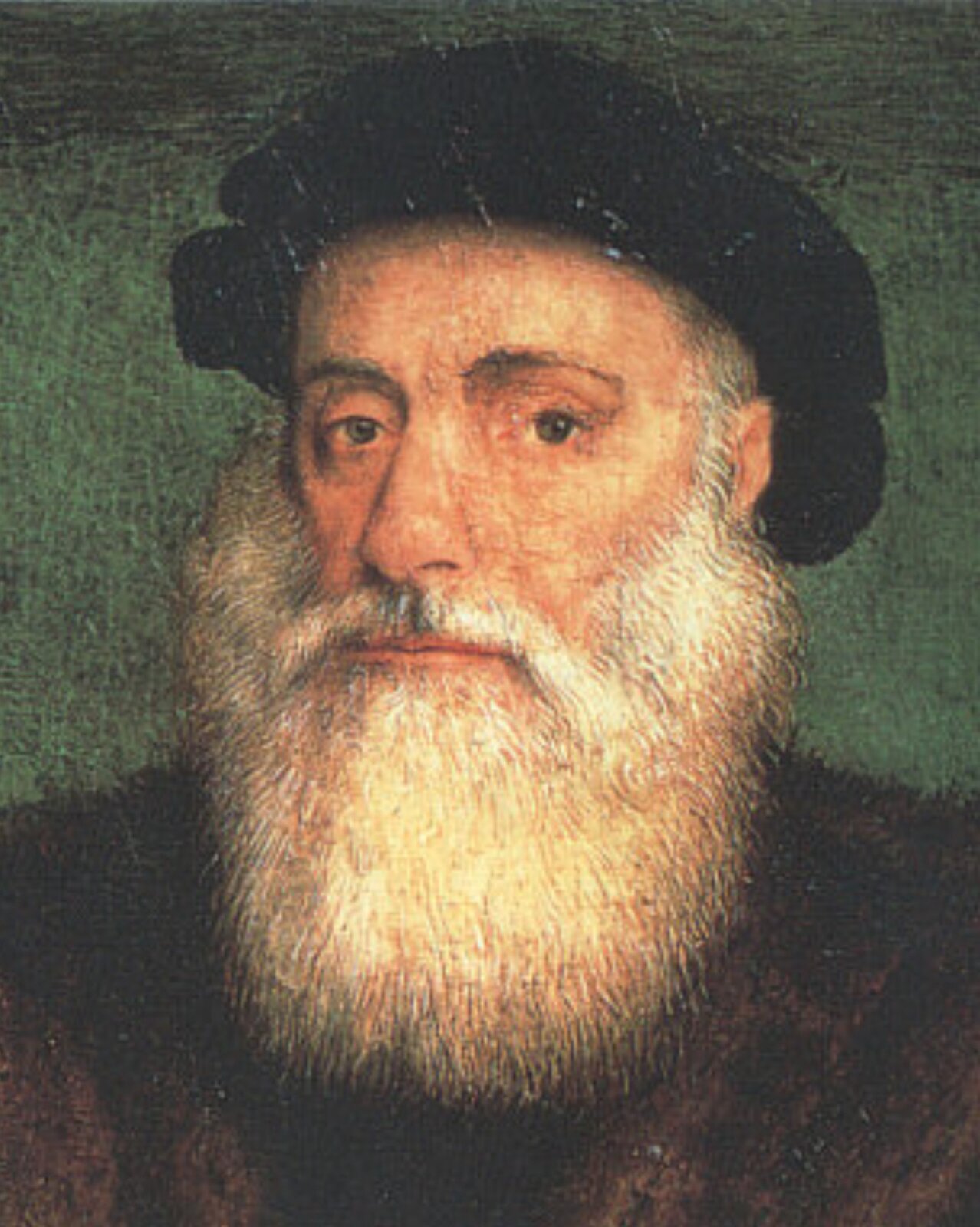
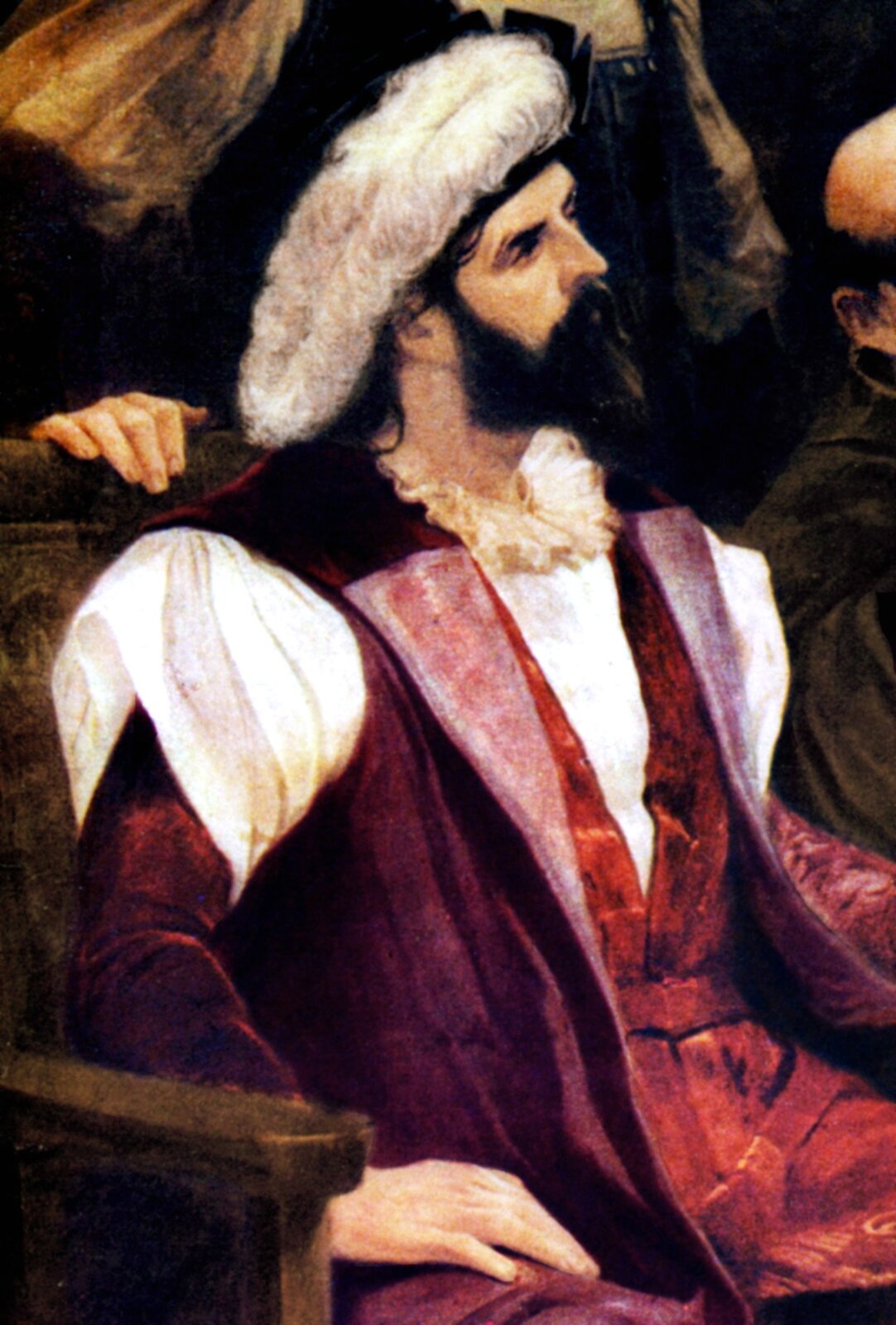
Crucial events 1446 The Portuguese reach Cape Verde 18th century Cidade Velha on the picture., 1486 Bartolomeu Dias reaches the Cape of Good Hope On the photo, statue of Bartolomeu Dias in London., 1492 First expedition of Columbus - New World's dicovery The portrait of (allegedly) Christopher Columbus by Sebastiano del Piombo., 1498 Vasco da Gama reaches India The 16th century portrait of (allegedly) Vasco da Gama., 1500 The discovery of Brasil Pedro Álvares Cabral on the picture., 1519 - 1522 Ferdinand Magellan journey  , 1577 - 1580 Francis Drake circulates the globe  , 1642 - 1644 Abel Tasman discovers Tasmania, New Zeland and Australia  , 1768 - 1780 James Cook journeys The portrait of Jamesa Cooka by N. Dance-Holland, about 1775.
Source: Sebastiano del Piombo, licencja: CC 0.
Task 2
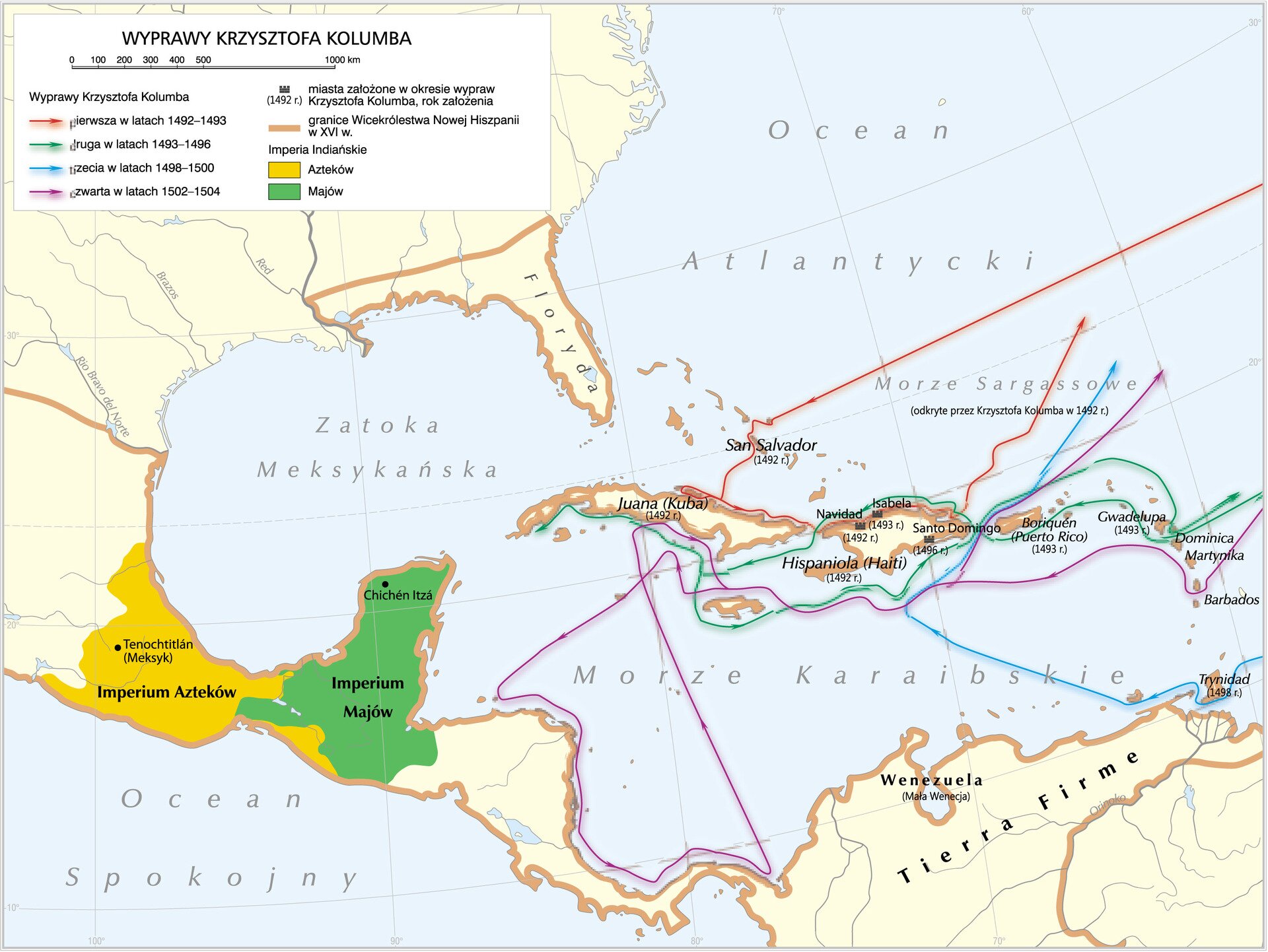
Korzystając z dostępnych źródeł, opisz kolejne wyprawy Krzysztofa Kolumba. 
Task 3

How old was:

  • Christopher Columbus when he discovered America,

  • Vasco da Gama, when he discovered the way to India,

  • Pedro Alvares Cabral, when he discovered Brazil.
Rv5ObS3rhbQcZ1
Exercise 1
Link the term with the definition. Caravel Możliwe odpowiedzi: 1. light and fast, three-mast ship that can sail against the wind, 2. tribe inhabiting today's Scandinavia in the Middle Ages, 3. trade route enabling the import of luxurious good from Far East to Europe, 4. the name given to America after its discovery, 5. instrument determining the geographical location of the ship on the sea based on the stars' location, 6. instrument determining the cardinal directions invented in China Silk Road Możliwe odpowiedzi: 1. light and fast, three-mast ship that can sail against the wind, 2. tribe inhabiting today's Scandinavia in the Middle Ages, 3. trade route enabling the import of luxurious good from Far East to Europe, 4. the name given to America after its discovery, 5. instrument determining the geographical location of the ship on the sea based on the stars' location, 6. instrument determining the cardinal directions invented in China Vikings Możliwe odpowiedzi: 1. light and fast, three-mast ship that can sail against the wind, 2. tribe inhabiting today's Scandinavia in the Middle Ages, 3. trade route enabling the import of luxurious good from Far East to Europe, 4. the name given to America after its discovery, 5. instrument determining the geographical location of the ship on the sea based on the stars' location, 6. instrument determining the cardinal directions invented in China Astrolabe Możliwe odpowiedzi: 1. light and fast, three-mast ship that can sail against the wind, 2. tribe inhabiting today's Scandinavia in the Middle Ages, 3. trade route enabling the import of luxurious good from Far East to Europe, 4. the name given to America after its discovery, 5. instrument determining the geographical location of the ship on the sea based on the stars' location, 6. instrument determining the cardinal directions invented in China Compass Możliwe odpowiedzi: 1. light and fast, three-mast ship that can sail against the wind, 2. tribe inhabiting today's Scandinavia in the Middle Ages, 3. trade route enabling the import of luxurious good from Far East to Europe, 4. the name given to America after its discovery, 5. instrument determining the geographical location of the ship on the sea based on the stars' location, 6. instrument determining the cardinal directions invented in China New World Możliwe odpowiedzi: 1. light and fast, three-mast ship that can sail against the wind, 2. tribe inhabiting today's Scandinavia in the Middle Ages, 3. trade route enabling the import of luxurious good from Far East to Europe, 4. the name given to America after its discovery, 5. instrument determining the geographical location of the ship on the sea based on the stars' location, 6. instrument determining the cardinal directions invented in China

Keywords

explorers, discoveries, podróżnicy, New Word, Vikings

Glossary

Astrolabe
Astrolabe
RBOfiV8KHAbxm
Nagranie słówka: Astrolabe

Astrolabium – przyrząd, dzięki któremu żeglarze określali położenie geograficzne statku na morzu według położenia gwiazd.

Caravel
Caravel
R1CTGQaUDmYAZ
Nagranie słówka: Caravel

Karawela – lekki, szybki statek, trzymasztowy statek, który mógł żeglować nawet pod wiatr.

Compass
Compass
R1AHS8H7YUqpQ
Nagranie słówka: Compass

Kompas – przyrząd wynaleziony przez Chińczyków, umożliwiający dokładne określenie stron świata.

New World
New World
R1E3yugACDbqe
Nagranie słówka: New World

Nowy Świat – określenie wprowadzone w czasie wielkich odkryć geograficznych dla dwóch kontynentów półkuli zachodniej: Ameryki Północnej i Ameryki Południowej.

Silk Road
Silk Road
R1JCFeLO5Jttw
Nagranie słówka: Silk Road

Szlak Jedwabny – szlak handlowy umożliwiający sprowadzanie luksusowych towarów z Dalekiego Wschodu do Europy.

Vikings
Vikings
R1BBOqpOrPGYd
Nagranie słówka: Vikings

Wikingowie – skandynawscy wojownicy, którzy od VIII w. podejmowali dalekie wyprawy o charakterze kupieckim, rabunkowym lub osadniczym.