How do we describe weather and climate?
how the Earth’s orbiting movement is related to changing seasons.
to indicate weather components and climate components;
what is primary difference between weather and climate;
which instruments are typically used to measure weather components;
how to conduct cloudiness observation.
If, during the coming year, air temperature at a certain night drops to -38°C, it will not necessarily mean another ice age begins. On the other hand, if air temperature on a certain day rises to 38°C, it will not indicate predicted climate warming. Now, what is climate?
How do we describe weather and climate?
Weather is the state of atmosphere in a certain place and time, determined by its components.
These include the following:
air temperature;
atmospheric pressure;
humidity;
precipitation;
wind velocity and direction;
cloudiness;
sun radiation intensity;
atmospheric phenomena.
ClimateClimate, though, is a set of atmospheric phenomena and processes (in other words, weather conditions), typical for a certain region, being formed under an influence of physical and geographical properties of this region, determined through many years of observations and meteorological measurements, spanning no less than 30 years. It is depicted by climate components which are identical with weather components but observed in a longer time perspective. For example, these may include:
average annual or monthly air temperature;
average annual or monthly layout of atmospheric pressure;
air humidity distribution (annual, monthly);
annual or monthly cloudiness;
average total yearly precipitation;
average number of days with precipitation/mist/storm etc. per year;
average annual or seasonal wind arrangement.
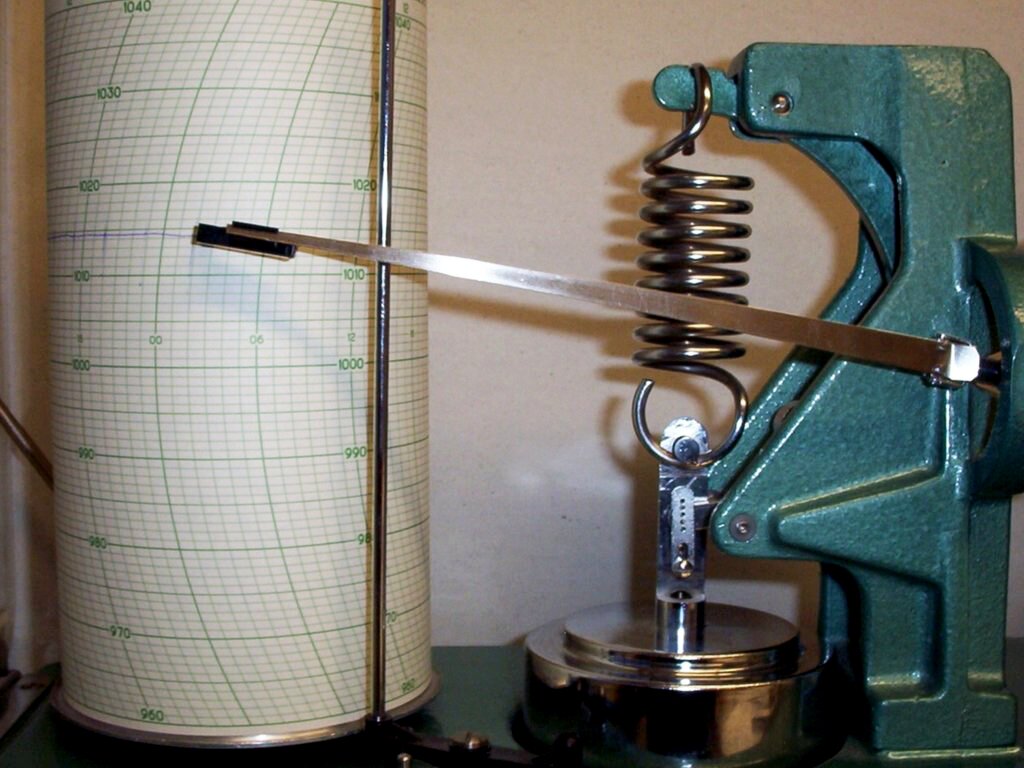
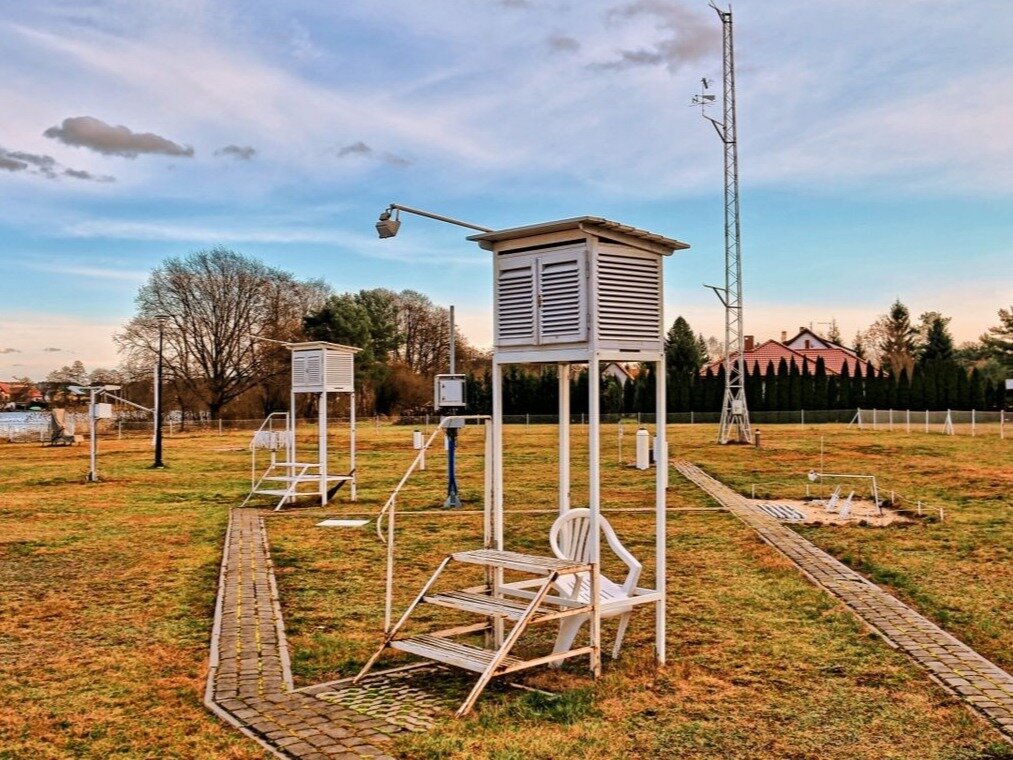
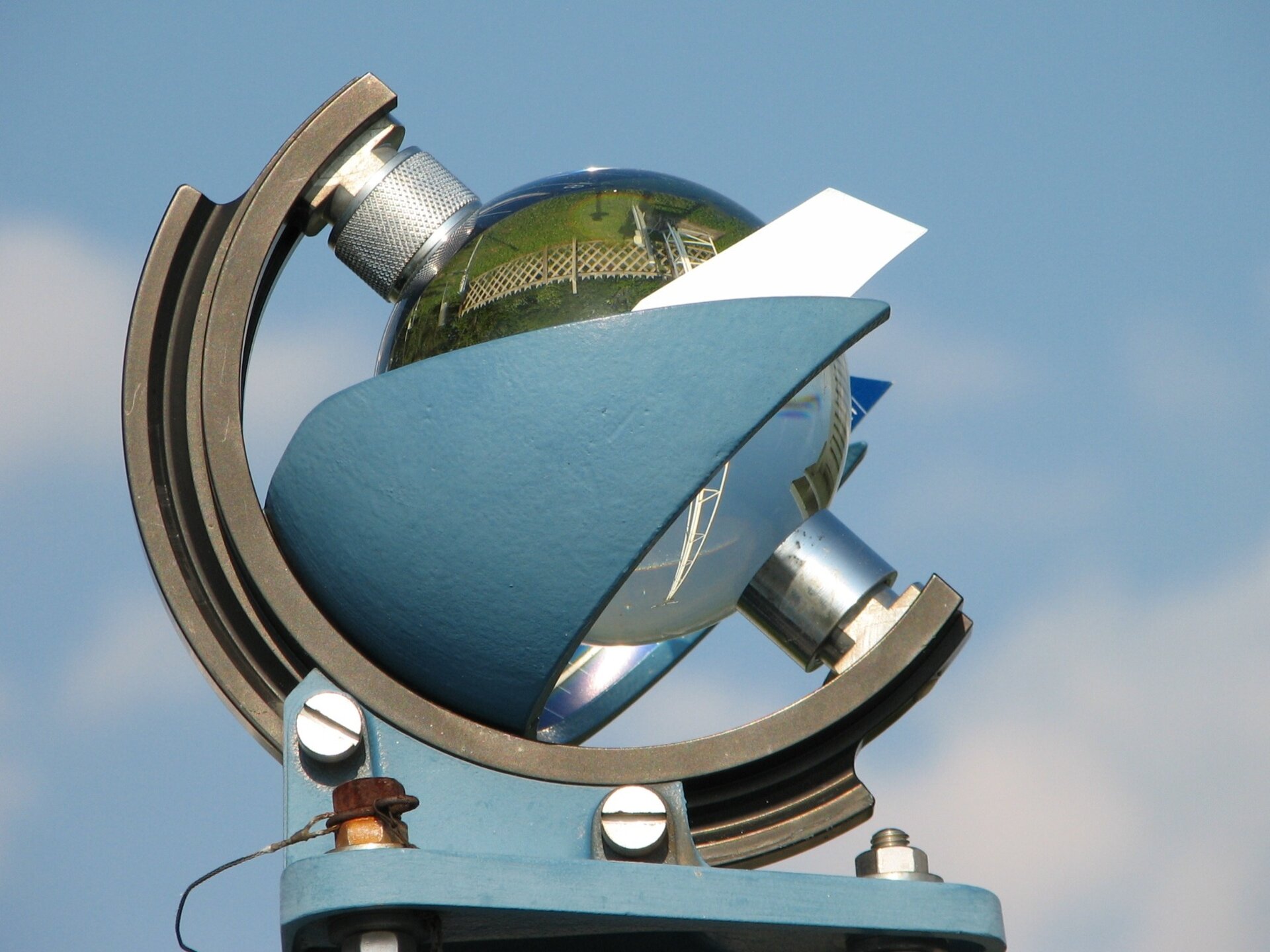
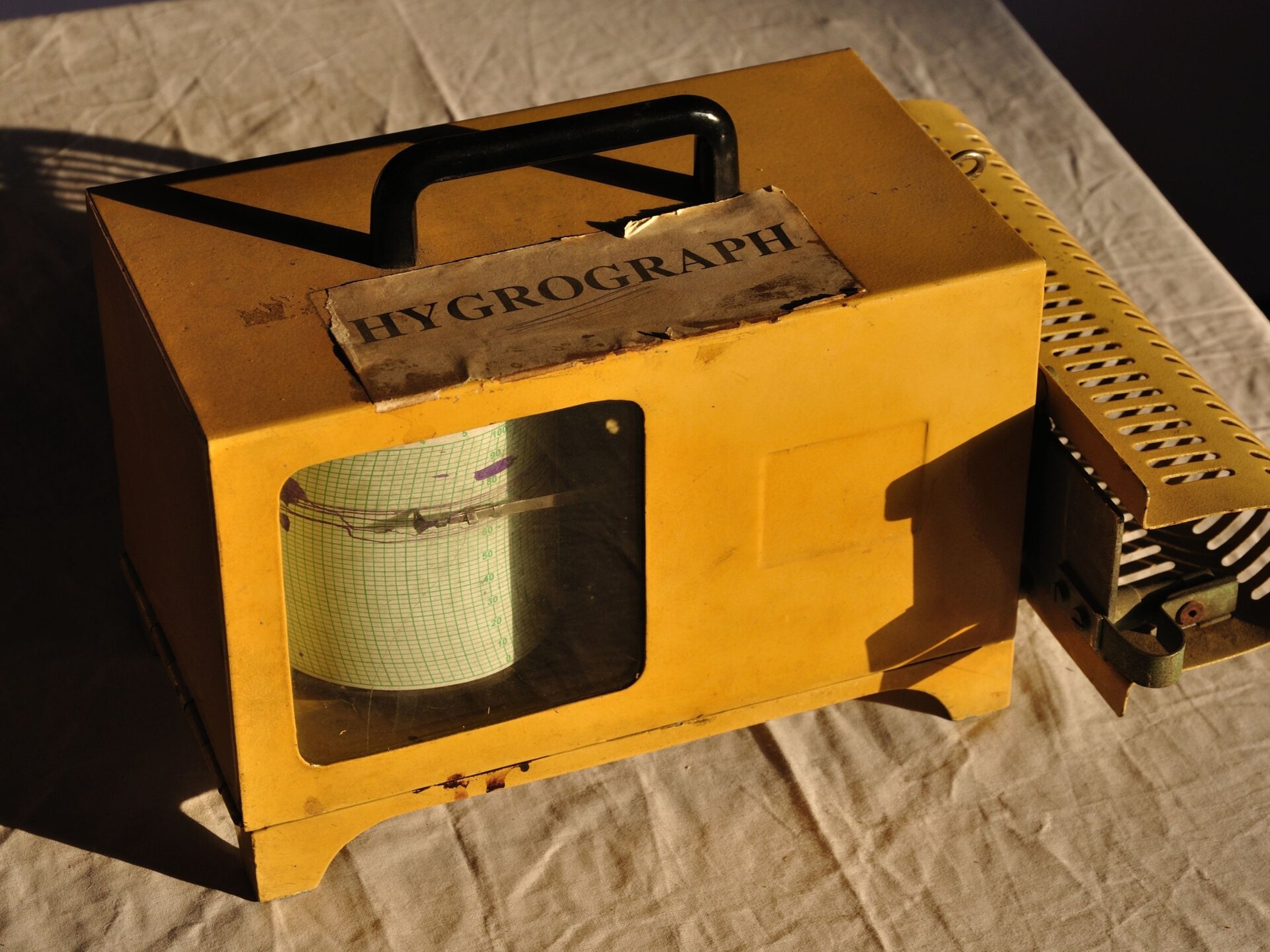
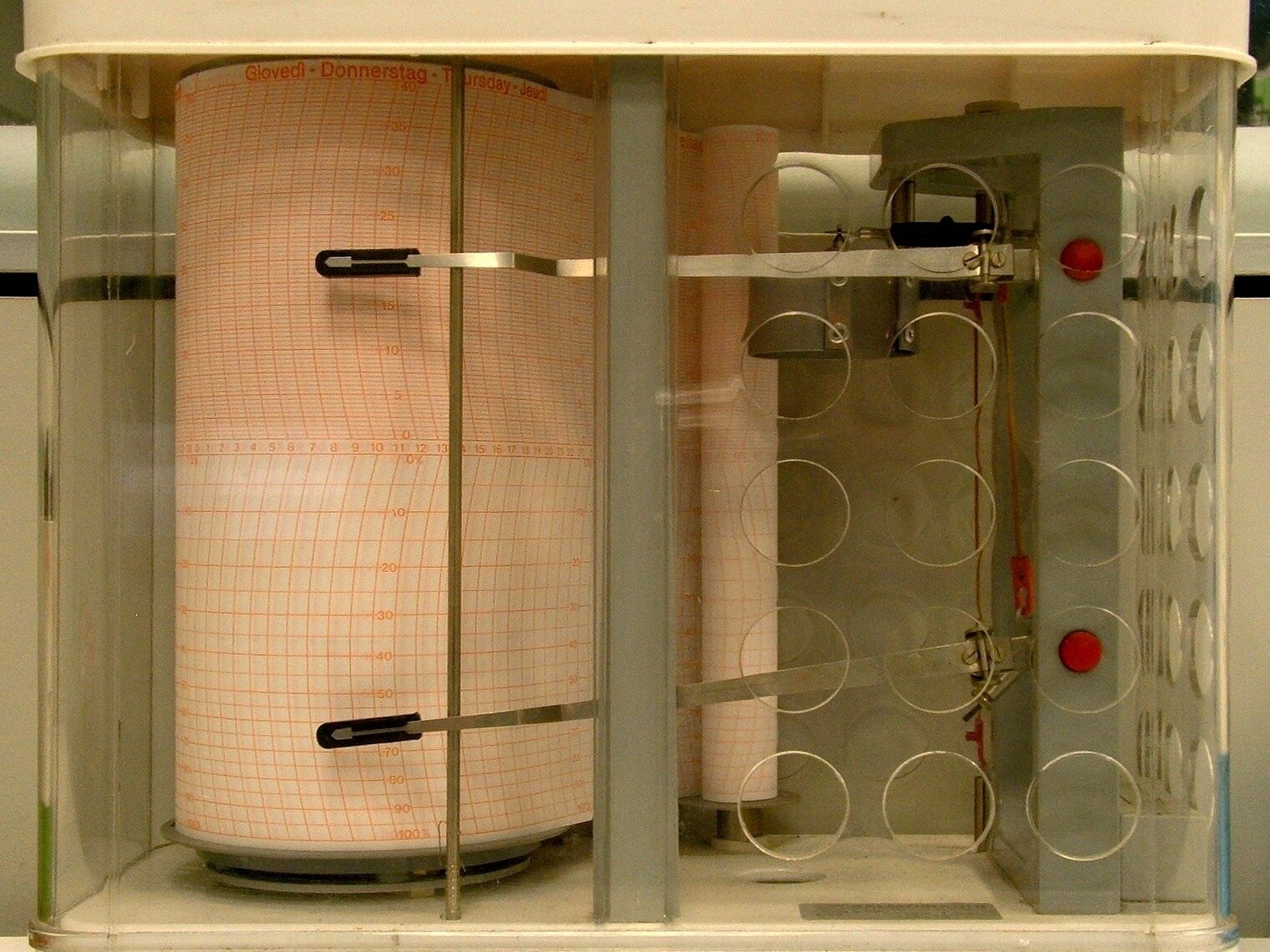
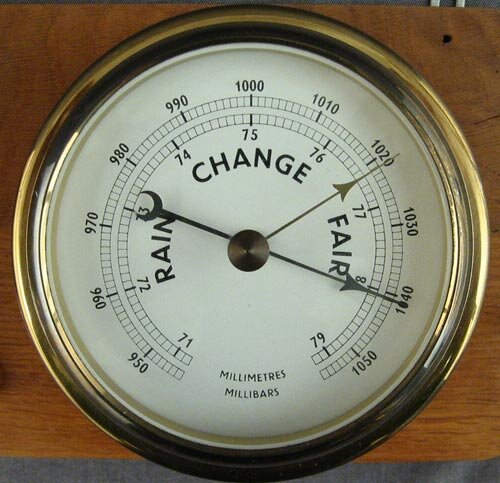
Climate is determined through many years of regular measurements and observations of weather components. In Poland, such actions are performed at meteorological stations. Observation dates and intervals vary, depending on station type. At synoptic stations (operating for the purpose of weather forecasting), measurements are made every hour, at climatologic stations, three times per day: at 7am, 1pm, and 7pm CET. At some stations, there are also permanent all‑day measurements being performed, using electronic instruments, including automatic gauges. Air temperature and soil temperature is measured by a few different thermometers, however, less accurate but constant temperature measurement is provided by a thermographthermograph. Atmospheric pressure is measured by a barometer or an automatic barographbarograph. Air humidity is measured by a hygrometer or a hygrograph. Apart from that, pluviometers (rain gauges), anemometers and heliographsheliographs (indicating sunshine duration) are used. Cloudiness rate and special meteorological phenomena (storm, rainbow etc.) are being observed by station personnel.
To find out whether you have understood your lesson correctly, fill in gaps in the following text. Drag and drop words in the correct places.
the tallest, Weather, shorter, experiments, components, longer, observations, temperature, climate, humidity distribution, geographic, meteorological, average
.......................................... is a state of atmosphere in specific place and specific time, and .......................................... is a set of atmospheric phenomena and processes which are typical for the relevant region. A typical weather component is air ........................................... Its corresponding climate component is .......................................... air temperature in a specific period. Similarly, air humidity is a weather component, and air .......................................... is a climate component. Climate components refer to much .......................................... periods than weather ........................................... Climate in a specific .......................................... region may be determined by analysing results of .......................................... and measurements of individual weather components, recorded systematically in the period of a few decades. Such measurements are conducted in .......................................... stations with application of appropriate instruments.
Explain why, in your opinion, air temperature measurement at meteorological stations is made at 2 m over ground, at the ground level, and in soil.
Teaching responsibility during conducting natural research and systematic work during any observations.
a notebook.
Prepare a table with five columns with the following titles: “date”, “cloudiness at 7am”, cloudiness at 1pm”, “cloudiness at 7pm” and “meteorological phenomena”. The table should have 8 rows. The upper one with column titles, the next ones with indicated dates of observations.
Observation of cloudiness is subjective and consists in evaluation of cloudiness rate, assigning a rank from 0/8 (no clouds) through 4/8 (half the sky clouded) to 8/8 (total cloudiness).
While observing cloudiness, try to determine cloud types and note occurrence and date of any possible meteorological phenomenon (precipitation, mist, snowstorm, rainbow, rainstorm etc.).
Each day at 7am and at 7pm go to open space, where the entire sky is visible; perform an observation and note its results.
When you are at school, exit the school building around 1pm and conduct your observation.
Match each instrument to a weather component which may be measured using such instrument.
hygrometer or hygrograph, barometer or barograph, Sunshine recorder, thermometer or thermograph, Pluviometer (rain gauge), Anemometer
| temperature | |
| atmospheric pressure | |
| air humidity | |
| Sunshine duration | |
| wind speed and direction | |
| amount of liquid precipitation |
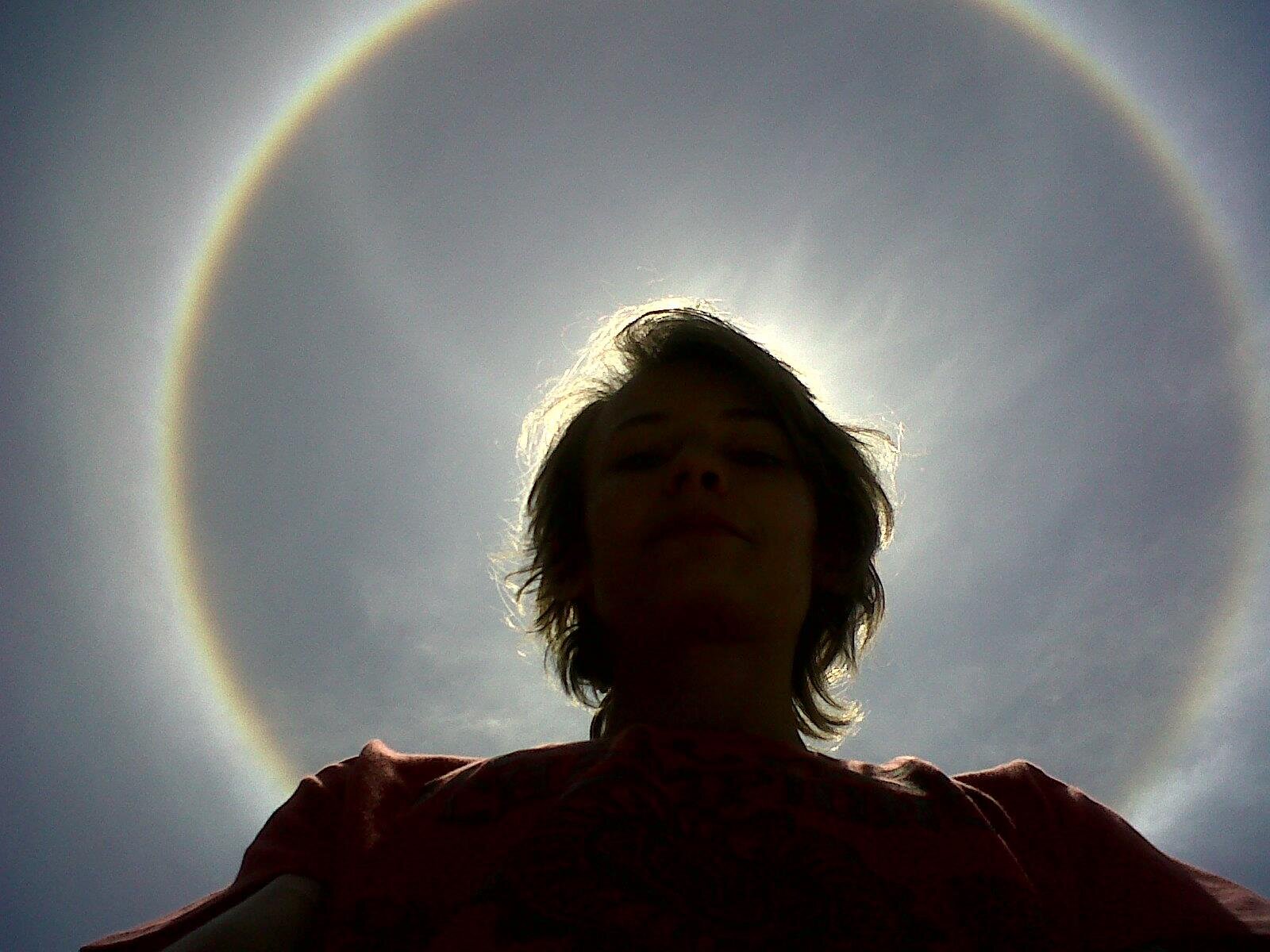
Halo is an optical phenomenon, observed around the Sun or the Moon. It appears as a shiny ring, coloured or white, and sometimes as a section of ring with size of 22°. Coloured rings resemble a shield with red as the inner colour and violet as the outer colour. This phenomenon occurs as a result of refraction and internal reflection of light in ice crystals suspended in cirrus clouds, located at large heights (most frequently cirrostratus).
Summary
In order to determine weather, suitable observations and measurements are required: air temperature, atmospheric pressure, humidity, precipitation volume, wind velocity and direction, cloudiness, intensity of sun radiation, and atmospheric phenomena.
Long‑lasting and regular measurements of weather components allow to determine local climate.
Keywords
weather, climate, meteorological station
Glossary
barograf -rodzaj barometru zapisujący dokonywane pomiary ciśnienia; wyniki są notowane na specjalnej taśmie papierowej zamocowanej na poruszającym się bębnie
globalne ocieplenie - wzrost średniej temperatury atmosfery przy powierzchni Ziemi i oceanów obserwowany od połowy XX wieku
heliograf - przyrząd służący do pomiaru czasu usłonecznienia
klimat - ogół zjawisk pogodowych na danym obszarze ustalony na podstawie obserwacji prowadzonych przez kilkadziesiąt lat
termograf - przyrząd mierzący temperaturę i rejestrujący jej przebieg; wyniki są zapisywane na taśmie papierowej zamocowanej na obracającym się bębnie