How nature changes in spring and summer?
that in spring not only does the length of the day increase, but also the air temperature rises;
what the growing season is and how it is related to the air temperature.
discuss changes in plants at the beginning of the growing season;
explain why summer conditions are best for the development of their offspring.
The coming of spring
The common hazel catkins blooming in the second half of February are one of the first signs of the coming spring. Their appearance is the conventional beginning of early springearly spring. Despite the low temperature, between the melting snow, flowers grow: snowdrops and anemones. There are also the first birds returning from warm countries: skylarks and lapwings, which can tolerate low temperatures relatively well.
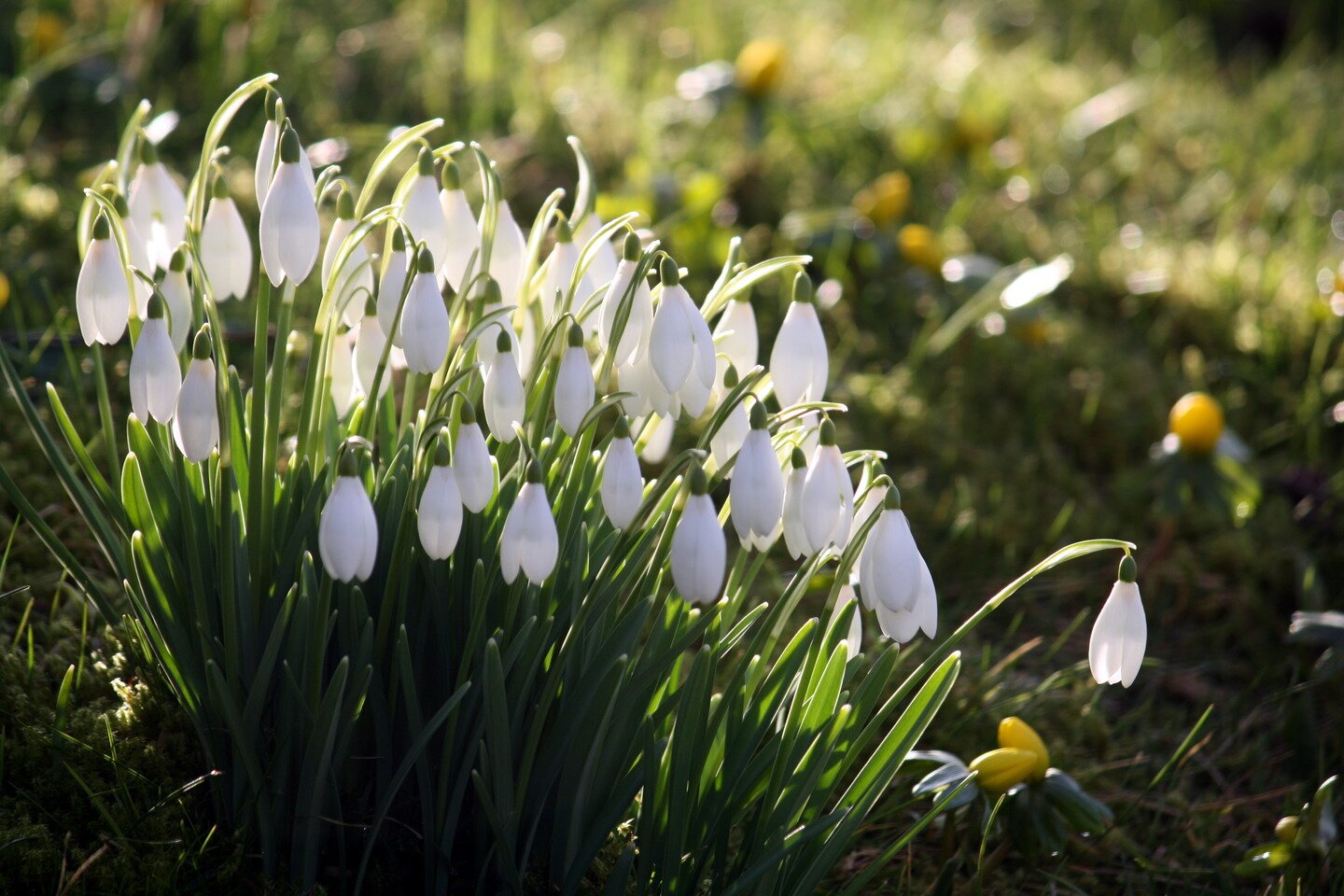
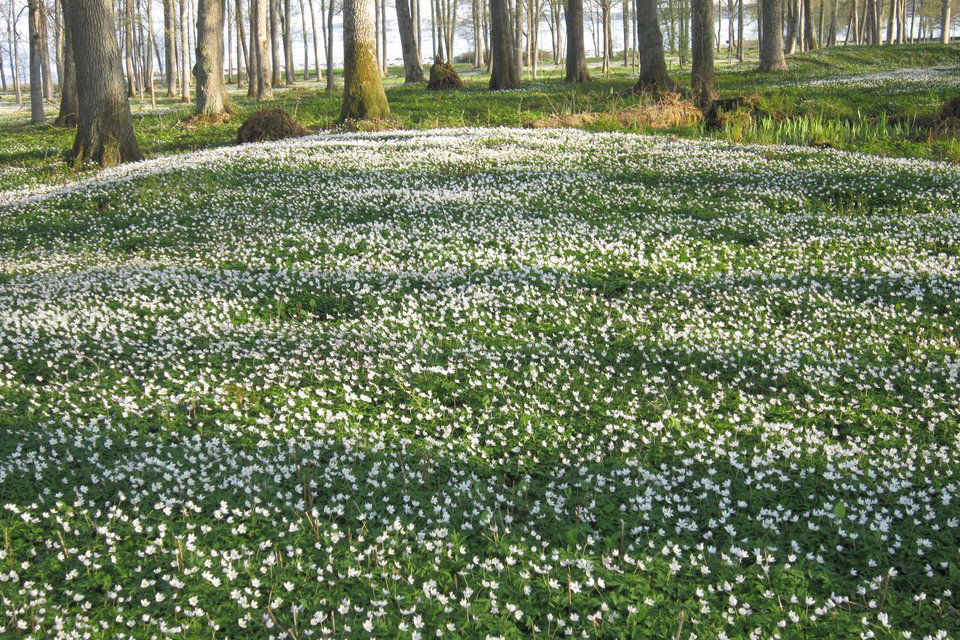
Calendar spring starts on March 21. Then the whole nature comes to life. The days become longer, it gets warmer. There are frosts only at night. Melting snow is falling here and there, the humidity of the earth and air increases. The prolonged day and higher temperatures cause major changes in the plant world. In March, the first (after the hazel) trees and bushes come to life. Seeds of annual plants sprout also. However most plants bloom in late spring.
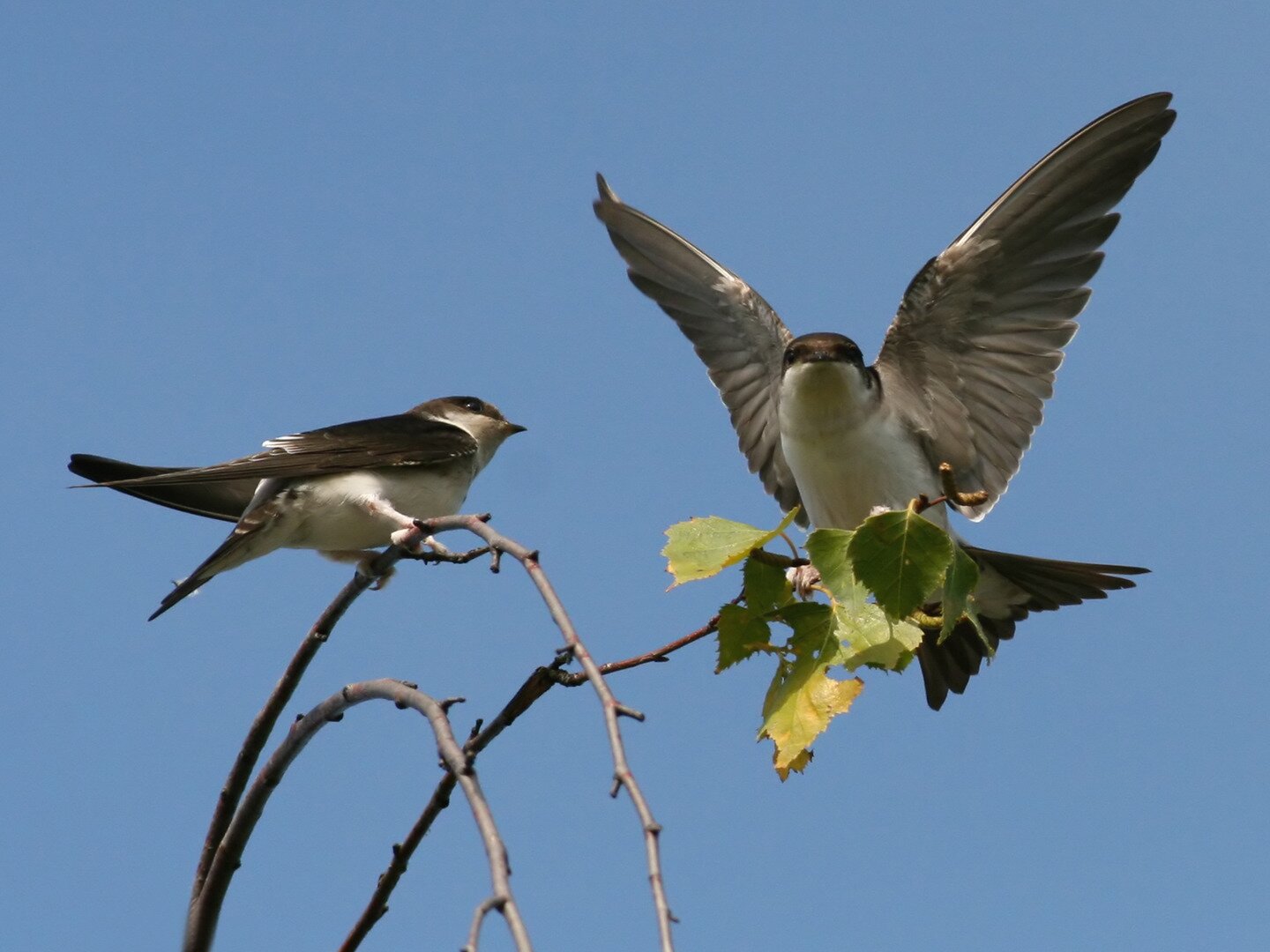
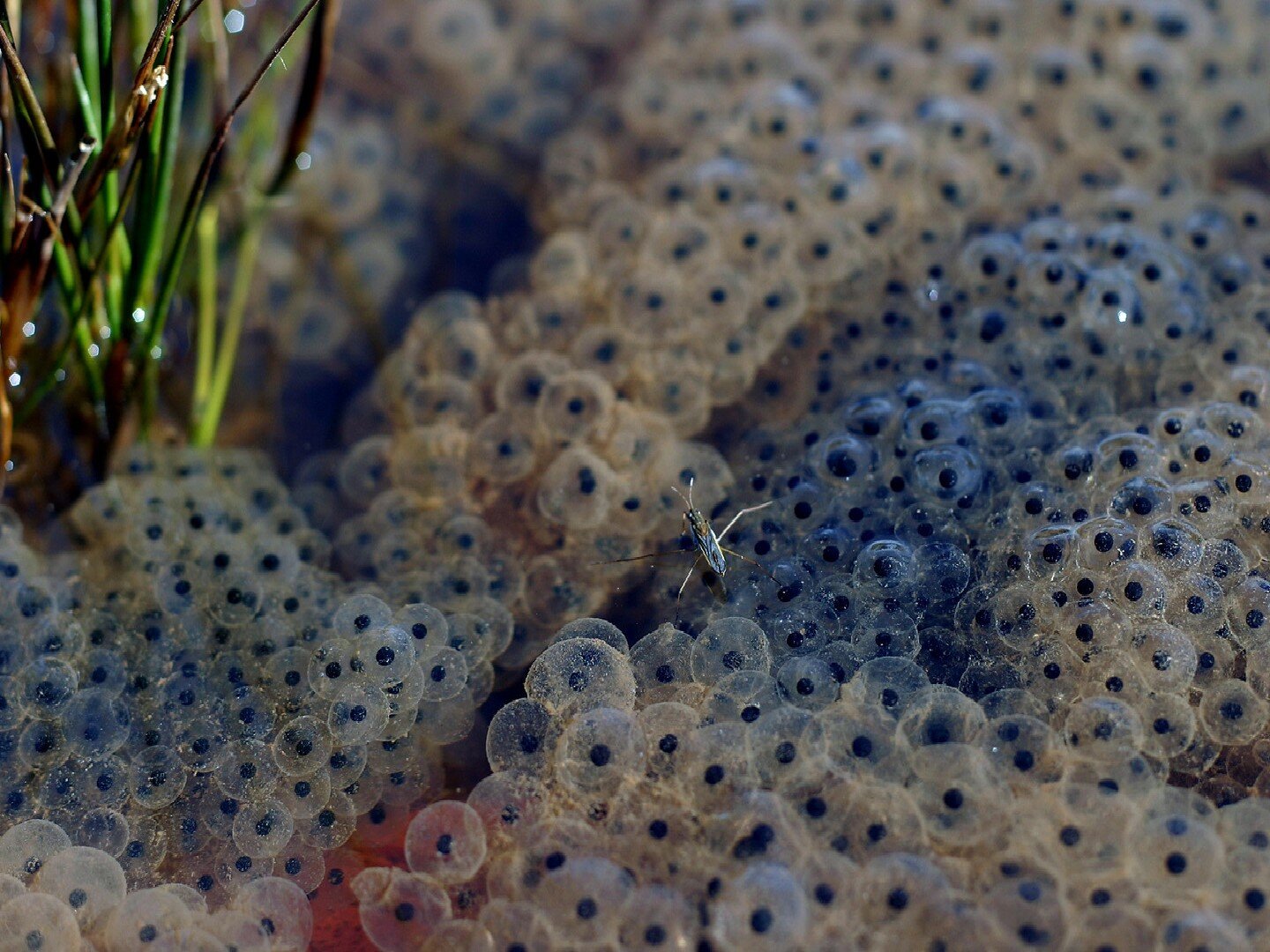
Insects, being food for a growing number of birds returning from warmer countries, wake up from winter sleep. Amphibians such as frogs and toads begin to croak and spawnspawn, from which new individuals will develop. Birds build nests and lay eggs. Spring is ideal for animals for breeding, because they have a large amount of food.
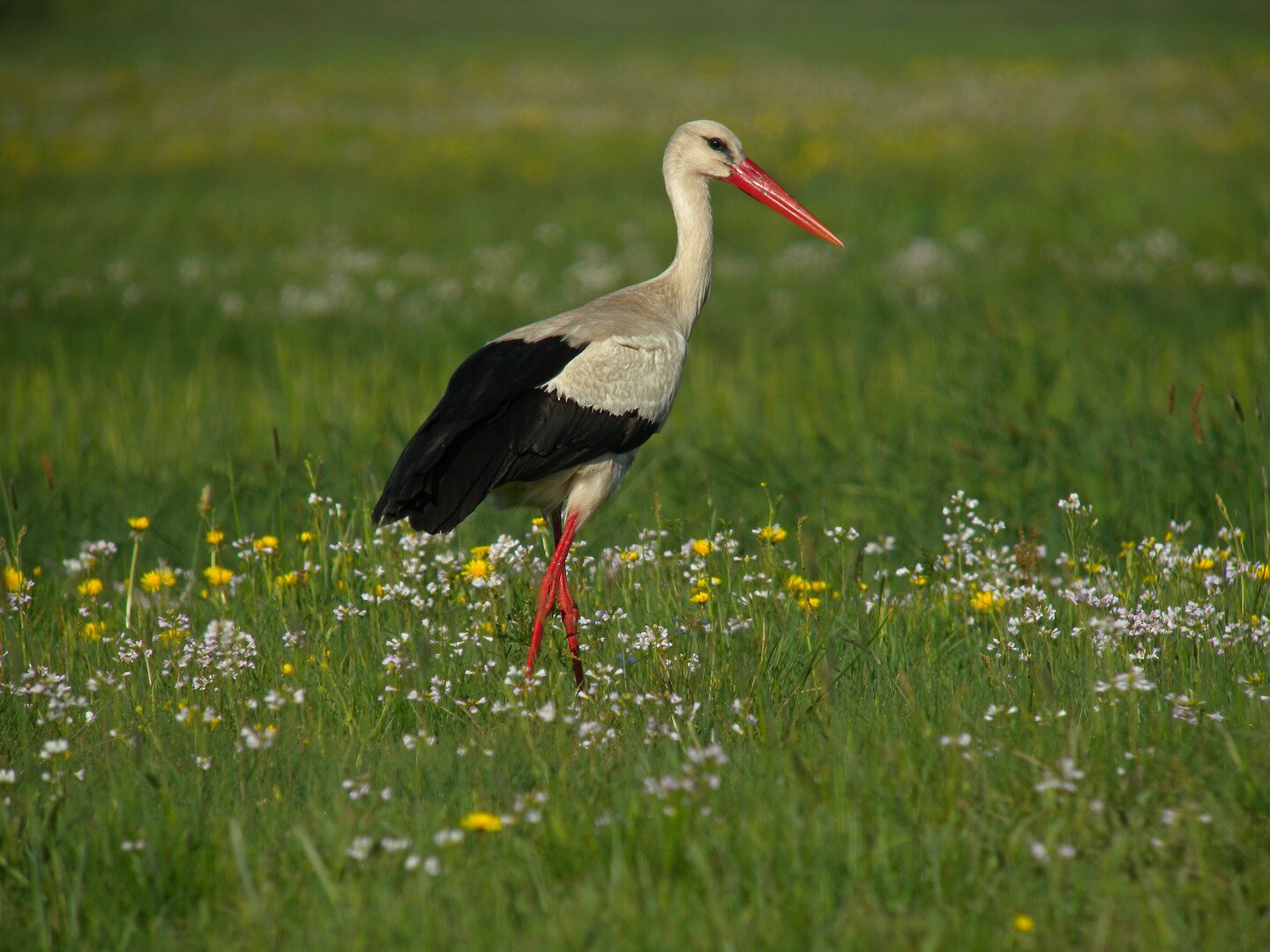
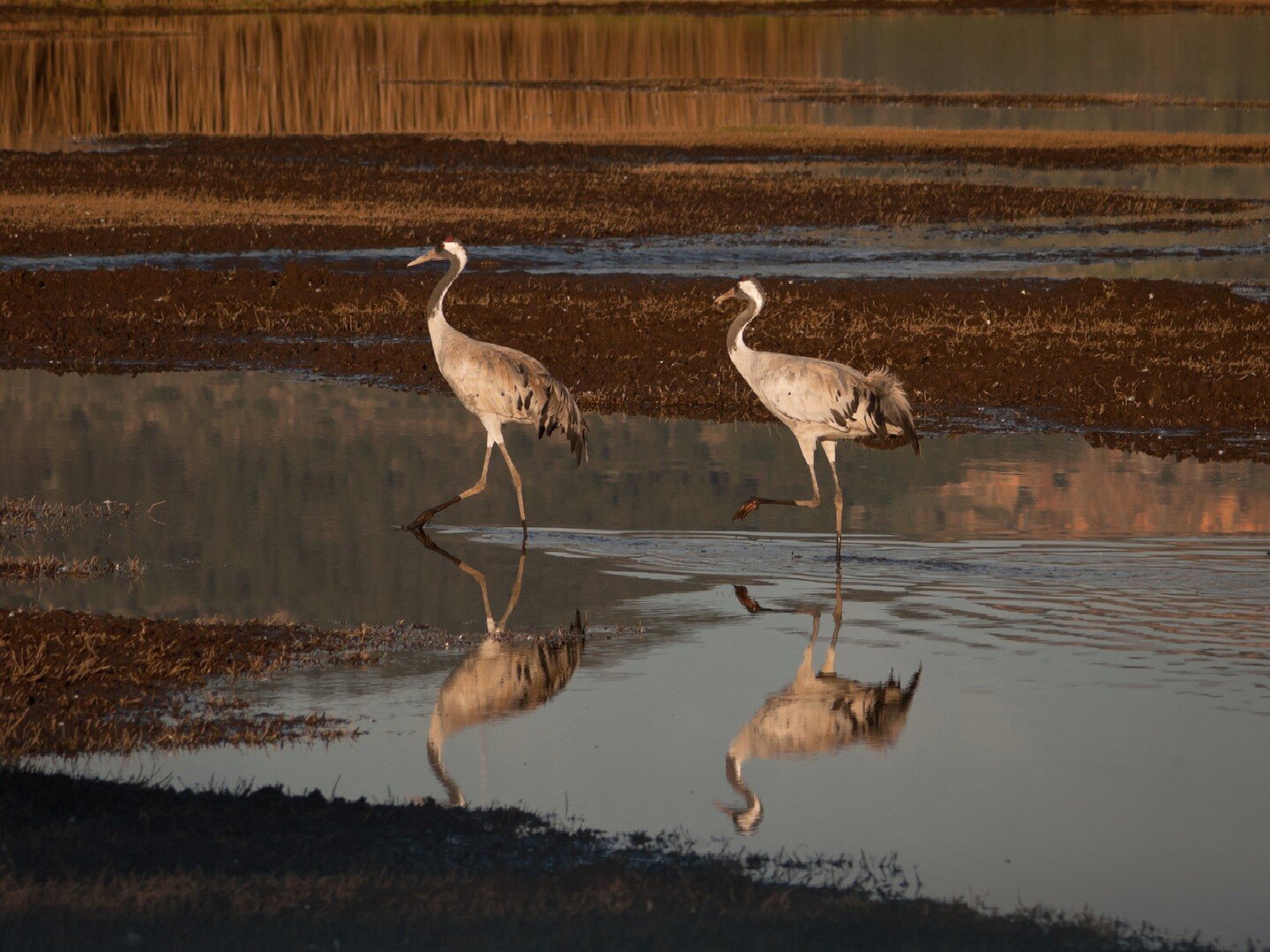
Consider why the advent of frost in late spring is dangerous for the soft, green parts of plants.
The fullness of life – nature in summer
Calendar summer starts on June 22. This is the hottest period of the year. The days are long, often hot, and the nights are warm. So it is the time most favorable for the development of plants. Many of them bloom then, others are beginning to bear fruit.
The lush development of vegetation favors herbivorous animals, including insects. Birds that flew in the spring now have the best conditions to bring up their offspring. Many other animals also enjoy the richness of food and good weather. They are eating up to store in their bodies fat for the winter. In mammals, the young are growing fast and learning the survival skills of their parents.
Summer is the time of harvest and field work. Animals that have learned to use human activity can count on an abundance of food. During harvests, it is also easier for predators to get food, because the burrows of small animals are uncovered and you can hunt for something faster.
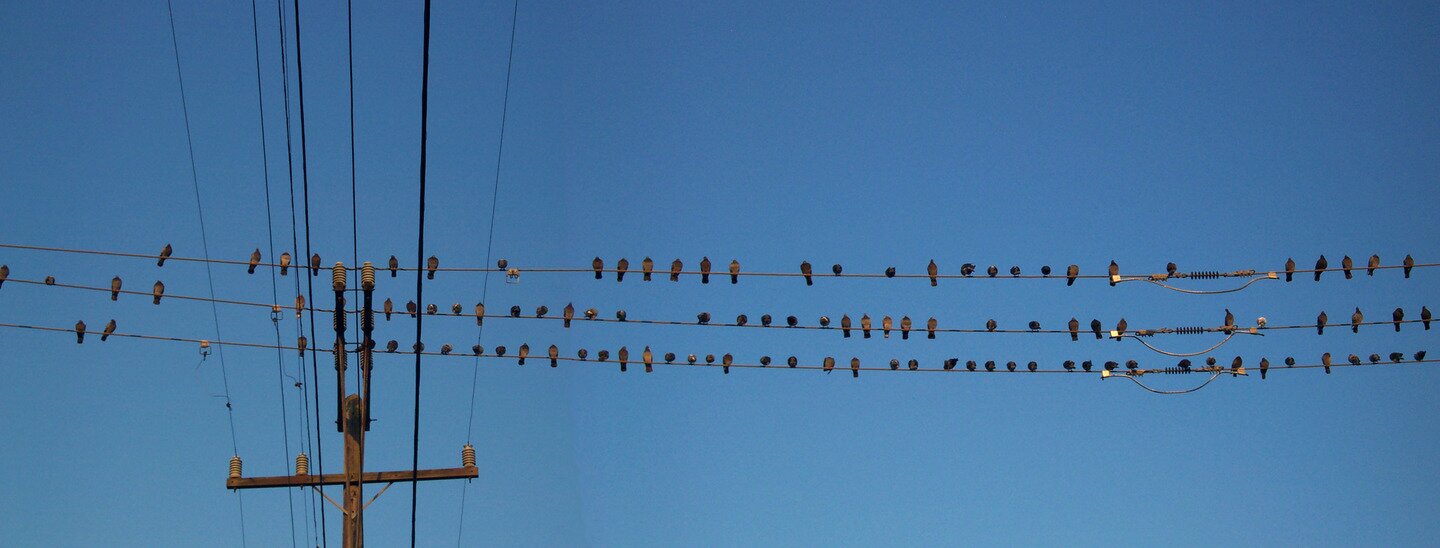
At the end of summer, when the chicks are brought up, feathered and can fly, the birds gather in large groups and prepare for departure. It is during this period that you can observe ‘clouds’ of starlings and swallows hanging on trees and electric wires.
Take care during the summer
Hot days and abundance of food are also good for animals that may be dangerous to us. When going on a trip, it is worth taking with you mosquito and tick repellent. After returning from the forest, you should carefully examine your body, especially those parts that were exposed. If you find a tick, you have to go to the doctor and ask him to remove it as soon as possible. Ticks can carry dangerous diseases.
You should also not eat unwashed fruit. They may contain different larvae of parasitesparasites. Be careful of bees and wasps. It is better to avoid these insects – you can accidentally hit them and irritate them.
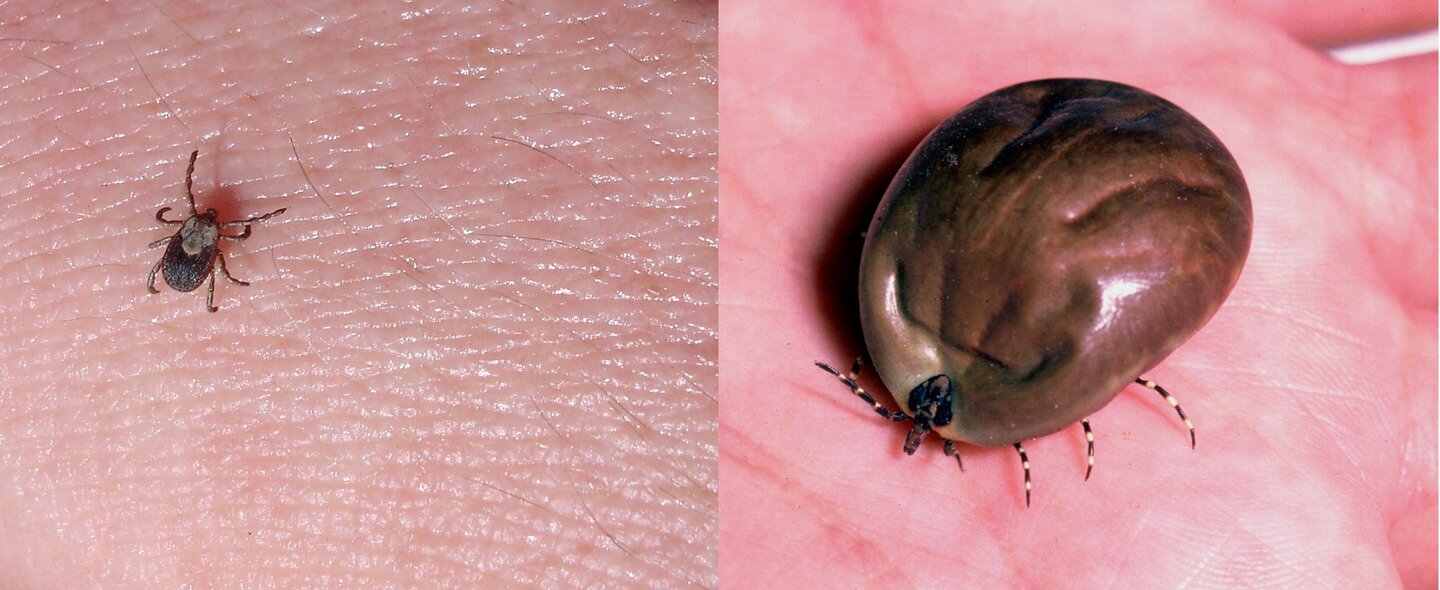
Indicate an organism that can transmit diseases that are dangerous for human life.
- hornet
- wasp
- tick
- viper
Summary
Longer days and higher temperatures in spring favor the release of leaves by plants and germination of seeds.
Higher temperature and vegetation development improve the living conditions of herbivorous animals, and thus predators that feed on them.
Summer is the period of the highest air temperature. This is the time when animals have no problems finding food.
Keywords
spring, summer, tick
Glossary
pasożyt – organizm, który nie zdobywa pokarmu samodzielnie, lecz posila się kosztem innego organizmu, zwanego żywicielem; pasożyt ma korzyści ze współżycia, natomiast żywiciel ponosi szkody
przedwiośnie – klimatyczna pora roku na przełomie zimy i wiosny, charakteryzująca się temperaturą powietrza w granicach 0–5°C, stopniowo rosnącą; z rzadka pojawiają się jeszcze przymrozki; dni stają się coraz dłuższe
skrzek – skupisko jaj płazów (np. żab i ropuch), w którym jaja otoczone są wspólną galaretowatą otoczką chroniącą je przed niekorzystnymi warunkami środowiska