Compare the features of the nouns in Polish and English. Match the elements. Nouns in Polish Możliwe odpowiedzi: 1. they can have irregular plural form, 2. regular plural is created by adding the suffix -s, 3. they decline according to the number, 4. do not have the grammatical gender, 5. they can be a subject in a sentence, 6. decline Nouns in English Możliwe odpowiedzi: 1. they can have irregular plural form, 2. regular plural is created by adding the suffix -s, 3. they decline according to the number, 4. do not have the grammatical gender, 5. they can be a subject in a sentence, 6. decline Common features of Polish and English nouns Możliwe odpowiedzi: 1. they can have irregular plural form, 2. regular plural is created by adding the suffix -s, 3. they decline according to the number, 4. do not have the grammatical gender, 5. they can be a subject in a sentence, 6. decline
Compare the features of the nouns in Polish and English. Match the elements. Nouns in Polish Możliwe odpowiedzi: 1. they can have irregular plural form, 2. regular plural is created by adding the suffix -s, 3. they decline according to the number, 4. do not have the grammatical gender, 5. they can be a subject in a sentence, 6. decline Nouns in English Możliwe odpowiedzi: 1. they can have irregular plural form, 2. regular plural is created by adding the suffix -s, 3. they decline according to the number, 4. do not have the grammatical gender, 5. they can be a subject in a sentence, 6. decline Common features of Polish and English nouns Możliwe odpowiedzi: 1. they can have irregular plural form, 2. regular plural is created by adding the suffix -s, 3. they decline according to the number, 4. do not have the grammatical gender, 5. they can be a subject in a sentence, 6. decline
Compare the features of the nouns in Polish and English. Drag the elements to the right places.
they can be a subject in a sentence, decline, they decline according to the number, they can have irregular plural form, do not have the grammatical gender, regular plural is created by adding the suffix -s
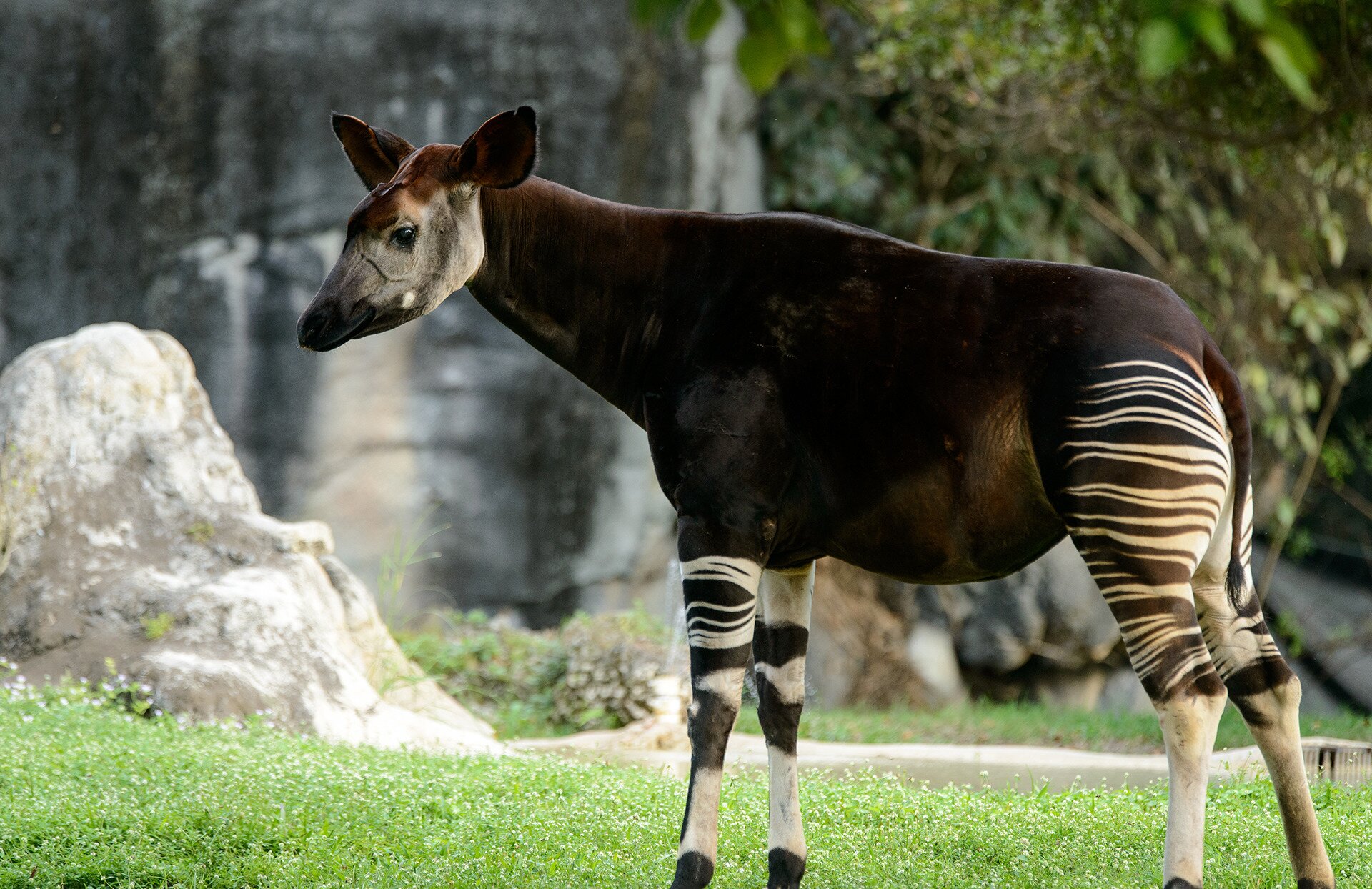
The name of an animal – okapi is indeclinableindeclinableindeclinable. It comes from the language of the African tribetribetribe Mbuba. Okapi is a mammalmammalmammal and despite of having stripes that remind zebra’s fur, it is more related to the giraffes. For centuries (up to 1901, when it was discovered by Europeans) okapi was known only to the local people living in the jungle in the Kongo River basin. Other indeclinable names of exotic animals include:
RygtQa8b49SqH
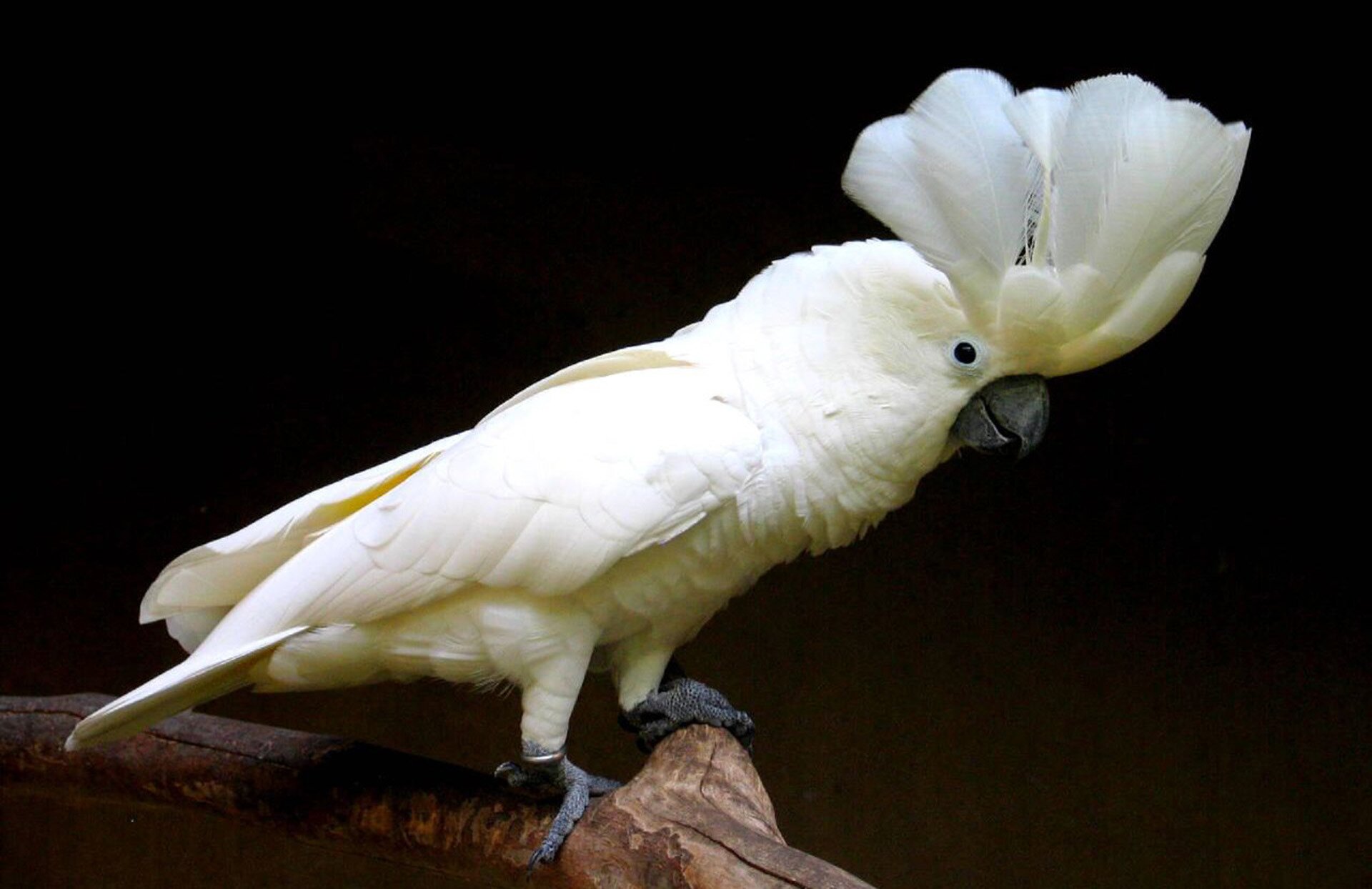
Kakadu. Fotografia przedstawia papugę kakadu. Jest ona koloru kremowo-białego, ma czarny dziób i czarne łapy. Na głowie ma sterczący kremowo-biały pióropusz.
Kakadu
Source: licencja: CC BY 2.0, [online], dostępny w internecie: www.viajar24h.com.
RcJfuLttDcCxA
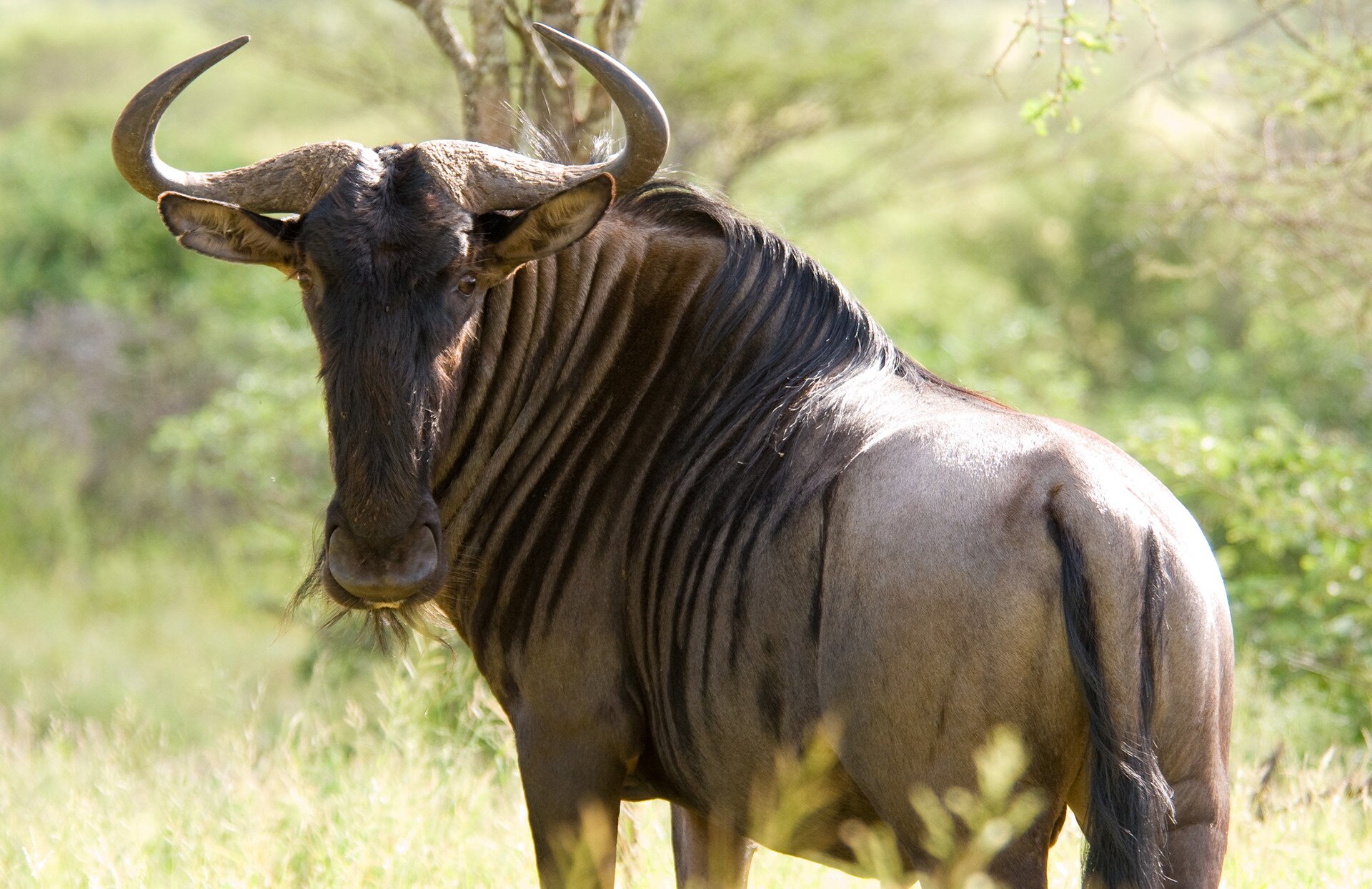
Fotografia barwna przedstawiająca antylopę gnu. Antylopa ma rozłożyste i zakręcone w górę rogi i podłużny pysk. Mocny, gruby kark przykrywa rzadka grzywa.
Gnu
Source: Chris Eason, licencja: CC BY 2.0.
Ri9rUEwBbP2ge
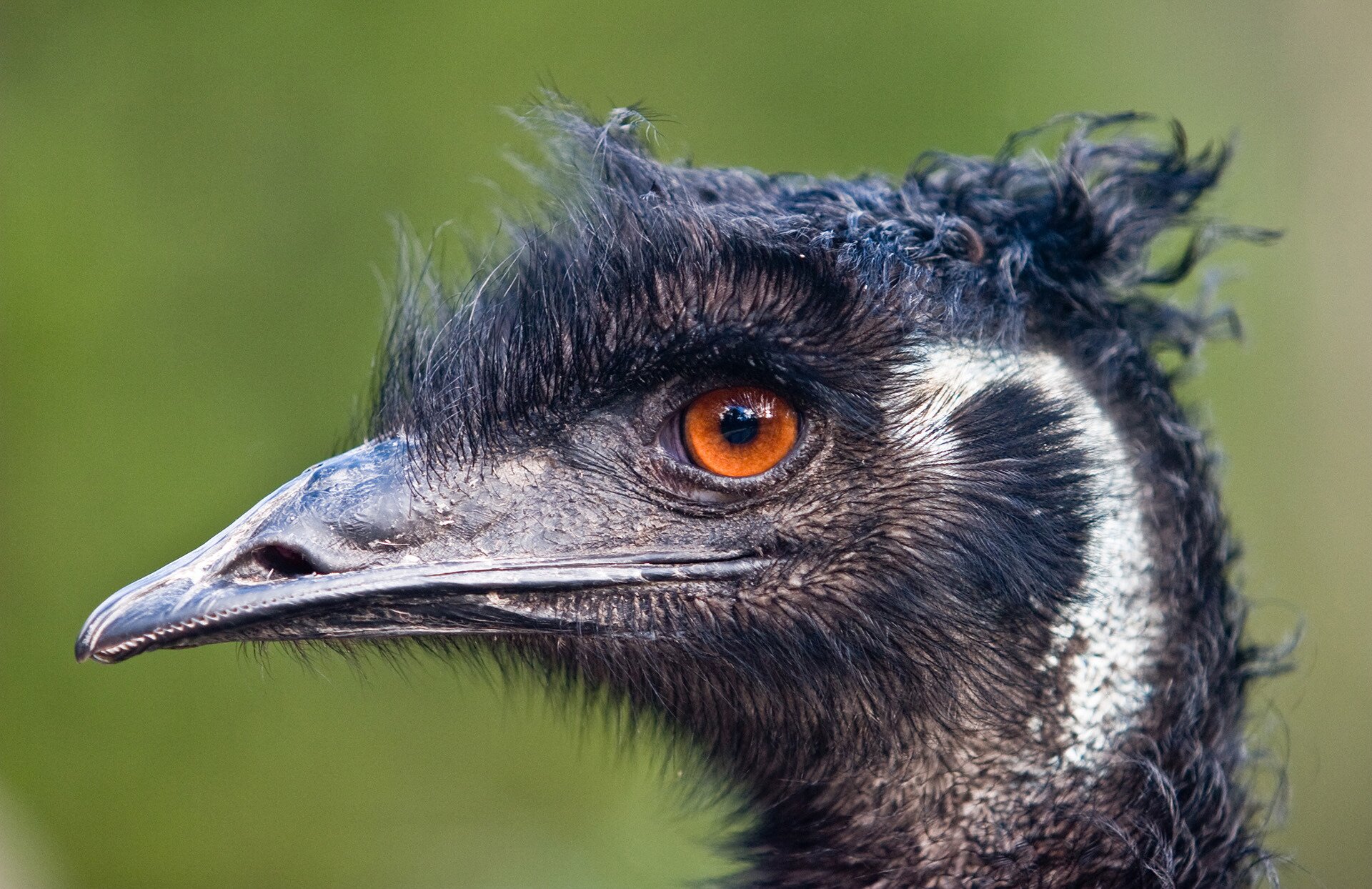
Fotografia barwna przedstawiająca głowę ptaka emu. Emu ma pomarańczowe oko, czarny dziób i jest czarno upierzone. Za okiem ma falę z jaśniejszego, białego upierzenia.
Emu
Source: Diliff, licencja: CC BY-SA 3.0.
RhUKKS9qyMCn9
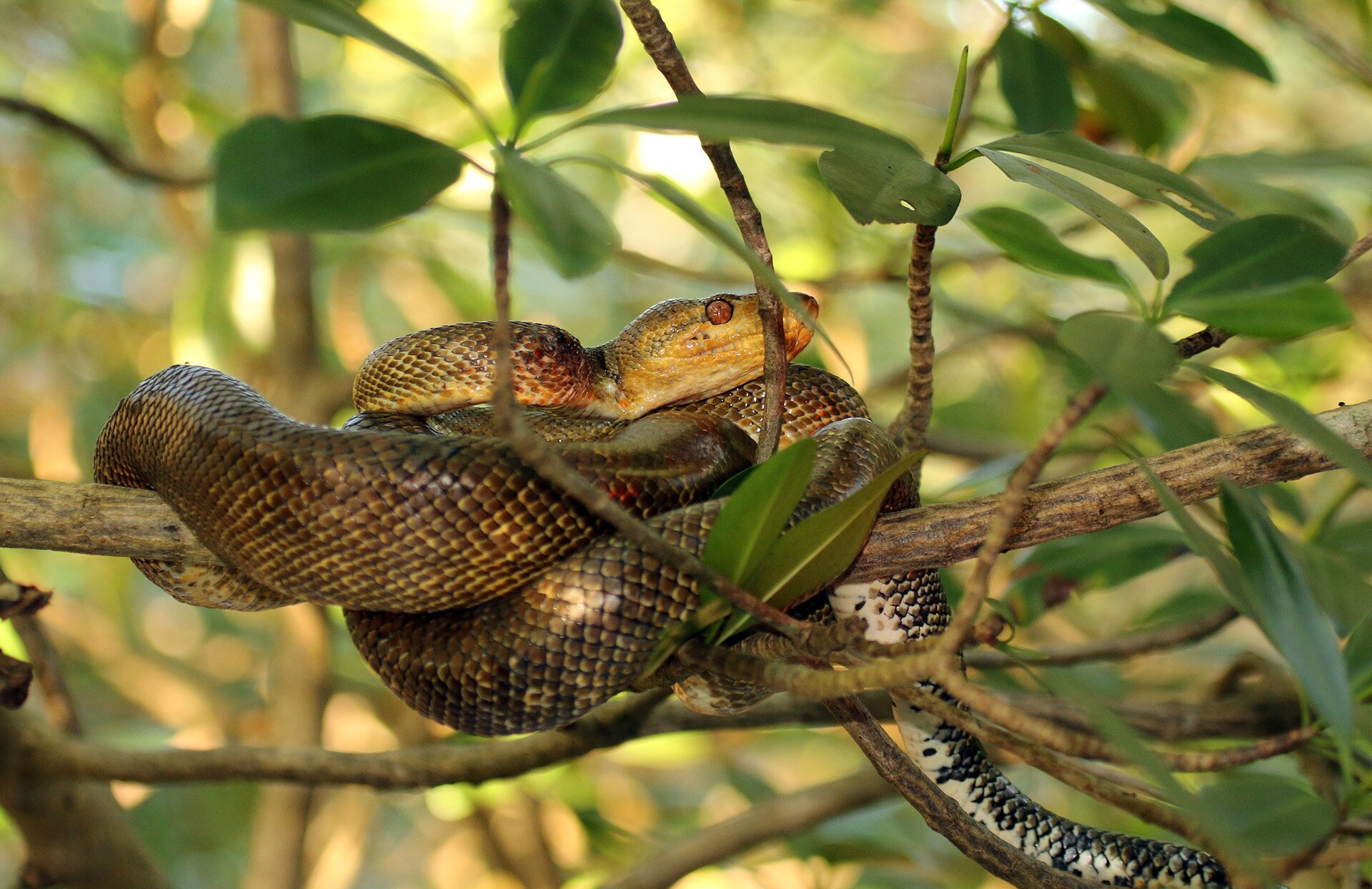
Fotografia barwna przedstawiająca węża boa wylegującego się na gałęzi drzewa. Boa ma jasne, pomarańczowe oko i jasne łuski. Na końcu ogona widać fragment rozmytego ciemniejszego wzoru. Wąż jest zwinięty w precel.
Boa
Source: licencja: CC BY-SA 4.0.
RkTK6sYDkVnMA
Fotografia barwna przedstawiająca okapi. Jest to zwierzę kopytne o ciemnym, brązowym umaszczeniu. Tylne nogi od kopyt do końca ud są w paski, podobnie przednie nogi okapi są paskowane w środkowej części. Okapi ma mały ogon i stosunkowo niewielką głowę z jaśniejszym pyskiem i sterczącymi na boki uszami.
Okapi
Source: Eric Kilby, licencja: CC BY-SA 2.0.
RswTjwZJdOhsu
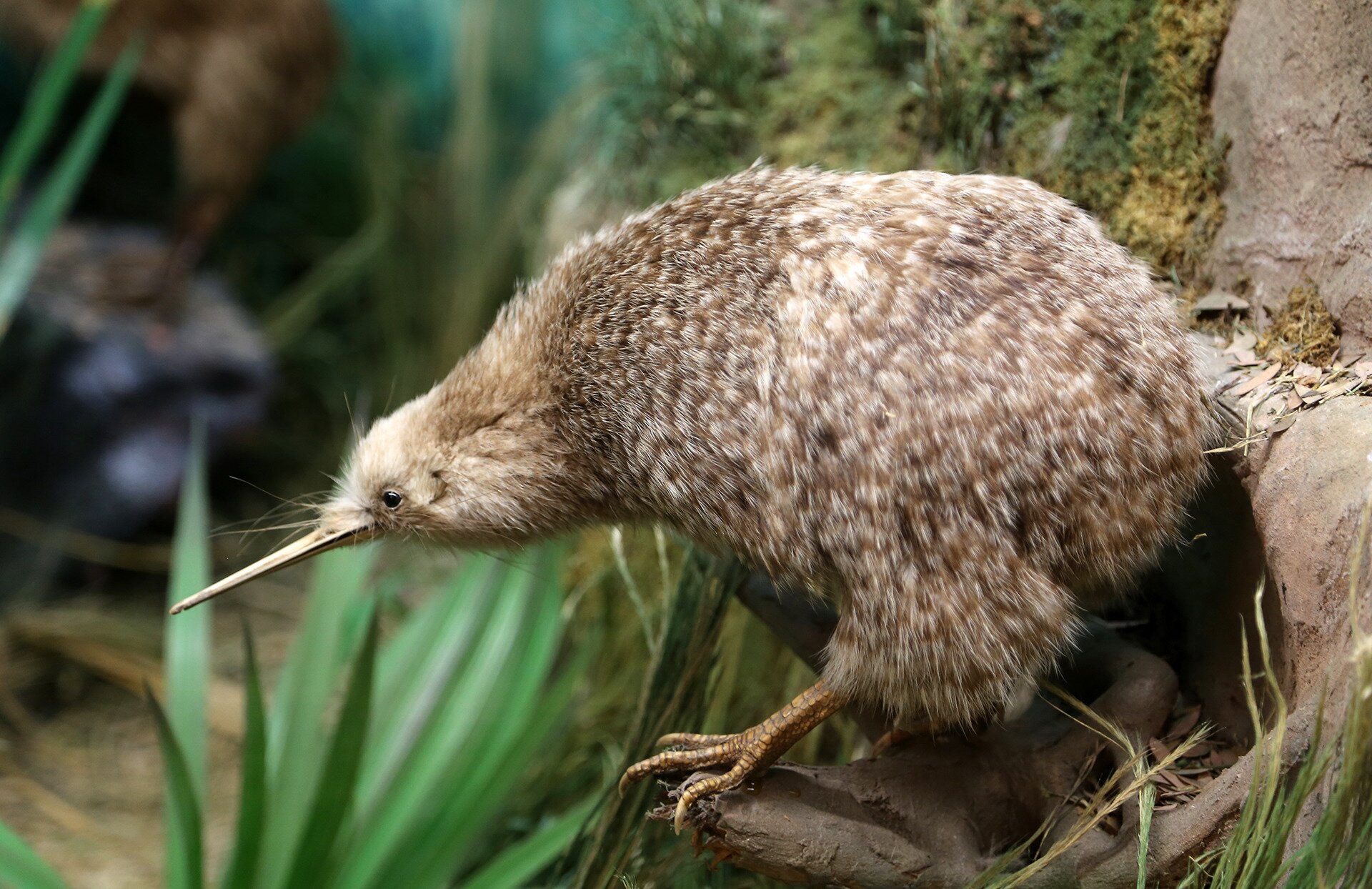
Fotografia barwna przedstawiająca ptaka kiwi. Ptak ten jest niewielki, nie widać u niego skrzydeł, gdyż pióra sprawiają wrażenie puchatej, nakrapianej sierści. Kiwi ma mocne, krótkie ciało i małą głowę. Jego dziób jest długi i ostry. Kolor upierzenia ma beżowo-brązowy, nakrapiany.
Kiwi
Source: licencja: CC BY 2.0.
Exercise 3
Which names of animals listed in the gallery are the same in Polish and English language? Look at the list of Polish nouns. Find their translation in the Polish‑English dictionary and write it in your notebook.
kakadu
gnu
emu
boa
okapi
kiwi
RyAX1N4MviOnP
Wykonaj ćwiczenie zgodnie z poleceniem.
Wykonaj ćwiczenie zgodnie z poleceniem.
Exercise 4
Create the plural form of the given nouns. Which of the following nouns have unusual plural form?
RUhPKvfKWSoza
Wykonaj ćwiczenie zgodnie z poleceniem
Polish nouns: człowiek, rok, przyjaciel, oko, pies (Uzupełnij). English nouns: mouse, sheep, tooth, daughter, child (Uzupełnij).
Wykonaj ćwiczenie zgodnie z poleceniem
Polish nouns: człowiek, rok, przyjaciel, oko, pies (Uzupełnij). English nouns: mouse, sheep, tooth, daughter, child (Uzupełnij).
RpRGhdta2ukSo
Exercise 5
Check in the Polish-English Dictionary and find the English equivalents of Polish nouns ending with -um. Words that have the same ending in English: akwarium - Tu uzupełnij atrium - Tu uzupełnij Bizancjum - Tu uzupełnij aluminium - Tu uzupełnij muzeum - Tu uzupełnij Words that have different ending in English: centrum - Tu uzupełnij imperium - Tu uzupełnij epicentrum - Tu uzupełnij
Check in the Polish-English Dictionary and find the English equivalents of Polish nouns ending with -um. Words that have the same ending in English: akwarium - Tu uzupełnij atrium - Tu uzupełnij Bizancjum - Tu uzupełnij aluminium - Tu uzupełnij muzeum - Tu uzupełnij Words that have different ending in English: centrum - Tu uzupełnij imperium - Tu uzupełnij epicentrum - Tu uzupełnij
Check in the Polish-English Dictionary and find the English equivalents of Polish nouns ending with -um.
Words that have the same ending in English:
akwarium - ................
atrium - ............
Bizancjum - ..................
aluminium - ..................
muzeum - ............
Words that have different ending in English:
centrum - ............
imperium - ............
epicentrum - ..................
Latin
RKs5JxZCTJ1pi1
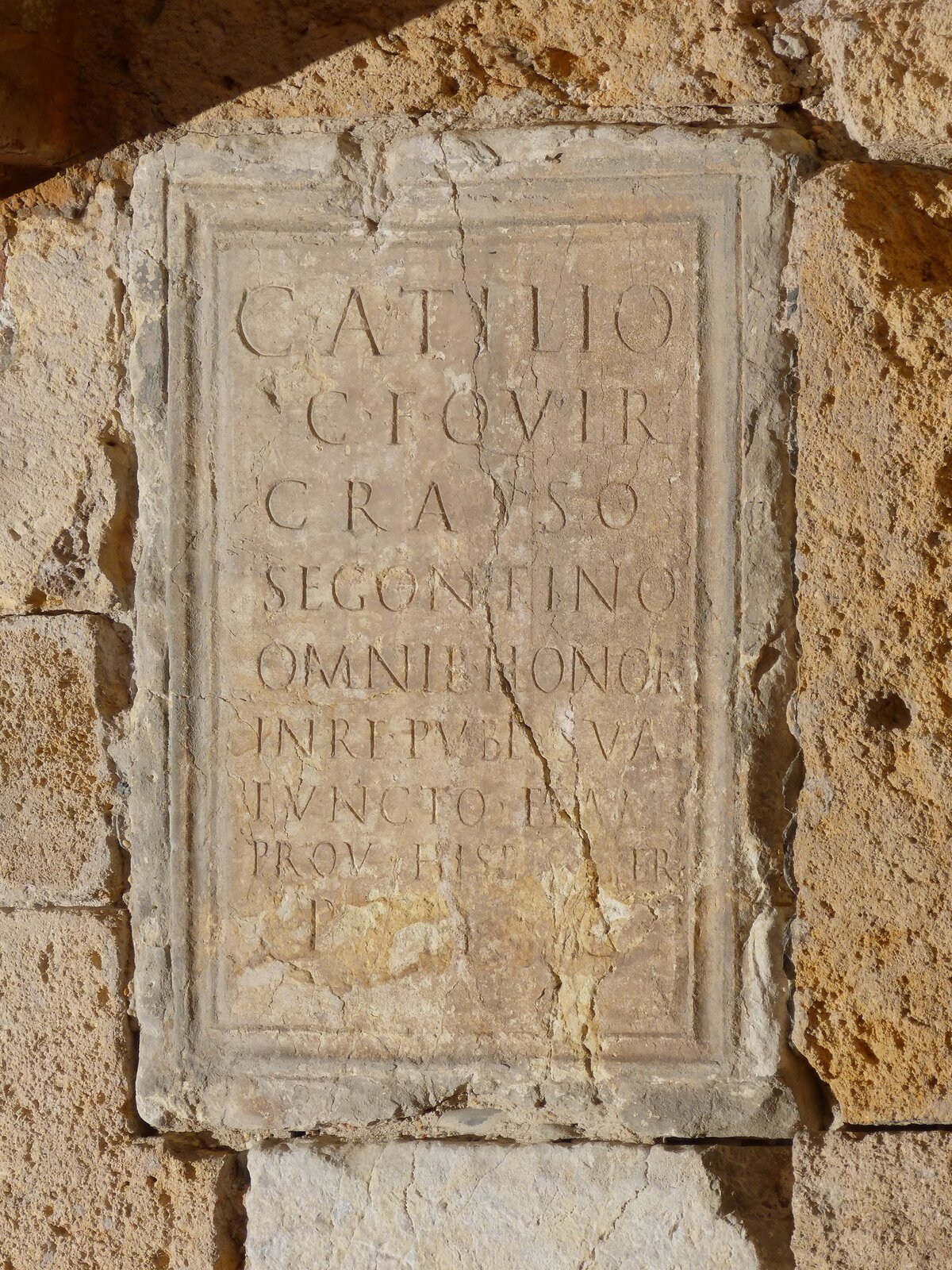
Fotografia barwna przedstawiająca starą tablicę z łacińskim napisem. Tablica jest wmurowana w ścianę, jest popękana. Ma kolor beżowy.
Tombstone with Latin inscription
Source: domena publiczna.
LatinLatinLatin is the native language of Romans. It had a great influence on all the European languages including Polish and English. Up to the 18th century Latin was commonly used in Europe for international communication, and also in science, culture and art. Nowadays Latin is still used, however in a limited version, in many fields of science. Scientific and technical terminology is usually based on Latin. Latin is also used in media and mass culture. Nouns that end with –um originate from Latin.
Rp001oSEgQdoY1
Exercise 6
Decline the word: “liceum” in the singular and plural. If you are not sure, check in the comprehensive Polish language dictionary. (uzupełnij)
Decline the word: “liceum” in the singular and plural. If you are not sure, check in the comprehensive Polish language dictionary. (uzupełnij)
Decline the word: “liceum” in the singular and plural. If you are not sure, check in the comprehensive Polish language dictionary.
Grammatical case
Singular
Plural
M.
D.
C.
B.
N.
Mc.
W.
Exercise 7
Give three other nouns that end with –um. What can you say about the declination of such nouns? Write the rule in your notebook.
R1Cmh9KmWZPRQ
Exercise 8
Some Polish nouns do not decline according to the number - they have just only singular or only plural form. Look at the nouns and divide them into groups. Nouns that have only singular form Możliwe odpowiedzi: 1. trojaczki, 2. sanki, 3. pokora, 4. młodzież, 5. szacunek, 6. listowie, 7. perfumy, 8. młodość, 9. imieniny, 10. prasa, 11. oświadczyny, 12. zawiść, 13. skrzypce, 14. drzwi Nouns that have only plural form Możliwe odpowiedzi: 1. trojaczki, 2. sanki, 3. pokora, 4. młodzież, 5. szacunek, 6. listowie, 7. perfumy, 8. młodość, 9. imieniny, 10. prasa, 11. oświadczyny, 12. zawiść, 13. skrzypce, 14. drzwi
Some Polish nouns do not decline according to the number - they have just only singular or only plural form. Look at the nouns and divide them into groups. Nouns that have only singular form Możliwe odpowiedzi: 1. trojaczki, 2. sanki, 3. pokora, 4. młodzież, 5. szacunek, 6. listowie, 7. perfumy, 8. młodość, 9. imieniny, 10. prasa, 11. oświadczyny, 12. zawiść, 13. skrzypce, 14. drzwi Nouns that have only plural form Możliwe odpowiedzi: 1. trojaczki, 2. sanki, 3. pokora, 4. młodzież, 5. szacunek, 6. listowie, 7. perfumy, 8. młodość, 9. imieniny, 10. prasa, 11. oświadczyny, 12. zawiść, 13. skrzypce, 14. drzwi
Some Polish nouns do not decline according to the number - they have just only singular or only plural form. Look at the nouns and divide them into groups. Drag the elements to the right place
Basing on today’s lesson create the mind map that will summarise the peculiarities in nouns declination. Write it in your notebook. You can also prepare a short note about it.
Exercise 11
Think about today’s lesson. Did you like it? Finish sentences.
R1EXhtpDpPTY1
Wykonaj ćwiczenie zgodnie z poleceniem.
Think about today’s lesson. Did you like it? Finish sentences. Today I have learnt... Things that interested me... I would like to know more about... I need to repeat...
Wykonaj ćwiczenie zgodnie z poleceniem.
Think about today’s lesson. Did you like it? Finish sentences. Today I have learnt... Things that interested me... I would like to know more about... I need to repeat...
Keywords
parts of speech, noun, grammatical gendergrammatical gendergrammatical gender, grammatical number, singular, plural, countable nouns, uncountable nouns, declination