Mammals
what the basic life functions of organisms are;
how to recognise selected groups of animals based on their internal structure;
how amphibians, reptiles and birds have adapted to living on land;
to name the structural characteristics of mammals;
to recognise selected mammals which live in Poland.
Characteristics of mammals
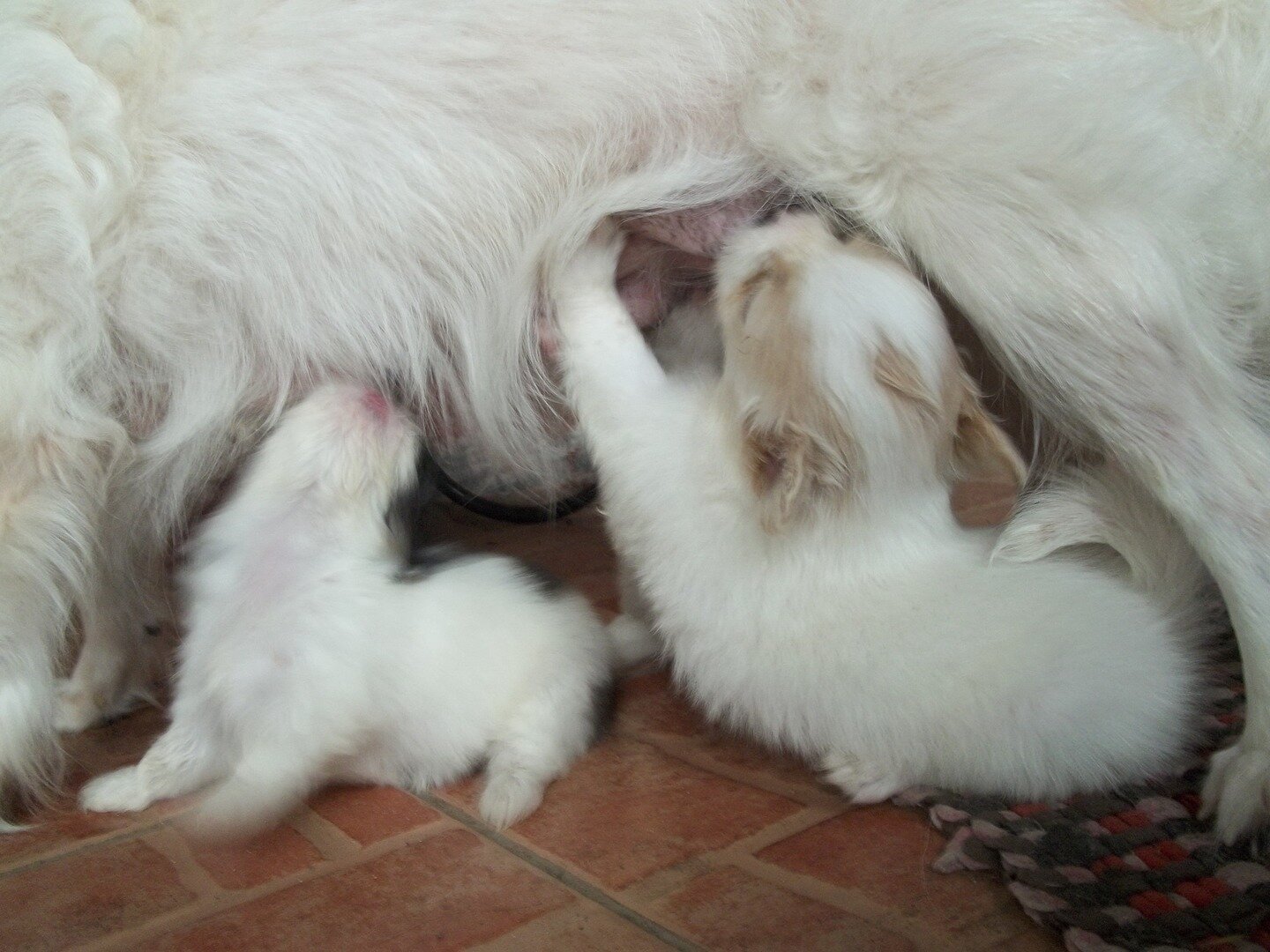
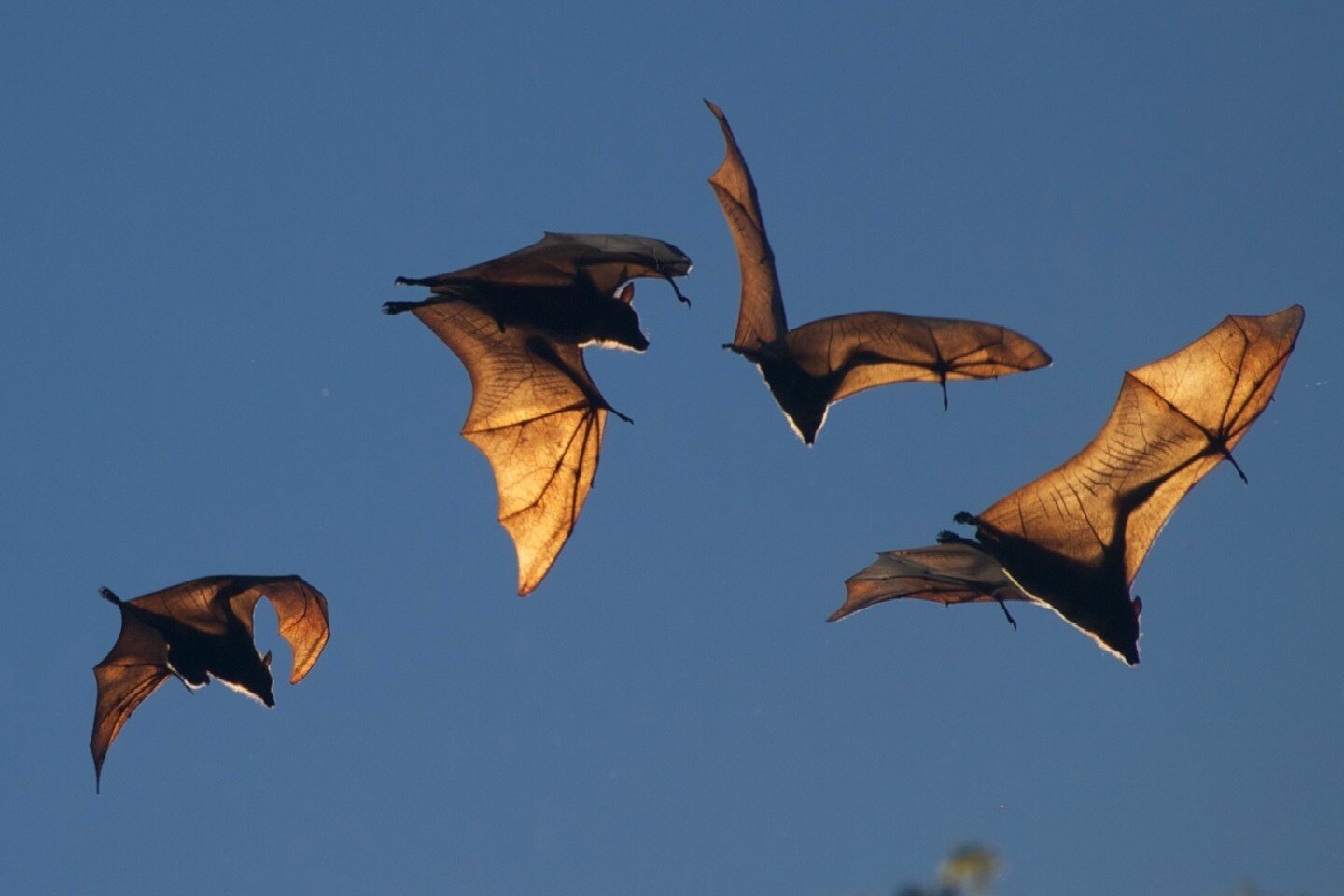
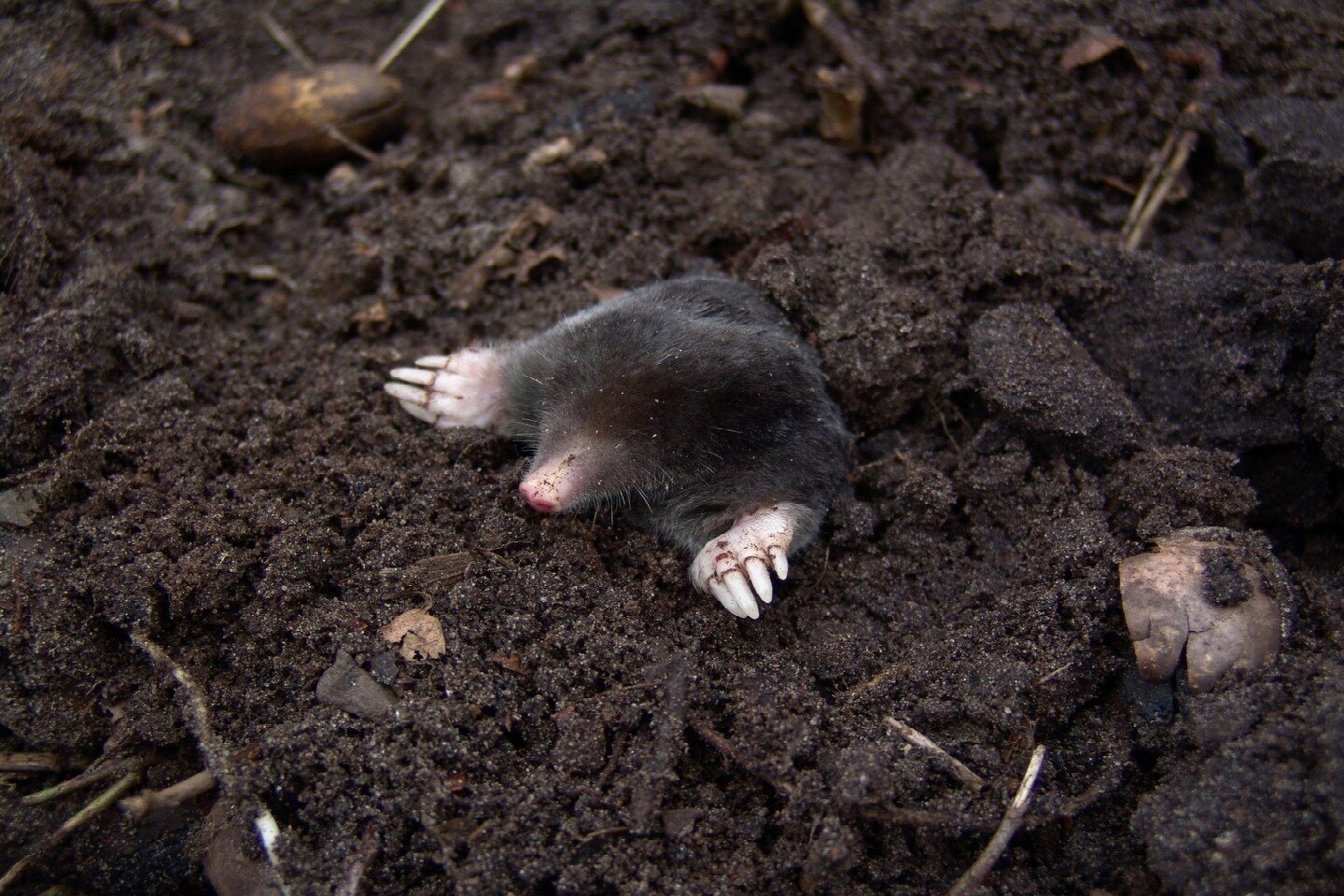
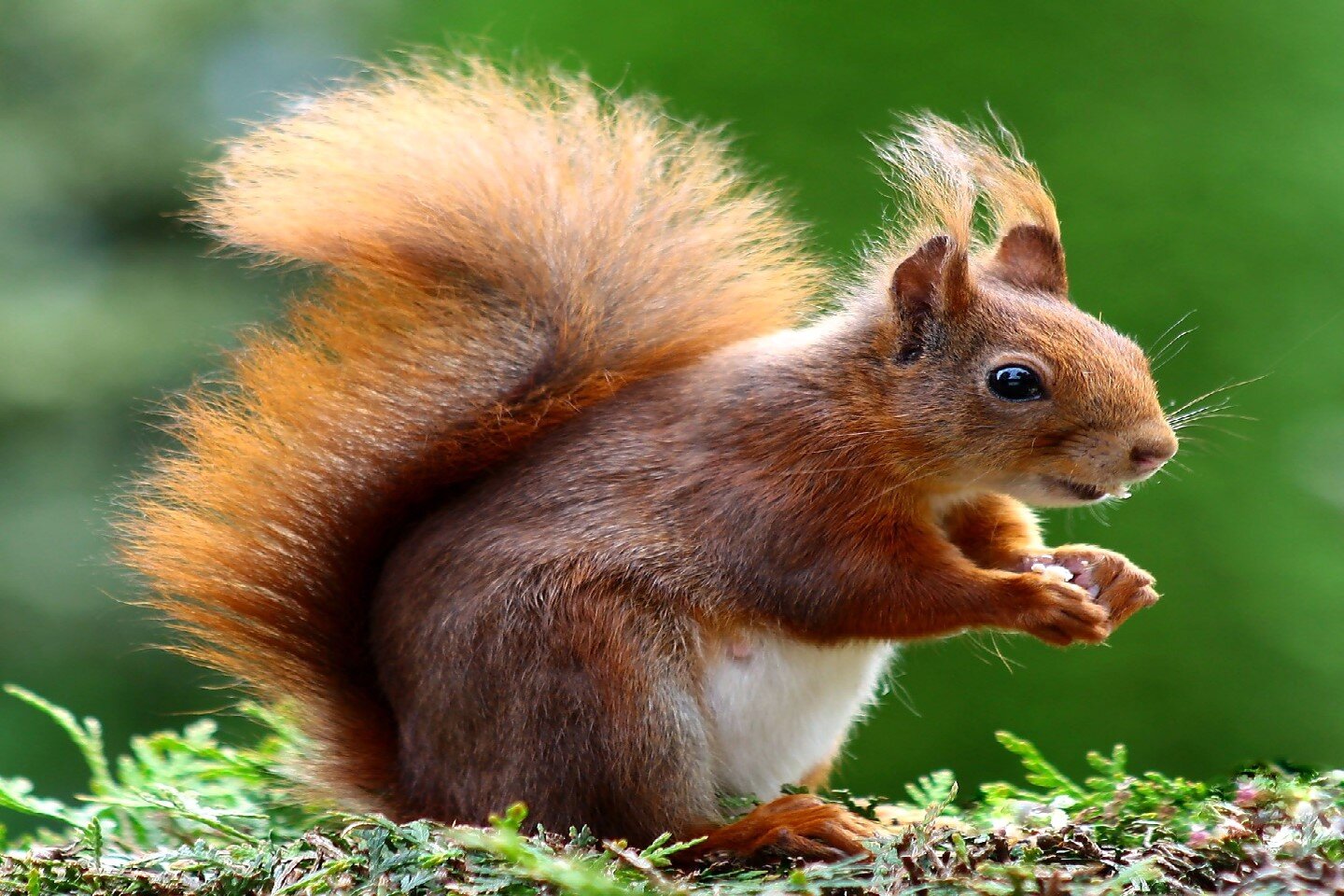
Mammals are animals which feed their young with milk – a secretion of nutrients produced in the mother's body. All mammals have four limbs. In flying mammals (for example, bats) the forelimbs are formed into wings. Mammals which dig in the ground (for example, moles) have wide forelimbs, which are short and strong. In certain marine mammals, the hind limbs have disappeared.
Mammals' bodies are covered in hairs, which grow out of their skin. They have an insulating function – they trap the heat produced in the body. Another characteristic of mammals is the presence in the skin of numerous glandsglands, which secrete various substances, for example, sweat. Mammals also have two types of teeth: the young have milk teeth, which are gradually exchanged for permanent teeth.
Mammals breathe with their lungs. They are warm‑blooded, meaning that a lot of the energy produced is used to warm their body. Because of this, they require more food than, for example, reptiles, but with it they are able to function in cold climates, for example, in the tundra. Almost all mammals are viviparous. After birth, the young are fed with milk, which is produced in the mother's milk glands. Mammals look after their offspring.
As a result of their characteristics, these animals have conquered all environments on Earth. They live on land, in trees, in the soil, in the water and in the air. The largest animals are the ocean‑dwelling blue whales, which are also mammals. Humans, who have conquered the whole Earth, and even flown into space, are also mammals.
Mammals in Poland
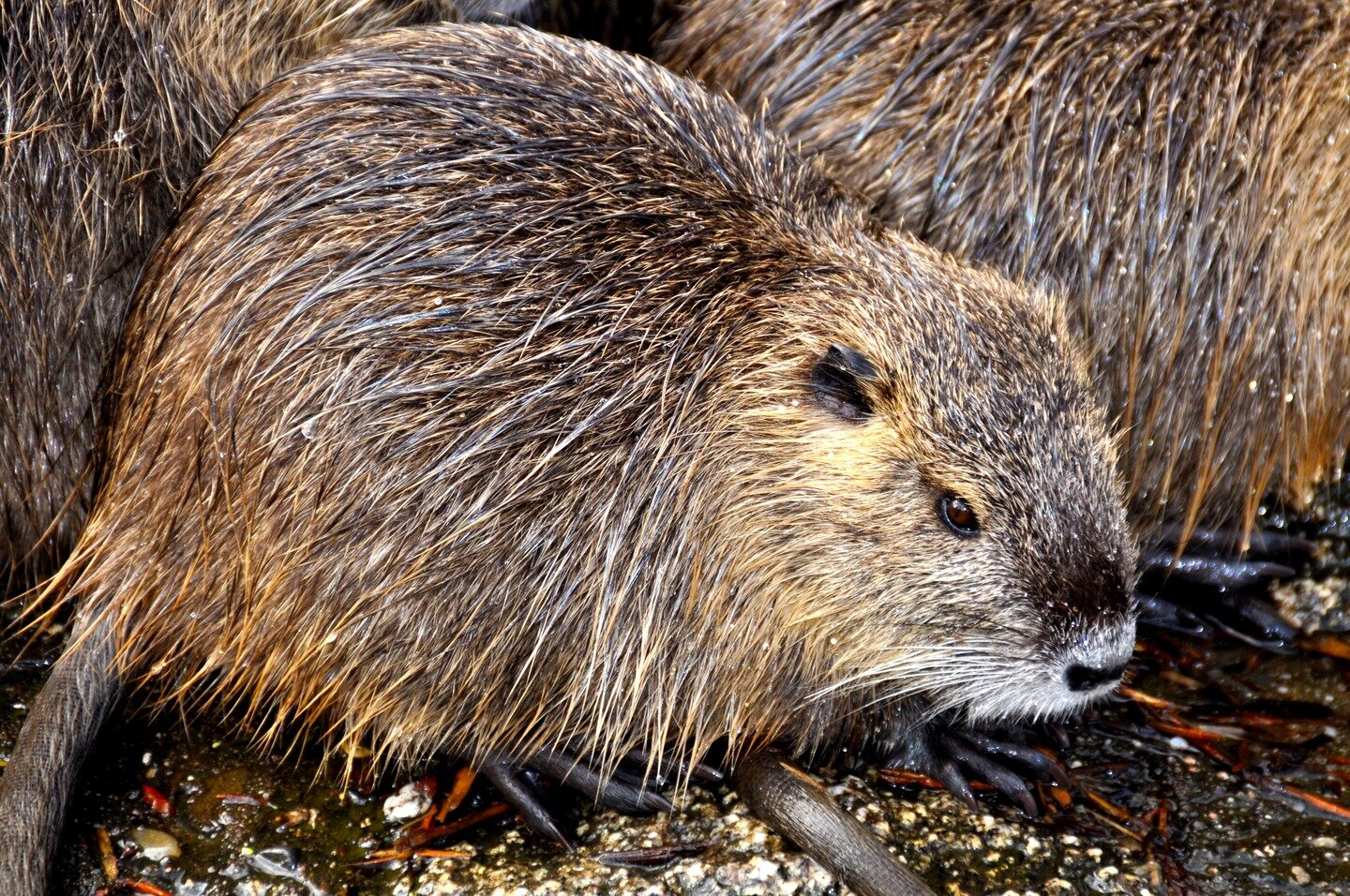
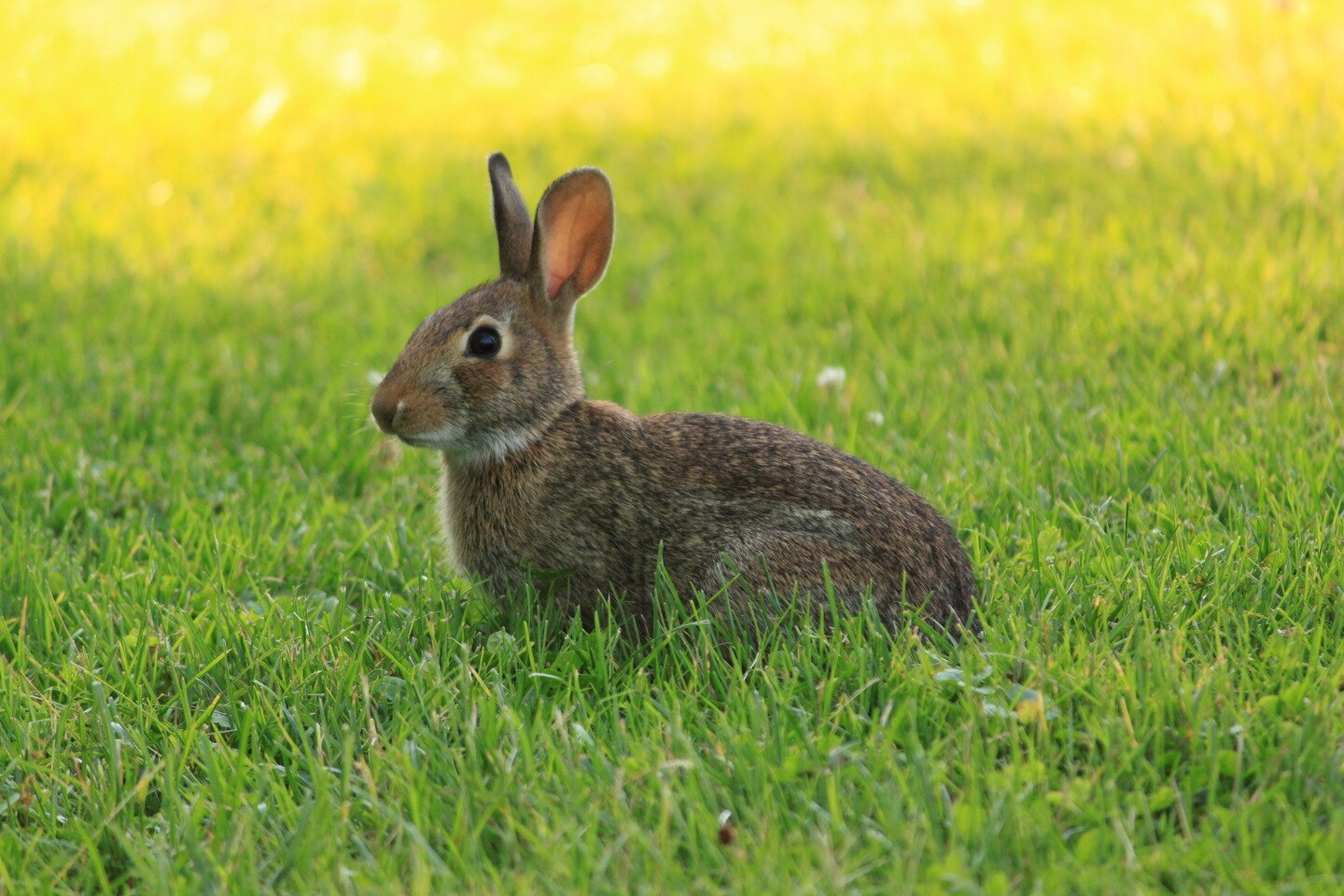
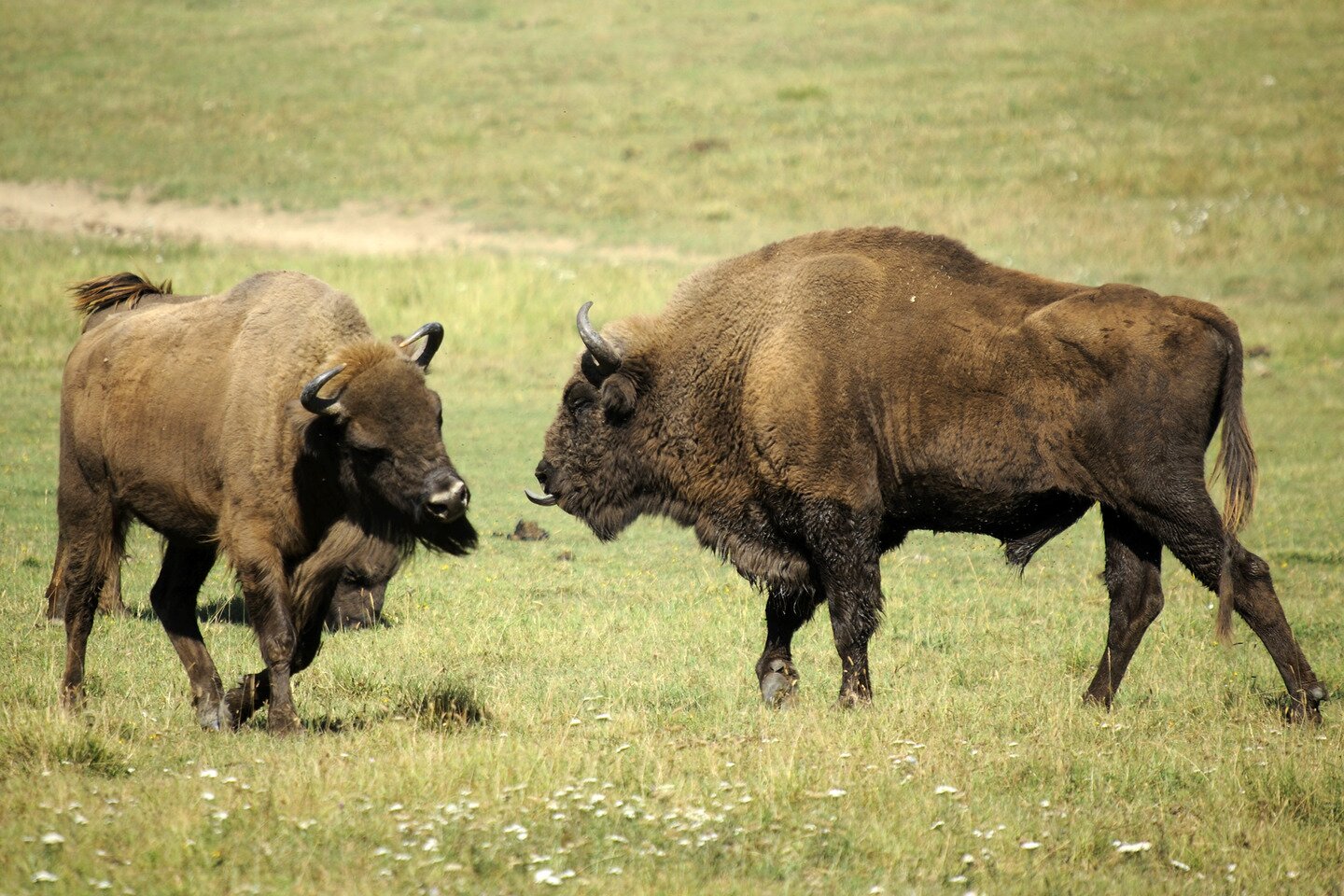
Over one hundred species of mammal live in natural conditions in the wild in Poland. They belong to several different groups. Small, insect‑eating mammals are, for example, moles and shrews, which are similar to mice. 25 species of flying mammal occur in Poland – bats. Bats can not only fly, but also use sounds to track and catch their prey. In fields all over the country we can find hares, and in the West of the country – rabbits. Rodents can be found in all environments, and include beavers, muskrats, voles, mice and rats. Among large herbivorous mammals, we can count ungulates, or animals with hooves (aurochs, boar, moose, deer and roe‑deer).
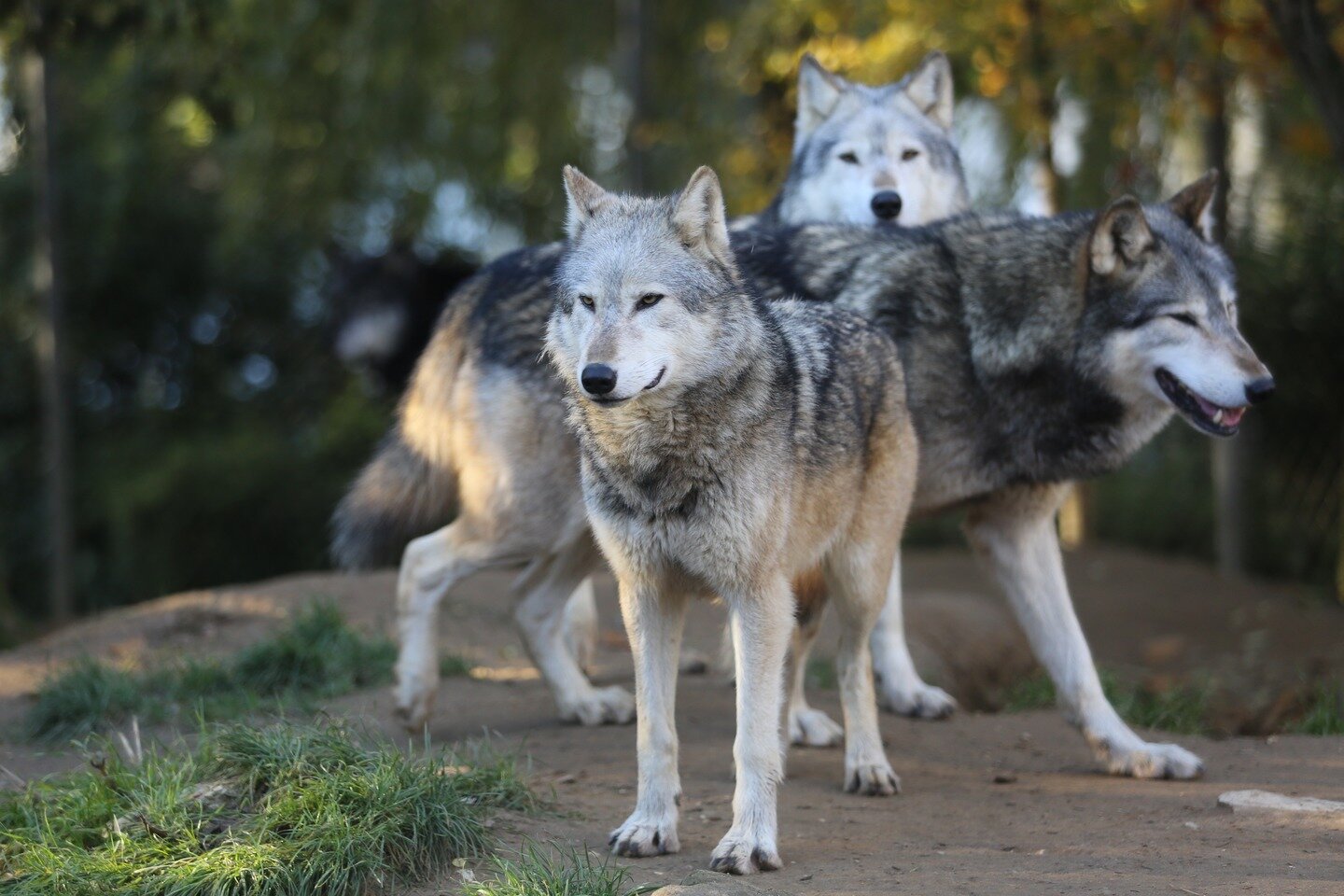
There are also predatory mammals living in Poland. Weasels, martens and foxes are common. There are far fewer large predators, such as wolves and bears. It is worth adding that seals can be found on the coasts of Poland. In the Polish waters of the Baltic Sea, porpoises occur – marine mammals which are similar to dolphins. Porpoises, however, lead more secretive lives, and have a more stocky body.
Match the characteristics of mammals to the verbs
glands, viviparous, drink milk, 4 limbs, live everywhere, hairs, warm-blooded, a variety of teeth
| They have | |
|---|---|
| They can | |
| They are |
Summary
Mammals are animals which feed their young with mother's milk; their bodies are usually covered in hairs.
All mammals are warm‑blooded.
Mammals generally give birth to live young.
Mammals look after their offspring.
Mammals have conquered all environments on Earth.
Keywords
mammals, warm‑bloodedness, hairs, viviparity
Glossary
gruczoł – wytwór organizmu produkujący i wydzielający różne substancje, np. pot, łzy, ślinę lub mleko.
stałocieplność – temperatura ciała stała, nie zależy od temperatury otoczenia.