Mapa pojęć
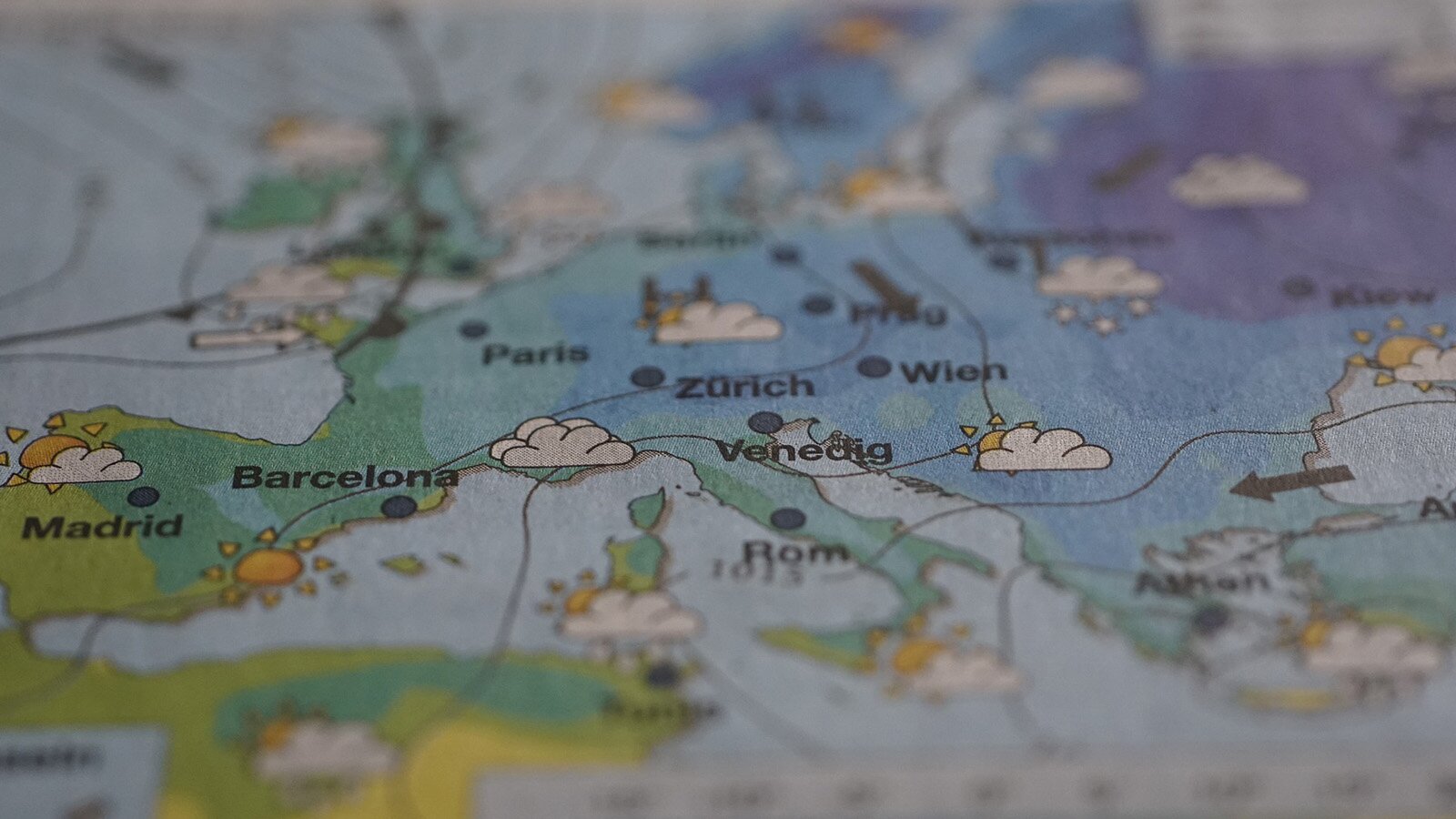
The picture below illustrates a weather map. People have been trying to predict the weather for many years. Nowadays, there are different tools and satellites to measure and describe the approaching changes. In the past, people used to observe nature and animals and, by the change in their behaviour, they were able to read the upcoming changes. This is where the weather proverbs began. In this part of the material, you will study the weather mind map and listen to the weather forecast.
Poniższa ilustracja przedstawia mapę pogody. Ludzie od dawna próbują przewidzieć pogodę. Obecnie dostępne są specjalistyczne sprzęty, satelity, które zapowiadają nadchodzące zmiany. W dawnych czasach ludzie bacznie obserwowali przyrodę, również zwierzęta, i na podstawie ich zachowań byli w stanie wydedukować zjawiska pogodowe. Tak powstały niektóre przysłowia. W tej części materiału zapoznasz się z mapą pojęć związaną ze zjawiskami meteorologicznymi oraz wysłuchasz telewizyjnej prognozy pogody.
Study the words about the weather. Then drag and drop them in the correct category.
Put the expressions in the spots marked “fill it yourself” by double‑clicking on the text and typing in the correct word from the list below.
A. MAPS
B. FREEZING
C. BOILING
D. PRESSURE
E. HEAVY
F. WAVES
Click the numbers, learn about the weather‑related issues and complete the tasks below.
Ilustracja przedstawia mapę myśli i posiada trzy punkty interaktywne, po naciśnięciu których pojawiają się nagrania. Transkrypcja do nagrań znajduje się poniżej.
Nr 1 DEFINITION
Nr 2 EXTREME WEATHER
Nr 3 ATMOSPHERIC PRESSURE
TRUEFALSE
2. Climate is a repetitive type of weather in one place for more than ten years.
TRUEFALSE
3. All extreme weather phenomena result in human actions.
TRUEFALSE
4. Local rivers overflow because of the intense rainfalls.
TRUEFALSE
5. Tornadoes have a positive impact on the environment.
TRUEFALSE
6. High air pressure forms a cloudless sky.
TRUEFALSE
Based on the information from the mind map:
briefly explain the difference between the weather and climate (write 2–3 sentences);
choose one extreme weather phenomenon from the recording and say how dangerous it can be for humans (write 3–4 sentences).