bg‑azure

In this section, you are going to work with a mind map on organic gardening, which will organise your vocabulary about it. Familiarise yourself with it and do the exercises below.

W tej sekcji popracujesz z mapą pojęć z hasłami związanymi z ogrodnictwem organicznym. Pomoże ci ona usystematyzować słownictwo na ten temat. Zapoznaj się z nią i zrób poniższe zadania.

RyrlVmr8n7RPF
Grow your own organic vegetables
Wyhoduj własne warzywa organiczne
Źródło: dostępny w internecie: www.freepik.com [dostęp 30.12.2021], domena publiczna.
RpspjfhXP7UXG
Exercise 1
Odpowiedz na pytania lub uzupełnij tekst. 1. The time of gathering crops., 2. Unwanted or unusable materials., 3. Not using any artificial chemicals., 4. Drops of water on plants in the morning., 5. The process of increasing in size., 6. Cutting away dead or overgrown branches or stems., 7. Round container for growing plants., 8. Unwanted plants which grow along with crops., 9. Plural form of “leaf”., 10. When you move and transfer a seedling into the soil in your garden you… it.
Źródło: GroMar Sp. z o.o., licencja: CC BY-SA 3.0.
1
1
Exercise 2

Drag the following words connected with organic gardening in the correct place.

RLrNf7kEiFv7e
Źródło: GroMar Sp. z o.o., licencja: CC BY-SA 3.0.

Analyse the information in the mind map below and complete the exercises.
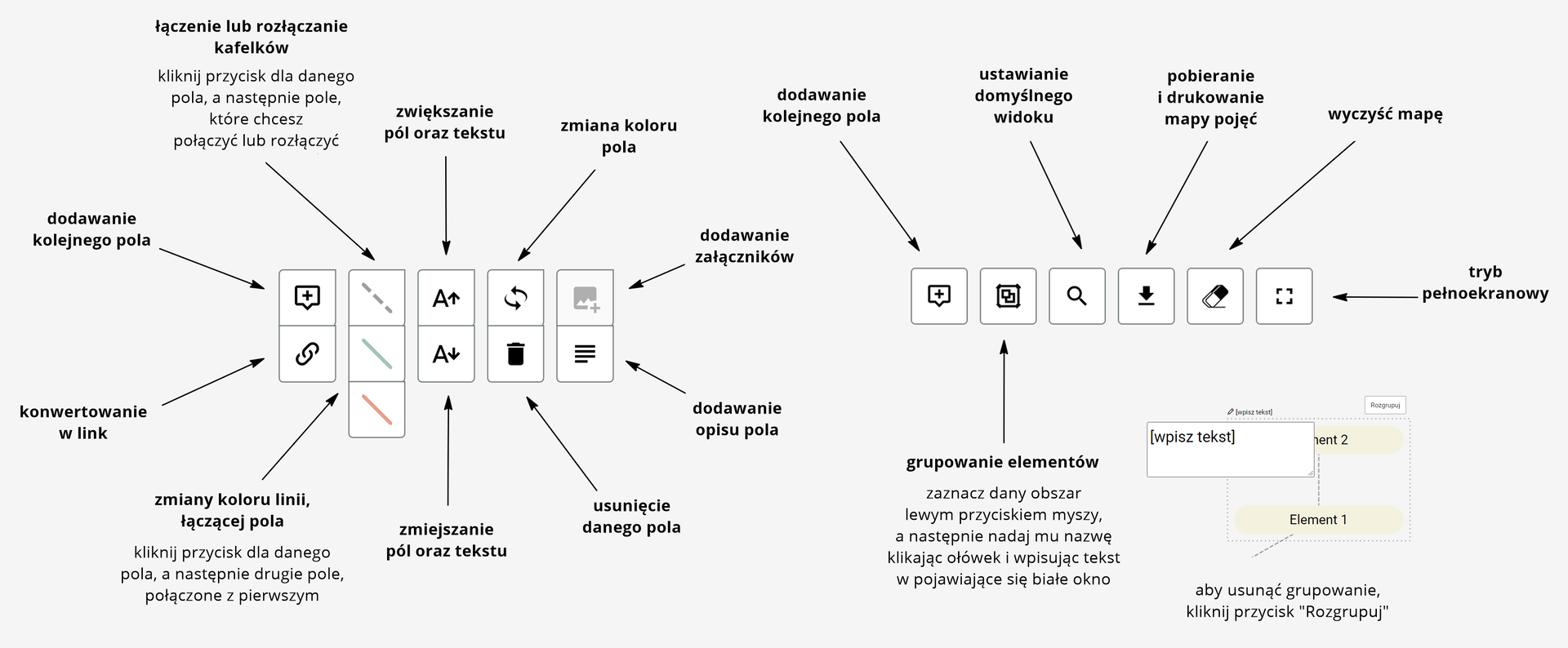
INSTRUKCJA OBSŁUGI MAPY POJĘĆazurewhite
RN7GvYEgYhvfY1
Źródło: GroMar Sp. z o.o., licencja: CC BY-SA 3.0.
Rpb0hbVwRHSlu
Exercise 2
Match the tools with their functions. Spade Możliwe odpowiedzi: 1. loosening soil and weeding, 2. watering plants, 3. digging the soil, 4. cutting grass, 5. trimming branches or plant stems, 6. transplanting seedlings and digging small holes, 7. moving mulch or compost to the garden, 8. gathering falling leaves and dead grass Rake Możliwe odpowiedzi: 1. loosening soil and weeding, 2. watering plants, 3. digging the soil, 4. cutting grass, 5. trimming branches or plant stems, 6. transplanting seedlings and digging small holes, 7. moving mulch or compost to the garden, 8. gathering falling leaves and dead grass Hoe Możliwe odpowiedzi: 1. loosening soil and weeding, 2. watering plants, 3. digging the soil, 4. cutting grass, 5. trimming branches or plant stems, 6. transplanting seedlings and digging small holes, 7. moving mulch or compost to the garden, 8. gathering falling leaves and dead grass Watering can Możliwe odpowiedzi: 1. loosening soil and weeding, 2. watering plants, 3. digging the soil, 4. cutting grass, 5. trimming branches or plant stems, 6. transplanting seedlings and digging small holes, 7. moving mulch or compost to the garden, 8. gathering falling leaves and dead grass Wheelbarrow Możliwe odpowiedzi: 1. loosening soil and weeding, 2. watering plants, 3. digging the soil, 4. cutting grass, 5. trimming branches or plant stems, 6. transplanting seedlings and digging small holes, 7. moving mulch or compost to the garden, 8. gathering falling leaves and dead grass Lawnmower Możliwe odpowiedzi: 1. loosening soil and weeding, 2. watering plants, 3. digging the soil, 4. cutting grass, 5. trimming branches or plant stems, 6. transplanting seedlings and digging small holes, 7. moving mulch or compost to the garden, 8. gathering falling leaves and dead grass Pruning shears Możliwe odpowiedzi: 1. loosening soil and weeding, 2. watering plants, 3. digging the soil, 4. cutting grass, 5. trimming branches or plant stems, 6. transplanting seedlings and digging small holes, 7. moving mulch or compost to the garden, 8. gathering falling leaves and dead grass Trowel Możliwe odpowiedzi: 1. loosening soil and weeding, 2. watering plants, 3. digging the soil, 4. cutting grass, 5. trimming branches or plant stems, 6. transplanting seedlings and digging small holes, 7. moving mulch or compost to the garden, 8. gathering falling leaves and dead grass
Źródło: GroMar Sp. z o.o., licencja: CC BY-SA 3.0.
R1Klggq9inyGQ
Exercise 3
Study the mind map above. Next, drag and drop the elements below to complete the sentences. There are two extra elements that you will not need.

  1. You can arrange your garden in 1. kelp, 2. seedling, 3. weeds, 4. manures, 5. pests, 6. vegetable patches, 7. crop yields, 8. garden hoses, 9. pruning, 10. fertilising or build raised beds.
  2. Using 1. kelp, 2. seedling, 3. weeds, 4. manures, 5. pests, 6. vegetable patches, 7. crop yields, 8. garden hoses, 9. pruning, 10. fertilising helps plants to grow stronger, as it has a lot of micronutrients. It can also be used as mulching material.
  3. There are two types of 1. kelp, 2. seedling, 3. weeds, 4. manures, 5. pests, 6. vegetable patches, 7. crop yields, 8. garden hoses, 9. pruning, 10. fertilising: sprinklers, used for new planting beds, and soakers, which allow water to slowly seep into the root zones of plants.
  4. If you feel that your soil doesn’t have enough nutrients for your plants, try 1. kelp, 2. seedling, 3. weeds, 4. manures, 5. pests, 6. vegetable patches, 7. crop yields, 8. garden hoses, 9. pruning, 10. fertilising the soil with natural substances such as 1. kelp, 2. seedling, 3. weeds, 4. manures, 5. pests, 6. vegetable patches, 7. crop yields, 8. garden hoses, 9. pruning, 10. fertilising, or buy some in a local garden centre.
  5. As if 1. kelp, 2. seedling, 3. weeds, 4. manures, 5. pests, 6. vegetable patches, 7. crop yields, 8. garden hoses, 9. pruning, 10. fertilising and weird weather weren’t bad enough, gardeners also have to fight insect 1. kelp, 2. seedling, 3. weeds, 4. manures, 5. pests, 6. vegetable patches, 7. crop yields, 8. garden hoses, 9. pruning, 10. fertilising.
  6. The general rule is that if a 1. kelp, 2. seedling, 3. weeds, 4. manures, 5. pests, 6. vegetable patches, 7. crop yields, 8. garden hoses, 9. pruning, 10. fertilising has three to four true leaves, it is large enough to plant out in the garden.
Źródło: GroMar Sp. z o.o., licencja: CC BY-SA 3.0.
RtPZeerrPJ54i
Exercise 4
Analyse the mind map above. Type in the missing words to fill in the gaps in the text. The basic theory in     1. oTu uzupełnij gTu uzupełnij     is that “nature knows best.” By rejecting the world of harmful chemical     2. pTu uzupełnij     which harm not only pests, but also beneficial insects, gardeners nurture the     3. sTu uzupełnij     through techniques and systems which are found in nature. As a result, this type of gardening brings a lot of benefits. One of the most important ones is that it improves soil     4. qTu uzupełnij,     and thus, thanks to the     5. nTu uzupełnij     and trace minerals found in chemical-free soil, the vitamin and mineral content in organic foods is higher than in conventionally produced ones. Another huge benefit is connected to environmental issues. Organic gardening not only prevents soil poisoning or     6. wTu uzupełnij pTu uzupełnij,     but also results in less     7. gTu uzupełnij gTu uzupełnij eTu uzupełnij,     which is so good for our planet. We can safely say that organic gardening     8. cTu uzupełnij     the environment. There is a popular misconception that organic products are more expensive. While it is true that some synthetic chemicals are cheaper, organic gardening will     9. sTu uzupełnij     you money in the long run. By improving the health of the soil from which the plants grow, you get better     10. cTu uzupełnij yTu uzupełnij,     feeding your family for years to come. One of the best money-saving techniques in going organic is     11. cTu uzupełnij.     It reduces landfill waste by recycling your     12. kTu uzupełnij wTu uzupełnij,     mainly     13. fTu uzupełnij sTu uzupełnij,     and makes use of yard remains like grass cuttings. As a result, you return the natural resources to the earth in a beneficial way.
Źródło: GroMar Sp. z o.o., licencja: CC BY-SA 3.0.