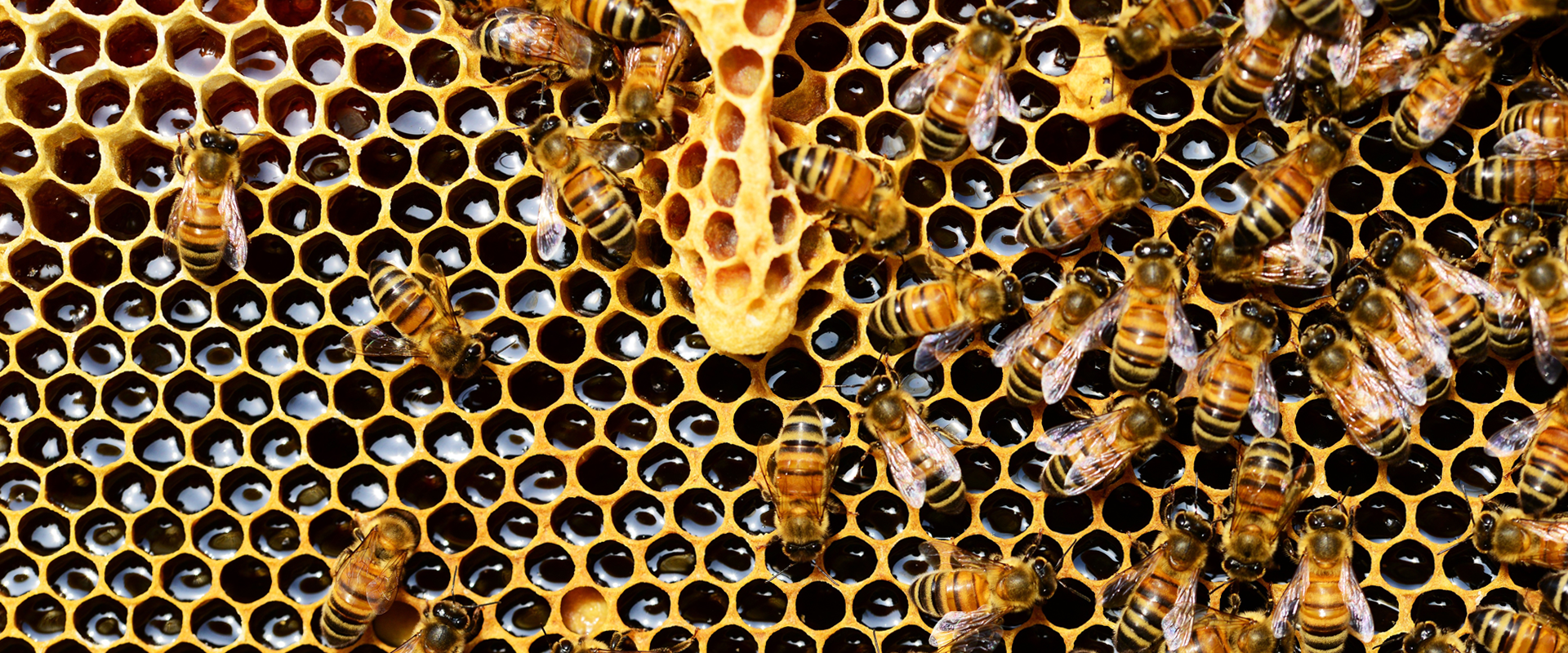
Take a look at the following photo and tell what processes are shown in the picture.
RcOvK6QESVazJ1
Na ilustracji przedstawiona jest kraina, od lewej las, rzeka, z tyłu łąki i ośnieżone góry, po prawej morze, plaża i łódka. Nad górami śnieg padający, nad morzem chmury deszczowe. Od drzew, jeziora i morza narysowano strzałki skierowane w stronę nieba.
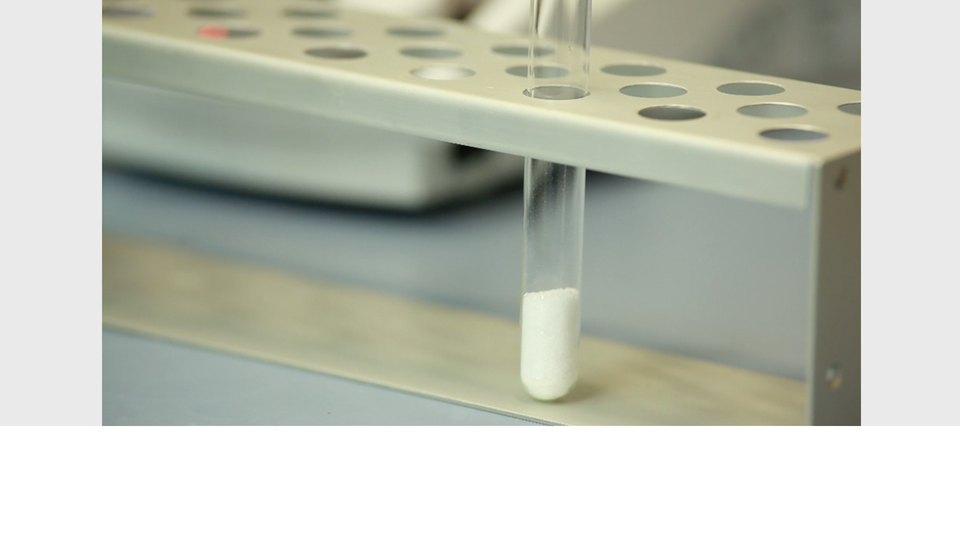
Watch slideshow “Determining the melting pointmelting pointmelting point and the solidification of calcium oxalate”.
Note:
Calcium oxalate - an organic chemical compound, calcium salt of oxalic acid. This compound is contained in crop plants, among others in sorrel. It is not absorbed by people.
R1IyzEd9OtHbA1
Pokaz slajdów - wyznaczanie temperatury topnienia i krzepnięcia szczawianu potasu. Instrukcja obsługi z poziomu klawiatury: 1. Uruchomienie aplikacji - ENTER, 2. Na każdym ze slajdów czytany jest automatycznie tekst alternatywny po polsku, 3. Przy pierwszym uruchomieniu na pierwszym slajdzie, czytanie tekstu po angielsku - TAB, 4. Przejście między slajdami: do następnego slajdu - TAB, do poprzedniego slajdu - TAB + SHIFT, 5. Przejście do czytania napisu po angielsku - strzałka w górę + strzałka w dół (czyta tekst po angielsku widoczny na slajdzie).
Pokaz slajdów - wyznaczanie temperatury topnienia i krzepnięcia szczawianu potasu. Instrukcja obsługi z poziomu klawiatury: 1. Uruchomienie aplikacji - ENTER, 2. Na każdym ze slajdów czytany jest automatycznie tekst alternatywny po polsku, 3. Przy pierwszym uruchomieniu na pierwszym slajdzie, czytanie tekstu po angielsku - TAB, 4. Przejście między slajdami: do następnego slajdu - TAB, do poprzedniego slajdu - TAB + SHIFT, 5. Przejście do czytania napisu po angielsku - strzałka w górę + strzałka w dół (czyta tekst po angielsku widoczny na slajdzie).
Look at photographs of three amorphous bodies (they do not have a regular internal structure), which through heating become softer, plastic and liquid.
In the examples presented here, the phenomenon of melting bodies occurs gradually in a certain temperature range.
This phenomenon is called softening.
Softening occurs in solid bodies whose molecules do not form a regular internal structure.
Experiment 1
Research problem
Determination of the boiling point of water.
Hypothesis
During heating, the water temperature rises until a constant temperature of 100°C is reached. It is the boiling point of the water.
You will need
a beaker
a burner
water
a thermometer
a watch
a beaker rack
the thermometer handle
Instruction
Fill the beaker with water to approximately 3/4 of its volume.
Put the beaker into the rack over the burner.
Place the thermometer on a tripod in such way that its tip is dipped in water (the tip of the thermometer cannot touch the bottom or the sides of the container).
Record the water temperature.
Turn on the burner.
Record the temperature every 45 seconds until the water boils.
Record the temperature for the next 135 seconds.
Make a graph of the temperature value of water since its heating.
Summary
The temperature rise of water took place until it reached a constant temperature of 100°C. At this temperature, the water boiled. The unchanging temperature indicates that it is a phase transition. In this case, it is the transformation of the liquid phase into a gas phase.
Read the questions and answers concerning water condensation.
What is the process reverse to evaporationevaporationevaporation?
At what temperature is the water condensation process observed in nature?
What is the water temperature obtained during this experiment?
The inverse process to the evaporation process is the condensation process.
The process of liquefaction in nature takes place in the temperature range from 0°C to 100°C and depends on the degree of air humidity.
The water obtained during liquefaction has the temperature of the air from which it was formed. a. An example is the formation of fog, which consists of microscopic droplets of water suspended in air with high humidity. b. If water arises from water vapor obtained during the boiling of water, this process takes place at a constant temperature of 100°C. c. The condensation is also the formation of dew in the summer on the grass after a clear night.
The melting phenomenon consists of changing the state from solid into liquid. It occurs at a constant temperature, called the melting temperature. Freezing is a change in the state of body focus from liquid to solid. This process occurs when the bodies are cooled. Cooling is needed to absorb heat. This process is reversible, it can run in the opposite direction (melting) when the body starts to be heated. Heating is necessary here because the body absorbs heat when it melts. The melting point is the same as the freezing point. The temperatures described are different for different substances. Some bodies change from solid to liquid state gradually in a certain temperature range. You can not give one specific transformation temperature value for them. This process is called softening.
The condensation phenomenon is a process that is the reverse of the process of liquid evaporation. The liquid evaporation process occurs on the surface of the liquid, if this process takes place in its whole volume then it is called boiling. Evaporation requires providing the evaporation heat to the body, and condensation requires the condensation heat to be dissipated into the environment.
Exercises
RRXpTXBsJtkgk
Exercise 5
Wersja alternatywna ćwiczenia: Select physical changes in which the heat absorption comes from the environment. Możliwe odpowiedzi: 1. evaporation, 2. boiling, 3. melting, 4. softening, 5. sublimation, 6. liquefaction, 7. solidification, 8. deposition
Wersja alternatywna ćwiczenia: Select physical changes in which the heat absorption comes from the environment. Możliwe odpowiedzi: 1. evaporation, 2. boiling, 3. melting, 4. softening, 5. sublimation, 6. liquefaction, 7. solidification, 8. deposition
Select physical changes in which the heat absorption comes from the environment.
evaporation
boiling
melting
softening
sublimation
liquefaction
solidification
deposition
zadanie
Source: GroMar, licencja: CC BY 3.0.
Exercise 6
Explain why the glass is covered with droplets of water when you pour a cold drink removed from the fridge into the glass. Write what process takes place there.
The glass is cooled down by the drink. Droplets of water are formed on the glass as the result of the liquefaction of water vapor particles contained in the air. This process is called condensation.
Exercise 7
Write in English in which climate do people tolerate heat better: wet or dry? Why?
People tolerate heat better in dry climate. In this climate it is easier to evaporate water from the body surface and thus cool the body down.
RatbSyE3enbCz
Exercise 8
Wersja alternatywna ćwiczenia: Indicate which pairs of expressions or words are translated correctly. Możliwe odpowiedzi: 1. przemiana fazowa - phase transition, 2. mięknięcie - softening, 3. temperatura topnienia - melting point, 4. temperatura wrzenia - boiling point, 5. para nasycona - water vapour, 6. para wodna - saturated steam
Wersja alternatywna ćwiczenia: Indicate which pairs of expressions or words are translated correctly. Możliwe odpowiedzi: 1. przemiana fazowa - phase transition, 2. mięknięcie - softening, 3. temperatura topnienia - melting point, 4. temperatura wrzenia - boiling point, 5. para nasycona - water vapour, 6. para wodna - saturated steam
Indicate which pairs of expressions or words are translated correctly.
przemiana fazowa - phase transition
mięknięcie - softening
temperatura topnienia - melting point
temperatura wrzenia - boiling point
para nasycona - water vapour
para wodna - saturated steam
zadanie
Source: GroMar, licencja: CC BY 3.0.
R1OIg4NP10zqh1
Interaktywna gra, polegająca na łączeniu wyrazów w pary w ciągu jednej minuty. Czas zaczyna upływać wraz z rozpoczęciem gry. Jeden ruch to odkrywanie najpierw jednej potem drugiej karty z wyrazem. Każdy wyraz jest odczytywany. Kolejny ruch to odkrywanie trzeciej i czwartej karty. W ten sposób odsłuchasz wszystkie wyrazy. Nawigacja z poziomu klawiatury za pomocą strzałek, odsłuchiwanie wyrazów enterem lub spacją. Znajdź wszystkie pary wyrazów.
Interaktywna gra, polegająca na łączeniu wyrazów w pary w ciągu jednej minuty. Czas zaczyna upływać wraz z rozpoczęciem gry. Jeden ruch to odkrywanie najpierw jednej potem drugiej karty z wyrazem. Każdy wyraz jest odczytywany. Kolejny ruch to odkrywanie trzeciej i czwartej karty. W ten sposób odsłuchasz wszystkie wyrazy. Nawigacja z poziomu klawiatury za pomocą strzałek, odsłuchiwanie wyrazów enterem lub spacją. Znajdź wszystkie pary wyrazów.
Match Polish terms with their English equivalents.
softening
temperatura topnienia
amorphous body
ciało amorficzne
melting point
temperatura wrzenia
przemiana fazowa
phase transition
mięknięcie
boiling point
Source: Zespół autorski Politechniki Łódzkiej, licencja: CC BY 3.0.