Metals and their properties
what properties matter has in various states of matter;
what are symbols of chemical elements and how to use them;
how to identify and distinguish physical and chemical properties;
according to which criteria mixtures are classified;
what safety rules should be followed in the school chemical laboratory.
indicate metals in the periodic table of elements;
design experiments to examine the properties of metals;
plan experiments to compare the properties of metals.
Usability of metals
Think about it and write down the answers here or in the notebook:
What are the applications of gold, argentum and copper in everyday life?
What are the differences between these metals?
Check what you already know about gold, argentum and copper. Drop‑down the table tabs and read the information about those metals.
Properties of metals
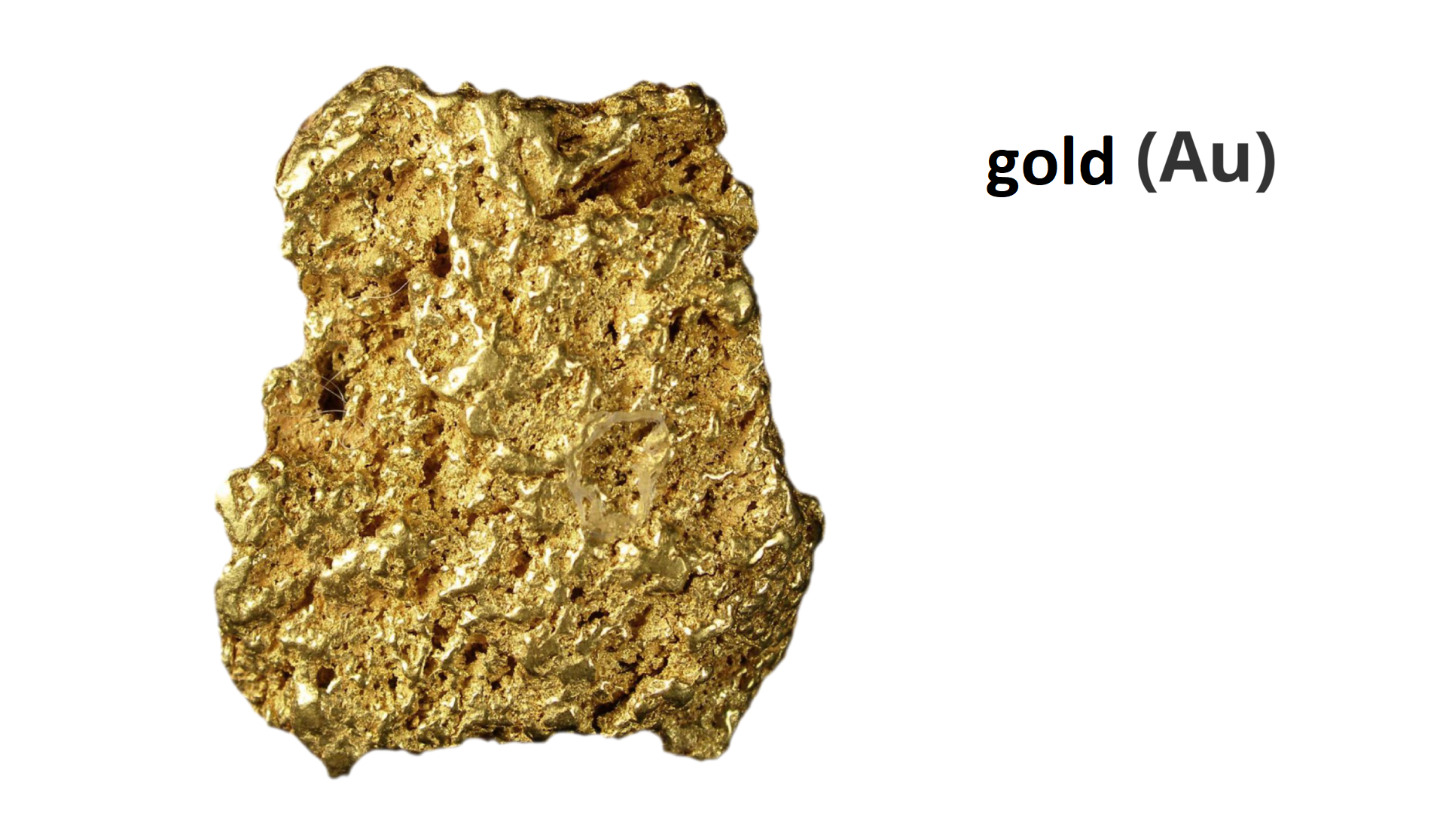
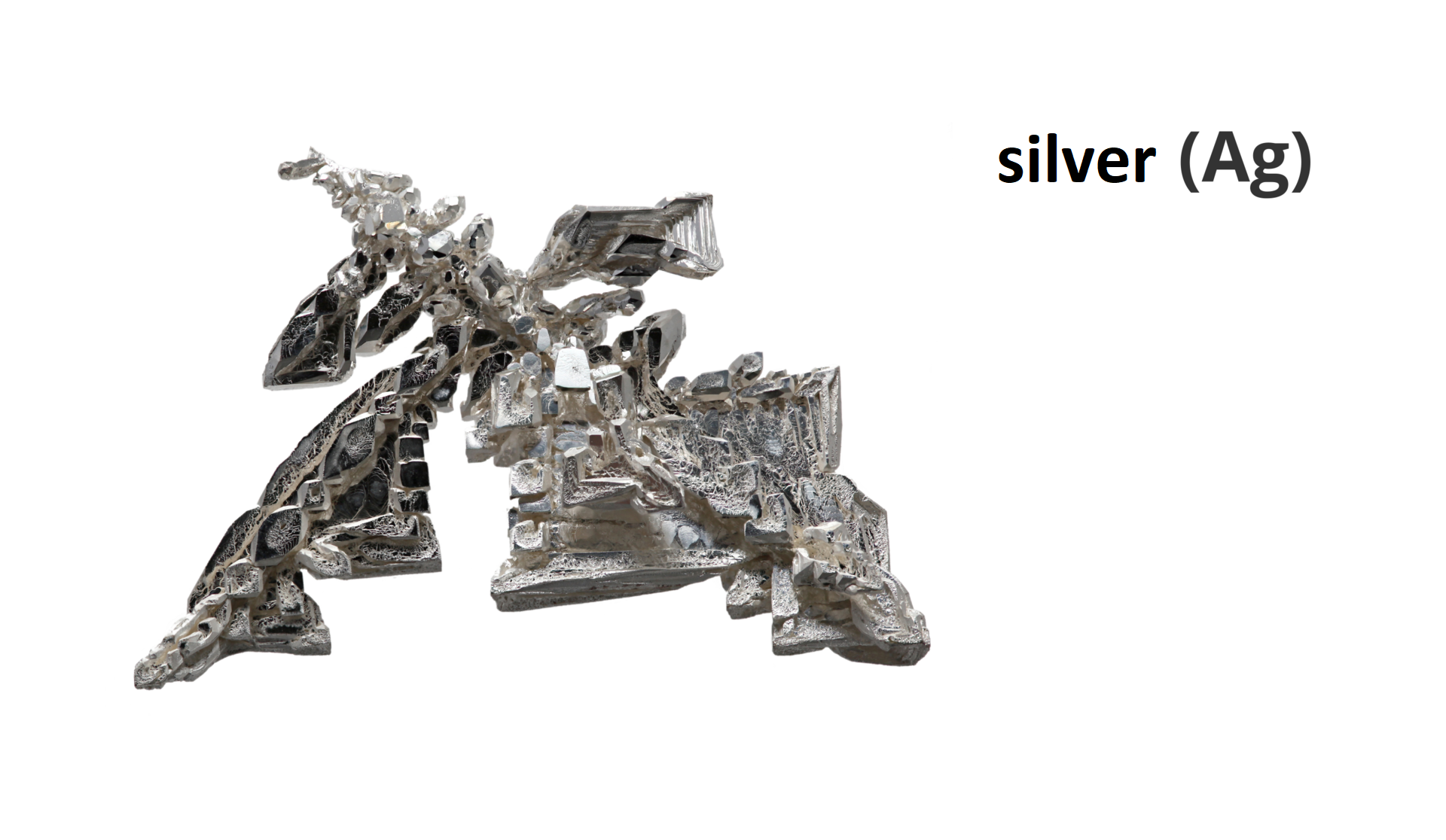
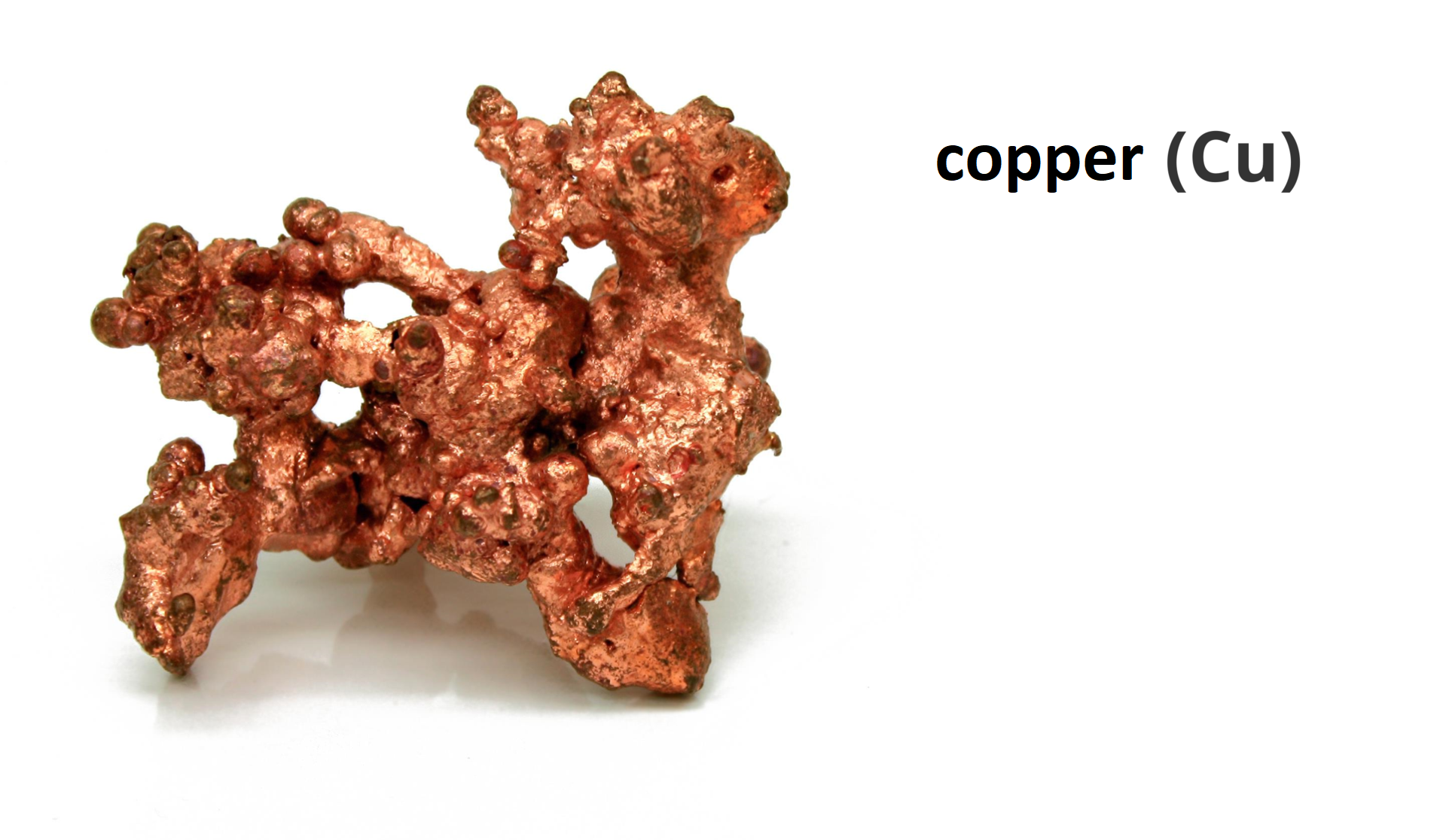
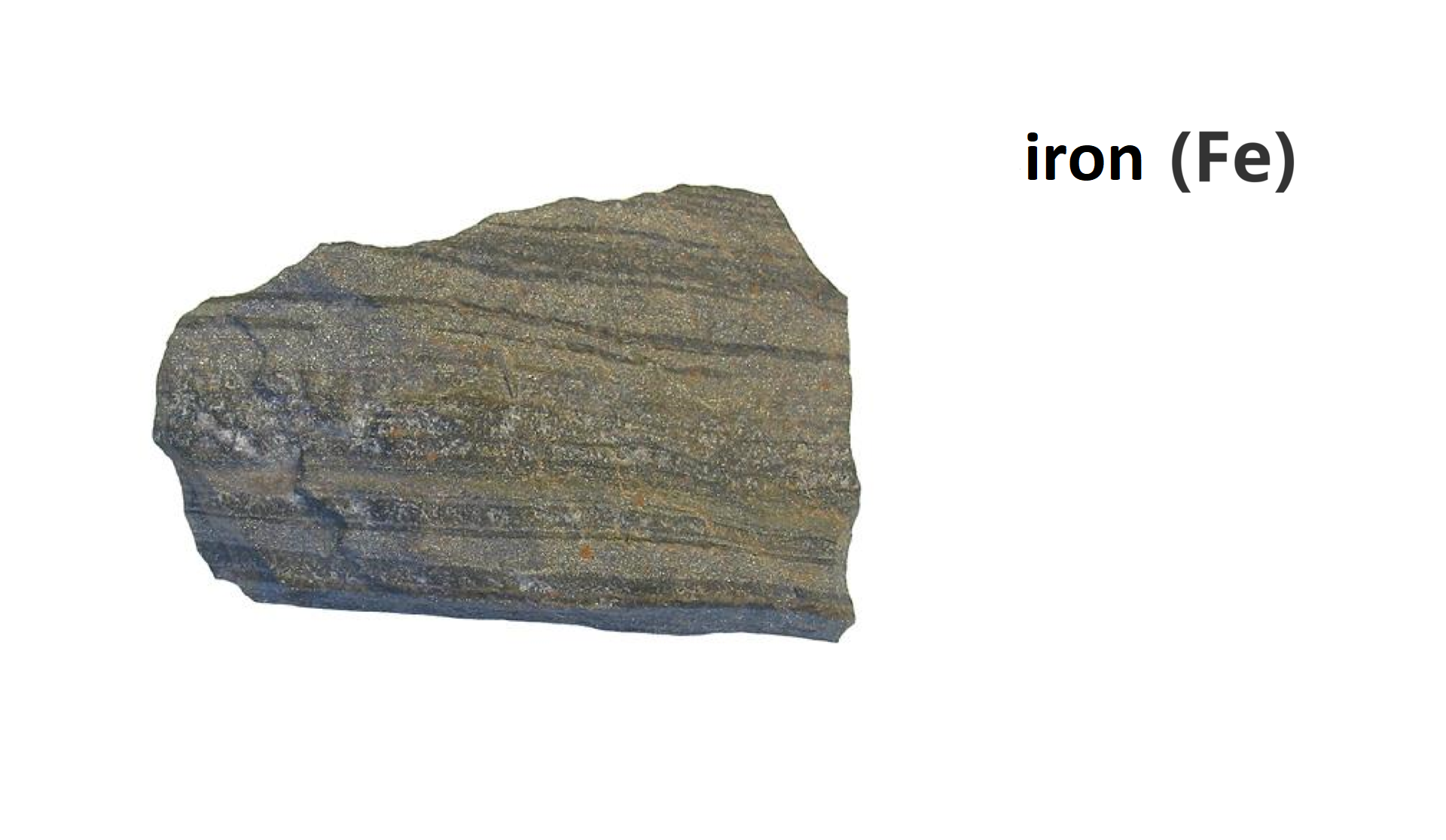
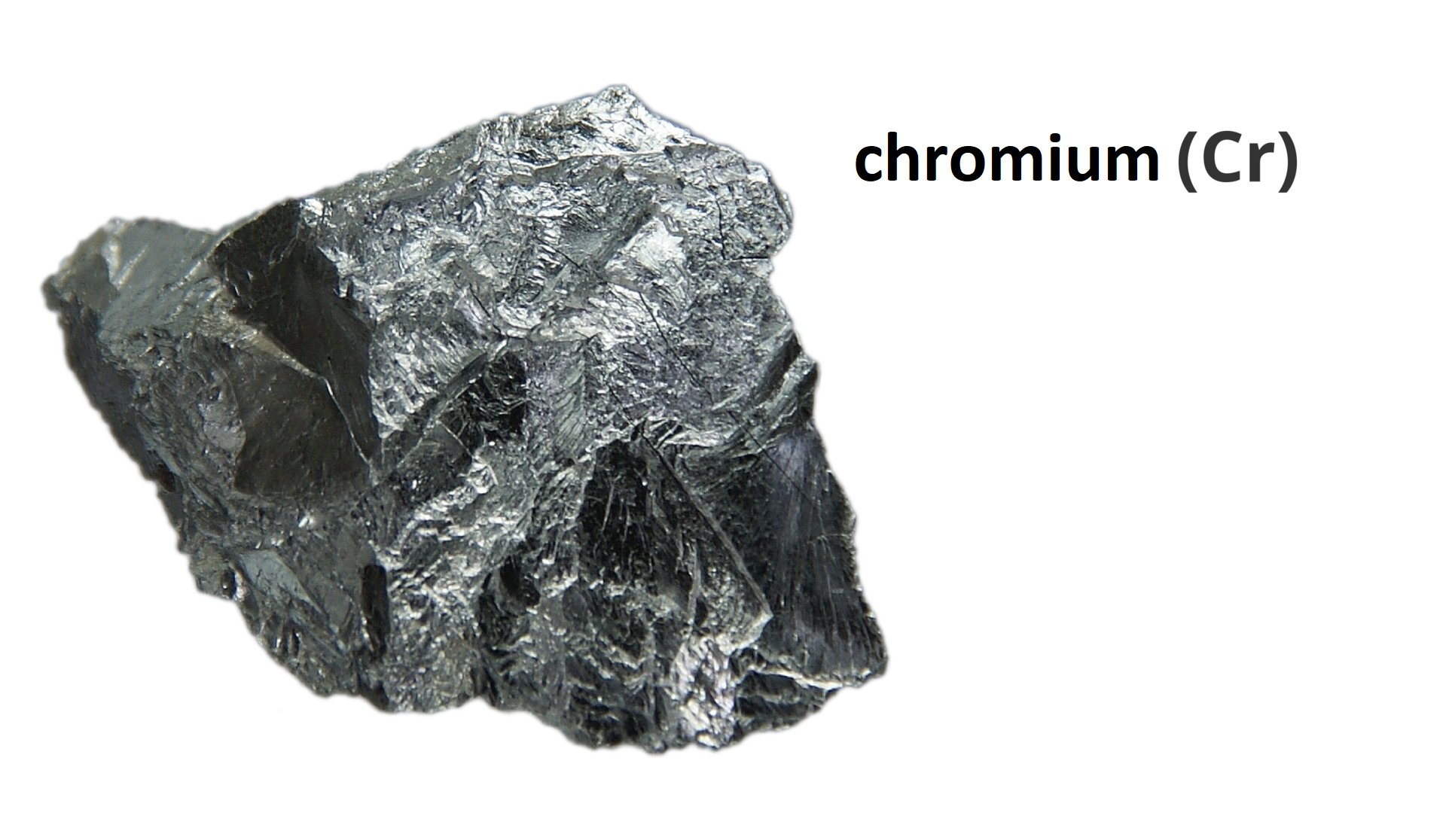
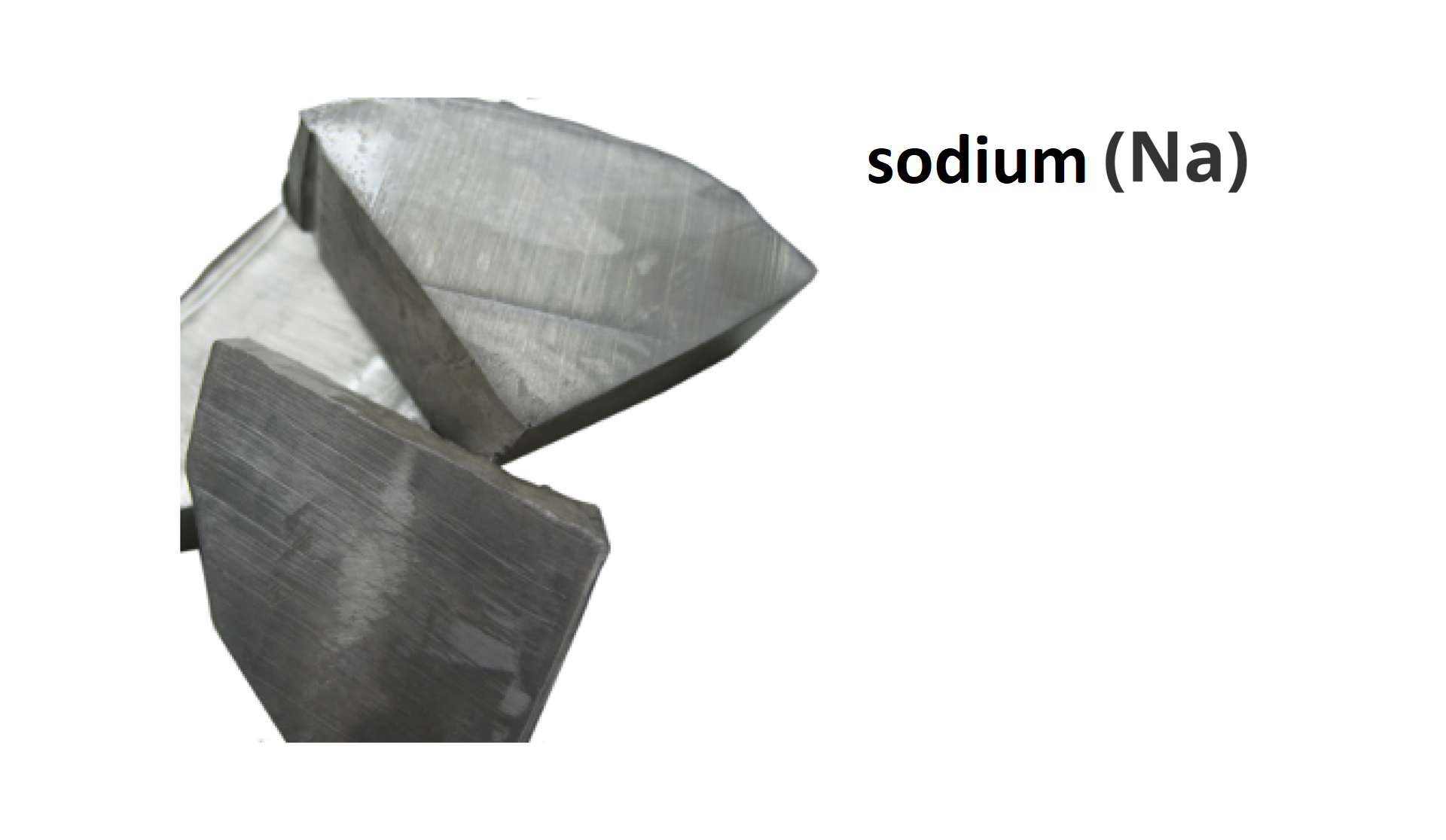
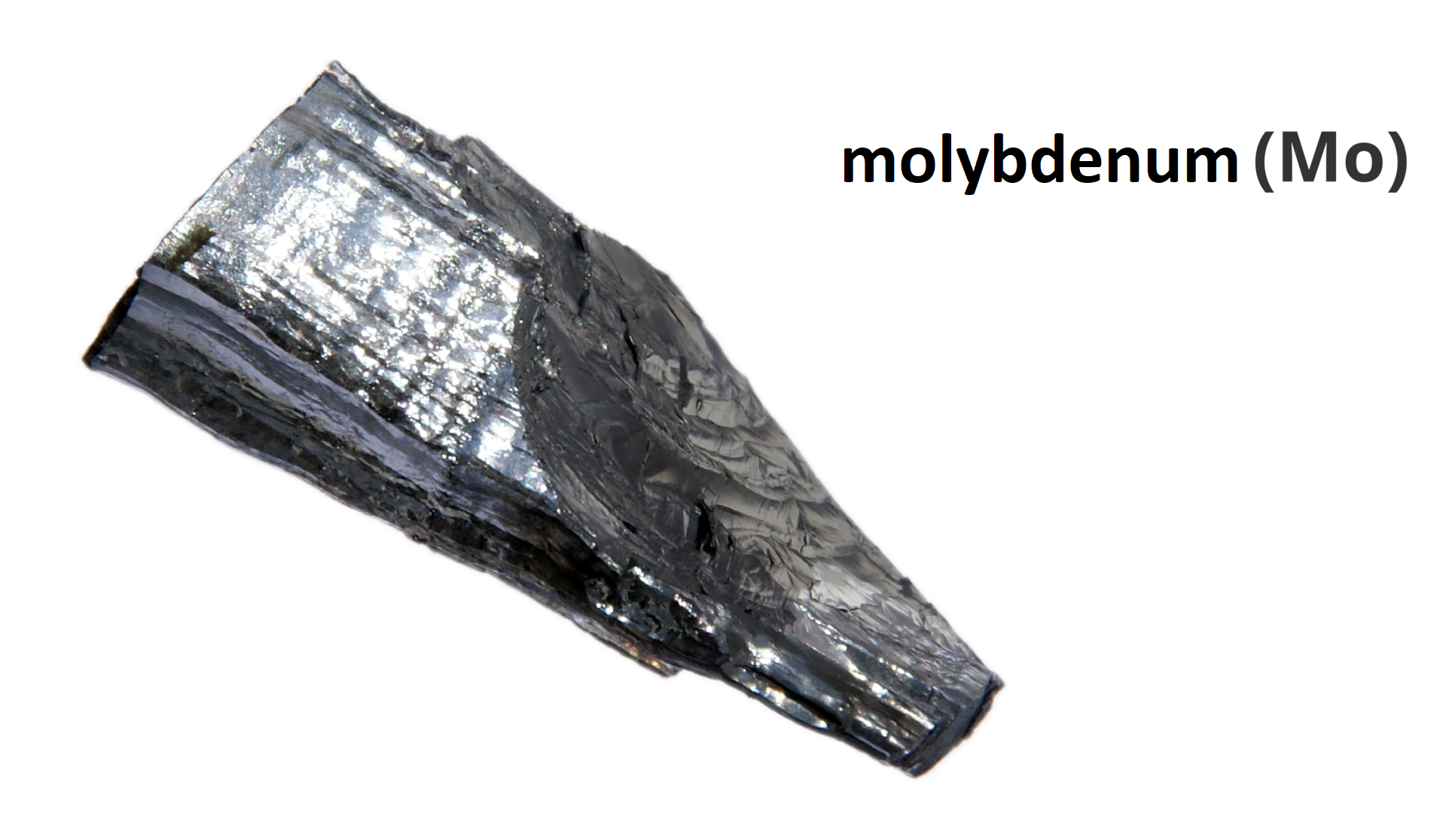
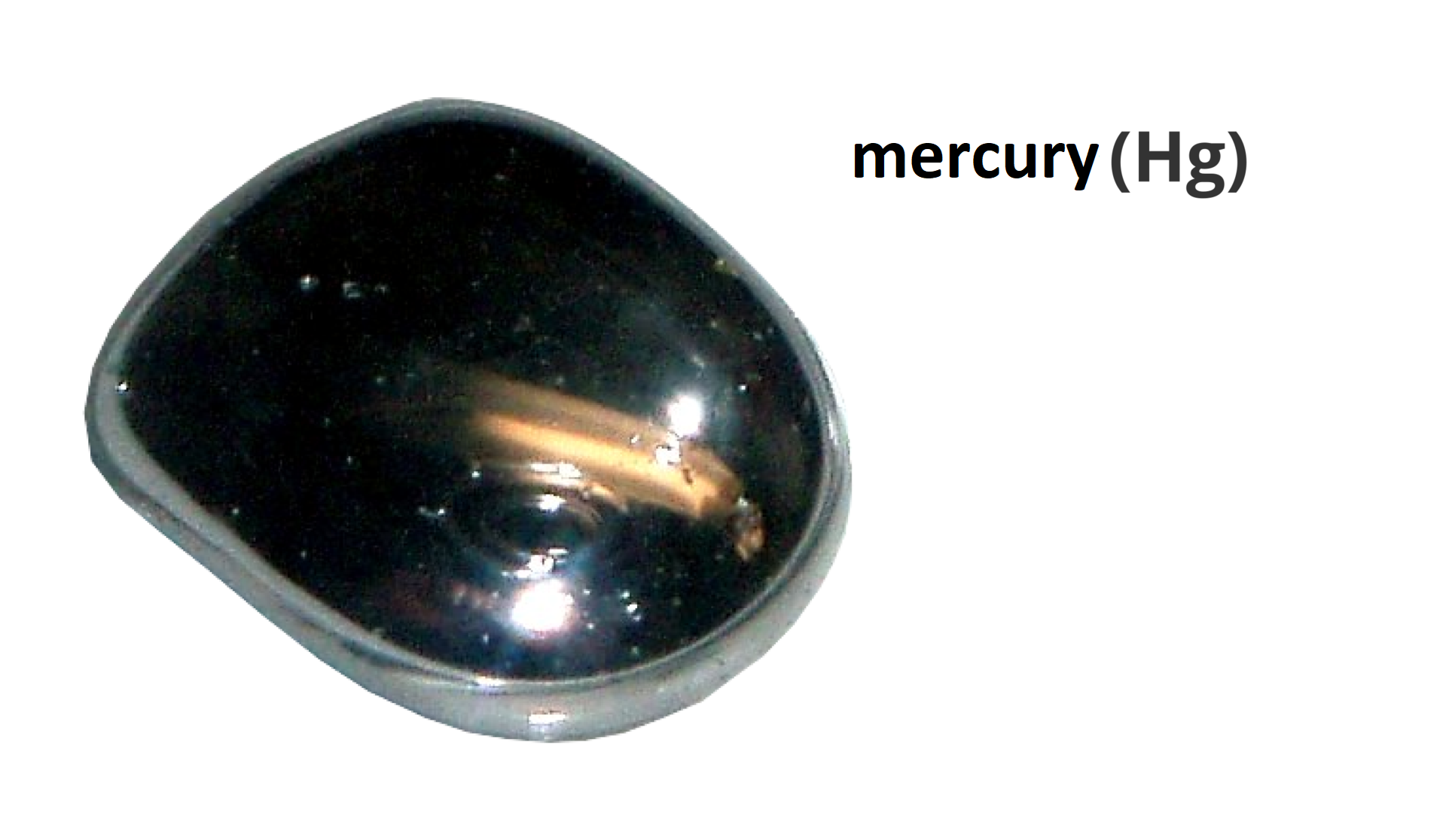
Before you conduct the experiment „Testing physical properties of selected metals”, write down the research question and hypotheses. Also note down observations and conclusions from the experiment.
knife,
tweezers,
magnet,
zinc,
sodium,
magnesium,
aluminium,
iron.
Determine state of matter, colour and gloss of all of the metals.
Touch magnet to samples of zinc, sodium (dried from paraffin), magnesium, aluminium and iron.
Information about metals can be obtain from:
conducted experiments (e.g., examining physical and chemical properties by means of the senses),
data from the periodic table of elements or chemical tables.
Common metals features
Summary
Metals are by definition substances that have 4 definitional features: they are malleable, they conduct electricity, heat and have a metallic gloss.
Metals at room temperature are characterized by: a constant state of matter (except mercury), silvery‑white or silvery‑grey colour (with the exception of gold, copper).
Key words
metal, properties of metals, gold, argentum, copper, precious metals
Glossary
metale – substancje o metalicznym połysku, kowalne, bardzo dobrze przewodzą ciepło i prąd elektryczny