Other senses are important as well
what senses a man has.
discuss the functions and meaning of the senses of taste, smell and touch;
explain how the senses of smell, taste and touch function.
Smell
The human organ for the sense of smell is a nose. There are receptorsreceptors in the nasal cavity that detect airborne substances. Information about their presence is transmitted to the brain. An average human can differentiate between a few thousand different smells. We’re not always aware how many different smells we’re detecting and of their importance.
Sometimes we’re able to detect smells better or worse. What does it depend on? The volume of the substance dispersed in the air is of great importance – for instance: the more flowers, the stronger the smell. What are other factors that affect smell intensity?


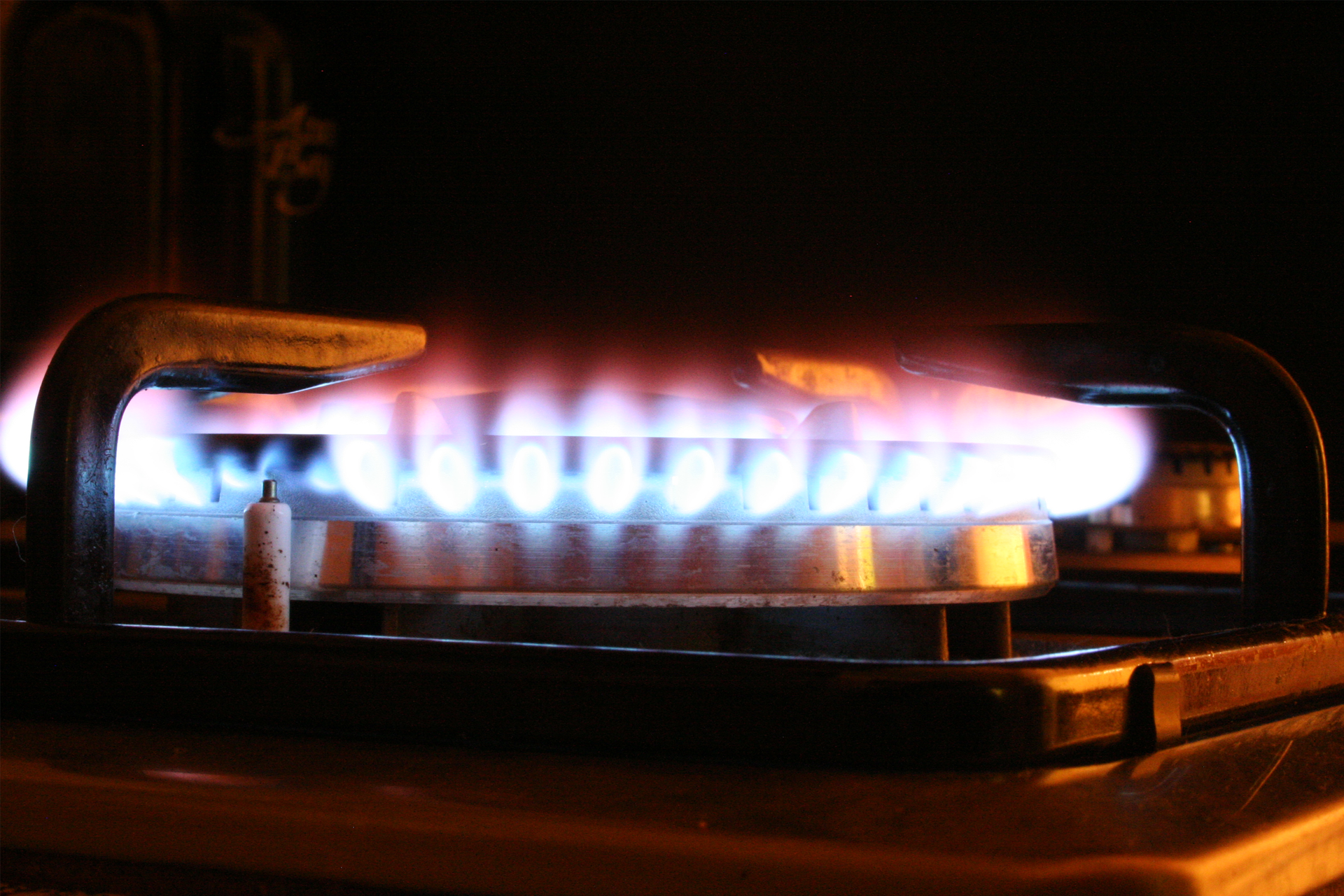
Assess whether humans are able to better detect the smell of warm or cold substances.
3 cups,
a thermos filled with hot water,
a thermos filled with cold water,
room temperature water,
3 teaspoons of coffee.
Put a teaspoon of coffee into each cup.
Pour cold water into the first cup.
Pour hot water into the second cup. Be careful not to get burn yourself!
Pour room temperature water into the third cup.
Now smell the contents of all three cups. Which coffee has the strongest aroma and which has the weakest?
The intensity of the smell of coffee that we’re able to detect largely depends on its temperature.
For the odour of the substance to be detectable, it must evaporate and its particles must be released into the air. We’re able to detect smells better, if temperature is higher, e.g. the smell of tea, coffee or cake is more easily detectable when they are warm. That’s because how water is evaporating heavily. The rising steam also carries coffee particles with it. In addition, the higher the temperature, the faster they are dispersed into the air.
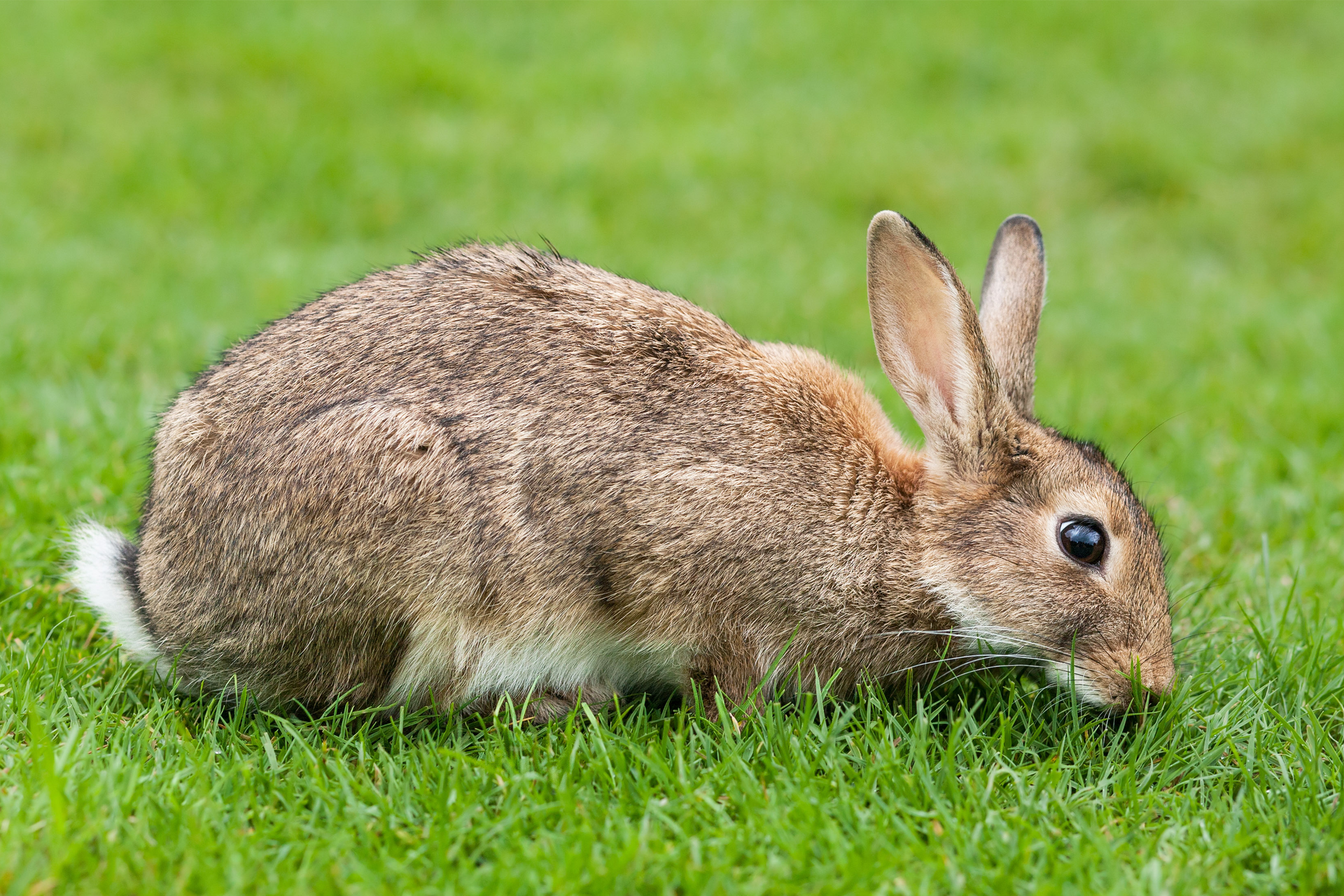
Many animals have a much more sensitive sense of smell than humans. That’s why you should never touch any young animals that you find! They were not abandoned – their mother will soon return. However, if you leave your scent on the young, their mother may get alarmed and abandon them.

Taste
The sense of taste, similarly to the sense of smell, allows to detect various substances. The difference is that smell allows to identiy airborne substances, whereas taste allows to identify substances in liquids and food. The taste of a dish depends on proportions in which individuals tastes (saltiness, sweetness, sourness and bitterness) are present. The senses of smell and taste are linked. Do you remember that various dishes taste differently with your nose blocked? That’s why warm meals often taste better, as we’re able to better detect their smell.
Humans can distinguish between five tastes: sweetness, saltiness, sourness, bitterness and umami. Sweet and umami (also called meaty) tastes are the most easily detectable and encourage you to eat the dish, whereas sour and bitter tastes serve primarily as a warning.
Touch
Touch allows us to feel heat, cold, pressure and firmness of touched objects as well as burning, itching and pain. The organ for the sense of touch is skin. It has receptors that respond to changes in temperature and other tactile sensations, including the unpleasant ones. Thanks to the ability to feel pain, your body knows that it’s being harmed and must act to prevent it as fast as possible. Pain teaches us to avoid dangerous situations and not to touch certain objects.
Is all skin equally sensitive to touch?
Assessing the sensitivity of different parts of the body to touch.
2 well‑sharpened pencils,
a rubber band,
a blindfold,
assistance from a colleague.
Put the pencils together using the rubber band.
Blindfold your colleague.
Put your finger between the two pencils. That’s how you will regulate the distance between them.
Use the pencils to touch your colleagues skin in different places on their body (on the back of their hand, their palm, forearm, arm, neck, cheeks). Each time ask them how many touches they felt in each place.
The test shows that certain parts of the body are more sensitive to touch. In these areas, we’re able to tell more quickly whether we’re being touched by two pencils.
Complete the desciption of senses.
skin, ear, sight, airborne substances, substances in liquids and food
| sensory organ | sense | stimulus |
|---|---|---|
| skin | ||
| sight | ||
| airborne substances | ||
| ear | ||
| substances in liquids and food |
Summary
Sensory organs receive stimuli from the surrounding environment through receptors.
Information received from the surrounding environment are transmitted to the brain.
The senses of smell, taste and touch are equally important as the senses of sight and hearing.
Desribe the importance of the senses of smell, taste and touch for human safety in your notebook.
Keywords
taste, smell, touch
Glossary
receptor – wyspecjalizowana komórka odbierająca bodźce z otoczenia