When English King, Charles I, tried to implement absolute monarchy in the country, he caused the outbreak of civil war between the parliament and the king in 1642. In the consequence, the king was executed and England was proclaimed a republic. Soon after that, Olivier Cromwell, the commander of the parliament’s army, became a dictator. In 1660, living in exile Charles II Stuart, the son of beheaded ruler, was called to come back to the country. The monarchy was restored. Unfortunately, the Stuarts have not learnt anything from the tragic lesson and kept seeking to strengthen their power at the expense of the parliament. The next conflict resulted in the final removal of the representatives of this dynasty from the English throne. In these circumstances, William of Orange has proclaimed the King of England. In 1689, the English parliament passed the “English Bill of Rights”English Bill of Rights“English Bill of Rights”, where the competence of the monarch and the rights of the parliament were finally determined. Thus England became a parliamentary monarchyParliamentary monarchyparliamentary monarchy.
Task 1
Przypomnij sobie tytuł abstraktu, wysłuchaj nagrania i spróbuj zaproponować własny temat dla dzisiejszej lekcji.
Przypomnij sobie tytuł abstraktu, wysłuchaj nagrania i spróbuj zaproponować własny temat dla dzisiejszej lekcji.
Have a look at selected events. Tell the others what were the causes and consequences of the creation of a parliamentary monarchy.
RwMJkvtKhrhnE
1588 The defeat of the Spanish Armada Illustration presenting the defeat of the Spanish Armada, engraving of the break of the 16th and the 17th centuries by unknown author., 1629 - 1639 The tyranny period - the reign of Charles I without the Parliament , 1640 The Short Parliament Illustration showing Sir John Glanville, speaker., 1640 - 1660 The Long Parliament Illustration showing Charles I signing a bill agreeing that the present Parliament should not be dissolved without its own consent., 1649 Beheading of Charles I Stuar Illustration showing the execution of Charles I., 1653 Oliwer Cromwell becomes Lord Protector , 1660 The return of the Stuarts to the throne Illustration showing King Charles II., 1679 “Habeas Corpus Act” Illustration showing King Charles II., 1688 “Glorious Revolution,” William III of Orange becomes the King of England , 1689 “The Bill of Rights” - the final domination of the Parliament over the king , 1707 The real union of Scotland and England, the establishment of the United Kingdom The flag of the United Kingdom prior to 1800.
1588 The defeat of the Spanish Armada Illustration presenting the defeat of the Spanish Armada, engraving of the break of the 16th and the 17th centuries by unknown author., 1629 - 1639 The tyranny period - the reign of Charles I without the Parliament , 1640 The Short Parliament Illustration showing Sir John Glanville, speaker., 1640 - 1660 The Long Parliament Illustration showing Charles I signing a bill agreeing that the present Parliament should not be dissolved without its own consent., 1649 Beheading of Charles I Stuar Illustration showing the execution of Charles I., 1653 Oliwer Cromwell becomes Lord Protector , 1660 The return of the Stuarts to the throne Illustration showing King Charles II., 1679 “Habeas Corpus Act” Illustration showing King Charles II., 1688 “Glorious Revolution,” William III of Orange becomes the King of England , 1689 “The Bill of Rights” - the final domination of the Parliament over the king , 1707 The real union of Scotland and England, the establishment of the United Kingdom The flag of the United Kingdom prior to 1800.
Source: Samuel Cooper, 17th-century print, domena publiczna.
Task 2
Wybierz dowolne angielskie słówko ze słowniczka i zapytaj kolegę o jego znaczenie
Wybierz dowolne angielskie słówko ze słowniczka i zapytaj kolegę o jego znaczenie
In which year did Cromwell accept the honor of the Lord Protector? What was his influence on the fate of the state?
R1YKtacBzcyj8
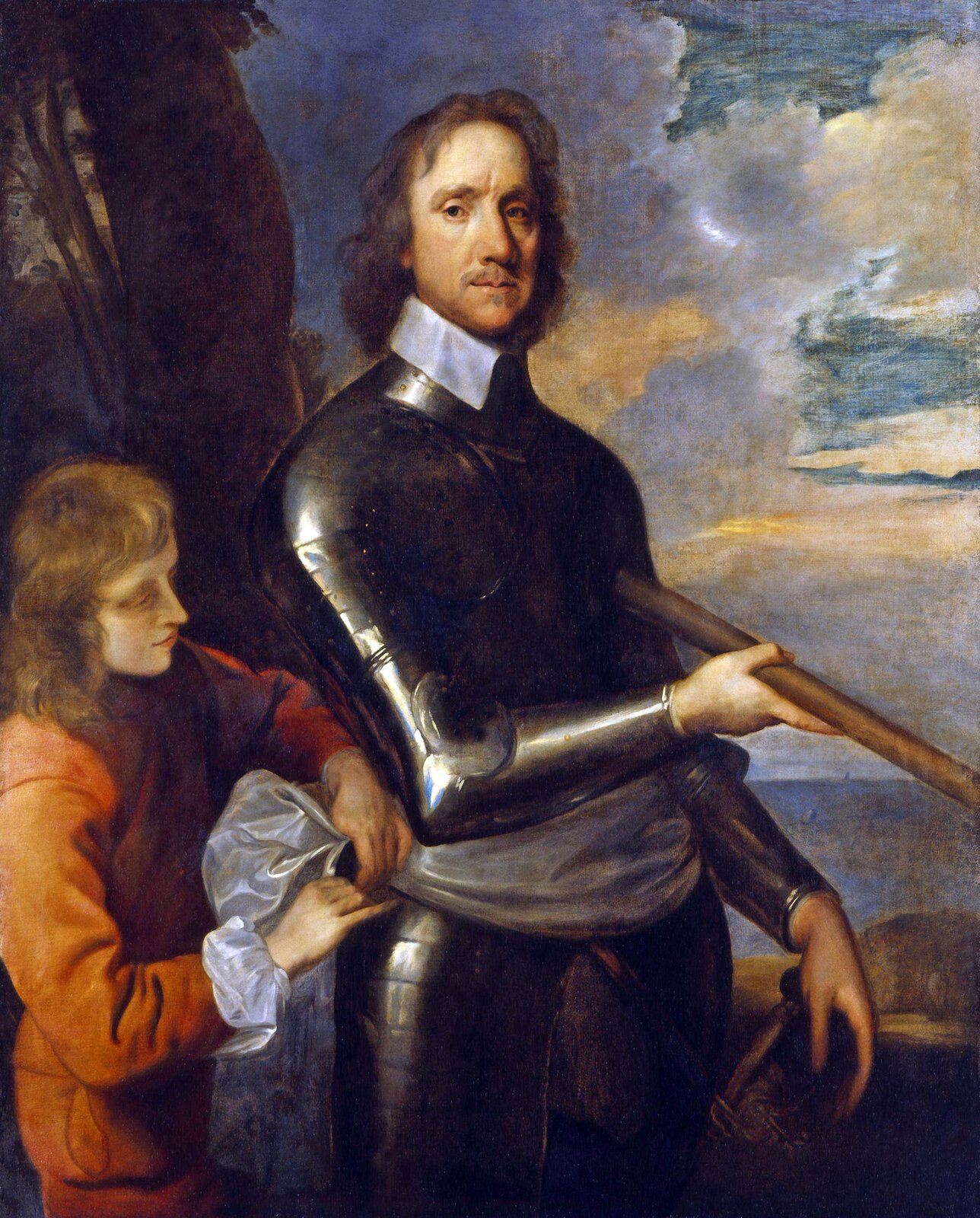
Obraz przedstawiający portret Olivera Cromwella z 1649 roku.
Portrait of Oliver Cromwell from 1649.
Source: Robert Walker, domena publiczna.
Task 3
Wysłuchaj nagrania abstraktu, wyodrębnij jego części i nadaj im tytuły.
Wysłuchaj nagrania abstraktu, wyodrębnij jego części i nadaj im tytuły.
Name the main features of the parliamentary monarchy by the example of England. Compare parliamentary monarchy with absolute monarchy, including:
scope of monarch's power,
rights and obligations of subjects,
the role of institutions representing the society or its orders (parliament).
RHlD0tpTZBXE6
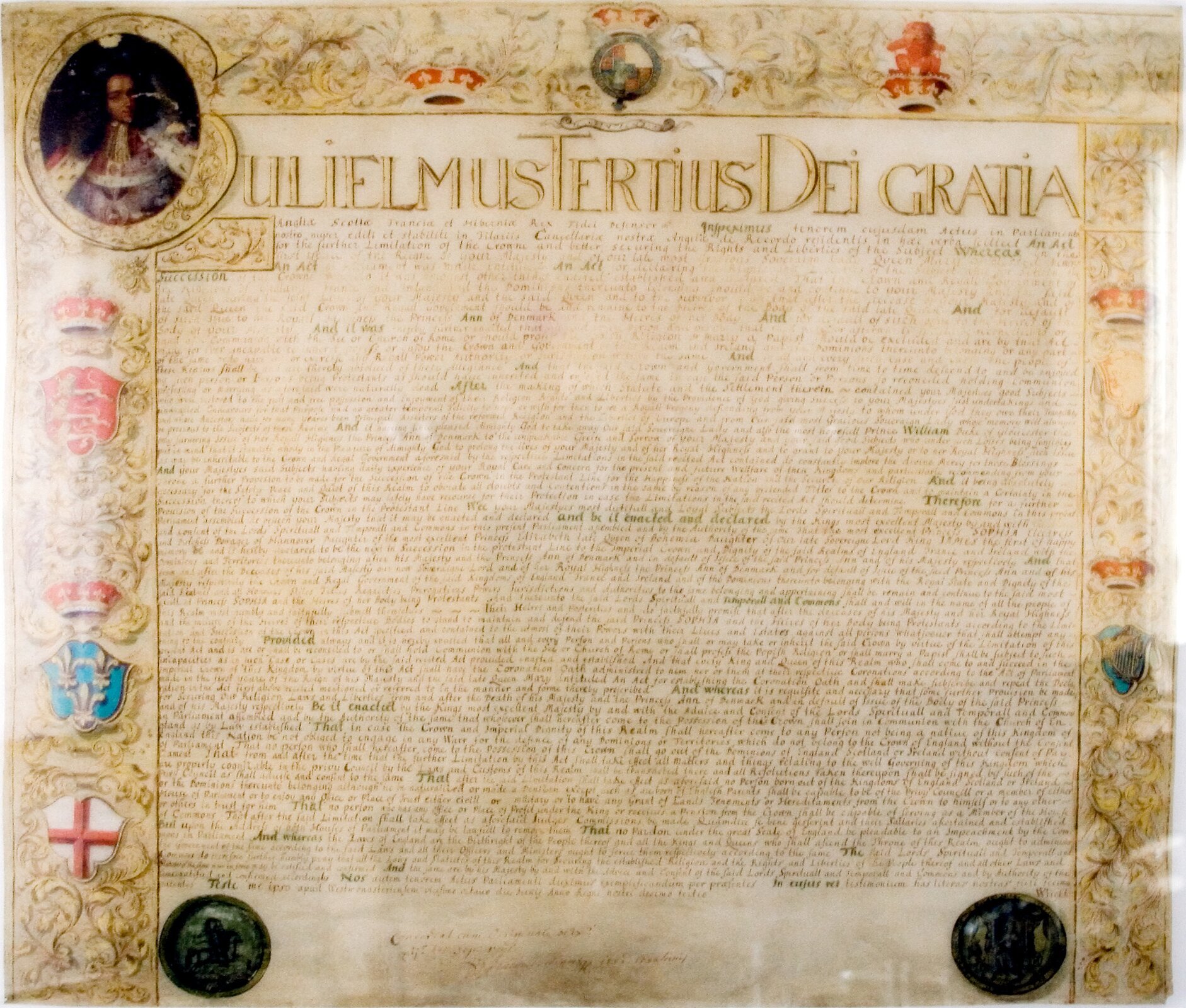
Ilustracja przedstawiająca oficjalny dokument, w którym brytyjski parlament przekazał dziedzictwo tronu linii hanoeryjskiego elektoratu. Ustawa o rozliczeniu została wydana w 1701 roku.
The official document in which the British Parliament transferred the inheritance of the throne to the line of the Hanoverian electorate. Act of Settlement was issued in 1701.
Source: Torsten Bätge, Wikimedia Commons, licencja: CC BY-SA 3.0.
Exercise 1
Wybierz jedno nowe słowo poznane podczas dzisiejszej lekcji i ułóż z nim zdanie.'
Wybierz jedno nowe słowo poznane podczas dzisiejszej lekcji i ułóż z nim zdanie.'
Match terms to definitions.
RVpmiyOQ4HyCy
Bloodless Revolution (Glorious Revolution) Możliwe odpowiedzi: 1. passed in 1689 in England legal act limiting the powers of the monarch, prohibiting inheriting of the throne by Catholics, and expanding the rights of the Parliament., 2. the bloodless revolution, in the result of which the reign of the Stuarts was overthrown in 1688 and the English throne was handed over to the stadtholder of the Netherlands, William of Orange., 3. a form of government, in which the the King is the head of the state, but he shares his power with the parliament, according to the rule: “The King reigns, but does not govern”., 4. the combination of two or more states that have the same monarch., 5. a group that sought the revival of the Church of England in order to keep its doctrinal Calvinistic purity., 6. two parties of the English Parliament. The first one (the Tories) endorsed a strong monarchy, while the second (the Whigs) – strong Parliament., 7. the combination of two or more states based on common state institutions. English Bill of Rights Możliwe odpowiedzi: 1. passed in 1689 in England legal act limiting the powers of the monarch, prohibiting inheriting of the throne by Catholics, and expanding the rights of the Parliament., 2. the bloodless revolution, in the result of which the reign of the Stuarts was overthrown in 1688 and the English throne was handed over to the stadtholder of the Netherlands, William of Orange., 3. a form of government, in which the the King is the head of the state, but he shares his power with the parliament, according to the rule: “The King reigns, but does not govern”., 4. the combination of two or more states that have the same monarch., 5. a group that sought the revival of the Church of England in order to keep its doctrinal Calvinistic purity., 6. two parties of the English Parliament. The first one (the Tories) endorsed a strong monarchy, while the second (the Whigs) – strong Parliament., 7. the combination of two or more states based on common state institutions. Parliamentary monarchy Możliwe odpowiedzi: 1. passed in 1689 in England legal act limiting the powers of the monarch, prohibiting inheriting of the throne by Catholics, and expanding the rights of the Parliament., 2. the bloodless revolution, in the result of which the reign of the Stuarts was overthrown in 1688 and the English throne was handed over to the stadtholder of the Netherlands, William of Orange., 3. a form of government, in which the the King is the head of the state, but he shares his power with the parliament, according to the rule: “The King reigns, but does not govern”., 4. the combination of two or more states that have the same monarch., 5. a group that sought the revival of the Church of England in order to keep its doctrinal Calvinistic purity., 6. two parties of the English Parliament. The first one (the Tories) endorsed a strong monarchy, while the second (the Whigs) – strong Parliament., 7. the combination of two or more states based on common state institutions. Puritans Możliwe odpowiedzi: 1. passed in 1689 in England legal act limiting the powers of the monarch, prohibiting inheriting of the throne by Catholics, and expanding the rights of the Parliament., 2. the bloodless revolution, in the result of which the reign of the Stuarts was overthrown in 1688 and the English throne was handed over to the stadtholder of the Netherlands, William of Orange., 3. a form of government, in which the the King is the head of the state, but he shares his power with the parliament, according to the rule: “The King reigns, but does not govern”., 4. the combination of two or more states that have the same monarch., 5. a group that sought the revival of the Church of England in order to keep its doctrinal Calvinistic purity., 6. two parties of the English Parliament. The first one (the Tories) endorsed a strong monarchy, while the second (the Whigs) – strong Parliament., 7. the combination of two or more states based on common state institutions. Tories and Whigs Możliwe odpowiedzi: 1. passed in 1689 in England legal act limiting the powers of the monarch, prohibiting inheriting of the throne by Catholics, and expanding the rights of the Parliament., 2. the bloodless revolution, in the result of which the reign of the Stuarts was overthrown in 1688 and the English throne was handed over to the stadtholder of the Netherlands, William of Orange., 3. a form of government, in which the the King is the head of the state, but he shares his power with the parliament, according to the rule: “The King reigns, but does not govern”., 4. the combination of two or more states that have the same monarch., 5. a group that sought the revival of the Church of England in order to keep its doctrinal Calvinistic purity., 6. two parties of the English Parliament. The first one (the Tories) endorsed a strong monarchy, while the second (the Whigs) – strong Parliament., 7. the combination of two or more states based on common state institutions. Personal union Możliwe odpowiedzi: 1. passed in 1689 in England legal act limiting the powers of the monarch, prohibiting inheriting of the throne by Catholics, and expanding the rights of the Parliament., 2. the bloodless revolution, in the result of which the reign of the Stuarts was overthrown in 1688 and the English throne was handed over to the stadtholder of the Netherlands, William of Orange., 3. a form of government, in which the the King is the head of the state, but he shares his power with the parliament, according to the rule: “The King reigns, but does not govern”., 4. the combination of two or more states that have the same monarch., 5. a group that sought the revival of the Church of England in order to keep its doctrinal Calvinistic purity., 6. two parties of the English Parliament. The first one (the Tories) endorsed a strong monarchy, while the second (the Whigs) – strong Parliament., 7. the combination of two or more states based on common state institutions. Real union Możliwe odpowiedzi: 1. passed in 1689 in England legal act limiting the powers of the monarch, prohibiting inheriting of the throne by Catholics, and expanding the rights of the Parliament., 2. the bloodless revolution, in the result of which the reign of the Stuarts was overthrown in 1688 and the English throne was handed over to the stadtholder of the Netherlands, William of Orange., 3. a form of government, in which the the King is the head of the state, but he shares his power with the parliament, according to the rule: “The King reigns, but does not govern”., 4. the combination of two or more states that have the same monarch., 5. a group that sought the revival of the Church of England in order to keep its doctrinal Calvinistic purity., 6. two parties of the English Parliament. The first one (the Tories) endorsed a strong monarchy, while the second (the Whigs) – strong Parliament., 7. the combination of two or more states based on common state institutions.
Bloodless Revolution (Glorious Revolution) Możliwe odpowiedzi: 1. passed in 1689 in England legal act limiting the powers of the monarch, prohibiting inheriting of the throne by Catholics, and expanding the rights of the Parliament., 2. the bloodless revolution, in the result of which the reign of the Stuarts was overthrown in 1688 and the English throne was handed over to the stadtholder of the Netherlands, William of Orange., 3. a form of government, in which the the King is the head of the state, but he shares his power with the parliament, according to the rule: “The King reigns, but does not govern”., 4. the combination of two or more states that have the same monarch., 5. a group that sought the revival of the Church of England in order to keep its doctrinal Calvinistic purity., 6. two parties of the English Parliament. The first one (the Tories) endorsed a strong monarchy, while the second (the Whigs) – strong Parliament., 7. the combination of two or more states based on common state institutions. English Bill of Rights Możliwe odpowiedzi: 1. passed in 1689 in England legal act limiting the powers of the monarch, prohibiting inheriting of the throne by Catholics, and expanding the rights of the Parliament., 2. the bloodless revolution, in the result of which the reign of the Stuarts was overthrown in 1688 and the English throne was handed over to the stadtholder of the Netherlands, William of Orange., 3. a form of government, in which the the King is the head of the state, but he shares his power with the parliament, according to the rule: “The King reigns, but does not govern”., 4. the combination of two or more states that have the same monarch., 5. a group that sought the revival of the Church of England in order to keep its doctrinal Calvinistic purity., 6. two parties of the English Parliament. The first one (the Tories) endorsed a strong monarchy, while the second (the Whigs) – strong Parliament., 7. the combination of two or more states based on common state institutions. Parliamentary monarchy Możliwe odpowiedzi: 1. passed in 1689 in England legal act limiting the powers of the monarch, prohibiting inheriting of the throne by Catholics, and expanding the rights of the Parliament., 2. the bloodless revolution, in the result of which the reign of the Stuarts was overthrown in 1688 and the English throne was handed over to the stadtholder of the Netherlands, William of Orange., 3. a form of government, in which the the King is the head of the state, but he shares his power with the parliament, according to the rule: “The King reigns, but does not govern”., 4. the combination of two or more states that have the same monarch., 5. a group that sought the revival of the Church of England in order to keep its doctrinal Calvinistic purity., 6. two parties of the English Parliament. The first one (the Tories) endorsed a strong monarchy, while the second (the Whigs) – strong Parliament., 7. the combination of two or more states based on common state institutions. Puritans Możliwe odpowiedzi: 1. passed in 1689 in England legal act limiting the powers of the monarch, prohibiting inheriting of the throne by Catholics, and expanding the rights of the Parliament., 2. the bloodless revolution, in the result of which the reign of the Stuarts was overthrown in 1688 and the English throne was handed over to the stadtholder of the Netherlands, William of Orange., 3. a form of government, in which the the King is the head of the state, but he shares his power with the parliament, according to the rule: “The King reigns, but does not govern”., 4. the combination of two or more states that have the same monarch., 5. a group that sought the revival of the Church of England in order to keep its doctrinal Calvinistic purity., 6. two parties of the English Parliament. The first one (the Tories) endorsed a strong monarchy, while the second (the Whigs) – strong Parliament., 7. the combination of two or more states based on common state institutions. Tories and Whigs Możliwe odpowiedzi: 1. passed in 1689 in England legal act limiting the powers of the monarch, prohibiting inheriting of the throne by Catholics, and expanding the rights of the Parliament., 2. the bloodless revolution, in the result of which the reign of the Stuarts was overthrown in 1688 and the English throne was handed over to the stadtholder of the Netherlands, William of Orange., 3. a form of government, in which the the King is the head of the state, but he shares his power with the parliament, according to the rule: “The King reigns, but does not govern”., 4. the combination of two or more states that have the same monarch., 5. a group that sought the revival of the Church of England in order to keep its doctrinal Calvinistic purity., 6. two parties of the English Parliament. The first one (the Tories) endorsed a strong monarchy, while the second (the Whigs) – strong Parliament., 7. the combination of two or more states based on common state institutions. Personal union Możliwe odpowiedzi: 1. passed in 1689 in England legal act limiting the powers of the monarch, prohibiting inheriting of the throne by Catholics, and expanding the rights of the Parliament., 2. the bloodless revolution, in the result of which the reign of the Stuarts was overthrown in 1688 and the English throne was handed over to the stadtholder of the Netherlands, William of Orange., 3. a form of government, in which the the King is the head of the state, but he shares his power with the parliament, according to the rule: “The King reigns, but does not govern”., 4. the combination of two or more states that have the same monarch., 5. a group that sought the revival of the Church of England in order to keep its doctrinal Calvinistic purity., 6. two parties of the English Parliament. The first one (the Tories) endorsed a strong monarchy, while the second (the Whigs) – strong Parliament., 7. the combination of two or more states based on common state institutions. Real union Możliwe odpowiedzi: 1. passed in 1689 in England legal act limiting the powers of the monarch, prohibiting inheriting of the throne by Catholics, and expanding the rights of the Parliament., 2. the bloodless revolution, in the result of which the reign of the Stuarts was overthrown in 1688 and the English throne was handed over to the stadtholder of the Netherlands, William of Orange., 3. a form of government, in which the the King is the head of the state, but he shares his power with the parliament, according to the rule: “The King reigns, but does not govern”., 4. the combination of two or more states that have the same monarch., 5. a group that sought the revival of the Church of England in order to keep its doctrinal Calvinistic purity., 6. two parties of the English Parliament. The first one (the Tories) endorsed a strong monarchy, while the second (the Whigs) – strong Parliament., 7. the combination of two or more states based on common state institutions.
passed in 1689 in England legal act limiting the powers of the monarch, prohibiting inheriting of the throne by Catholics, and expanding the rights of the Parliament., the bloodless revolution, in the result of which the reign of the Stuarts was overthrown in 1688 and the English throne was handed over to the stadtholder of the Netherlands, William of Orange., the combination of two or more states that have the same monarch., a group that sought the revival of the Church of England in order to keep its doctrinal Calvinistic purity., two parties of the English Parliament. The first one (the Tories) endorsed a strong monarchy, while the second (the Whigs) – strong Parliament., the combination of two or more states based on common state institutions., a form of government, in which the the King is the head of the state, but he shares his power with the parliament, according to the rule: “The King reigns, but does not govern”.
Bloodless Revolution (Glorious Revolution)
English Bill of Rights
Parliamentary monarchy
Puritans
Tories and Whigs
Personal union
Real union
Keywords
Parliamentary monarchy, personal union, real union
Bezkrwawa rewolucja (sławetna rewolucja) – bezkrwawy przewrót, w wyniku którego obalono w 1688 r. rządy Stuartów i przekazano tron angielski namiestnikowi Niderlandów Wilhelmowi Orańskiemu.
Deklaracja Praw – wydany w Anglii w 1689 r. akt prawny ograniczający władzę monarchy, zakazujący dziedziczenia tronu przez katolików, rozszerzający prawa Parlamentu.
Monarchia parlamentarna – forma rządów, w której głową państwa jest król, ale swoją władzę dzieli z parlamentem, zgodnie z zasadą: „król panuje, lecz nie rządzi”.