Regulations for travellers
you will expand the vocabulary related to “travel by train”;
you will tell about regulationsregulations for rail travellerstravellers;
you will compare the national and regional vocabulary
Which means of transport is shown in the illustration? Arrange the puzzle.
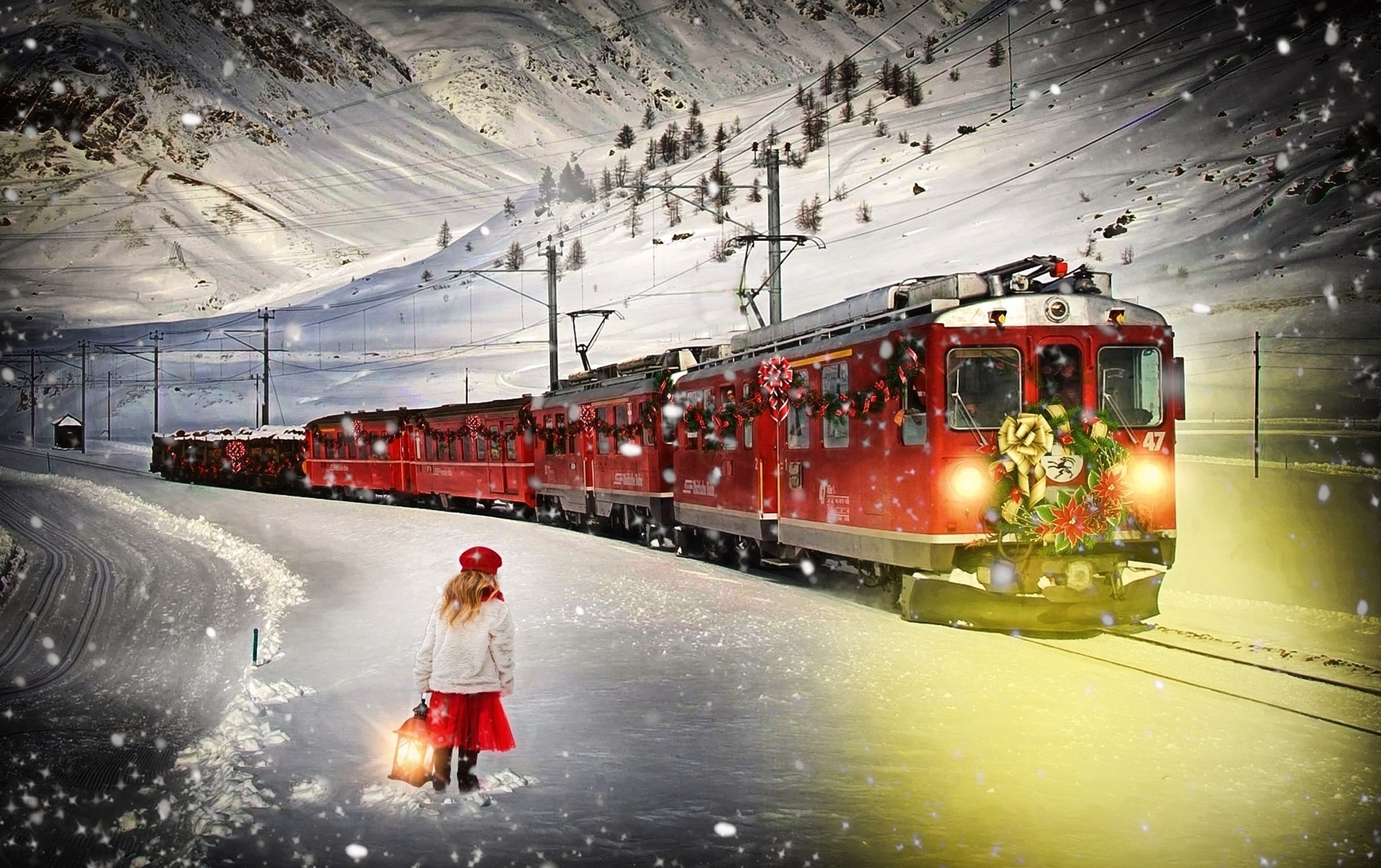
What are the pros and cons of travelling by train? Discuss this in the classroom.
Working in groups, write down some regulations that apply to people travelling by train. Use imperative. Use sample vocabulary:luggage, seat, , , , timetable, silence.
Working in groups, write down some regulations that apply to people travelling by train. Use imperative. Use sample vocabulary: luggage, seat, ticketticket, conductorconductor, platformplatform, timetable, silence.
Groups I and III write down “do’s”
Groups II and IV write down “don’ts”
Write down your proposals here or in the notebook.
Write down what is the responsibility of the conductor, engine driver and stationmasterstationmaster. If necessary, see the Polish (English) dictionary. Write down the note in the notebook.
Read the regulations for PKP (Polskie Koleje Państwowe) travellers. Pay attention to do’s and don’ts on the train.
Przepisy PKP dla podróżujących
Chto chce jechać kolejom – ten musi mieć bilet. Bilet kupuje się przi kasie za pieniądze, aż do tego miejsca, kaj sie chce jechać. Chto jechać nie chce – może biletu nie kupować.
Naczelnik stacyi abo zawiadowca jest łod tego, coby kozoł trąbić abo tyż żeby piskoł. Poznać go idzie po czerwonej czapce, takim samym nosie i zaspanej minie.
Do pociągu wsiodo się bez drzwiczki i wysiodo sie tom samom drogom. Jednocześnie do Krakowa i Bytomia wyjechać nie idzie.
Kierunek jazdy wybiero se som podróżny. Dozwolóno mu jest na ten przikłod z Bytomia do Sosnowca jechać bez Wrocław.
Dzieci płacom pół bileta. Panny po 30 latach za dzieci uwożać nie idzie, choćby były małe i bardzo głupie.
Siafner, czyli konduktor, jest to taki urzędnik, kiery robi dziurki.
Chto mo bilet wolnej jazdy, ten płacić nie potrzebuje – chyba że sie koniecznie uprze.
Do kupeju można zabierać ino meńsze tłumoczki, przez co żony zabierać nie wolno.
Jeśli podróżny chce ździebko użyć ruchu, wolno mu lecieć za pociągiem.
Jeśli sie pociąg wykolei, to mu tego nie śmiesz brać za złe, bo przeca koń mo śtyry nogi, tyż sie potknie.
Jak pociąg jest w połnym biegu, wtedy do knajpy wstępować nie możno.
Pociągów przez letnie miesiące sie nie łogrzywo.
Za nieudane napady miłosne dyrekcje nie łodpowiadajom.
Pociągi nadchodzom w rozmaitych godzinach z rozmaitych stacyj.
Za jodło i picie w resturacjach kolejowych musi sie płacić.
Używać firanek wagonowych na pieluchy lo dziecek nie wolno.
Polowanie i strzylanie w wagonach jest niedozwolone, za wyjątkiem niesrogiej nagonki na gęsi.
Source: Stanisław Ligoń, Przepisy PKP dla podróżujących, Katowice 1985.
What is the style of Stanisław Ligoń's text? Humorous? Official? Scientific? Justify your answer here or in the notebook.
Answer by indicating the appropriate excerpts of the text.
What is not allowed to do on the train?
What are the travellers’ obligations?
What is allowed to do on the train?
Indicate in the text the explanations of what is the responsibility of the stationmaster and conductor.
In blue, mark in the text the examples of words that are not used in Polish national language. Then give their Polish national language equivalents. Write down your answers in the notebook. Pay attention to the words that are still in common use. Mark them yellow.
1. {blue}Chto{/blue} chce jechać {blue}kolejom{/blue} – ten musi mieć bilet. Bilet kupuje się przi {yellow}kasie{/yellow} za pieniądze, aż do tego miejsca, kaj sie chce jechać. Chto jechać nie chce – może biletu nie kupować.
2. Naczelnik stacyi abo zawiadowca jest łod tego, coby {blue}kozoł{/blue} trąbić abo tyż żeby {blue}piskoł{/blue}. Poznać go idzie po czerwonej czapce, takim samym nosie i {yellow}zaspanej{/yellow} minie.
3. Do pociągu wsiodo się bez {yellow}drzwiczki{/yellow} i {blue}wysiodo{/blue} sie tom samom drogom. Jednocześnie do Krakowa i {yellow}Bytomia{/yellow} wyjechać nie idzie.
4. Kierunek jazdy {blue}wybiero se som{/blue} podróżny. {blue}Dozwolóno{/blue} mu jest na ten {blue}przikłod{/blue} z Bytomia do Sosnowca jechać bez Wrocław.
5. Dzieci płacom pół bileta. {yellow}Panny{/yellow} po 30 latach za dzieci {blue}uwożać{/blue} nie idzie, choćby były małe i bardzo głupie.
6. {blue}Siafner{/blue}, czyli konduktor, jest to taki urzędnik, {blue}kiery{/blue} robi {yellow}dziurki{/yellow}.
7. Chto mo bilet wolnej jazdy, ten płacić nie potrzebuje – chyba że sie koniecznie {yellow}uprze{/yellow}.
National Polish language is a language spoken by all Poles, regardless of where they live, you can hear this kind of language in the media.
Dialect, on the other hand, is the language people speak in a specific region, and it differs slightly from the national language.
Which point was the funniest to you? Translate it into the national Polish language. Write down your proposal here or in the notebook.
Which point was the funniest to you? Translate it into the national Polish language. Write down your proposal here or in the notebook.
List the categories of trains running in our country.

1. Ancient times Imagine that the railway existed already in ancient times. A horse-railway was used on some heavily laden access roads to Rome. For this purpose, grooves in the stone slabs of roads were used.
2. Middle Ages/modern era At the turn of the Middle Ages and modern era, the mines, where heavy loads had to be transported, made use of the invention of wooden rails. Wooden rails had many drawbacks. Wagons often derailed on muddy rails and wood quickly rotted on wet base surface. The picture shows a Hungarian wooden railway from the 16th century.
3. Cable railways Cable railways - combined rail and cableway, in which the movement of a vehicle is caused by a drive cable. It is usually used on steep slopes. The picture shows one type of such railway – the so-called funicular (in Zurich).
4. Horse-railway In 1803 the first horse-railway for public use appeared, which was used to transport goods, and in 1807 also for passenger transport. The picture shows a reconstructed wagon of the Linecko-Budziejowicka horse-railway on the rebuilt several hundred meters long section of the line in Austria.
5. Steam locomotives Since 1804, attempts had been made to use steam locomotives. A steam locomotive is a steam engine powered locomotive. Steam comes from a coal-fired boiler. The picture shows narrow-gauge (600 mm) steam locomotive from 1925 on the Maltanka route.
6. Fast trains Today we want to travel by ultra-fast trains. Japan was the first country to start work on a high-speed rail system. The picture shows Shinkansen trains reaching 450 kilometers per hour.
Match the pairs: English words with Polish definition.
wagon, zawiadowca stacji, konduktor, zasady, maszynista, peron, kasować bilet, bilet, przepisy, bilet powrotny, przedział, podróżny
| rules | |
| regulations | |
| traveller | |
| conductor | |
| stationmaster | |
| engine‑driver | |
| compartment | |
| wagon | |
| platform | |
| ticket | |
| return ticket | |
| to punch the ticket |
Keywords
rulesrules, regulations, railway, train, traveller
Glossary
zasady
przepisy
podróżny
konduktor
zawiadowca stacji
maszynista
przedział
wagon
peron
bilet
bilet powrotny
kasować bilet