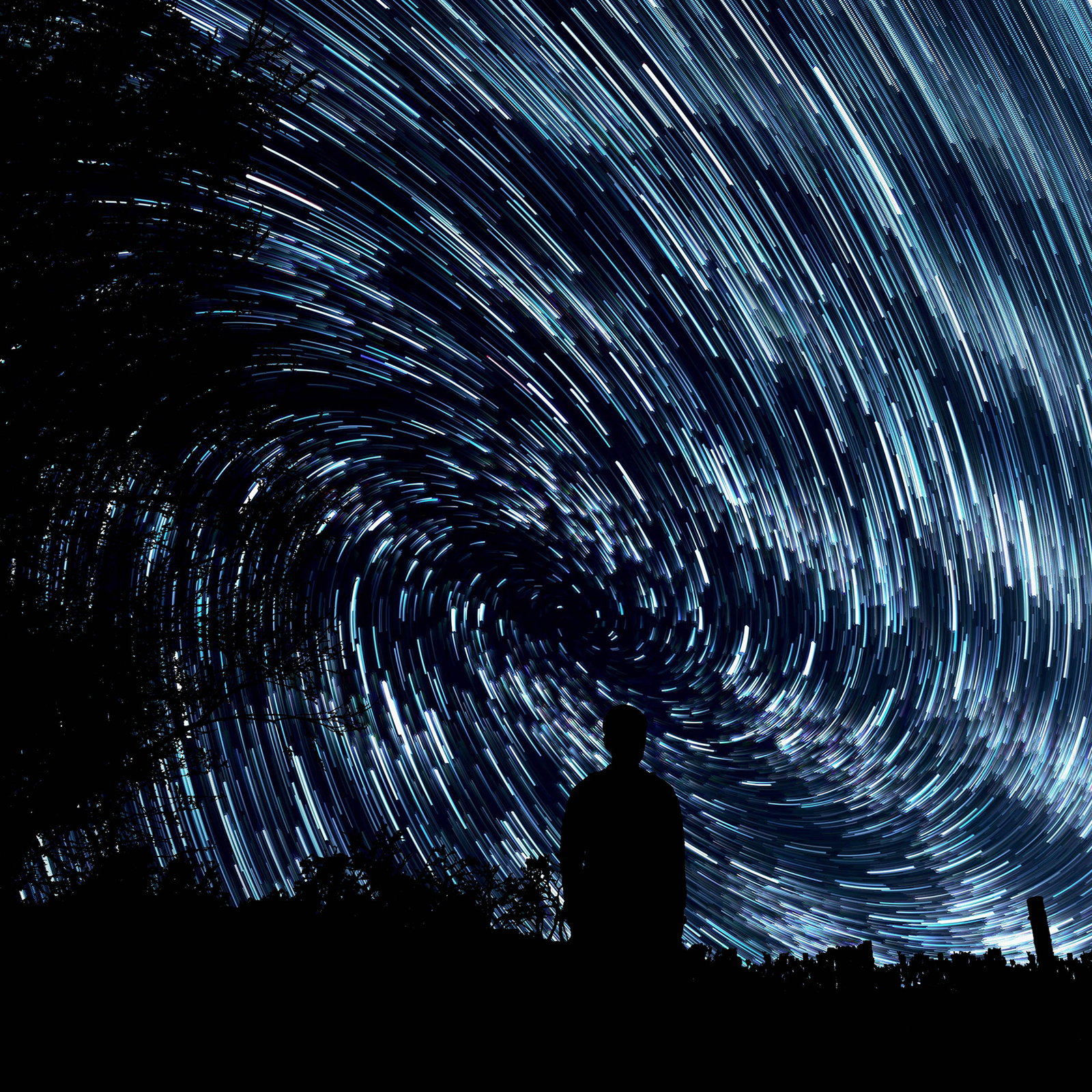
Tom: Hi Greg! I hope you remember that we are going to go gazing at the sky this weekend.
Greg: Sure, I do. I would never miss such an opportunity!
Tom : Will you come to my house? We can stay on the terrace and observe the sky.
Greg: No way! We need to choose a better place for it.
Tom : I see… You know what? Let’s listen to a podcast with a famous astronomer John Brown. It’s about meteor showers. I’m sure we’ll find out some interesting facts about them.
Greg: Oh, good idea!
PODCAST
John Brown: Hello everyone and welcome to another exciting episode of “Science Wonders”. I’m your host - John Brown and today I’m going to take you on a journey to explore the fascinating world of meteor showers. Are you ready?
Let’s start with the basics. Meteor showers are spectacular celestial events that occur when Earth passes through debris left behind by comets or asteroids. These debris particles are called meteors. They are made up of oxygen, silicone, dust particles or heavy metals, such as iron and nickel. Meteors enter our atmosphere and create bright streaks of light we call “shooting stars”.
So when can we see them? The strongest annual shower peaks are Quadrantids in January, Perseids in August, and Geminids in December. Meteor shower activity varies from year to year, sometimes taking the form of storms. It’s recommended to follow the meteor shower calendar but generally we can observe up to 30 meteor showers each year.
Let’s move on to another interesting fact. Do you know that the celestial light shows are named after the constellation they appear to originate from? The meteor showers that seem to fall from the constellation Perseus are called the Perseids. This is the one we will observe in August. You can see the best meteor showers at night when the sky is cloudless. Find a location with minimal light and put your phone or camera aside. It is recommended to stay in almost complete darkness to make sure your eyes are adapted to it.
By the way, have you heard that Ptolemy, who was an astronomer in the first century A.D, believed that shooting stars were signs of the gods who were looking after mortals and listening to their wishes. Interesting, isn't it? Thank you for today, stay curious, keep stargazing and until next time!
Greg: Wow! so stars are big balls of gas, far away from the Earth. That’s amazing.
Tom: Yes and the names are fantastic! So where are we going to observe the sky?
Greg: I think a hill in the suburbs is the perfect spot. We will be able to watch as much of the sky as possible.
Tom: You’ve got a point! And we need to prepare warm blankets and a ton of sandwiches, as we’ll stay there for a couple of hours in hopes of seeing the shooting stars.
Greg: Yeah, you’re right.