Poland under two occupants
the method in which the Third Reich and USSR were striving to destroy the Polish nation;
what the forms of resistance of the society against occupants were;
the meaning of the following terms: ghettoghetto, concentration campconcentration camp, occupationoccupation, conspiration, minor sabotageminor sabotage, underground educationunderground education;
indicate the largest extermination camps and ghettos on the map;
what the Polish Underground StatePolish Underground State was.
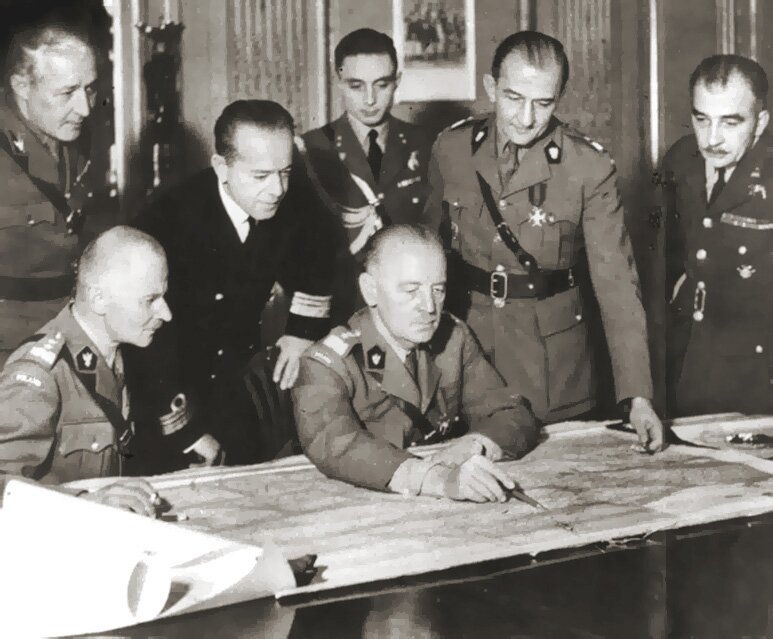
At the end of September 1939, Poland was divided between the Third Reich and the USSR. The Republic of Poland once again disappeared from the map. Both occupants began a mass terror against the Polish population, sending them to camps, deporting them deep into the country for forced labour, or simply murdering them. Both the Nazis and the communists exterminated the Polish leadership and intelligentsia. The symbols of Polish martyrdom were Palmiry and Katyń, where the occupants carried out mass executions. The fate of Polish JewsJews, considered by the German authorities to be enemies, was also tragic. Some of the Polish leaders made their way to the West. Polish government‑in‑exile was formed, led by General Władysław Sikorski, and then, after his death in an air crash, Stanisław Mikołajczyk. Some of the soldiers also evacuated. Poles fought on all fronts of the Second World War. The country created the Underground State, the structures of which were subordinate to the government in London. The armed force was the Union of Armed Struggle (later the Home Army).
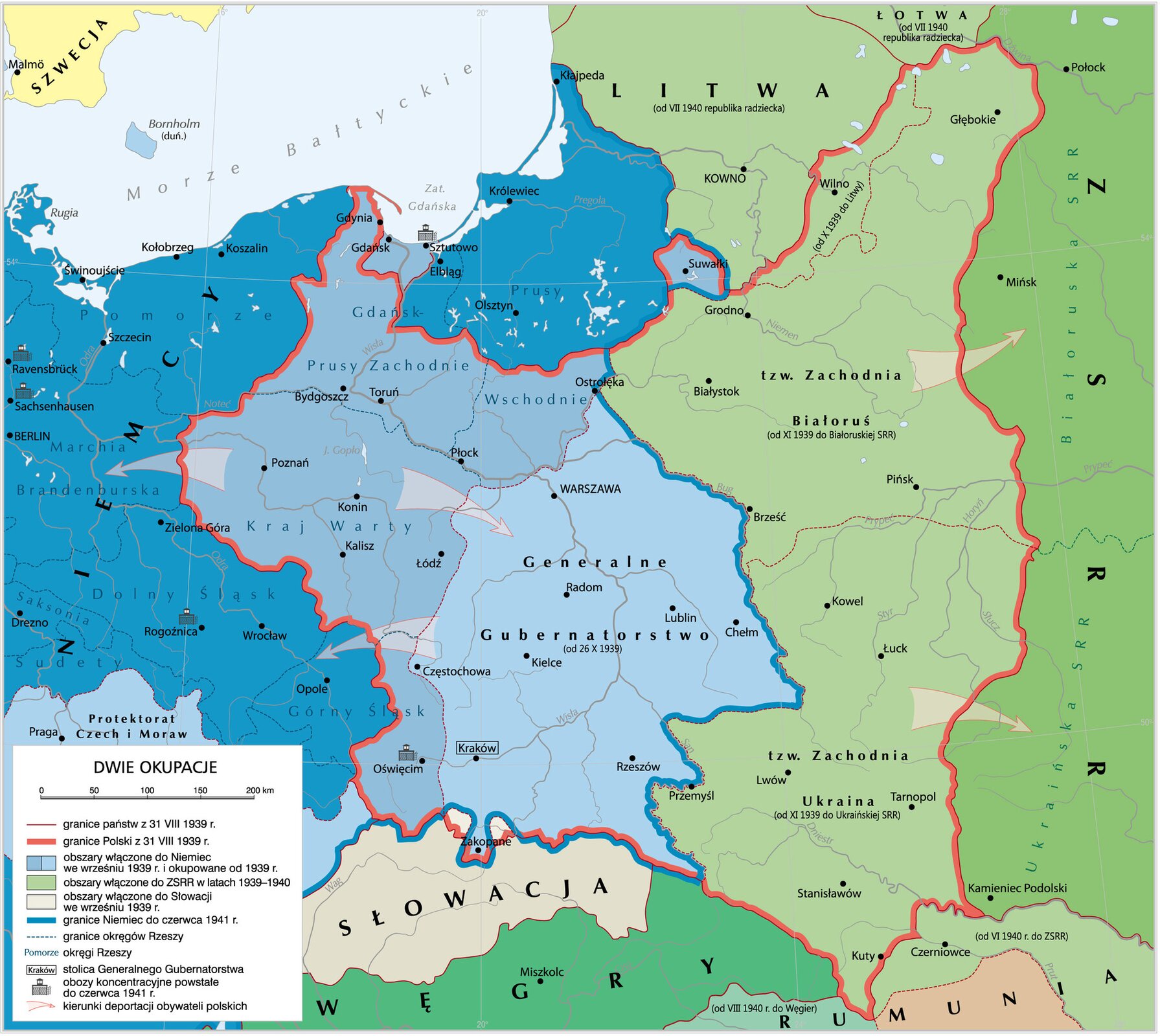
Where do these people come from? Read what they said and drag the labels: GG - General Government, Third Reich - lands incorporated into the Third Reich, USSR - lands incorporated into the USSR.
USSR, USSR, USSR, Third Reich, Third Reich, GG, USSR, GG
The Germans closed our Jagiellonian University and transported its professors to concentration camps. It is good that they have chosen our city as the capital of the General Government, at least they care a little bit about it. ......................
It is said that people have voted for themselves that they want to belong to the Soviet Ukraine and Soviet Belarus - but nobody believes that the votes have been counted fairly. ......................
The Germans displaced us from our house and transported us to Łódź - for them it was already "abroad". It is said that a German family moved into our house. ......................
My friend's father worked in the starosty before the war and his mother was a teacher. One day in the spring of 1940, he said that it was probably the last time we had seen each other, because until tomorrow they had to pack up what they could carry and appear at the railway station - they would probably take them away, but they did not say where to. I suppose somewhere far east, maybe to Siberia, as in the 19th century. ......................
At the beginning it was quite good, and now we are learning in Polish, but what we are taught is how wonderful the Soviet Union and its leader, Stalin, is. We must wear pioneering scarves and say that we do not believe in God. ......................
We, Silesians, must pretend to be Germans. The parents signed some document in this respect. We speak German only. Dad said that otherwise it would be bad for us. He is probably right, because I stopped seeing many of my neighbors - some of them were supposedly deported to concentration camps, others were simply shot. That’s terrible! ......................
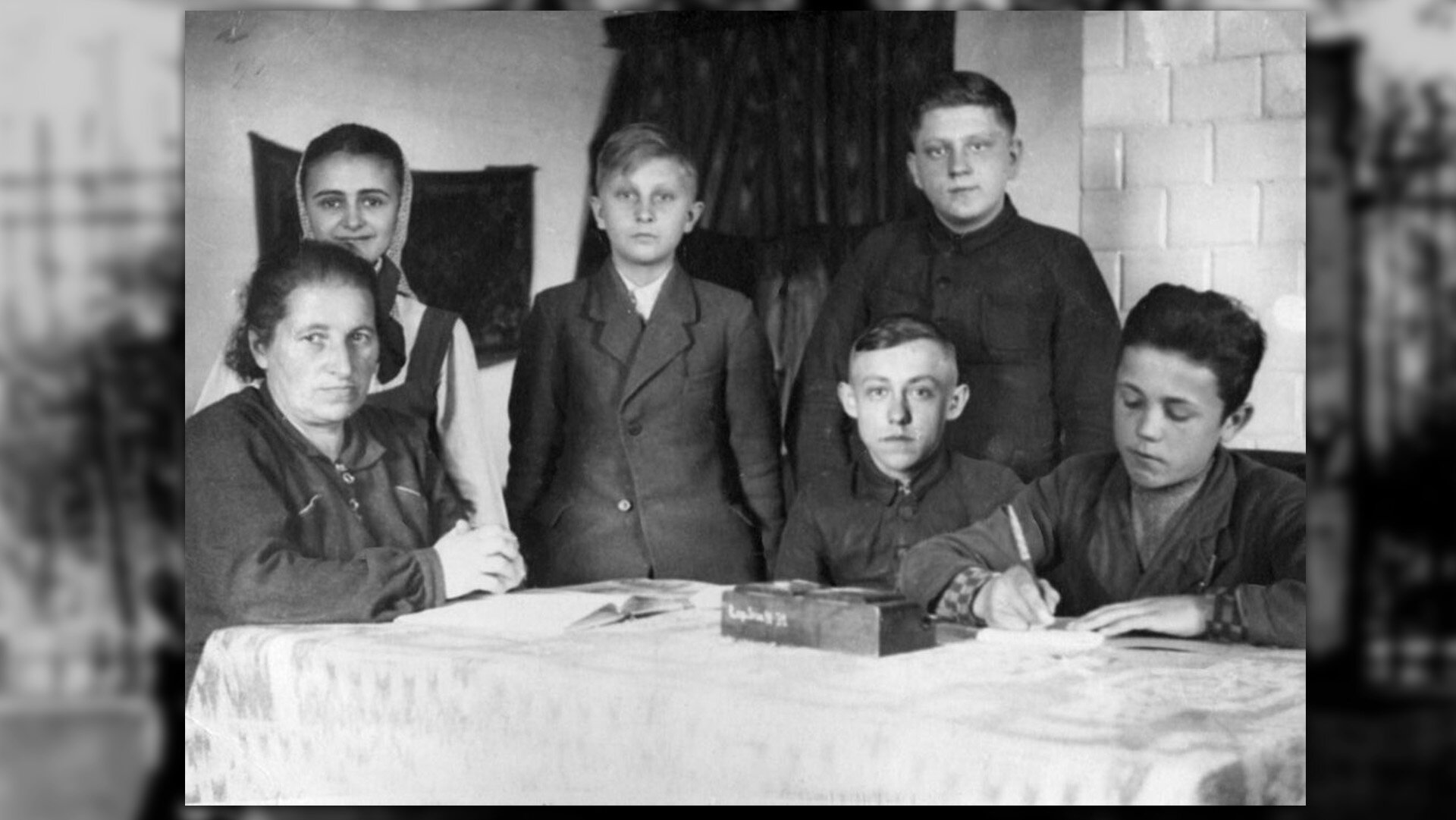
The Germans established their order and closed all schools except primary schools. Fortunately, the spirit in the nation does not vanish. I go to a secret high school near the Royal Castle, although officially these are only sewing courses. My sister is studying at the "Flying University". ......................
My uncle was an officer of the Polish Army. He was taken into captivity by the Soviets on 20th September 1939,. He wrote letters to us from the camp in Kozielsk until April 1940. We had no news of him until 1943, when we had heard on the radio that thousands of Polish officers had been murdered in the forest near Katyń on the order of the Soviet authorities. However, the USSR authorities did not want to admit this. ......................
On the base of the Search comic strip, which you read at home, match the definitions to the terms.
A closed district where all the Jews of a given city have to live in very difficult conditions., Isolated place where people were transported, without a trial, to be killed., Isolated place where people were imprisoned without a trial in very poor conditions for various reasons inconvenient to the authorities. They were forced to work hard and obey unconditionally.
| concentration camp | |
| ghetto | |
| extermination camp |
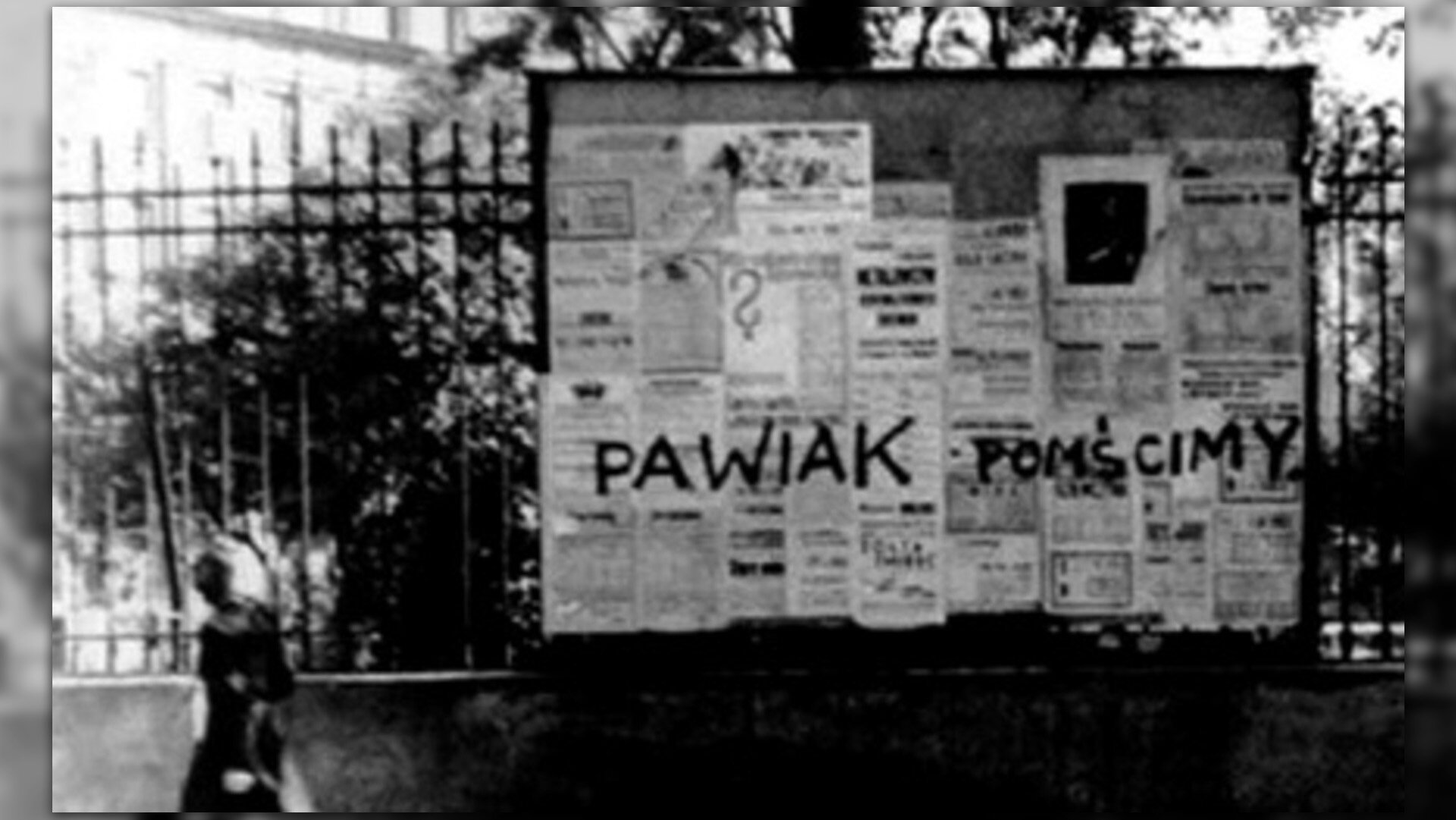
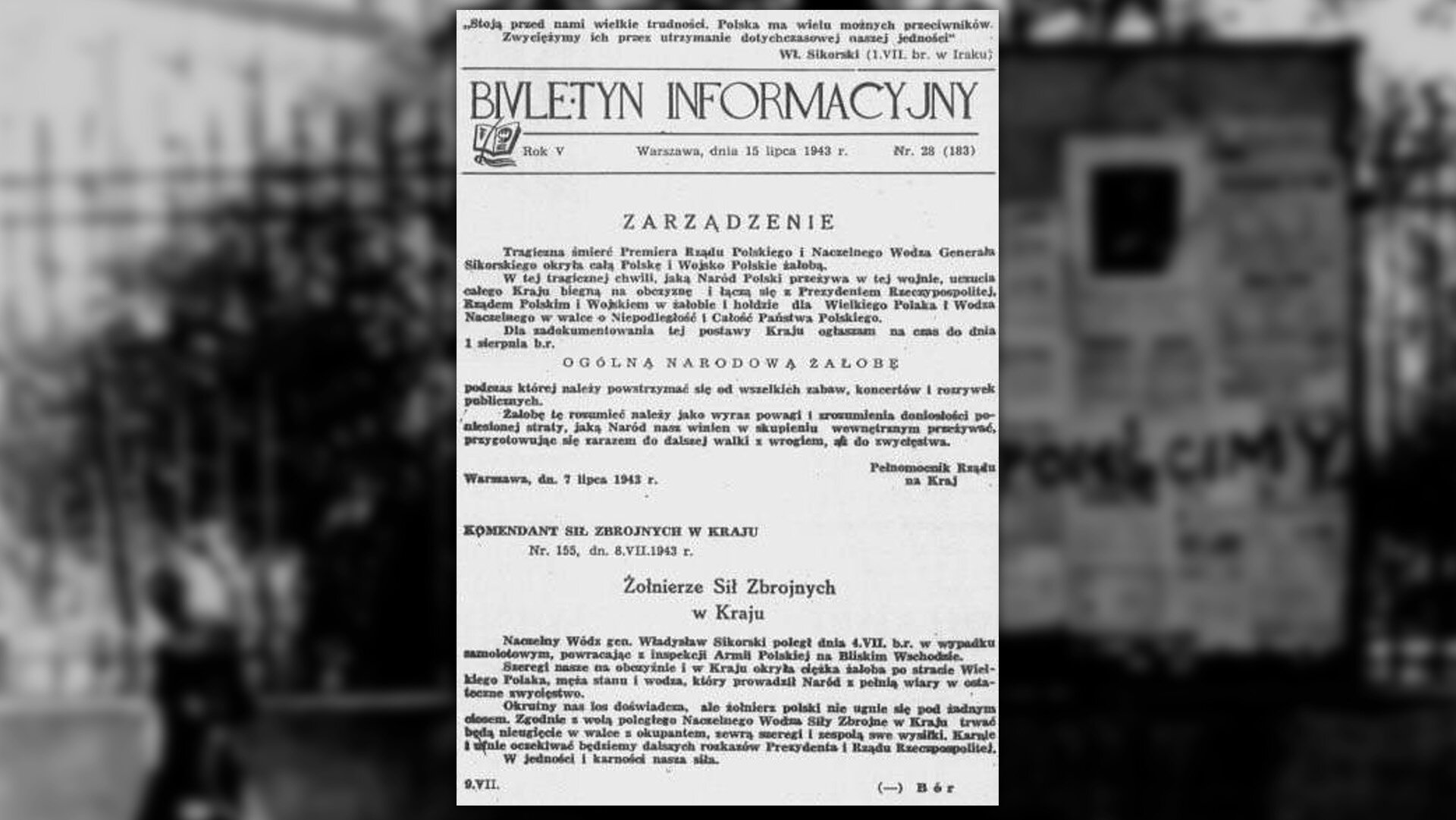
Read the Ten Commandments of the Civil War and mark what the Pole-Patriarch should do and how to behave.
zielony
10 Commandments of the Civil War:
1) Poland fights against the enemy not only outside the country, but also in its occupied territories.
2) Until the beginning of the armed war - civil war is the expression of war in Poland.
3) Participation in a civil war is the duty of every Polish citizen.
4) The basic order and obligation is respecting legitimate Polish authorities in exile (…).
5) An order of a civil war against the occupant is boycott of its orders and calls, obstructing its actions (…) and an absolute boycott in commercial, cultural and social relations.
6) The necessity of solidarity of society is obligatory, supporting Polish neighbor anywhere the doom or misery threatens to him.
7) Keep up at the highest level
a sense of national honor i zgodnie z tym honorem postępowaćand follow this honor.
8) In case of Pole's deviation from the applicable rules of conduct it is necessary to counteract, (…).
9) In case of renegades boycott is applied, as against the enemy and registering them as traitors.
10) It is the duty of every Pole concern about saving the Polishness in every form: human, cultural and material as the forces needed to win freedom and rebuild the Homeland.
Poles! The degree of compliance with the above principles and orders will be a test of our civic value towards future generations. Remember that in the days of freedom we all will have to report on our current position and our acts.
From the words given, form sentences about various forms of resistance of Poles during the occupation. For simplification, the first word of correctly constructed phrases is given.
gave from access to the world papers illegal information
Illegal ...................................................................................................
supported funny of resistance songs spirit
Spirit of ...............................................................................
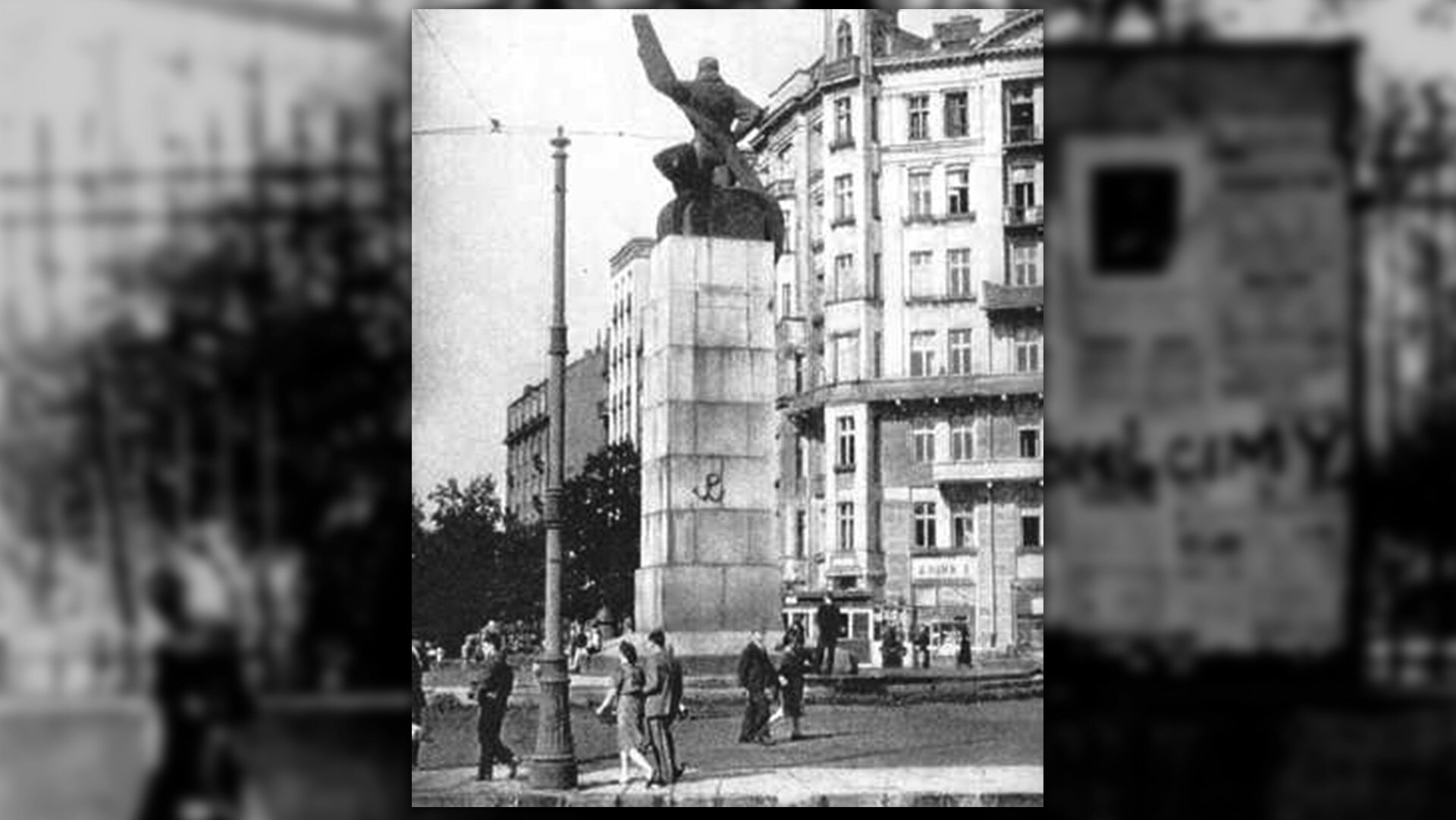
illegal on the reminded about the walls Poland inscriptions
Illegal ...............................................................................................
German blowing up losses trains great caused to the occupant
Blowing up ...................................................................................................
allowed not to confuse education underground young people
Underground ...........................................................................................
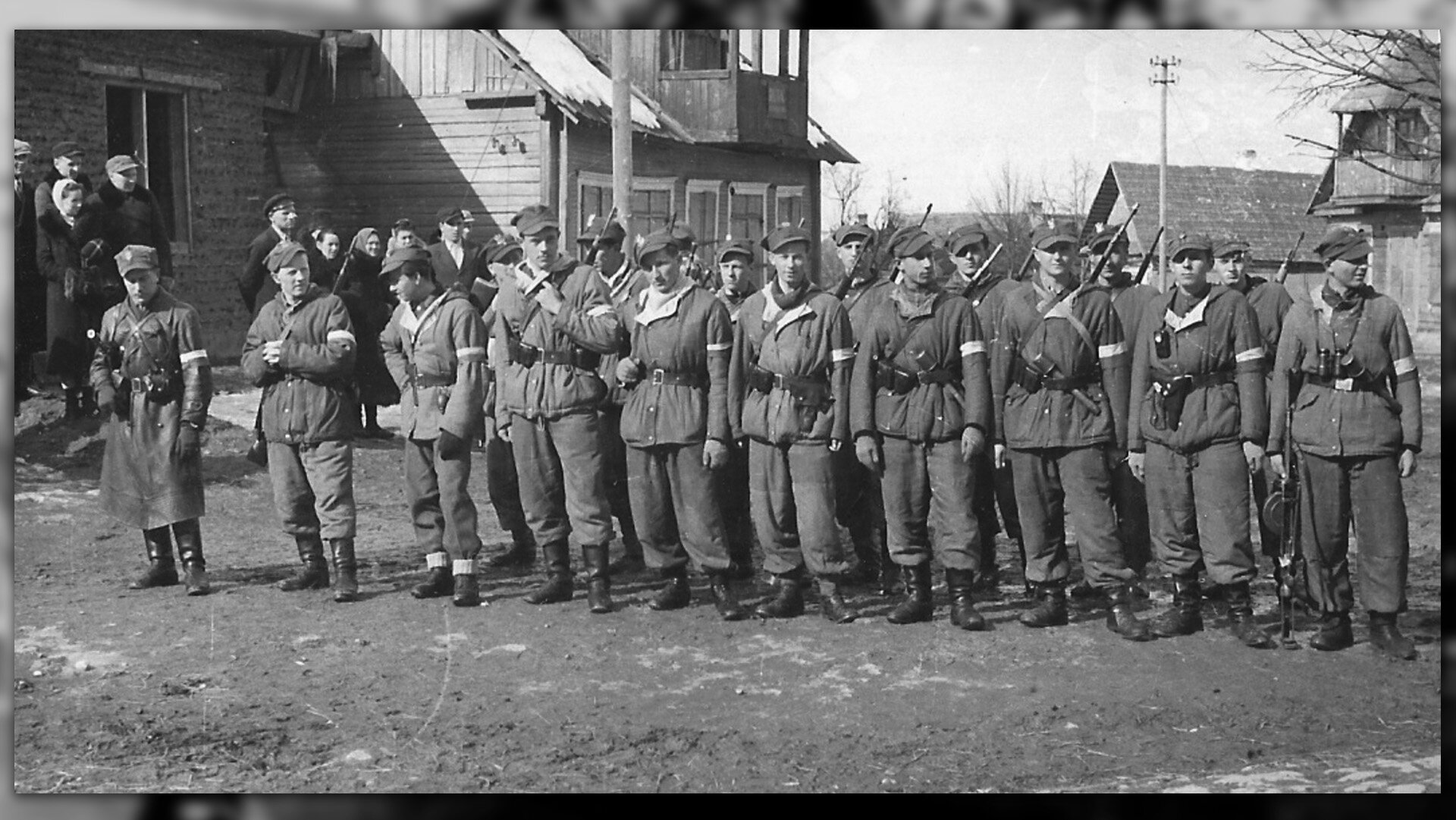
Home attacks armed Army was preparing for
Home .........................................................................
Mark the true statements.
- During World War II Poland found itself under two occupations - German and Soviet.
- Only Jews were imprisoned in the concentration camps.
- The closed district where Jews were placed during the war is a ghetto.
- Warsaw was the capital of the General Government.
- Writing patriotic slogans on walls in occupied Poland was one of the actions of a minor sabotage.
- Underground education are illegal meetings whose main purpose was to sing patriotic songs together.
- Any help to the hiding Jews was punishable by the death penalty.
- Only the German army persecuted and murdered.
- Polish soldiers and officers were murdered by Soviet soldiers in Katyń.
- The Polish Underground State was a secret, small organization operating mainly in Warsaw.
Keywords
civil struggle, occupation, World War II, the Polish Underground State
Glossary
mały sabotaż – akcje konspiracyjne przeprowadzane najczęściej przez młodzież przeciwko okupantowi niemieckiemu. Należały do nich, m.in.: wypisywanie patriotycznych haseł i znaków, rozrzucanie ulotek, ośmieszanie okupanta czy wysyłanie ostrzeżeń.
okupacja – czasowe zajęcie jakiegoś terenu (np. państwa) przez wrogie siły i wprowadzenie tam swojej władzy.
prześladowania – celowe nękanie, szykanowanie i wyrządzanie krzywdy wybranym osobom lub grupie osób, którego celem jest ich upokorzenie lub wyniszczenie.
Generalne Gubernatorstwo – utworzone na części ziem polskich, nie wcielonych do III Rzeszy jednostka terytorialna nad którą władzę cywilną i wojskową sprawowały hitlerowskie Niemcy.
niewola – brak wszelkich wolności i niepodległości.
obóz koncentracyjny – odizolowane miejsce przetrzymywania znacznej liczby osób bez wyroku sądowego, które uznano za niepożądane lub niewygodne dla władz. Miał służyć izolacji, niewolniczej pracy i eksterminacji osób tam przebywających.
obóz pracy – miejsce przetrzymywania, w którym osoby zmuszane są do wykonywania pracy, często niewolniczej.
Holokaust – prześladowanie i zagłada kilku milionów Żydów, dokonana w czasie II wojny światowej przez III Rzeszę i wspierana ich sojuszników.
getto – wydzielona część miasta przeznaczona do zamieszkania przez Żydów, utworzona przez władze III Rzeszy na terenach okupowanych. Mieszkający w niej Żydzi żyli w bardzo trudnych warunkach.
Żydzi – członkowie narodu żydowskiego lub/i wyznawcy religii żydowskiej – judaizmu.
deportacja – przymusowe przesiedlenie (wywózka), najczęściej do odległego miejsca, połączone z ograniczeniem wolności.
komora gazowa – urządzenie do zabijania ludzi za pomocą trującego gazu. Miało postać szczelnie zamkniętego pomieszczenia, do którego przez specjalne otwory wpuszczano śmiercionośny gaz.
Tajne nauczanie, tajne komplety – używane w Polsce określenie nauczania prowadzonego w formie nielegalnych zajęć i wykładów organizowanych poza szkołą lub uczelnią w okresie zaborów lub okupacji w czasie II wojny światowej.
Polskie Państwo Podziemne – tajne państwo polskie istniejące w czasie II wojny światowej na terenach okupowanych. Podlegało władzy Rządowi RP na uchodźstwie.