Prezentacja multimedialna
In this section you are going to learn more about what you can do to protect the planet. Analyse the presentation and find out more about, among all, such activities as upcycling.
W tej sekcji dowiesz się, co jeszcze możesz zrobić, aby chronić naszą planetę. Przeanalizuj prezentację i poznaj m.in. zjawisko upcyklingu.
Work with the presentation and do the exercises below.

Save Our Planet
Film dostępny pod adresem /preview/resource/R1PFr3cRmPor5
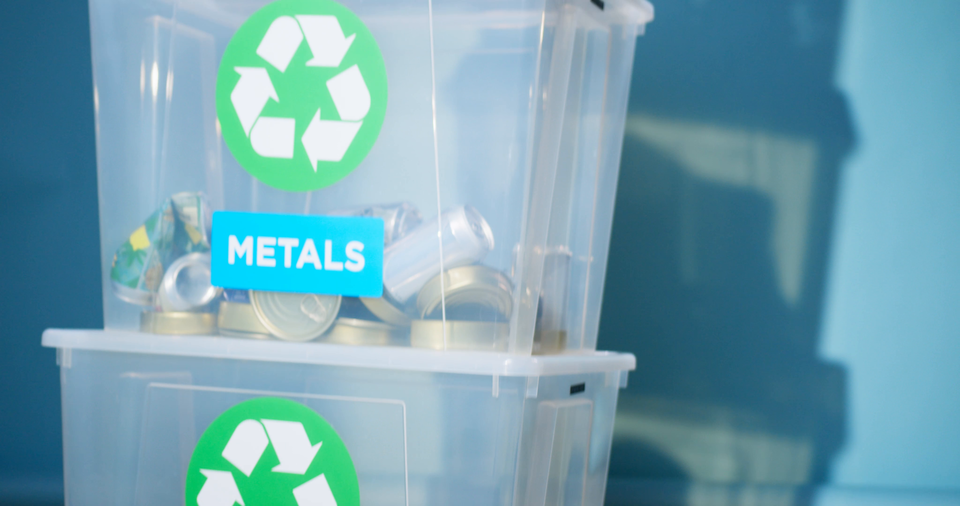
Krótki filmik przedstawia ustawione na sobie plastikowe, przeźroczyste kontenery, na których widoczne są symbole recyklingu złożone z trzech białych strzałek na zielonym tle, które tworzą trójkąt, z grotami skierowanymi zgodnie z ruchem wskazówek zegara. Poniżej symbolu recyklingu na kontenerach widoczne są napisy w języku angielskim, umieszczone na tłach w różnym kolorze: czerwonym – GLASS, niebieskim – METAL, żółtym – PLASTIC, zielonym – PAPER. Każdy kontener jest wypełniony, od dołu szklanymi butelkami, metalowymi nakrętkami, plastikowymi opakowaniami i papierem.
What can you do to help save and protect Mother Earth? Watch the presentation and find out what you can do.
Limit Your Carbon Footprint

A carbon footprint is the total amount of greenhouse gases emissions produced by an individual or an organisation. They mostly come from burning fossil fuels by our cars, trucks, trains and planes. So every time you need to get somewhere, think if you can walk or use an alternative means of transport like a bike or a scooter.
Consider Three Rs

They stand for reduce, reuse and recycle. If you want to care about our planet, you should reduce the amount of rubbish you produce. For example, try not to buy more and more plastic bags or clothes. If possible, try to reuse what you have or give things you don’t need to charity. Always remember to recycle items and put them in the appropriate bins.
Eat Less Meat

Film dostępny pod adresem /preview/resource/R114vvJjPJbuQ
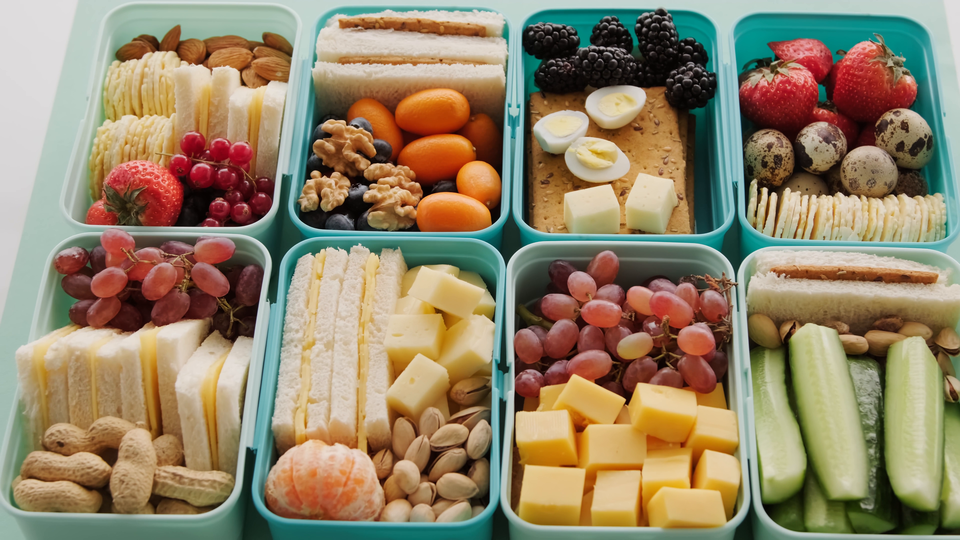
Krótki filmik przedstawia sześć niebieskich pojemników, ustawionych po cztery w dwóch rzędach. Pierwszy pojemnik od lewej w górnym rzędzie wypełniony jest małymi kanapeczkami, migdałami, czerwonymi porzeczkami i truskawkami. Na prawo w pojemniku widoczne są małe kanaki, żółte pomidory koktajlowe, orzechy włoskie i borówki. Następnie widoczny jest pojemnik z chrupkim pieczywem, jajkiem, kostkami sera żółtego i jeżynami. W pojemniku po prawej stronie widoczne są krążki pieczywa kukurydzianego, przepiórcze jaja, truskawki. Pierwszy pojemnik od lewej w dolnym rzędzie wypełniony jest mały kanapkami, winogronami i orzechami arachidowymi. Na prawo w pojemniku widoczne są małe kanapki, kostki żółtego sera, mandarynka i pistacje. W kolejnym pojemniku widoczne są kostki żółtego sera i winogrona. W pojemniku po prawej stronie widoczne są kanapka, zielone ogórki, pistacje.
Intense farming with animal livestock is polluting the Earth’s atmosphere. Each animal we grow releases methane gas into the atmosphere, increasing the carbon footprint. In fact, farm animals produce more emissions than cars! To help, eat more plant‑based foods and buy food that is local and in season.
Upcycle

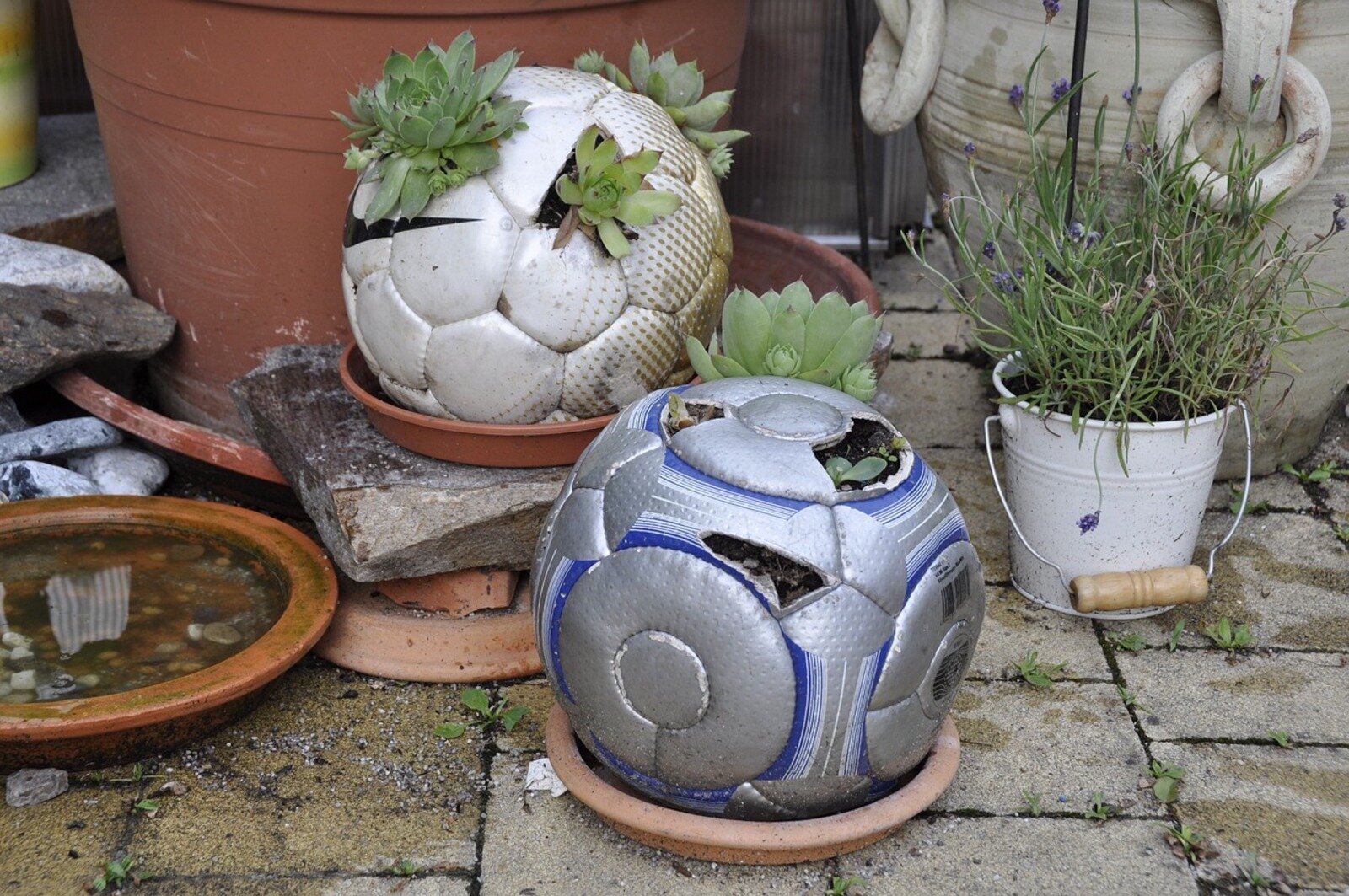
Upcycling is the creative reuse of waste material, unwanted products or things you think are useless. This way, old products get a “new life” and don’t have to be thrown away. Upcycling, for instance, includes using plastic containers or aluminium cans as flower pots. This way, you reduce the amount of rubbish disposed of at landfill sites. Upcycling is different from recycling. Recycling involves destroying waste products and turning them into something new.
Use Less Plastic Packaging

Film dostępny pod adresem /preview/resource/RnLWDaejwInvy
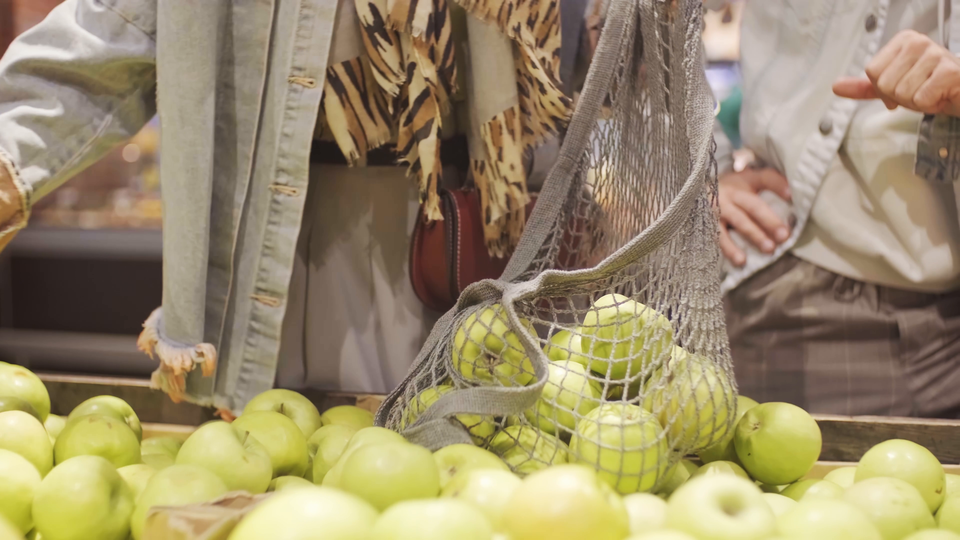
Krótki filmik przedstawia dwie osoby, w ujęciu od bioder do klatki piersiowej, stojące przy skrzyni wypełnionej zielonymi jabłkami. Postać po lewej stronie trzyma ażurową torbę na zakupy, do której pakuje jabłka.
A lot of packaging is plastic. It’s not easily disposed of. It ends up in landfill sites and will remain there for thousands of years. What can you do then? Next time you’re in a shop, bring your own bag, so that you don’t have to use plastic bags. When you buy fruit and vegetables, you can put them in a mesh bag. All around the world, you can find more and more shops that offer products without any containers. You need to have your bags or jars for juice or bottles for milk in order to buy there.
Consider Carpooling

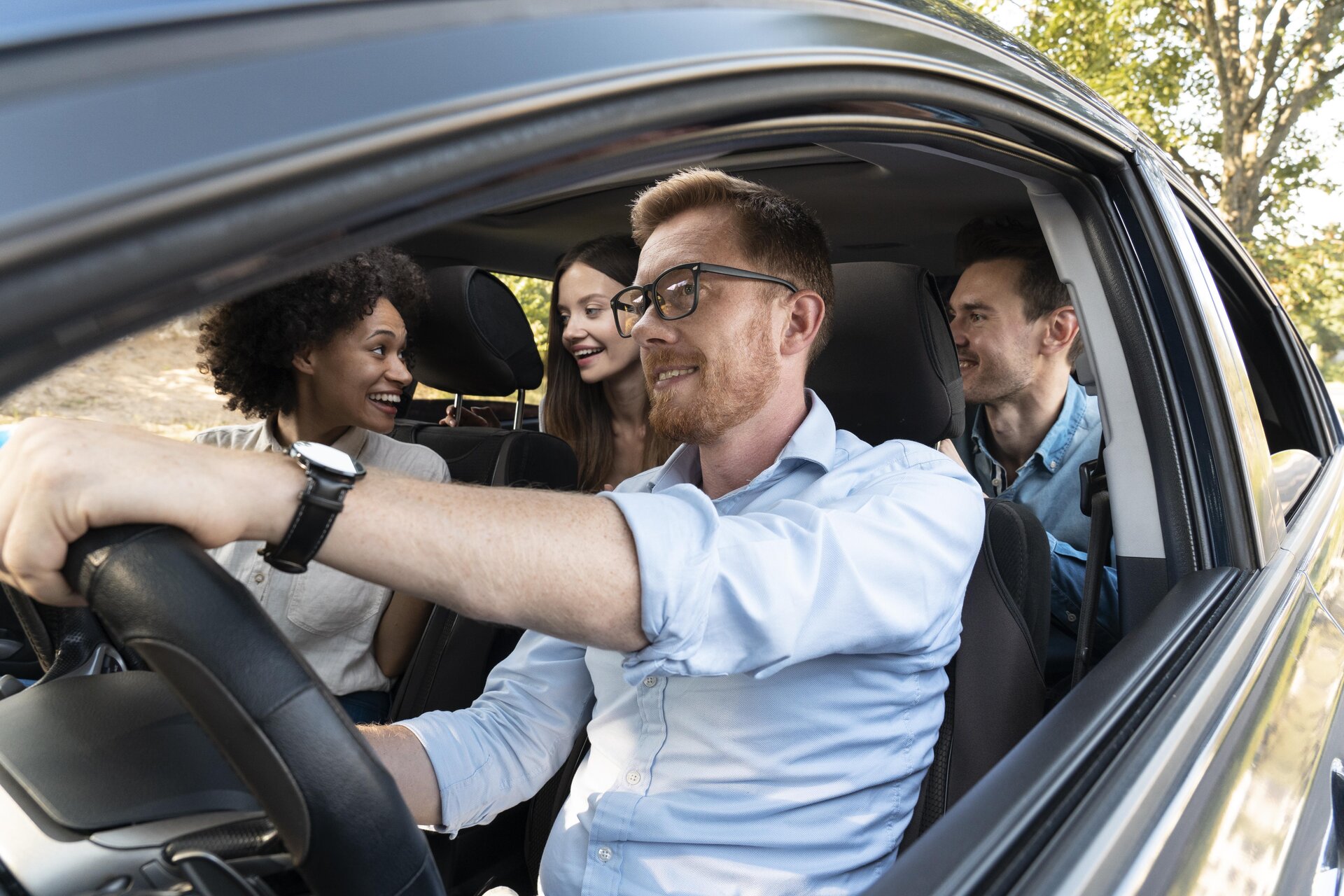
Reducing the emissions we produce is the key to more sustainable living. One of the ways of living in a more eco‑friendly way is by carpooling. Carpooling is sharing a car by people getting to work or school. Not only does it reduce travel costs but, most importantly, it reduces the consumption of fossil fuels and contributes to the protection of the Earth.
Invest in Sustainable Fashion

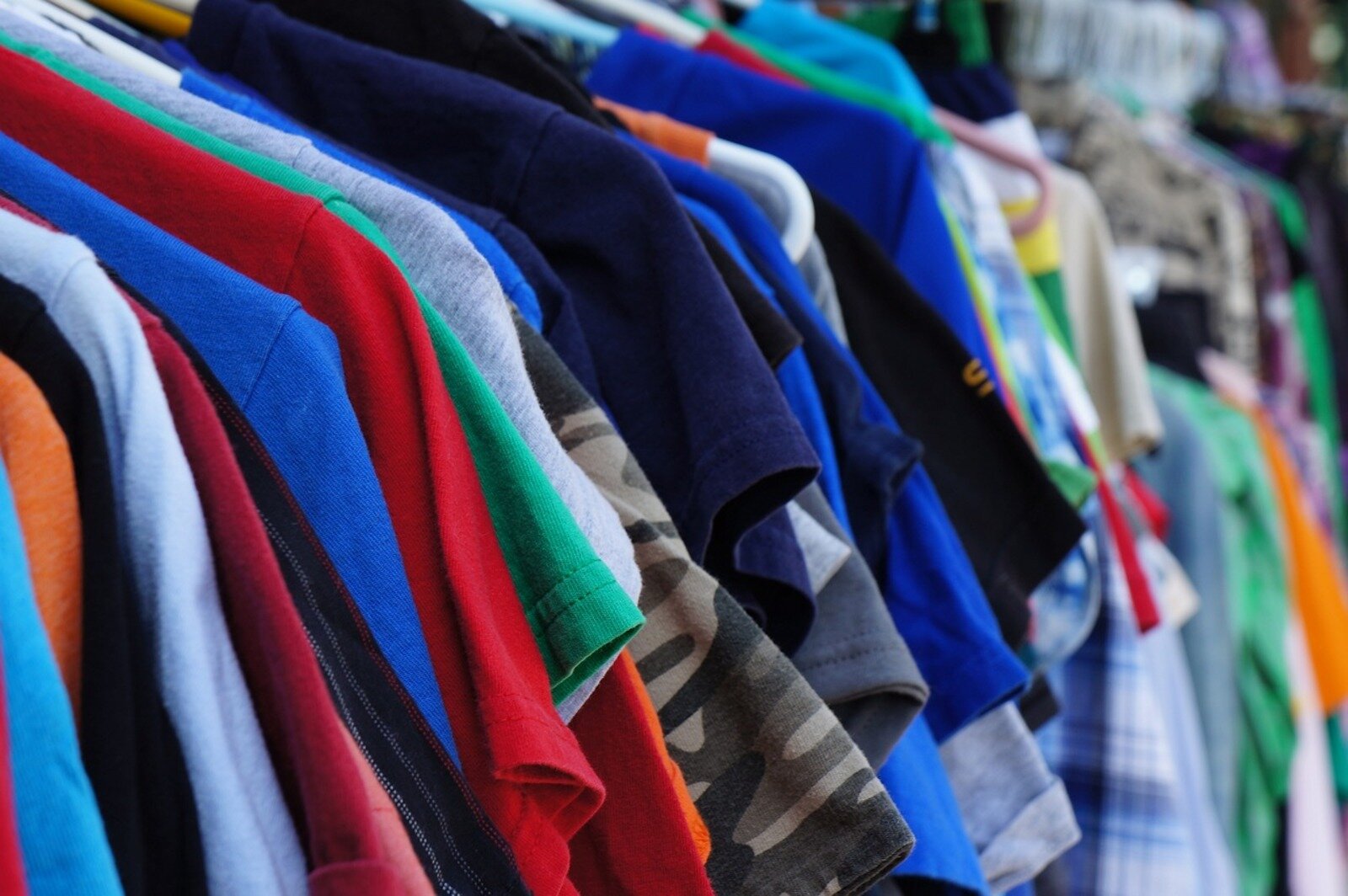
The fashion industry is one of the most detrimental to the environment. For example, it takes 19,000 litres of water to produce a pair of jeans. Scary, isn't it? The solution is to buy clothes which are made in an ecologically friendly way. That is without the use of cotton grown with pesticides. Sustainable fashion also takes into consideration the needs of people who work in factories to produce clothes.
Save Water

Film dostępny pod adresem /preview/resource/R1MITnNDckpmu
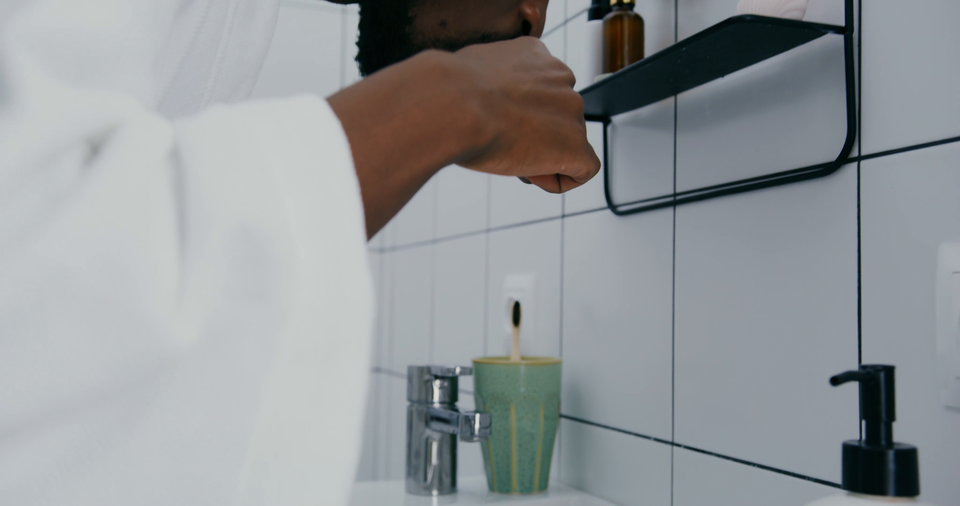
Krótki filmik przedstawia młodego mężczyznę myjącego zęby w łazience. Mężczyzna jest ubrany w biały szlafrok, stoi przy umywalce, nad którą wisi lustro. Mężczyzna trzyma szczoteczkę do zębów, odkręca kran, moczy szczoteczkę pod strumieniem, a potem zakręca wodę. Następnie długo myje zęby, pochylając się co jakiś czas nad umywalką.
Cutting down on the amount of water we use and conserving it is one of the easiest things we can do on a daily basis. Turn off the tap while brushing your teeth, use a dishwasher, and run a washing machine when you have a full load, and don’t take baths if you don’t have to. Use a toilet flush that uses less water. Many people don’t think about it, but checking pipes for any leaks is also a good way to save water.
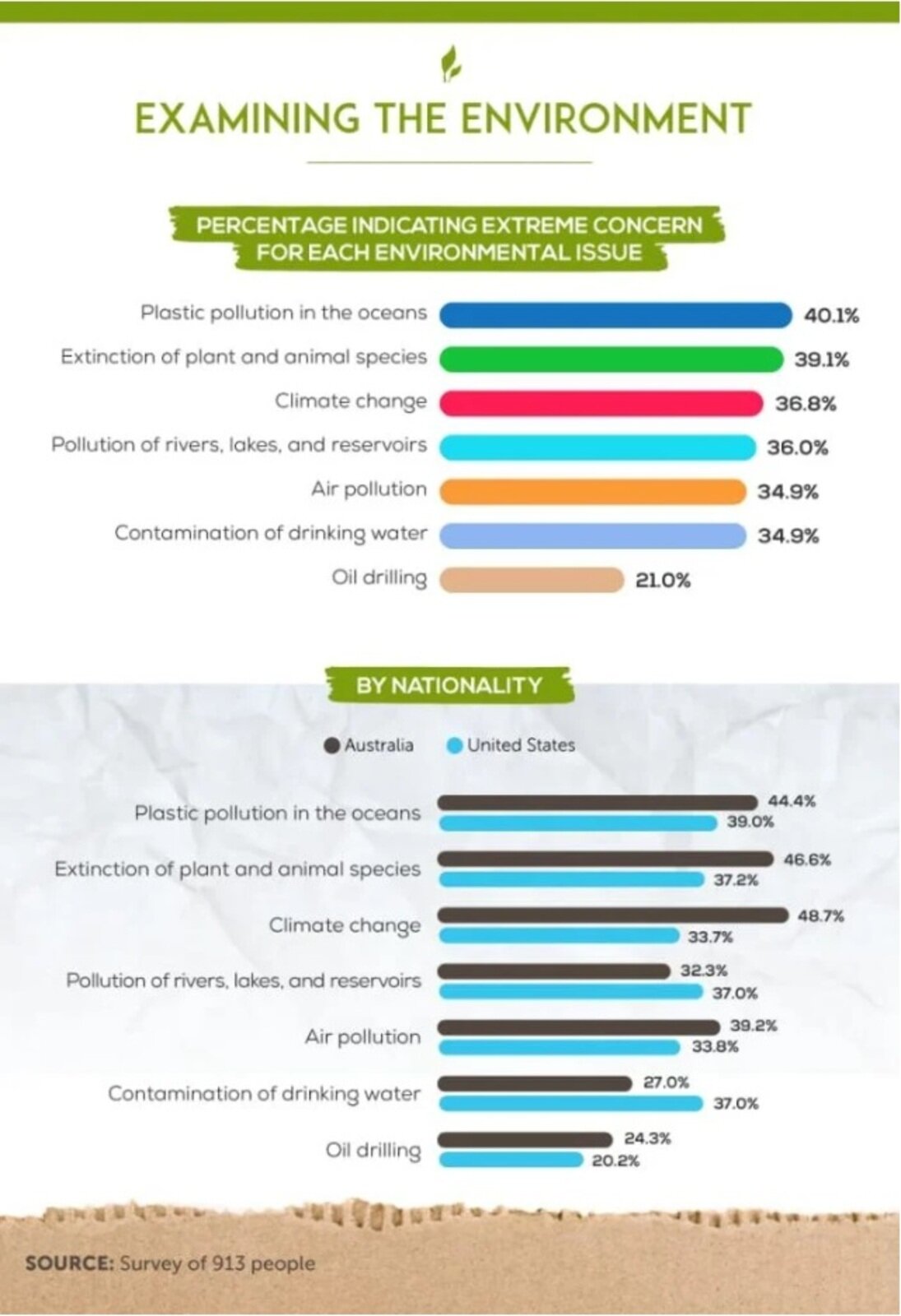
Analyse the statistics below. Which of the listed habits do you have? Which ones do you find difficult? Do you agree with the statistics concerning the most difficult habits?
What have you learned from the slides about more sustainable living? Use the bubble map below to revise the key information.
a) the amount of greenhouse gases produced by a human being.
b) the creative use of waste material.
c) the rubbish disposed of at landfill sites.
2. The five Rs stand for
a) reduce, reuse, recycle, rethink, report.
b) reduce, reuse, recycle, rethink, recover.
c) reduce, rename, recycle, rethink, recover.
3. Most of the food we eat travels
a) 100–1000 km.
b) 19,000 km.
c) 2500 km.
4. Upcycling
a) is similar to recycling.
b) is about giving things a new life.
c) involves destroying old things.
5. Carpooling is about
a) using the same car by many people.
b) not leaving cars at landfill sites.
c) using only eco-friendly cars.
6. Which thing takes the longest to decompose?
a) An aluminium can.
b) A plastic jug.
c) A plastic bag.
a) the amount of greenhouse gases produced by a human being.
b) the creative use of waste material.
c) the rubbish disposed of at landfill sites.
2. The five Rs stand for
a) reduce, reuse, recycle, rethink, report.
b) reduce, reuse, recycle, rethink, recover.
c) reduce, rename, recycle, rethink, recover.
3. Most of the food we eat travels
a) 100–1000 km.
b) 19,000 km.
c) 2500 km.
4. Upcycling
a) is similar to recycling.
b) is about giving things a new life.
c) involves destroying old things.
5. Carpooling is about
a) using the same car by many people.
b) not leaving cars at landfill sites.
c) using only eco-friendly cars.
6. Which thing takes the longest to decompose?
a) An aluminium can.
b) A plastic jug.
c) A plastic bag.
Answer the questions. Write 2–3 sentences to each question.
What do you do to protect the planet?
Why is upcycling more eco‑friendly than recycling?
In what three ways can you reduce your carbon footprint?
I try to…, I always…
Upcycling is a good way to be more eco‑friendly because…
We can reduce our carbon footprint by…
I try to turn off the tap while brushing my teeth. I always recycle waste and put it in the appropriate bins.
Upcycling is a good way to be more eco‑friendly because we don’t have to dispose of our old things, but we can use them in a creative way and give them a new life.
We can reduce our carbon footprint by sharing a car on the way to work or school. We can also rethink what clothes we buy and what food we eat. When we go shopping we can buy local fruit and vegetables and instead of plastic bags we can put them in a mesh bag.