In this section, you are going to work with an multimedia presentation about the life of children in the Victorian era. It will help you understand what their life was like back then.
W tej sekcji będziesz pracował/pracowała z prezentacją multimedialną na temat życia dzieci w epoce wiktoriańskiej. Pomoże ci ona zrozumieć, jak wyglądało ich życie w tamtych czasach.
Rnb7PSShl8O1o
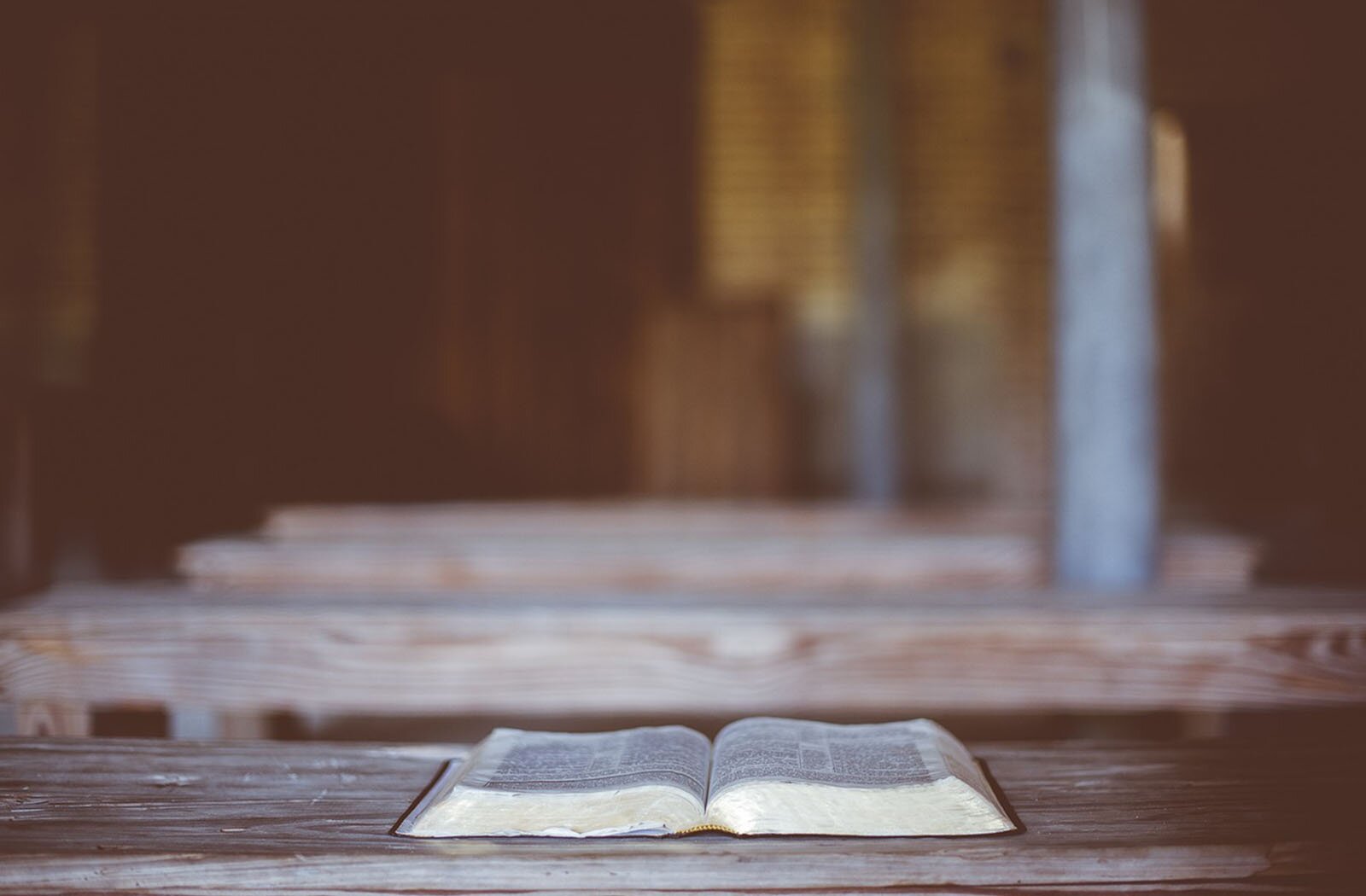
Zdjęcie przedstawia drewniane ławki ustawione jedna za drugą. Na pierwszej ławce widoczna jest otwarta książka.
Knowledge is the greatest reward for hard work
Wiedza jest najlepszą nagrodą za ciężką pracę
Źródło: dostępny w internecie: www.pixabay.com [dostęp 22.08.2023], domena publiczna.
Exercise1
R1C3lSsziDlAp
Match the words below with their definitions. tutor Możliwe odpowiedzi: 1. a teacher paid to work privately with one student or a small group, 2. practical work, especially when it involves hard physical effort, 3. a small metal disc, with words or a picture on it, given as a reward, 4. a child who’s lost his or her parents, 5. the act of punishing someone, 6. a building where very poor people in Britain used to work, in the past, in exchange for food and shelter medal Możliwe odpowiedzi: 1. a teacher paid to work privately with one student or a small group, 2. practical work, especially when it involves hard physical effort, 3. a small metal disc, with words or a picture on it, given as a reward, 4. a child who’s lost his or her parents, 5. the act of punishing someone, 6. a building where very poor people in Britain used to work, in the past, in exchange for food and shelter workhouse Możliwe odpowiedzi: 1. a teacher paid to work privately with one student or a small group, 2. practical work, especially when it involves hard physical effort, 3. a small metal disc, with words or a picture on it, given as a reward, 4. a child who’s lost his or her parents, 5. the act of punishing someone, 6. a building where very poor people in Britain used to work, in the past, in exchange for food and shelter orphan Możliwe odpowiedzi: 1. a teacher paid to work privately with one student or a small group, 2. practical work, especially when it involves hard physical effort, 3. a small metal disc, with words or a picture on it, given as a reward, 4. a child who’s lost his or her parents, 5. the act of punishing someone, 6. a building where very poor people in Britain used to work, in the past, in exchange for food and shelter punishment Możliwe odpowiedzi: 1. a teacher paid to work privately with one student or a small group, 2. practical work, especially when it involves hard physical effort, 3. a small metal disc, with words or a picture on it, given as a reward, 4. a child who’s lost his or her parents, 5. the act of punishing someone, 6. a building where very poor people in Britain used to work, in the past, in exchange for food and shelter labour Możliwe odpowiedzi: 1. a teacher paid to work privately with one student or a small group, 2. practical work, especially when it involves hard physical effort, 3. a small metal disc, with words or a picture on it, given as a reward, 4. a child who’s lost his or her parents, 5. the act of punishing someone, 6. a building where very poor people in Britain used to work, in the past, in exchange for food and shelter
Match the words below with their definitions. tutor Możliwe odpowiedzi: 1. a teacher paid to work privately with one student or a small group, 2. practical work, especially when it involves hard physical effort, 3. a small metal disc, with words or a picture on it, given as a reward, 4. a child who’s lost his or her parents, 5. the act of punishing someone, 6. a building where very poor people in Britain used to work, in the past, in exchange for food and shelter medal Możliwe odpowiedzi: 1. a teacher paid to work privately with one student or a small group, 2. practical work, especially when it involves hard physical effort, 3. a small metal disc, with words or a picture on it, given as a reward, 4. a child who’s lost his or her parents, 5. the act of punishing someone, 6. a building where very poor people in Britain used to work, in the past, in exchange for food and shelter workhouse Możliwe odpowiedzi: 1. a teacher paid to work privately with one student or a small group, 2. practical work, especially when it involves hard physical effort, 3. a small metal disc, with words or a picture on it, given as a reward, 4. a child who’s lost his or her parents, 5. the act of punishing someone, 6. a building where very poor people in Britain used to work, in the past, in exchange for food and shelter orphan Możliwe odpowiedzi: 1. a teacher paid to work privately with one student or a small group, 2. practical work, especially when it involves hard physical effort, 3. a small metal disc, with words or a picture on it, given as a reward, 4. a child who’s lost his or her parents, 5. the act of punishing someone, 6. a building where very poor people in Britain used to work, in the past, in exchange for food and shelter punishment Możliwe odpowiedzi: 1. a teacher paid to work privately with one student or a small group, 2. practical work, especially when it involves hard physical effort, 3. a small metal disc, with words or a picture on it, given as a reward, 4. a child who’s lost his or her parents, 5. the act of punishing someone, 6. a building where very poor people in Britain used to work, in the past, in exchange for food and shelter labour Możliwe odpowiedzi: 1. a teacher paid to work privately with one student or a small group, 2. practical work, especially when it involves hard physical effort, 3. a small metal disc, with words or a picture on it, given as a reward, 4. a child who’s lost his or her parents, 5. the act of punishing someone, 6. a building where very poor people in Britain used to work, in the past, in exchange for food and shelter
Źródło: GroMar Sp. z o.o., licencja: CC BY-SA 3.0.
Study the multimedia presentation and do the tasks.
Rsze4tPGqicuQ
Children in the Victorian Era
R1LPUd8TMN8Zg
Exercise2
In your opinion, which statements apply to children in the Victorian era? Możliwe odpowiedzi: 1. Poor children often didn’t attend school., 2. All children, no matter their social status, worked., 3. When orphaned, most children would choose to stay in a workhouse., 4. Orphaned children tried their luck on the streets., 5. Physical punishments were common in the Victorian Era., 6. Those most affected by diseases were school-aged children.
Źródło: GroMar Sp. z o.o., licencja: CC BY-SA 3.0.
TRANSCRIPTazurewhite
How much do you know about Victorian children’s lives? Before learning more about them from the presentation, check your current knowledge. From the below statements, choose those that seem correct to you.
RHkLDVx9ACQkJ
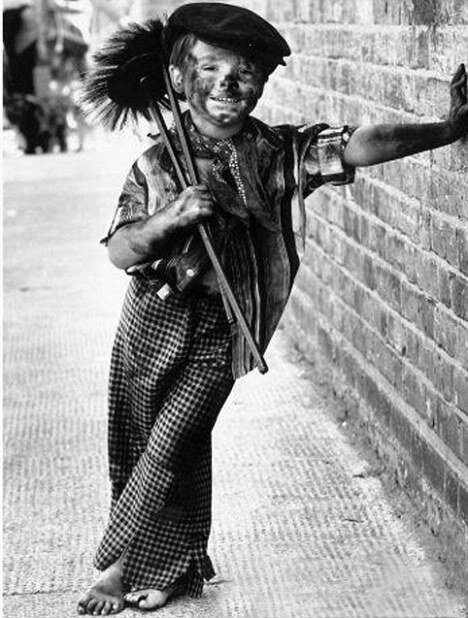
What did poor children do?
R1WOpMKSS0d6u
Czarno‑białe zdjęcie przedstawia małego, uśmiechniętego chłopca, w wieku około 7 lat, który stoi przy ceglanej ścianie i opiera się o nią lewą dłonią. Chłopiec jest cały ubrudzony na czarno, ubrany w poszarpaną koszulę z podwiniętymi rękawami oraz kraciaste, porwane u dołu spodnie. Nie ma butów i stoi boso. W prawej ugiętej ręce trzyma szczotki do czyszczenia komina, które opiera na prawym barku.
Źródło: dostępny w internecie: https://commons.wikimedia.org/ [dostęp 8.06.2022], domena publiczna.
TRANSCRIPTazurewhite
They worked hard. Some children worked at home with their families, but some had to look for work somewhere else. They were cleaning chimneys or sweeping the streets. The streets were very dirty back then, and some children swept them so that rich people could cross them without getting dirty!
R7QIboSdu6oBd
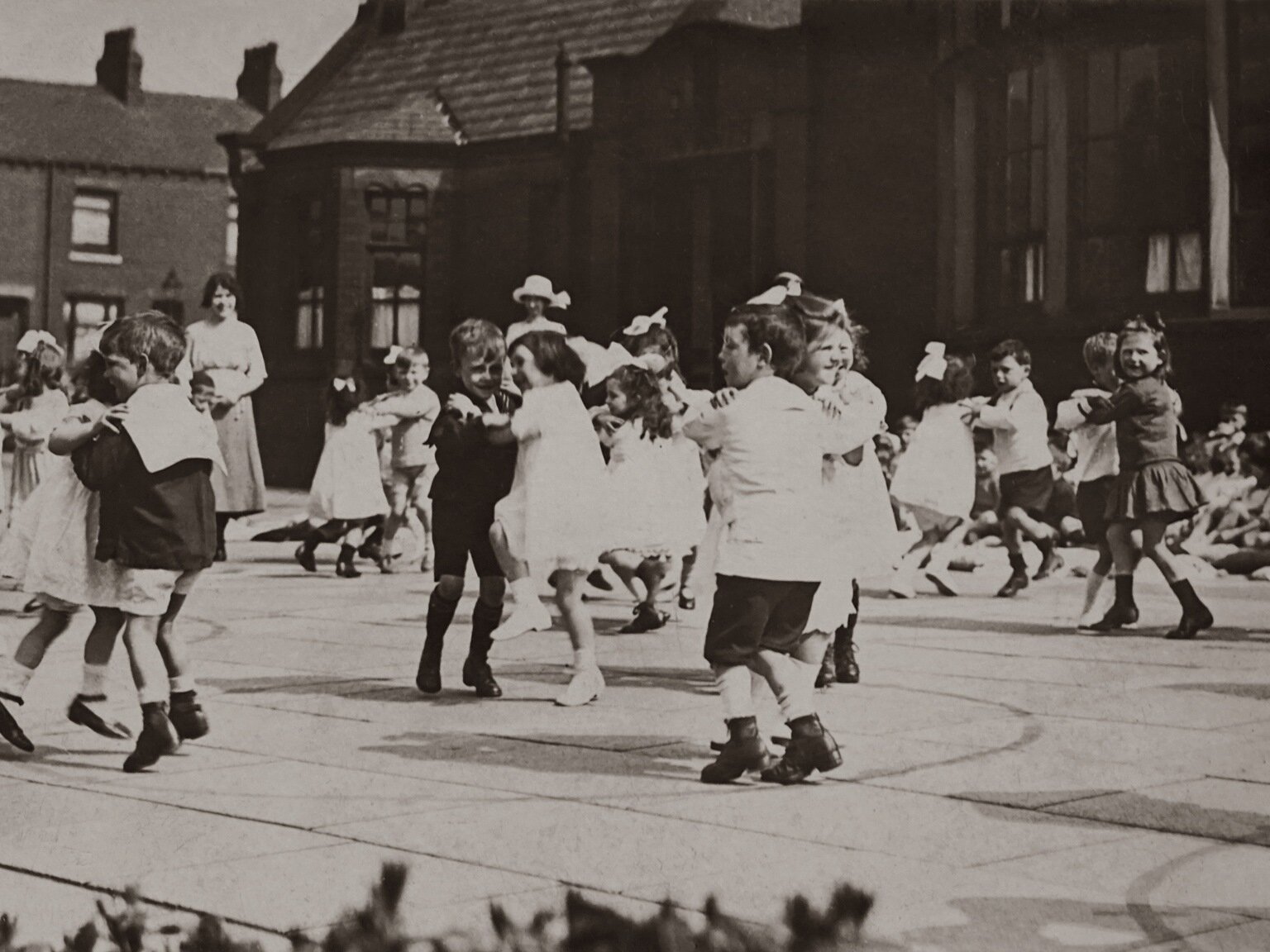
Did Victorian children go to school at all?
R1SxrM3ztYEo0
Czarno‑białe zdjęcie przedstawia dzieci w wieku przedszkolnym, które tańczą w parach na boisku/dziedzińcu. Dziewczynki ubrane są w jasne sukienki, a część z nich ma kokardę na głowie. Chłopcy są ubrani w ciemne, krótkie spodnie i mają albo jasne, albo ciemne marynarki z kołnierzami. W tle po lewej stronie widoczna jest stojąca kobieta, ubrana w bluzkę i spódnicę do łydek. Za nią i po prawej stronie widoczny jest duży, drewniany budynek ze spadzistym dachem krytym dachówką.
Źródło: dostępny w internecie: https://www.pexels.com/ [dostęp 8.06.2022], domena publiczna.
TRANSCRIPTazurewhite
Those from poor families usually didn’t attend school because the family wouldn’t have money if they did. However, there existed schools for the underprivileged which were free to attend. Richer families usually hired tutors or sent their children to grammar schools or private academies.
R1TWwHvQmFnvj
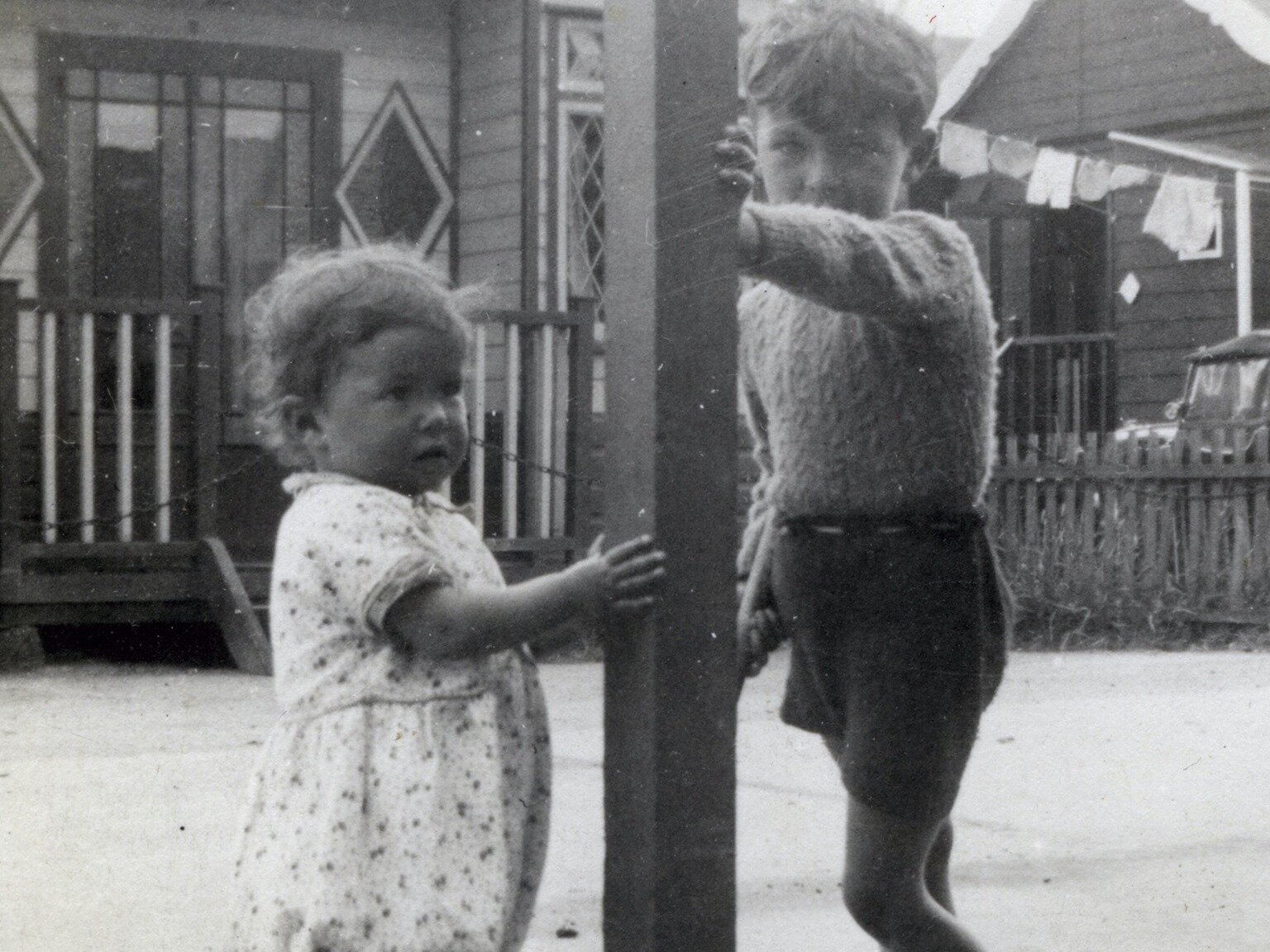
What did children wear back then?
R11ZrhZEMWFMG
Czarno‑białe zdjęcie przedstawia dwoje dzieci opierających się rękoma o słup. Po lewej stronie widoczna jest dziewczynka w wieku około 2 lat, ubrana w jasną sukienkę. Po prawej stronie widoczny jest chłopiec w wieku przedszkolnym, ubrany w ciemne, krótkie spodnie, w które ma włożony sweter. W tle widoczne drewniane domy z otwartymi werandami, drewniany płot, pranie suszące się na sznurze.
Źródło: dostępny w internecie: https://www.pexels.com/ [dostęp 8.06.2022], domena publiczna.
TRANSCRIPTazurewhite
Most children had to wear the clothes that other children in the family had worn first. The clothes were old and mended. They had patches on the holes. Most children also had one good set of clothes to wear on a Sunday when they went to church. They didn’t use it for work.
R10gAbasJrO2c
Were Victorian children healthy?
R19qeGFPa6abj
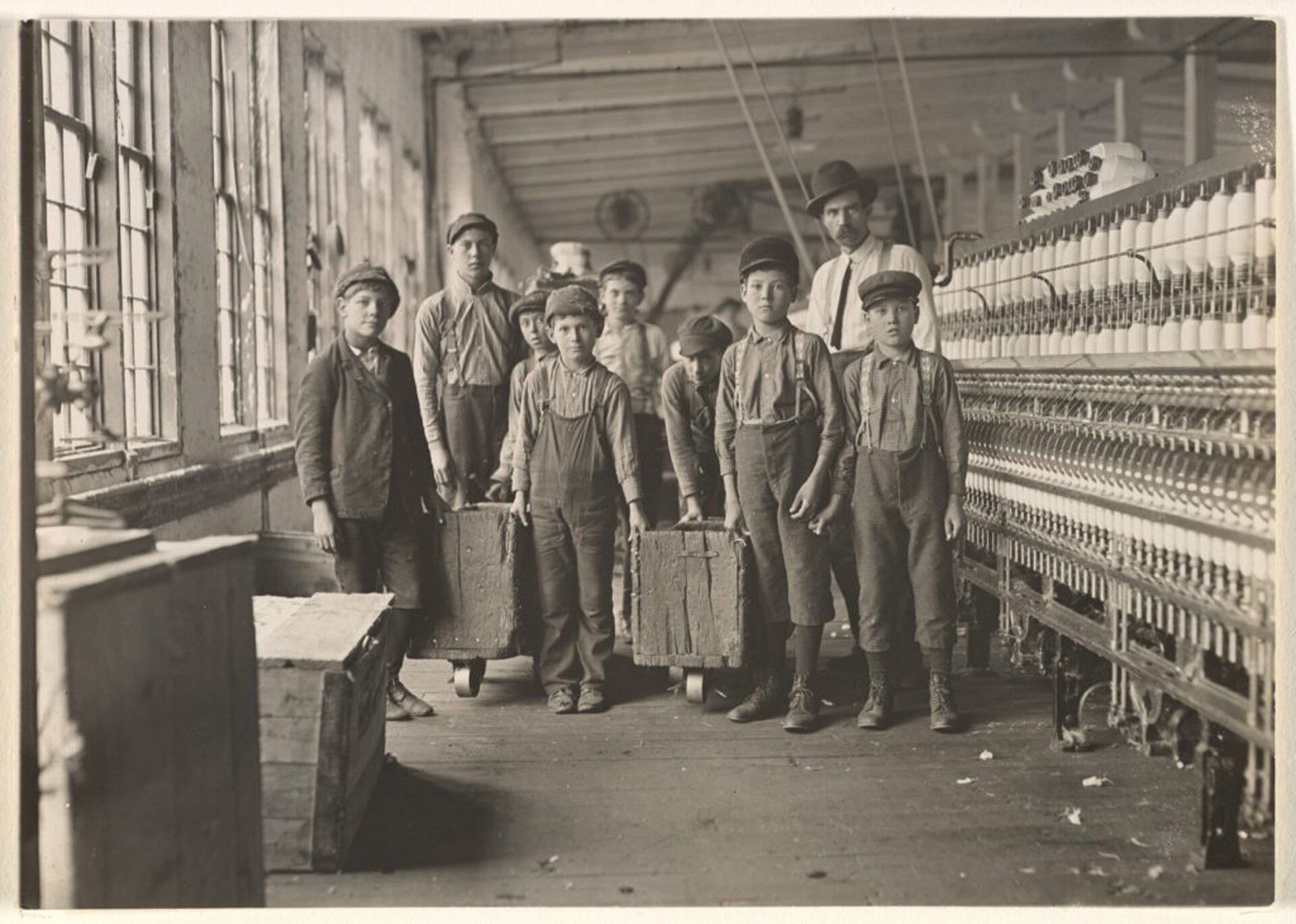
Czarno‑biała fotografia przedstawia grupę chłopców w różnym wieku oraz starszego mężczyznę, którzy stoją w fabryce. Chłopcy ubrani są w ciemne są w robocze, ciemne spodnie zapinane na szelkach lub ciemne ogrodniczki, szare koszule i kaszkiety. Kilku chłopców stojących z przodu trzyma dwie drewniane skrzynie na kółkach. Z tyłu, po prawej stronie, stoi mężczyzna ubrany w jasną koszulę i ciemny krawat oraz kapelusz. Po lewej stronie widoczny jest rząd wysokich okien, a po prawej stronie ściana z zawieszonymi na stelażach białymi pojemnikami z ciemnymi nakrętkami.
Źródło: GroMar Sp. z o.o., licencja: CC BY-SA 3.0.
TRANSCRIPTazurewhite
Unfortunately, many people from the Victorian era died early. Newborns from poor families were at the biggest risk of dying from now‑curable diseases due to poor living conditions. Adults, while at less risk, also fell to illnesses quite often and orphaned their children who had to fend for themselves.
R1dTYYlqQ0BpL
What happened to orphaned children?
R91IPY9Ti8vjv
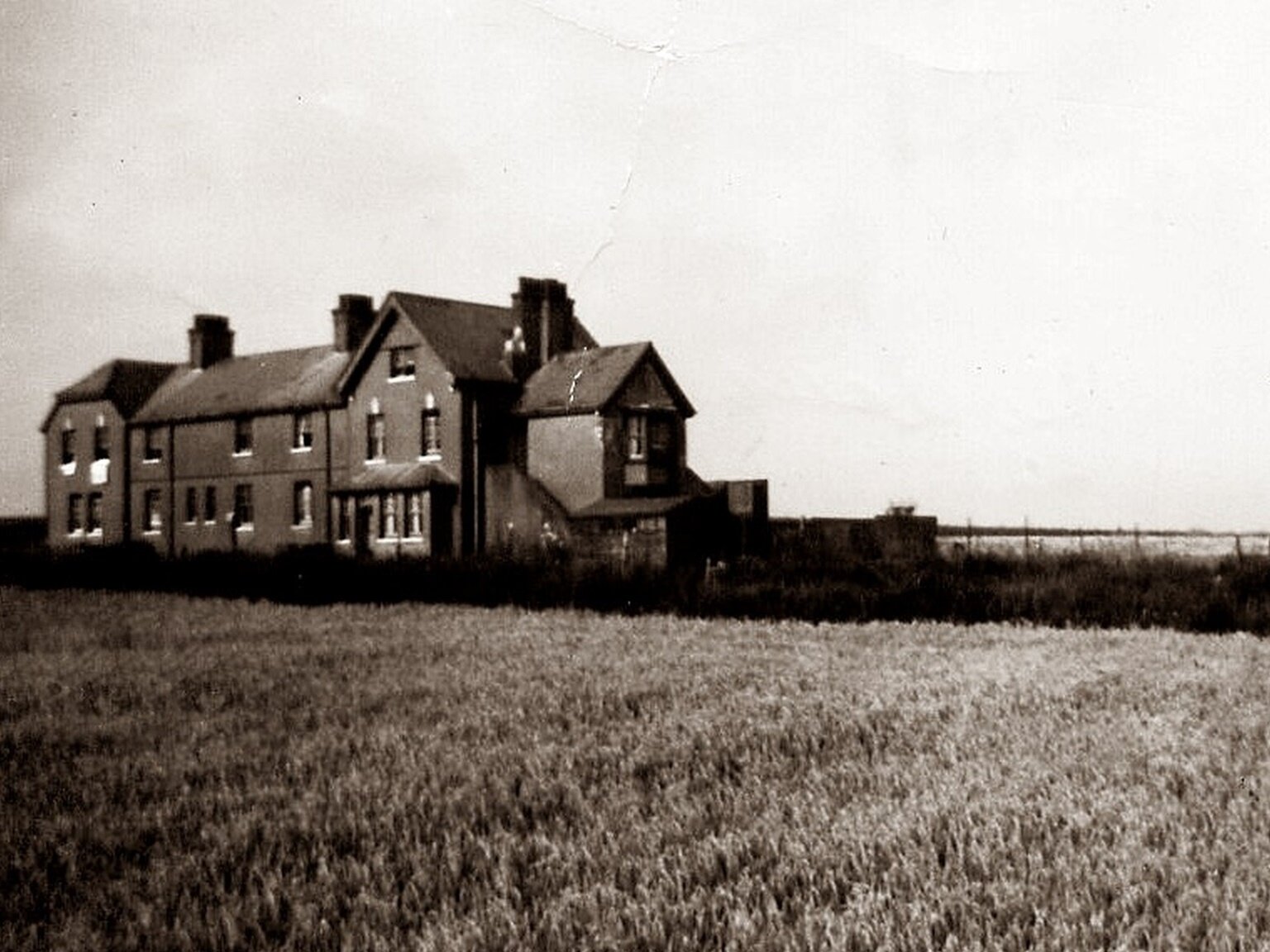
Czarno‑biała fotografia przedstawia duży dom stojący w szczerym polu. Dom składa się z kilku segmentów, ma spadzisty dach, na którym widoczne są trzy kominy.
Źródło: dostępny w internecie: https://www.pexels.com/ [dostęp 9.06.2022], domena publiczna.
TRANSCRIPTazurewhite
Children who lost their families to disease lived on the streets or in the workhouses. Workhouses provided food and shelter in return for hard work. Due to harsh conditions, children only chose to live in a workhouse when they had no other option.
RqVDFyxHnvFfj
What punishment could you expect as a Victorian child?
R3a76GGR2vRBH
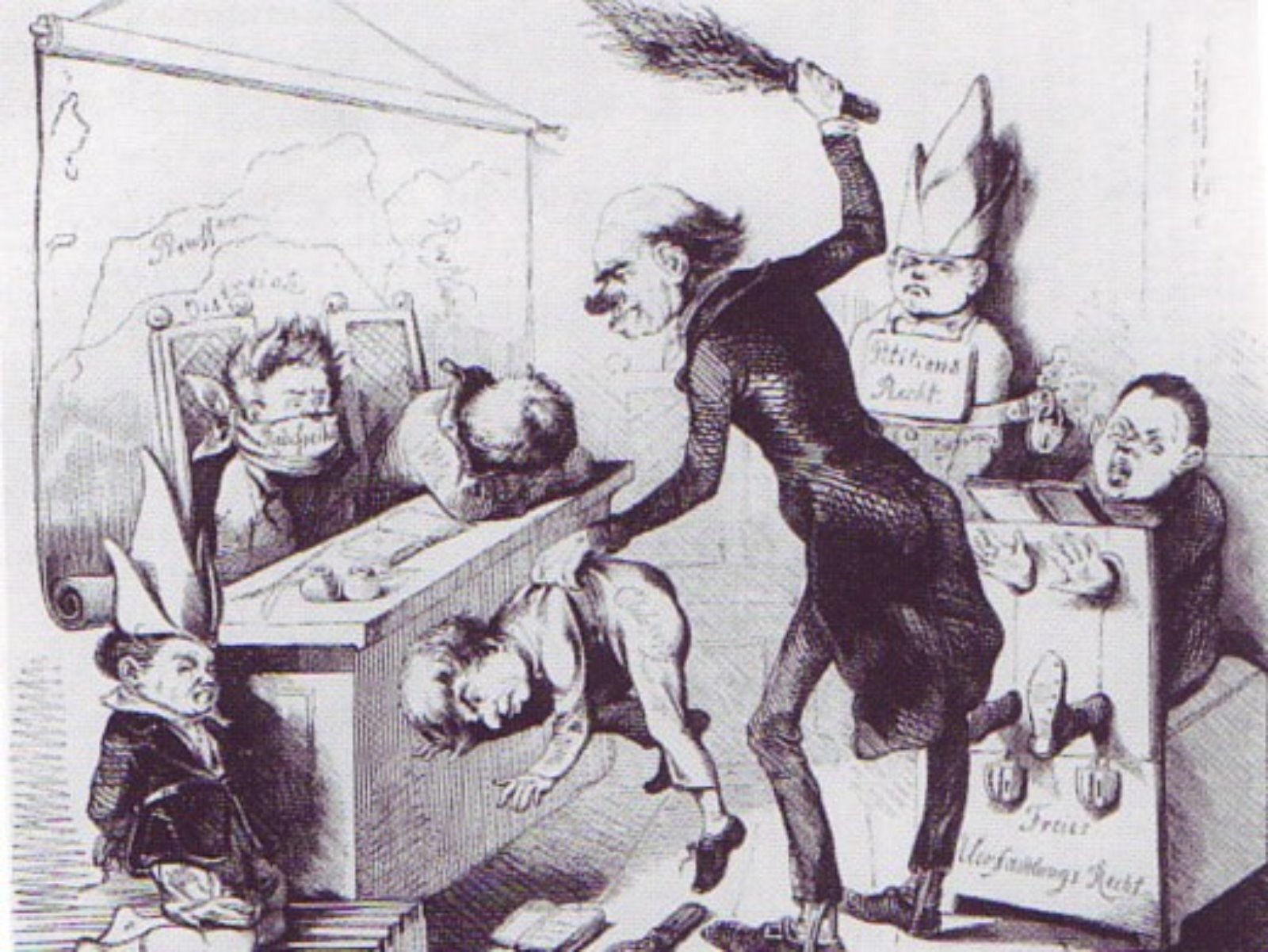
Grafika przedstawia scenkę w klasie. Pośrodku widoczna jest karykaturalnie przedstawiona postać nauczyciela, który w lewej ręce trzyma dziecko za koszulę i podnosi je do góry, a w prawej ręce, uniesionej nad głową, trzyma rózgę. Na lewo widoczna jest ławka, przy której siedzi dwie osoby – jedna ma twarz obwiązaną szmatą, a druga położoną na ławce głowę opartą na ręce. Przed ławką klęczy kolejna osoba wysokiej czapie z oślimi uszami. Po prawej stronie widoczna jest postać zakuta w dyby, a obok niej postać przykuta do ściany, z nałożoną na głowę wysoką czapką z oślimi uszami.
Źródło: dostępny w internecie: https://commons.wikimedia.org/wiki/Strona [dostęp 20.06.2022], domena publiczna.
TRANSCRIPTazurewhite
Being hit with a stick was a painful but fast form of punishment. You got hit when you didn’t listen to adults and skipped school when your parents didn’t want you to. But if you stole something you could go to prison or a special school where you could never see your family. If you were unlucky, you could even end up in a special camp where children did a lot of harsh labour!
R35Nc9xeekfuh
Were there any rewards for Victorian children?
R1J6jPqyNCUrJ
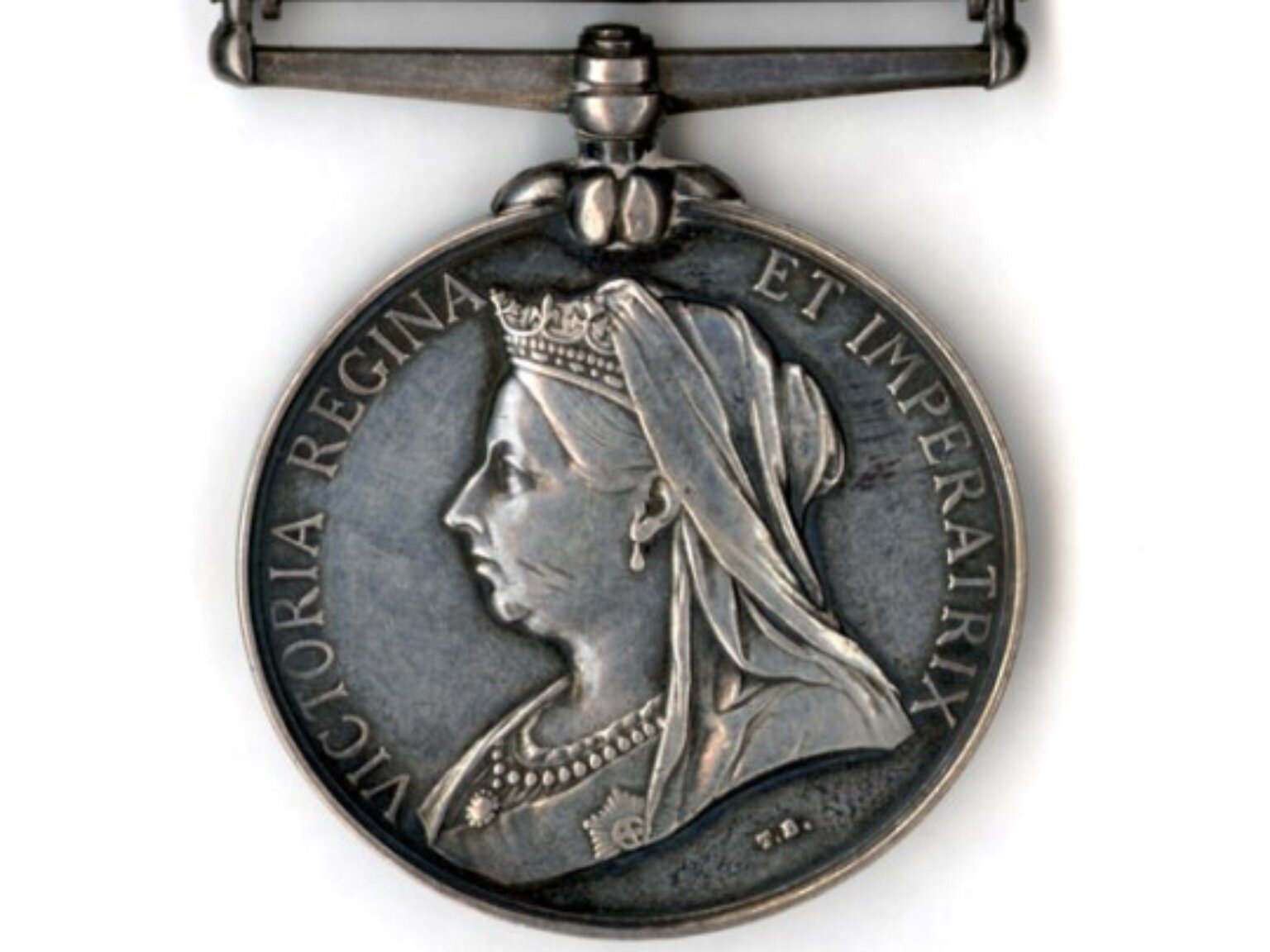
Zdjęcie przedstawia jubileuszowy medalion z popiersiem królowej Wiktorii z lewego profilu. Królowa ma na głowie koronę z welonem, kolczyki w uszach i głęboki dekolt sukni, na którym widać kolię. Wokół widoczny jest napis w języku łacińskim: VICTORIA REGINA ET IMPERATRIX. W górnej części medalionu widoczne jest ozdobne zapięcie.
Źródło: dostępny w internecie: https://commons.wikimedia.org/ [dostęp 8.06.2022], domena publiczna.
TRANSCRIPTazurewhite
There weren’t too many! But going to school was hard. It was extra hard when you went to school but had to work too! That is why there were medals for children who went to school every day. What a reward!
R11LnkTmk2Rbn
Study the mind map to summorise information about the situation of children in the Victorian Era.
R1H7mWkJI6uCO
Mapa myśli. Lista elementów:
Nazwa kategorii: THE LIFE OF CHILDREN IN THE VICTORIAN ERA
Elementy należące do kategorii THE LIFE OF CHILDREN IN THE VICTORIAN ERA
Nazwa kategorii: WORK
Elementy należące do kategorii WORK
Nazwa kategorii: POOR CHILDREN WORKED HARD
Elementy należące do kategorii POOR CHILDREN WORKED HARD
Nazwa kategorii: SWEEPING THE STREETS
Nazwa kategorii: CLEANING CHIMNEYS
Koniec elementów należących do kategorii POOR CHILDREN WORKED HARD
Koniec elementów należących do kategorii WORK
Nazwa kategorii: HEALTH
Elementy należące do kategorii HEALTH
Nazwa kategorii: MANY PEOPLE WOULD DIE FROM DISEASE
Nazwa kategorii: YOUNG CHILDREN WERE THE MOST AT THE RISK OF DYING
Koniec elementów należących do kategorii HEALTH
Nazwa kategorii: ORPHANS
Elementy należące do kategorii ORPHANS
Nazwa kategorii: MANY CHILDREN WERE ORPHANED DUE TO DISEASE
Nazwa kategorii: ORPHANS LIVED ON THE STREETS OR IN THE WORKHOUSES
Koniec elementów należących do kategorii ORPHANS
Nazwa kategorii: REWARDS
Elementy należące do kategorii REWARDS
Nazwa kategorii: CHILDREN COULD GET A MEDAL IF THEY ATTENDED SCHOOL
Koniec elementów należących do kategorii REWARDS
Nazwa kategorii: EDUCATION
Elementy należące do kategorii EDUCATION
Nazwa kategorii: POOR CHILDREN WEREN'T LIKELY TO ATTEND SCHOOL
Nazwa kategorii: CHILDREN FROM WEALTHY FAMILIES HAD TUTORS OR WENT TO SCHOOL
Koniec elementów należących do kategorii EDUCATION
Nazwa kategorii: CLOTHING
Elementy należące do kategorii CLOTHING
Nazwa kategorii: CHILDREN WORE CLOTHES AFTER OTHER FAMILY MEMBERS
Nazwa kategorii: CHILDREN HAD ONE GOOD SET OF CLOTHES FOR SUNDAYS
Koniec elementów należących do kategorii CLOTHING
Nazwa kategorii: PUNISHMNEBTS
Elementy należące do kategorii PUNISHMNEBTS
Nazwa kategorii: SEVERE PHYSICAL PUNISHMENTS
Nazwa kategorii: CHILDREN COULD GO TO PRISON
Nazwa kategorii: CHILDREN COULD BE SENT TO WORK CAMPS
Koniec elementów należących do kategorii PUNISHMNEBTS
Koniec elementów należących do kategorii THE LIFE OF CHILDREN IN THE VICTORIAN ERA
Mapa myśli. Lista elementów:
Nazwa kategorii: THE LIFE OF CHILDREN IN THE VICTORIAN ERA
Elementy należące do kategorii THE LIFE OF CHILDREN IN THE VICTORIAN ERA
Nazwa kategorii: WORK
Elementy należące do kategorii WORK
Nazwa kategorii: POOR CHILDREN WORKED HARD
Elementy należące do kategorii POOR CHILDREN WORKED HARD
Nazwa kategorii: SWEEPING THE STREETS
Nazwa kategorii: CLEANING CHIMNEYS
Koniec elementów należących do kategorii POOR CHILDREN WORKED HARD
Koniec elementów należących do kategorii WORK
Nazwa kategorii: HEALTH
Elementy należące do kategorii HEALTH
Nazwa kategorii: MANY PEOPLE WOULD DIE FROM DISEASE
Nazwa kategorii: YOUNG CHILDREN WERE THE MOST AT THE RISK OF DYING
Koniec elementów należących do kategorii HEALTH
Nazwa kategorii: ORPHANS
Elementy należące do kategorii ORPHANS
Nazwa kategorii: MANY CHILDREN WERE ORPHANED DUE TO DISEASE
Nazwa kategorii: ORPHANS LIVED ON THE STREETS OR IN THE WORKHOUSES
Koniec elementów należących do kategorii ORPHANS
Nazwa kategorii: REWARDS
Elementy należące do kategorii REWARDS
Nazwa kategorii: CHILDREN COULD GET A MEDAL IF THEY ATTENDED SCHOOL
Koniec elementów należących do kategorii REWARDS
Nazwa kategorii: EDUCATION
Elementy należące do kategorii EDUCATION
Nazwa kategorii: POOR CHILDREN WEREN'T LIKELY TO ATTEND SCHOOL
Nazwa kategorii: CHILDREN FROM WEALTHY FAMILIES HAD TUTORS OR WENT TO SCHOOL
Koniec elementów należących do kategorii EDUCATION
Nazwa kategorii: CLOTHING
Elementy należące do kategorii CLOTHING
Nazwa kategorii: CHILDREN WORE CLOTHES AFTER OTHER FAMILY MEMBERS
Nazwa kategorii: CHILDREN HAD ONE GOOD SET OF CLOTHES FOR SUNDAYS
Koniec elementów należących do kategorii CLOTHING
Nazwa kategorii: PUNISHMNEBTS
Elementy należące do kategorii PUNISHMNEBTS
Nazwa kategorii: SEVERE PHYSICAL PUNISHMENTS
Nazwa kategorii: CHILDREN COULD GO TO PRISON
Nazwa kategorii: CHILDREN COULD BE SENT TO WORK CAMPS
Koniec elementów należących do kategorii PUNISHMNEBTS
Koniec elementów należących do kategorii THE LIFE OF CHILDREN IN THE VICTORIAN ERA
Źródło: GroMar Sp. z o.o., licencja: CC BY-SA 3.0.
TRANSCRIPTazurewhite
How much can you remember about Victorian children? Let us analyse the information related to the most important aspects of their lives.
R1Oy2jsHoe42M
To revise the key vocabulary from the presentation, do the crossword.
RGVmjz0nuFywM
Exercise3
Odpowiedz na pytania lub uzupełnij tekst. 1. prywatny nauczyciel, 2. kara, 3. noworodek, 4. uczęszczać, 5. osierocić, 6. żyjący w złych warunkach
Odpowiedz na pytania lub uzupełnij tekst. 1. prywatny nauczyciel, 2. kara, 3. noworodek, 4. uczęszczać, 5. osierocić, 6. żyjący w złych warunkach
Źródło: GroMar Sp. z o.o., licencja: CC BY-SA 3.0.
TRANSCRIPTazurewhite
Now, you understand how the lives of the Victorian children, especially the poor ones, looked.
Lektor volume
Music volume
Exercise4
RE6M65x6WkjpS
Look at the interactive presentation above. Then, mark the sentences as true or false.
Cleaning chimneys and sweeping streets were jobs done by children. True False
Most families hired tutors for their children. TrueFalse
People in the Victorian era only stayed in the workhouses as the last resort. TrueFalse
On Sundays children worked in special clothes. True False
Children couldn’t go to prison back then. True False
You could get a medal for going to school. True False
Look at the interactive presentation above. Then, mark the sentences as true or false.
Cleaning chimneys and sweeping streets were jobs done by children. True False
Most families hired tutors for their children. TrueFalse
People in the Victorian era only stayed in the workhouses as the last resort. TrueFalse
On Sundays children worked in special clothes. True False
Children couldn’t go to prison back then. True False
You could get a medal for going to school. True False
Źródło: GroMar Sp. z o.o., licencja: CC BY-SA 3.0.
Exercise5
Based on the information from the presentation, choose the correct answers. There is more than one correct answer in each sentence.
R1A9m7MOgzeoo
1. The children of rich parents Możliwe odpowiedzi: 1. all attended public schools., 2. usually had their own private teachers., 3. could go to school if their parents wanted it., 4. learnt together with poor children.
Źródło: GroMar Sp. z o.o., licencja: CC BY-SA 3.0.
RxirjWYnyMENy
2. Victorian children Możliwe odpowiedzi: 1. often suffered and died from diseases., 2. sometimes became orphans due to their parents illness., 3. lived in the workhouses when they were ill., 4. preferred to live on the street after being orphaned.
Źródło: GroMar Sp. z o.o., licencja: CC BY-SA 3.0.
R32NwVtF7hM51
3. Children wore clothes that Możliwe odpowiedzi: 1. came from other family members., 2. they got from their family., 3. weren't in the best condition., 4. were good for church on Sunday.
Źródło: GroMar Sp. z o.o., licencja: CC BY-SA 3.0.
R1WyO4e9O6JS3
4. When you were a child, you could be punished with Możliwe odpowiedzi: 1. going to prison., 2. not getting food., 3. a summer camp., 4. a special medal.
Źródło: GroMar Sp. z o.o., licencja: CC BY-SA 3.0.
Exercise6
Rt3sPcQhur6Nh
Drag and drop the words which appeared in the presentation to complete the text below. There are two words that you don’t need. Life was hard back in 1820. You had to 4.1 1. medal, 2. punished, 3. labour, 4. harsh, 5. holes, 6. obey, 7. Sunday, 8. prison, 9. poor, 10. mended, 11. sweeping, 12. stick adults or you could be 4.2 1. medal, 2. punished, 3. labour, 4. harsh, 5. holes, 6. obey, 7. Sunday, 8. prison, 9. poor, 10. mended, 11. sweeping, 12. stick by being beaten with a 4.3 1. medal, 2. punished, 3. labour, 4. harsh, 5. holes, 6. obey, 7. Sunday, 8. prison, 9. poor, 10. mended, 11. sweeping, 12. stick. If your parents were rich, you could go to school and even get a 4.4 1. medal, 2. punished, 3. labour, 4. harsh, 5. holes, 6. obey, 7. Sunday, 8. prison, 9. poor, 10. mended, 11. sweeping, 12. stick. But, most 4.5 1. medal, 2. punished, 3. labour, 4. harsh, 5. holes, 6. obey, 7. Sunday, 8. prison, 9. poor, 10. mended, 11. sweeping, 12. stick children didn’t go to school. Instead, they worked hard cleaning chimneys and 4.6 1. medal, 2. punished, 3. labour, 4. harsh, 5. holes, 6. obey, 7. Sunday, 8. prison, 9. poor, 10. mended, 11. sweeping, 12. stick the streets. Their clothes were usually old, they were 4.7 1. medal, 2. punished, 3. labour, 4. harsh, 5. holes, 6. obey, 7. Sunday, 8. prison, 9. poor, 10. mended, 11. sweeping, 12. stick or had 4.8 1. medal, 2. punished, 3. labour, 4. harsh, 5. holes, 6. obey, 7. Sunday, 8. prison, 9. poor, 10. mended, 11. sweeping, 12. stick in them. If you didn’t do hard 4.9 1. medal, 2. punished, 3. labour, 4. harsh, 5. holes, 6. obey, 7. Sunday, 8. prison, 9. poor, 10. mended, 11. sweeping, 12. stick, there was no food for you. And if you tried to steal food, you could go to 4.10 1. medal, 2. punished, 3. labour, 4. harsh, 5. holes, 6. obey, 7. Sunday, 8. prison, 9. poor, 10. mended, 11. sweeping, 12. stick or be sent to a special camp.
Drag and drop the words which appeared in the presentation to complete the text below. There are two words that you don’t need. Life was hard back in 1820. You had to 4.1 1. medal, 2. punished, 3. labour, 4. harsh, 5. holes, 6. obey, 7. Sunday, 8. prison, 9. poor, 10. mended, 11. sweeping, 12. stick adults or you could be 4.2 1. medal, 2. punished, 3. labour, 4. harsh, 5. holes, 6. obey, 7. Sunday, 8. prison, 9. poor, 10. mended, 11. sweeping, 12. stick by being beaten with a 4.3 1. medal, 2. punished, 3. labour, 4. harsh, 5. holes, 6. obey, 7. Sunday, 8. prison, 9. poor, 10. mended, 11. sweeping, 12. stick. If your parents were rich, you could go to school and even get a 4.4 1. medal, 2. punished, 3. labour, 4. harsh, 5. holes, 6. obey, 7. Sunday, 8. prison, 9. poor, 10. mended, 11. sweeping, 12. stick. But, most 4.5 1. medal, 2. punished, 3. labour, 4. harsh, 5. holes, 6. obey, 7. Sunday, 8. prison, 9. poor, 10. mended, 11. sweeping, 12. stick children didn’t go to school. Instead, they worked hard cleaning chimneys and 4.6 1. medal, 2. punished, 3. labour, 4. harsh, 5. holes, 6. obey, 7. Sunday, 8. prison, 9. poor, 10. mended, 11. sweeping, 12. stick the streets. Their clothes were usually old, they were 4.7 1. medal, 2. punished, 3. labour, 4. harsh, 5. holes, 6. obey, 7. Sunday, 8. prison, 9. poor, 10. mended, 11. sweeping, 12. stick or had 4.8 1. medal, 2. punished, 3. labour, 4. harsh, 5. holes, 6. obey, 7. Sunday, 8. prison, 9. poor, 10. mended, 11. sweeping, 12. stick in them. If you didn’t do hard 4.9 1. medal, 2. punished, 3. labour, 4. harsh, 5. holes, 6. obey, 7. Sunday, 8. prison, 9. poor, 10. mended, 11. sweeping, 12. stick, there was no food for you. And if you tried to steal food, you could go to 4.10 1. medal, 2. punished, 3. labour, 4. harsh, 5. holes, 6. obey, 7. Sunday, 8. prison, 9. poor, 10. mended, 11. sweeping, 12. stick or be sent to a special camp.
Źródło: GroMar Sp. z o.o., licencja: CC BY-SA 3.0.