Przeczytaj
The Victorian era is a time in British history that was full of contrasts and seems pretty strange from today’s perspective. In this section you are going to listen to a dialogue and read the text about the life of children in that time.
Epoka wiktoriańska to pełen kontrastów okres w historii Wielkiej Brytanii. Z dzisiejszej perspektywy wygląda dość dziwnie. W tej sekcji wysłuchasz dialogu oraz przeczytasz tekst dotyczący życia dzieci w tamtym czasie.
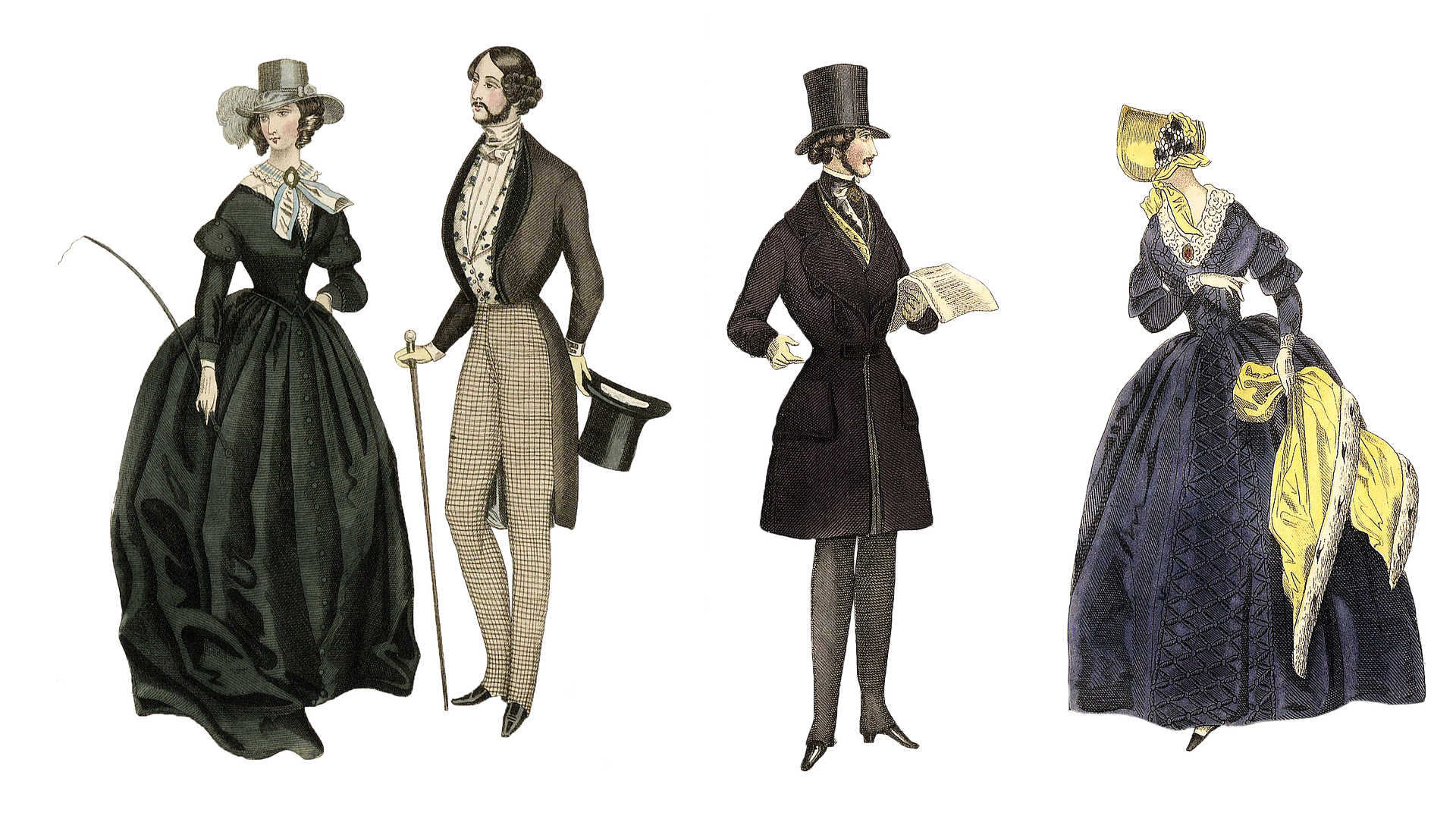
Match the English words to their Polish equivalents.
Listen to the recording and do the exercises below:
Nagranie dostępne pod adresem https://zpe.gov.pl/a/DJhlr3tec
Nagranie audio - dialog.
- Which period of the British history are they talking about? Georgian eraVictorian eraEdwardian era
- In this era, some parents didn’t allow their children to go somewhere. Where? parkschoolwar
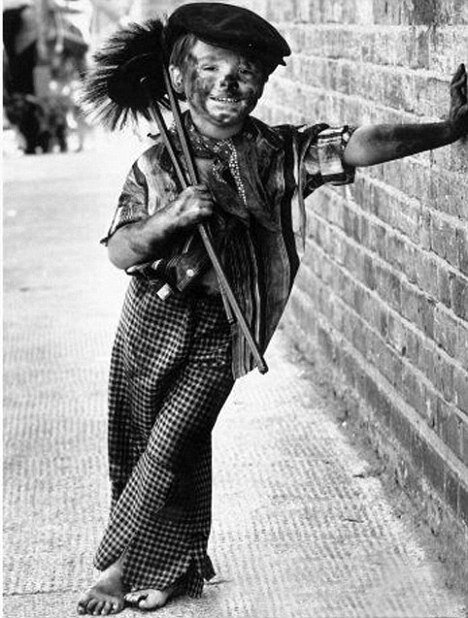
- Which of the following was one of the jobs that children were forced to do? tailoring civil engineering cleaning chimneys
- How were some children punished for not obeying their parents?no foodno toysno drinks
- What did Vikki ask for in the end? more details of storya book about historythe link for the video
Rafael: Hello, Vikki! We’re talking about the past. We saw an interesting video about British history yesterday.
Vikki: History? Isn’t that a bit boring?
Rafael: Not at all. We saw an interesting video and can’t stop thinking about it.
Nancy: Yes! It was about the Victorian age in Britain. It is the period between 1820 and 1914. Did you know about how they 1. punished, 2. obey, 3. forced, 4. forbade, 5. allow children back then?
Vikki: No, I've never heard anything about it. Could you tell me more?
Nancy: Well, many people in Britain had difficult lives in the 19th century, but it was especially hard for their children.
Vikki: Children? Why?
Nancy: Well, many parents didn’t 1. punished, 2. obey, 3. forced, 4. forbade, 5. allow their children to go to school as they didn’t have enough money. That’s why they 1. punished, 2. obey, 3. forced, 4. forbade, 5. allow children to work in different jobs; such as cleaning chimneys or sweeping the streets.
Vikki: Really?
Rafael: Yes. What’s even sadder was that children were punished badly when they misbehaved. For instance, some fathers 1. punished, 2. obey, 3. forced, 4. forbade, 5. allow their children to eat meals when the children didn’t want to work.
Vikki: Oh, that’s so sad. So, children had to 1. punished, 2. obey, 3. forced, 4. forbade, 5. allow their parents at any price?
Rafael: Not only the parents but also the society rules.
Vikki: That sounds awful. Could you please send me the link to this video? I’d like to learn more.
Rafael: Of course. I’ll share it with you when I get home.
Dear Latifa,
I’m writing to you because I’ve just watched a documentary about the Victorian EraVictorian Era. I’ve always thought that it was a wonderful time of great clothes and even greater architecture, but it turns out it was a periodperiod of time when children were made towere made to do hard labourlabour or they faced harshharsh punishment! It’s hard to imagine. Children younger than me had to earn their living by cleaning chimneyscleaning chimneys or sweeping the streetssweeping the streets.
Sometimes I get punishedget punished by my father but when it happens he doesn’t let me play my favourite video games or go to one of Christina’s parties. But in those days, parents sometimes didn’t give the child their food! How awful!
What is more, back then children couldn’t go to school if they were poorpoor! And even if they weren’t, the school wasn’t a nice place to be. A teacher would punishpunish you by hitting you with a stickstick! And if you decided to skip school because you didn’t like it, you could end up in prison! There were no happy endings for some children of the Victorian era. No happy stories.
Was life in your country also difficult in the 19th century? Tell me about it.
Your best internet‑friend,
Vikki
Źródło: Konrad Gniazdowski, Marta Godlewska, licencja: CC BY-SA 3.0.
Search for the information in the text and then, choose the correct answer.
Describe the situation of children in the Victorian era. Include the information about going to school, having to work and discipline. Write 6- 7 sentences.
GRAMATYKA
W tym materiale nauczysz się stosować wyrażenia too i enough.
TOO
Przysłówka too używamy, kiedy chcemy podkreślić, że czegoś jest zbyt dużo lub zbyt mało w stosunku do oczekiwanej ilości. W takim wypadku too ma najczęściej znaczenie negatywne. Używa się go także, żeby opisać intensywność danego zjawiska.
too + przymiotnik/przysłówek
Przykłady:
It’s too difficult. – To zbyt trudne. He drove too fast. – Jechał zbyt szybko.
Przysłówka too używamy również w wyrażeniu too much i too many.
Too much oznacza „za dużo”, a too many oznacza „zbyt wiele”.
too much + rzeczownik niepoliczalny too many + rzeczownik policzalny
Przykłady:
I have too much homework. – Mam za dużo pracy domowej.
There are too many tasks. – Jest zbyt wiele zadań.
ENOUGH
Przysłówka enough używamy, kiedy czegoś jest wystarczająco dużo. W takim kontekście ma więc znaczenie pozytywne. Gdy czegoś nie ma wystarczająco dużo, używamy wyrażenia not enough.
enough + rzeczownik
not enough + rzeczownik
Przykład:
I finally got enough rest last night. – Wczorajszej nocy w końcu dostatecznie się wyspałem.
There’s not enough room for another sofa here. – Nie ma tu dość miejsca na kolejną sofę.
Complete the sentences with too or enough.
Complete the sentences with the words in brackets. Use too or enough in each sentence. You will have to change the form of some of the words in brackets.
Słownik
/ əˈlaʊ /
pozwalać
/ ˈtʃɪmni swi:p /
kominiarz
/ ˈsɪvəl ˌendʒɪˈnɪərɪŋ /
inżynieria lądowa
/ ˈkliːnɪŋ ˈtʃɪmnɪz /
czyszczenie kominów
/ fəˈbɪd / / fəˈbæd /
zakazali [zakazać]
/ fɔːst / / fɔːs /
zmuszane, zmuszali [zmuszać]
/ɡɛt ˈpʌnɪʃt/
jestem karany/karana [być karanym/karaną]
/ hɑːʃ /
ostry/ostra, surowy/surowa
/ həʊlz / / həʊl /
dziury [dziura]
/ ˈleɪbə /
praca fizyczna
/ ˈmendɪd / / mend /
łatany/łatana, naprawiany/naprawiana [łatać, naprawiać]
/ ˌmɪsbɪˈheɪvd / / ˌmɪsbɪˈheɪv /
źle się zachowywał/zachowywała [źle się zachowywać]
/ əˈbeɪ /
słuchać się (kogoś), być posłusznym
/ ˈpætʃɪz / / pætʃ /
łaty [łata]
/ ˈpɪərɪəd /
okres (np. historyczny)
/ pɔː /
biedny, ubogi
/ ˈpʌnɪʃt / / ˈpʌnɪʃ /
ukarał/ukarała [karać]
/ rɪˈwɔːd / / rɪˈwɔːd /
nagradzać [nagroda]
/ skɪpt skuːl / / skɪp skuːl /
chodzili na wagary [wagarować]
/ stɪk /
kij, drewniany wskaźnik do tablicy
/ ˈswiːpɪŋ ðə striːts / / swept ðə striːts /
zamiatanie ulic [zamiatał ulice]
/ swept / / swiːp /
zamiatał/zamiatała [zamiatać]
/ vɪkˈtɔːrɪən ˈɪərə /
epoka wiktoriańska
/ wə ˈmeɪd tuː /
były zmuszane
Źródło: GroMar Sp. z o.o., licencja: CC BY‑SA 3.0