Prezentacja multimedialna
In the previous section, you read about the future of technology. You’ve learnt that some technologies are possible, and some are not. This section features a presentation in which you will learn about the top ten innovations of the future.
W poprzedniej sekcji przeczytałeś/przeczytałaś tekst o przyszłości technologii. Miałeś/miałaś okazję się dowiedzieć, że niektóre technologie są możliwe do urzeczywistnienia, a inne nie. W tej części znajdziesz prezentację, dzięki której poznasz dziesięć największych innowacji przyszłości.
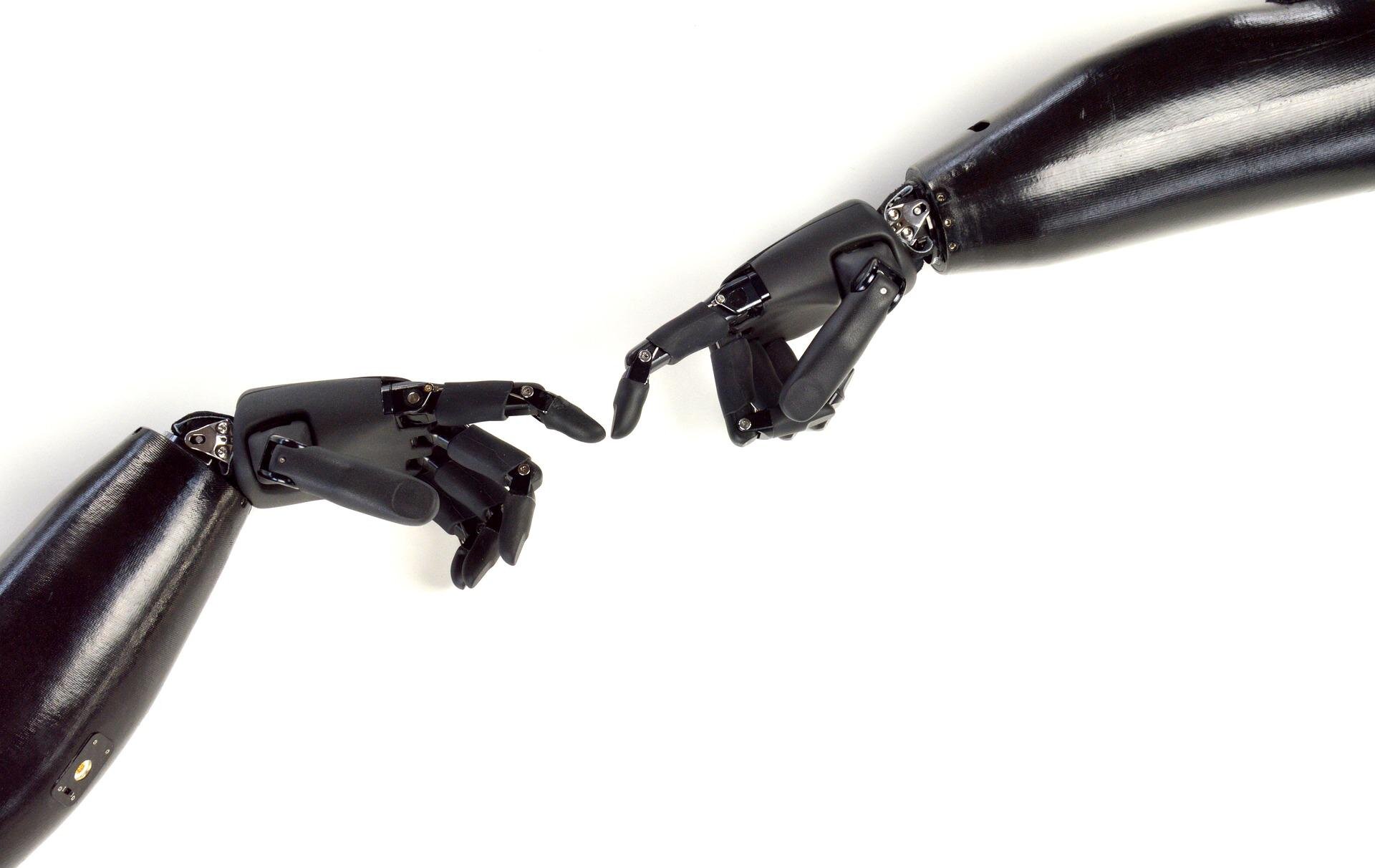
Study the presentation below and do the exercises.

TOP TEN INNOVATIONS OF THE FUTURE
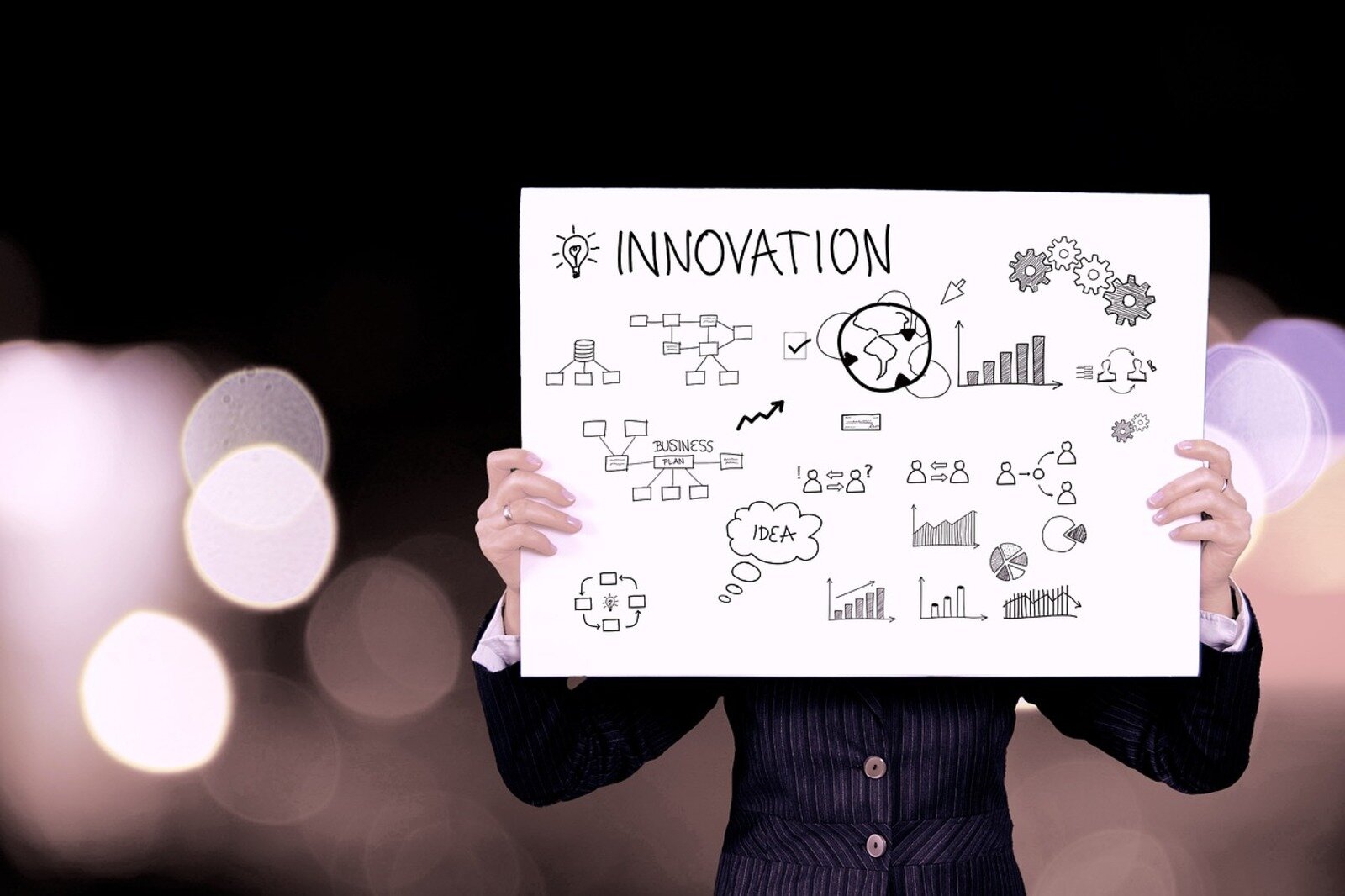
Colonising Other Planets
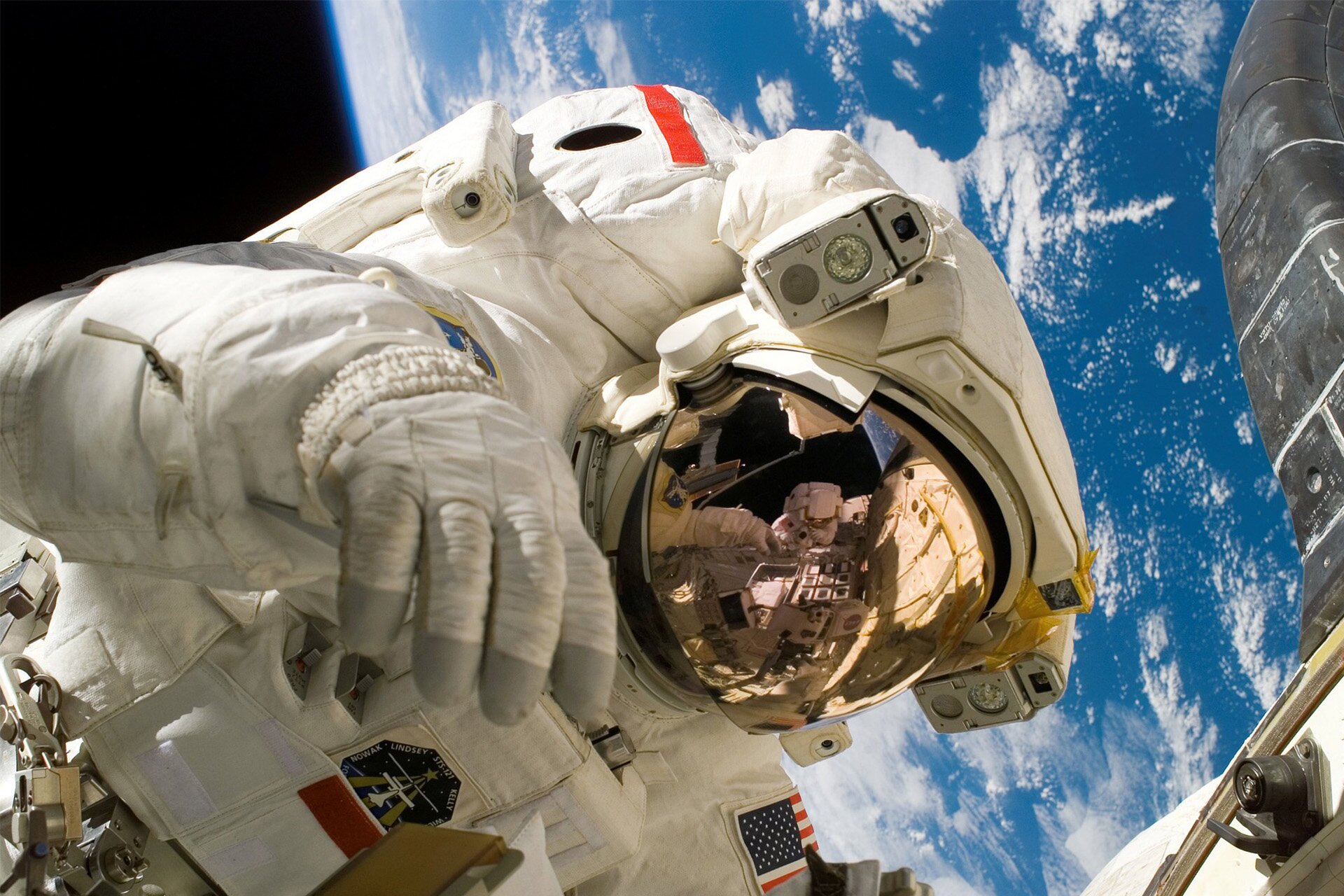
Taking Transportation to the Sky
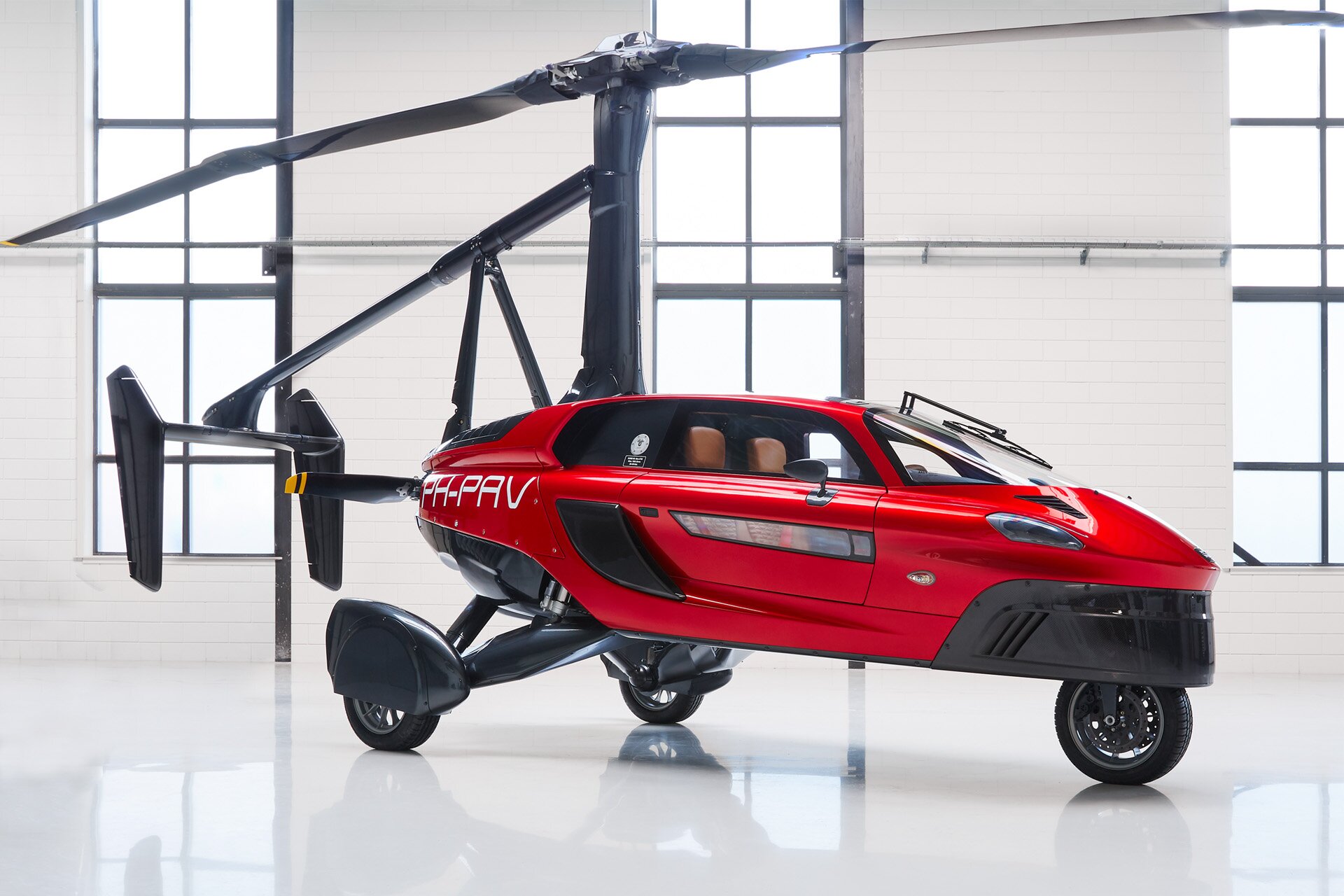
Robot Housekeepers and Caretakers
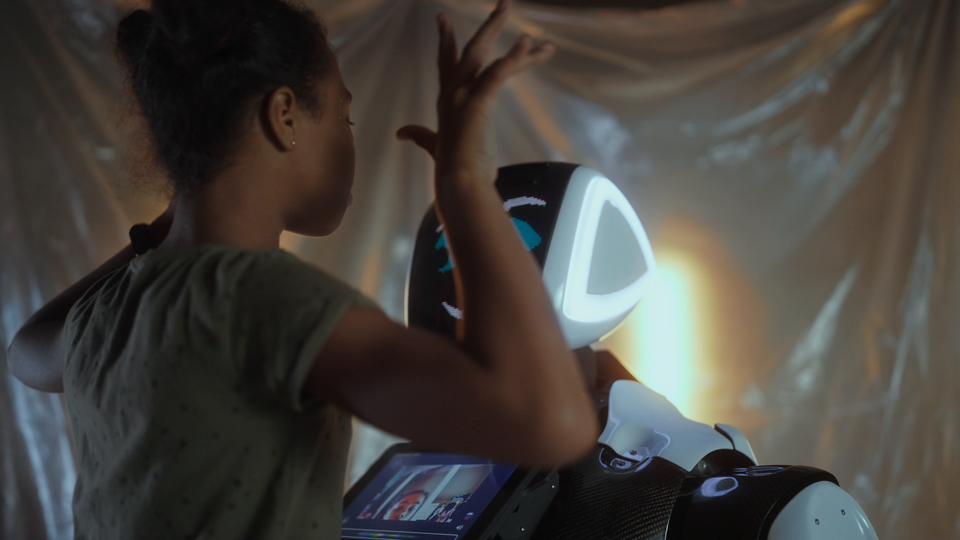
Film dostępny pod adresem /preview/resource/RzxPkVrb7MDsU
Krótki filmik przedstawia dziewczynkę bawiącą się z robotem. Najpierw dziewczynka stoi na wprost robota przypominającego człowiek i dotyka monitora umieszczonego na wysokości jego klatki piersiowej. Głowa robota podświetla się, a duże oczy, brwi i usta poruszają się i zmieniają kolory. Na bokach głowy robota widoczne są trójkątne światła, które w zależności od zachowania dziewczynki. Dziewczynka zaczyna zabawę i podnosi do góry ręce, obserwując reakcję robota. Trójkąty na bokach robota podświetlają się na zielono. Następnie dziewczynka odsuwa się od robota, wówczas na monitorze pojawiają się jakieś postaci, a robot otwiera usta i zamyka jedno oko. Dziewczynka podnosi obie ręce na wysokość głowy robota i krzyżuje dłonie, a robot się uśmiecha. Na koniec dziewczynka odwraca się, ma zadowoloną minę i ruchem dłoni wskazuje, że robot jest ok.
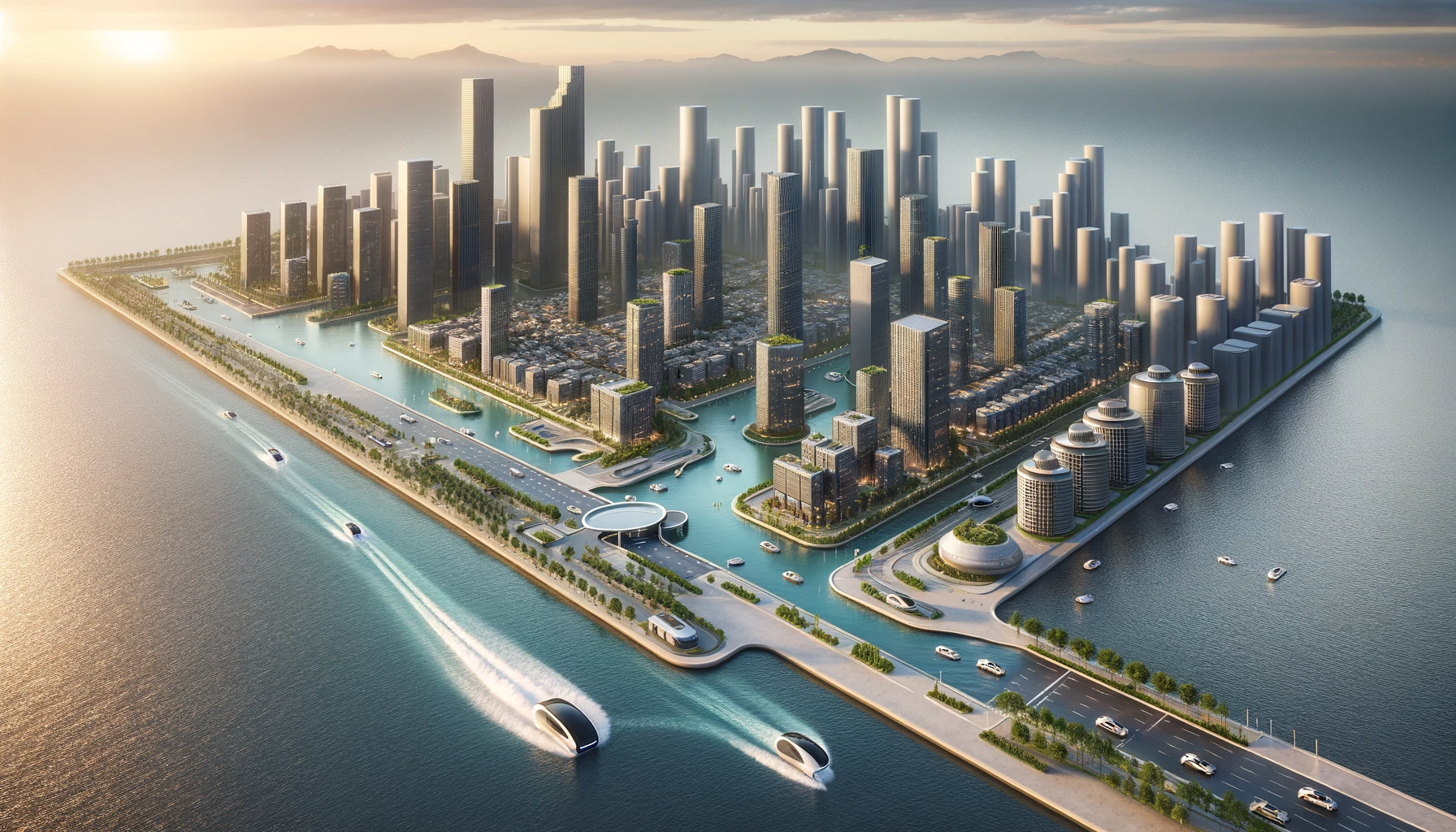
New Water Transportation Routes
Screenless Future

Film dostępny pod adresem /preview/resource/R1D3nrdzvoFq1
Krótki filmik przedstawia młodą kobietę, w ujęciu od pasa w górę, która ma założone na głowę gogle do rozszerzonej rzeczywistości. Dziewczyna wyciągniętymi przed siebie rękami wykonuje ruchy dłońmi tak, jakby przesuwała coś na wirtualnym ekranie. Wskazuje coś palcami wskazującymi lub tworzy ramkę z palca wskazującego i kciuka obu rąk.
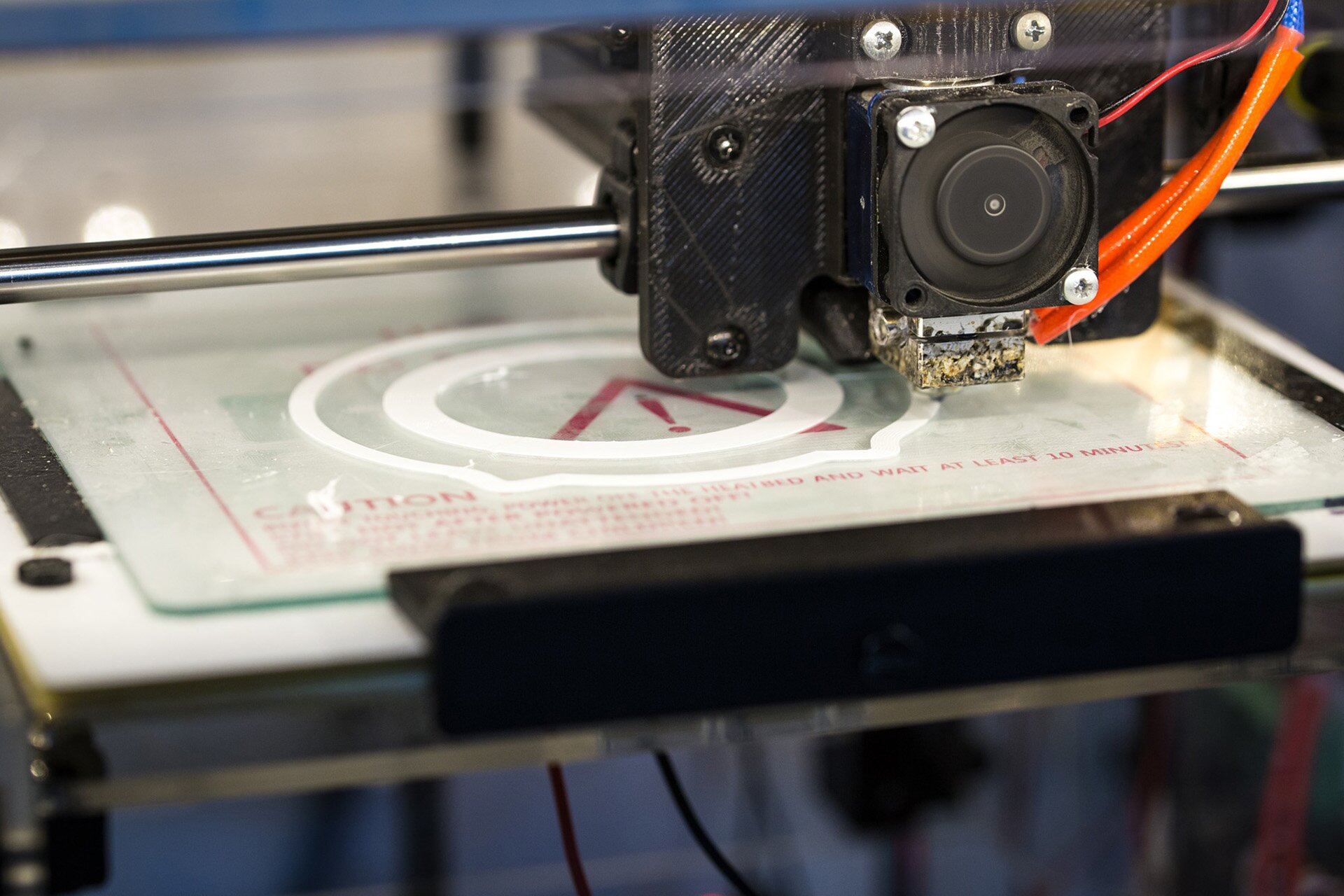
Sensitive Household Appliances
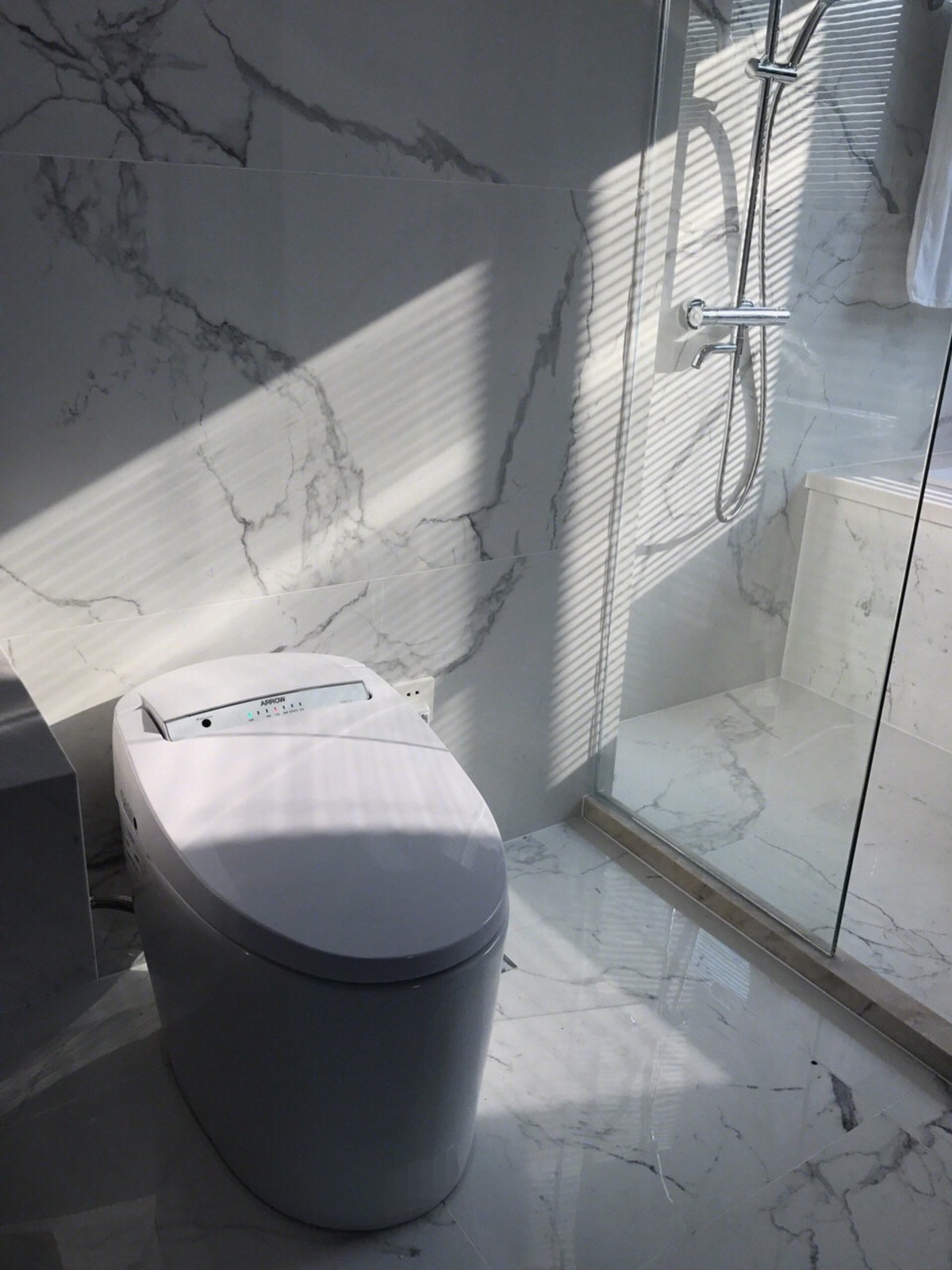
Smart Health Sensors
Doctor Nanorobot
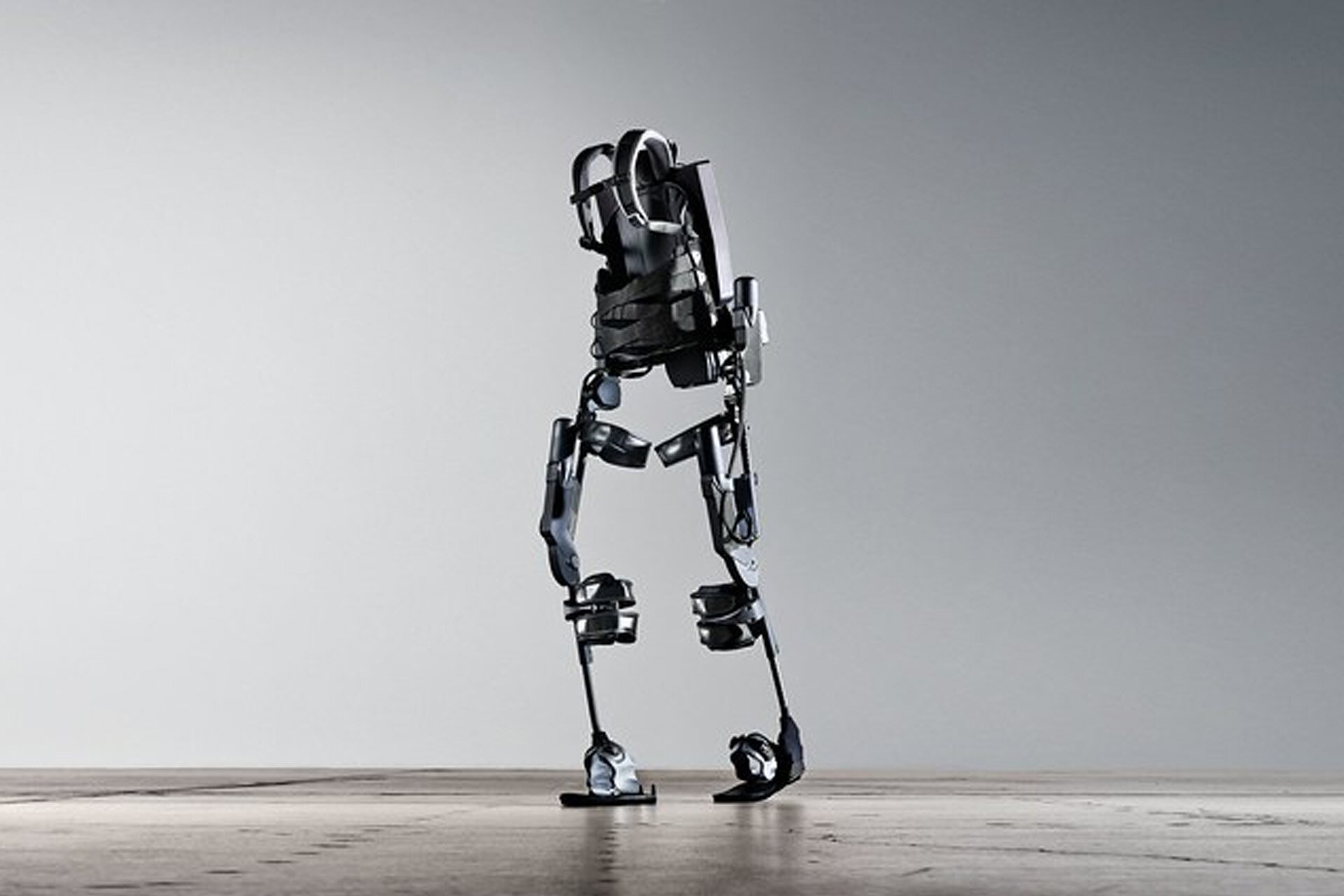
New Robotic Body
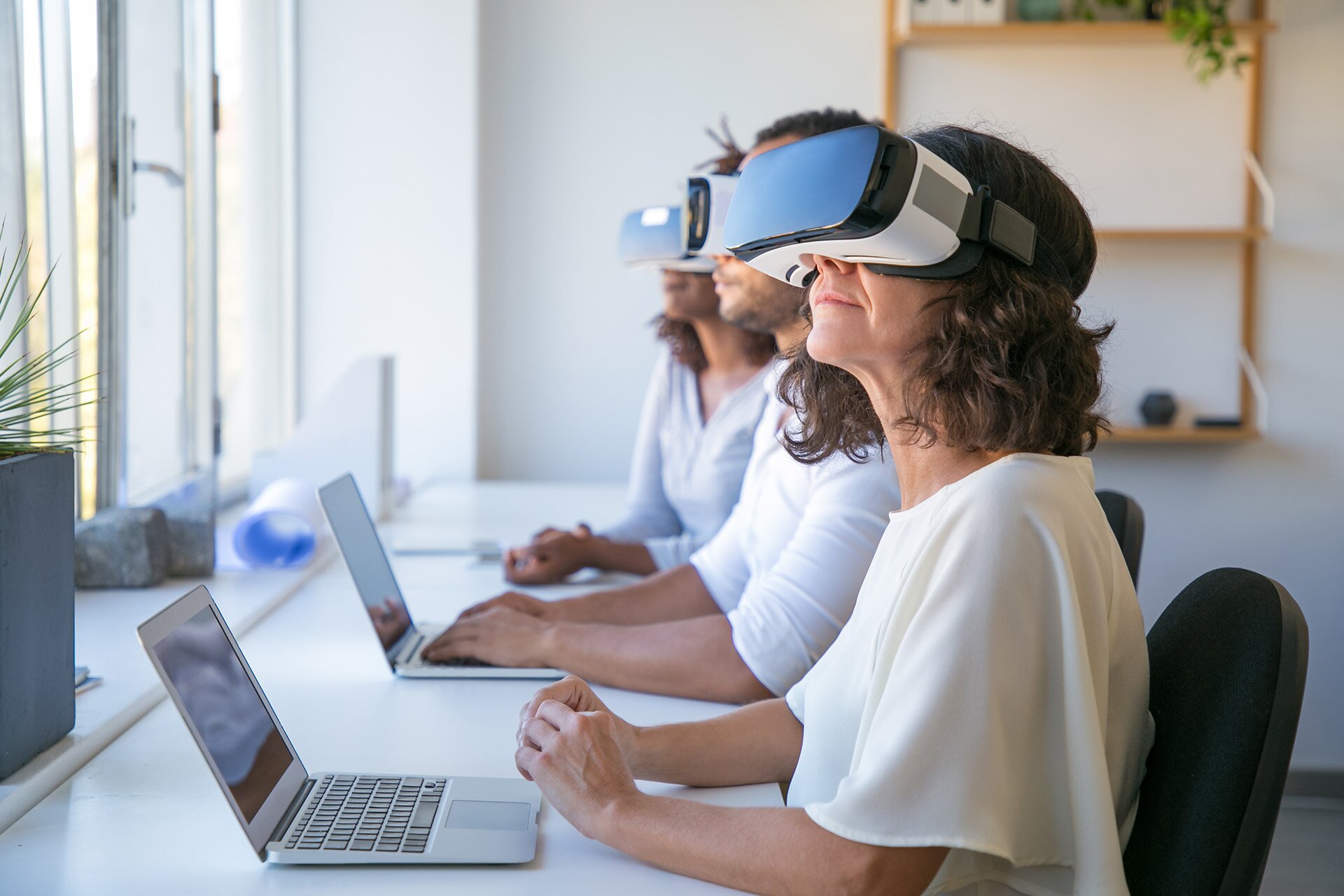
Robot Office Assistant
a) some well-off people can afford to travel to space.
b) there is less and less space on Earth.
c) people are curious about space.
2. Vehicles in the future
a) will be operated by a computer.
b) will be more personalised.
c) won’t require roads.
3. Robots
a) will be talking with people in the future.
b) will do homework for you.
c) are used in the army.
4.Gesture-based or touch-operated technologies
a) are already being used by people.
b) will require an implant.
c) will not be available for quite some time.
5. In the future, your health will be monitored by
a) your toothbrush.
b) your mirror.
c) your toilet.
6. Exoskeletons
a) are used in the military.
b) help the disabled.
c) can replace your whole body at the moment.
2. There are currently a few intriguing flying vehicle designs on the market, demonstrating that this future is a 1. viable, 2. colonise, 3. foldable, 4. invasive, 5. augmented, 6. unthinkable, 7. far-fetched, 8. Prosthetic possibility.
3. Travelling across seas in this manner may not be 1. viable, 2. colonise, 3. foldable, 4. invasive, 5. augmented, 6. unthinkable, 7. far-fetched, 8. Prosthetic once self-driving vehicles can handle all the labour and are quick enough.
4. We may be thinking about 1. viable, 2. colonise, 3. foldable, 4. invasive, 5. augmented, 6. unthinkable, 7. far-fetched, 8. Prosthetic phones and screens right now, but the future may easily be screenless
5. If 3D printed food seems a bit 1. viable, 2. colonise, 3. foldable, 4. invasive, 5. augmented, 6. unthinkable, 7. far-fetched, 8. Prosthetic, consider a refrigerator that detects when you're out of something and orders it for you.
6. Nanobots might also be utilised to repair damaged organs or perform complex and delicate medical operations without the need for 1. viable, 2. colonise, 3. foldable, 4. invasive, 5. augmented, 6. unthinkable, 7. far-fetched, 8. Prosthetic traditional surgery.
7. 1. viable, 2. colonise, 3. foldable, 4. invasive, 5. augmented, 6. unthinkable, 7. far-fetched, 8. Prosthetic and robotic limbs are now becoming a reality.
8. In the workplace, companies are experimenting with 1. viable, 2. colonise, 3. foldable, 4. invasive, 5. augmented, 6. unthinkable, 7. far-fetched, 8. Prosthetic reality gadgets.
Answer the questions with 2‑3 sentences.
Which technology mentioned in this section seems the least desirable? Why?
Which of the innovations would you like to use in the future? Why?
Which of the technological advancements described in this section seems the most important for humanity? Why?