bg‑azure

Due to human activity such as overhunting or the development of infrastructure, the future of many species of animals and plants is threatened. The list of endangered species groups animals according to their conservation status: critically endangered, endangered, or vulnerable, depending how likely they are to become extinct. However, there are also some success stories, when animals on the brink of extinction have been brought back to life, or their behaviour habits are used to assess the condition of various ecosystems. Study the presentation below and discover the stories of unique animal species.

Na skutek działalności człowieka, takiej jak zbyt intensywne polowania czy rozwój infrastruktury, przyszłość wielu gatunków zwierząt i roślin stoi pod znakiem zapytania. Powstała lista zagrożonych gatunków, na której pogrupowano zwierzęta zgodnie z ich statusem: gatunek krytycznie zagrożony, zagrożony i narażony, w zależności od tego, jak duże jest prawdopodobieństwo ich wymarcia. Były jednak i takie przypadki, że udało się przywrócić do środowiska gatunki będące na granicy wymarcia. Zachowania i zwyczaje zwierząt pomagają nam w ocenie kondycji różnych ekosystemów. Przestudiuj prezentację i odkryj historie wyjątkowych gatunków zwierząt.

Exercise 1

The polar bear is the world’s largest land‑based carnivore. The word carnivore, meaning “meat eater,” comes from the Latin words caro for „meat” and vorare meaning „to devour.” There are a few more words with the same suffix describing groups of animals, which feed on certain kinds of food.

R76FAA3QV8JUK
Drag and drop the elements to complete the second column with the examples of animals and the third one with the type of food they eat.
Źródło: GroMar Sp. z o.o., licencja: CC BY-SA 3.0.

Study the presentation about unique animal species and do the exercises below. To stop the voiceover, press the microphone icon.

R1JJ443RZ3tnC

How much do you know about endangered species? Choose the sentences that you think are true.

R1Ivk9ytLSOqw1
Exercise 2
Ilustracja przedstawia ćwiczenie to wykonania. U góry widoczne jest polecenie w języku angielskim: How much do you know about endangered species? Choose the sentence that you think are true. Poniżej możliwe odpowiedzi w języku angielskim: a) Most of the endangered species are at risk due to humans. b) Blue whales are endangered despite their numbers being as high as 200k. c) Mountain gorillas share 98% of DA with humans yet they're not susceptible to human diseases. d) Puffins indicate whether people fish too much in certain areas. e) Mountain oxen have almost gone extinct in the past. Na prawo od każdej odpowiedzi widoczny jest kwadracik do zaznaczenia.
Źródło: GroMar Sp. z o.o., licencja: CC BY-SA 3.0.
RAkG4ngrbc8r8

Can you name some endangered animal species and identify their characteristics?
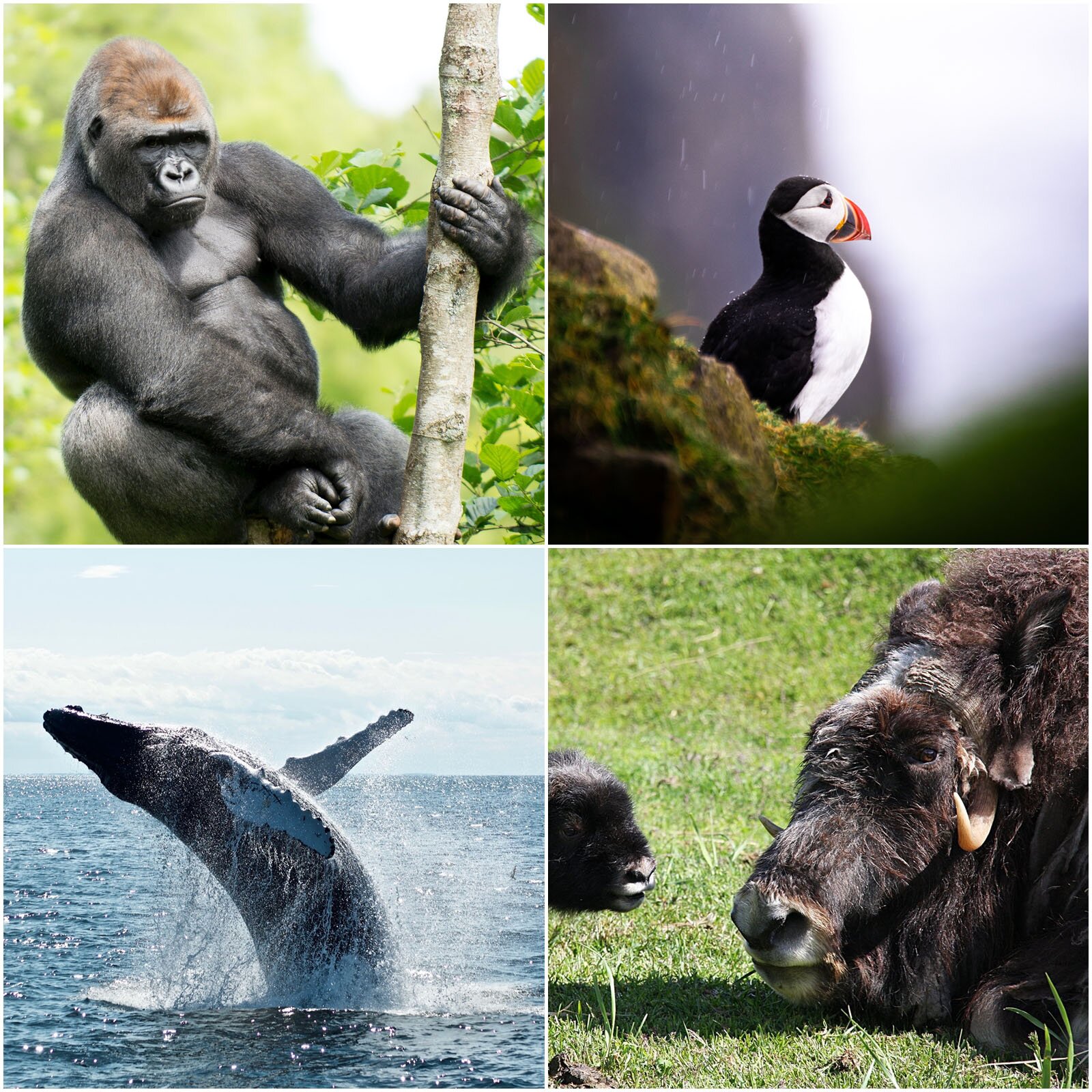
R1c2uAhzaXGdA1
Źródło: dostępny w internecie: www.pixabay.com [dostęp 31.08.2022], www.pexels.com [dostęp 31.08.2022], domena publiczna.
TRANSCRIPTazurewhite
RGxwj59otAmH8

Why are gorillas one of the world's most endangered species?
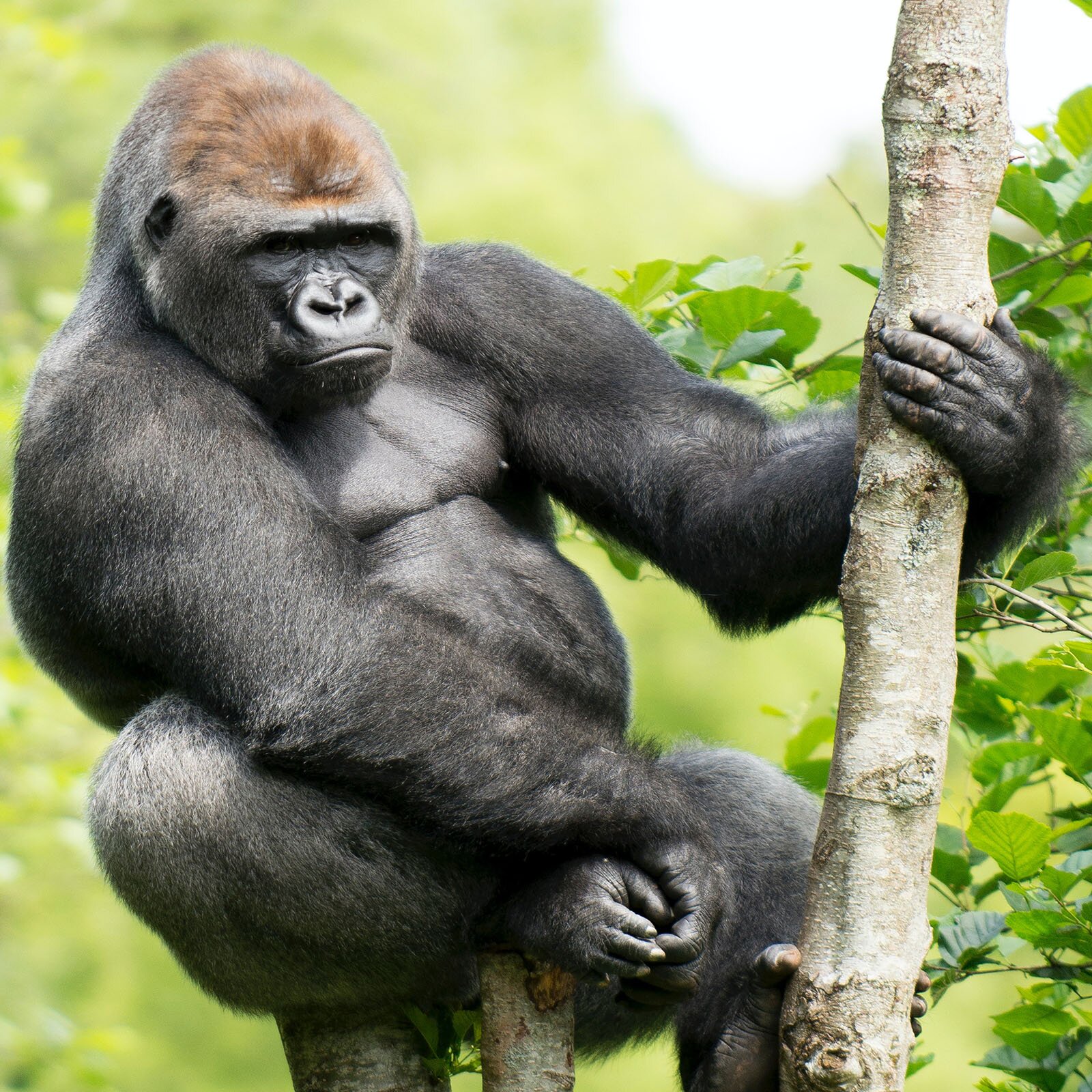
RbwI2JwZJkm3F1
Źródło: dostępny w internecie: www.pexels.com [dostęp 31.08.2022], domena publiczna.
TRANSCRIPTazurewhite
RaNyr68WDOa4Z

How much do you have in common with mountain gorillas?
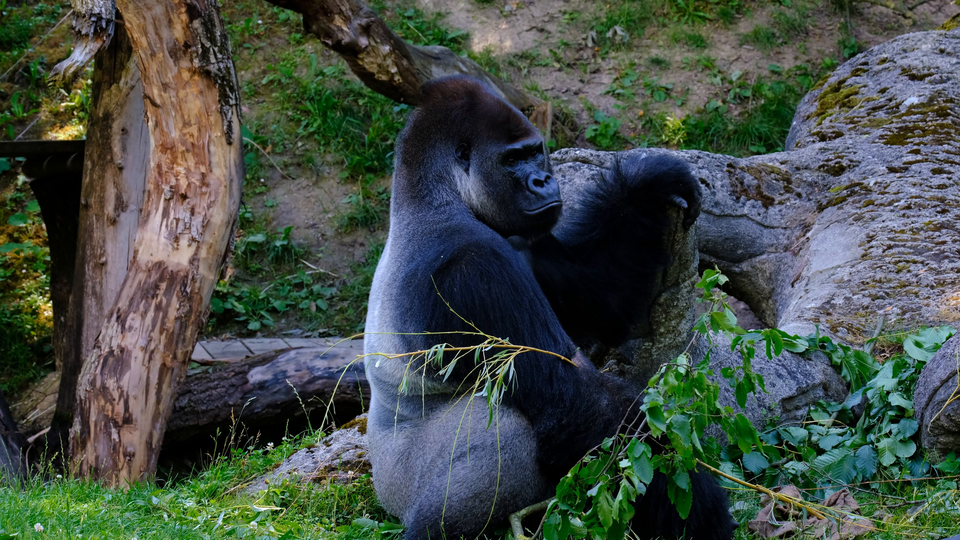
R18nTVFBFj3sp1
Krótki film przedstawia siedzącego na trawie goryla w ujęciu z boku, zwróconego w prawą stronę. Goryl lewą łapą trzyma do góry. W prawej łapie trzyma gałązkę z zielonymi listkami. Obok niego leżą kolejne gałązki. Goryl rusza paszczą i coś przeżuwa. Po prawej stronie widoczny jest leżący pień drzewa, a po lewej stronie widoczne jest drzewo bez kory. W tle stok porośnięty kępkami trawy..
TRANSCRIPTazurewhite
R10Bmnty6Dwg8

Can puffins help us assess the condition of oceans?
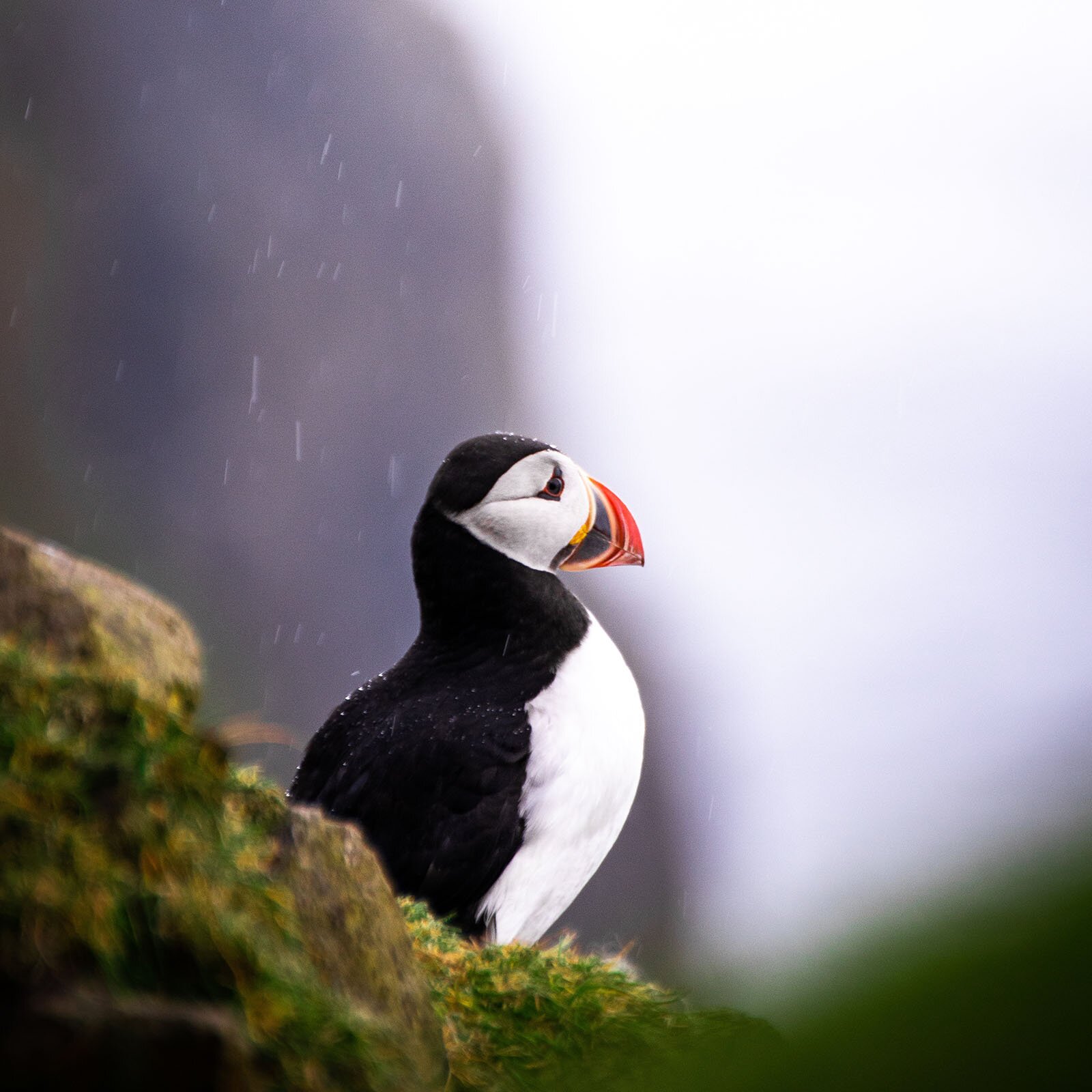
R10h8TWnDj3lg1
Źródło: dostępny w internecie: www.pexels.com [dostęp 31.08.2022], domena publiczna.
TRANSCRIPTazurewhite
R1XV6BnqP5oU1

Why is the number of marine mammals decreasing??
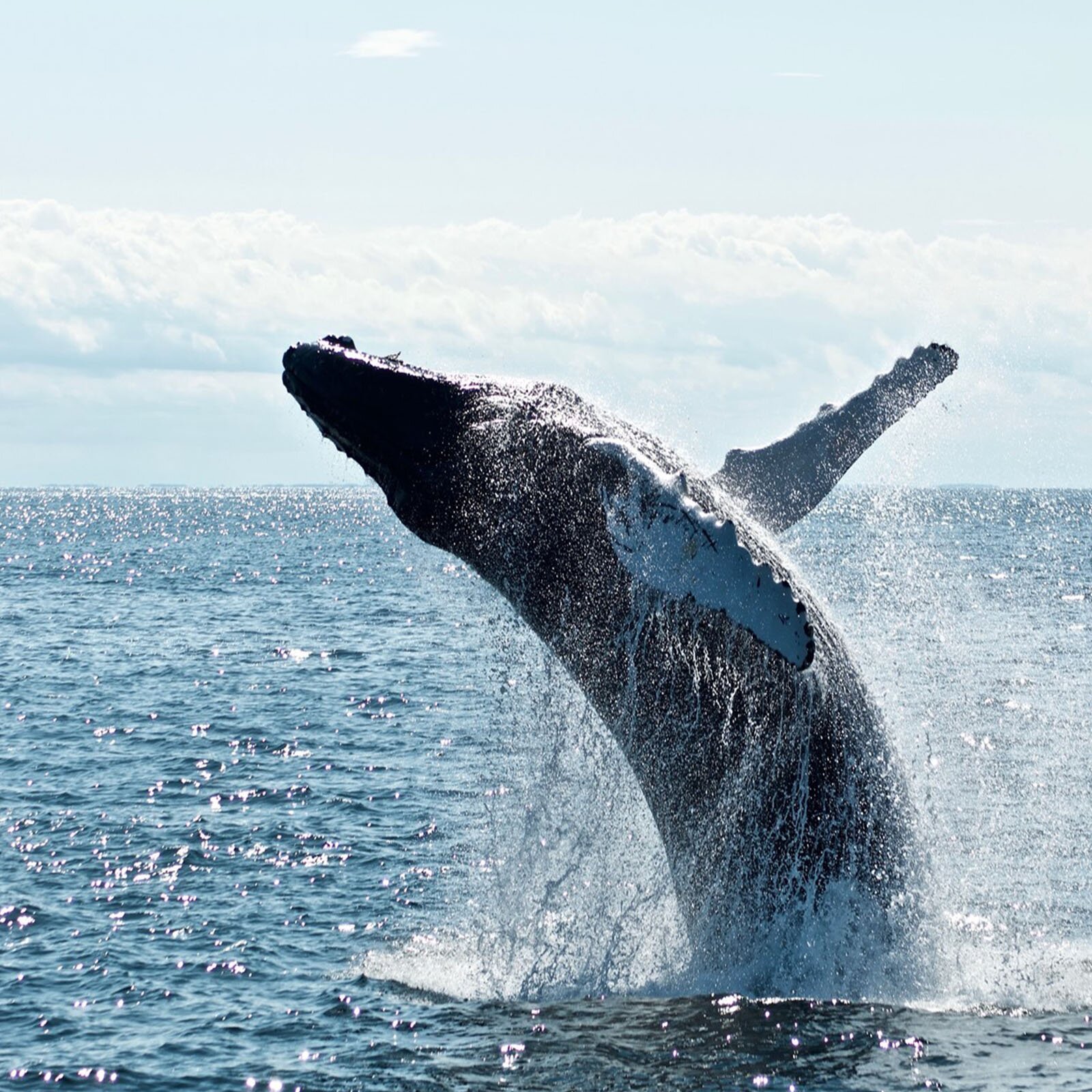
R3XG7lkT4ndih1
Źródło: dostępny w internecie: www.unsplash.com [dostęp 31.08.2022], domena publiczna.
TRANSCRIPTazurewhite
R6UHdrFVlwfHZ

Did you know they are huge, voracious and long‑lived?
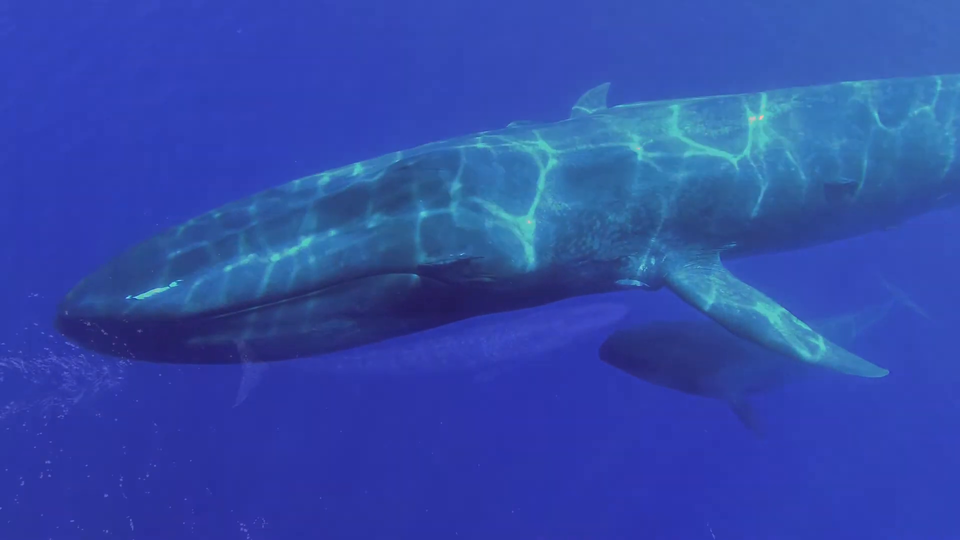
RPhkB7Z4FeTit1
Krótki film przedstawia pływającego płetwala błękitnego. Widoczna jest jego ogromna sylwetka. Widoczne są jego dwa otwory nosowe, mała płetwa grzbietowa i duża płetwa ogonowa z wyraźnym wcięciem pośrodku. Płetwal pływa w akwenie z błękitno‑niebieską wodą..
TRANSCRIPTazurewhite
R10yszsZ9tT3E

Musk oxen - survived the ice age, almost wiped out by humans
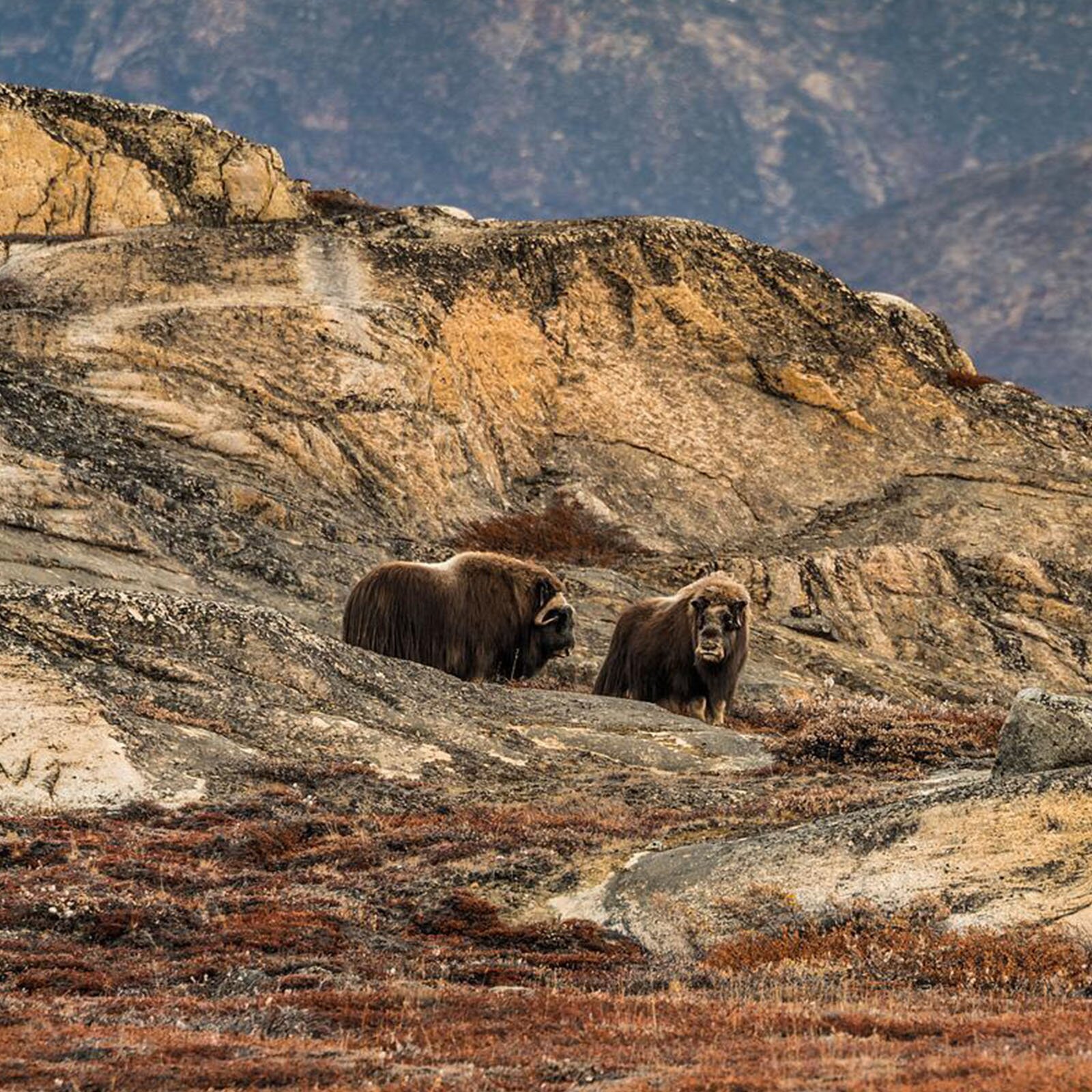
R5zcgOzUfsEeZ1
Źródło: dostępny w internecie: www.pixabay.com [dostęp 31.08.2022], domena publiczna.
TRANSCRIPTazurewhite
R1JqKkn6XeNgr

Musk oxen - did you know these facts about their anatomy?
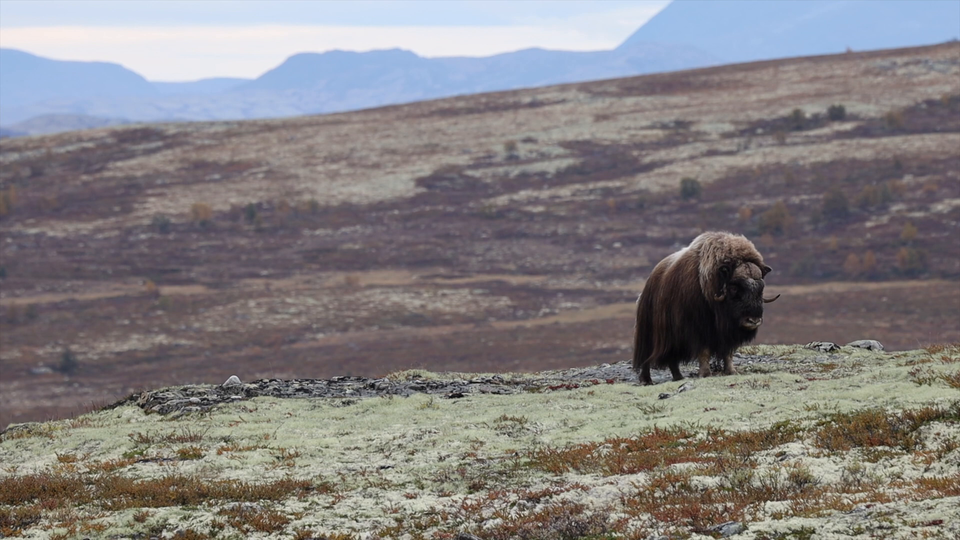
R1VRwsqOfm7Zi1
Krótki film przedstawia stado pasących się wołów piżmowych. Widoczne są zwierzęta o masywnej budowie ciała, gęsto porośnięte brązową, długą sierścią. Na głowach zwierząt widoczne są rogi rosnące od dołu w górę, wygięte końcami ku górze. Woły piżmowe widoczne są na skalistym stoku porośniętym niską roślinnością. W tle widoczne są skały..
TRANSCRIPTazurewhite
RkDJ0wgMQs6xV

What can you do to protect endangered species?
R1STJJYQJ75fD1
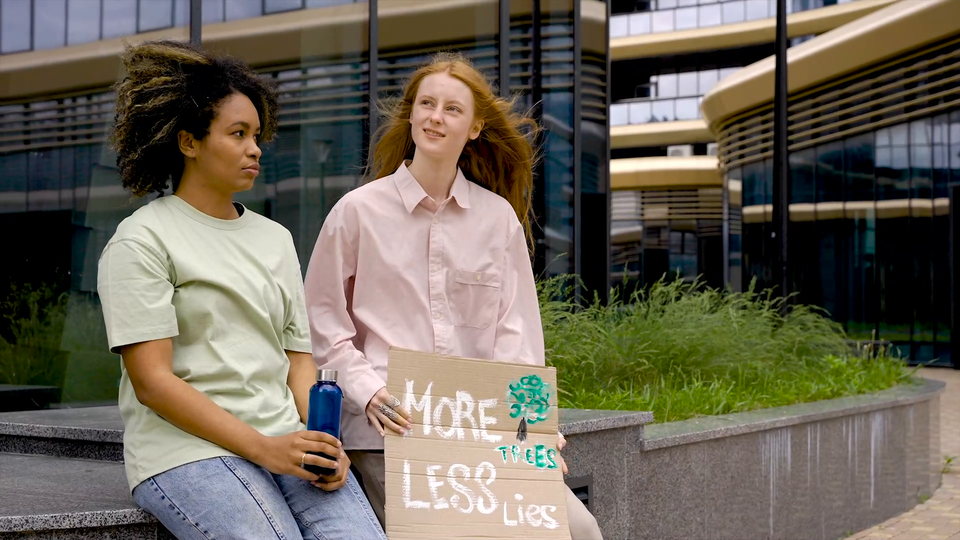
Krótki film przedstawia dwie młode dziewczyny siedzące na wysokim murku klombu i rozmawiające. Dziewczyna po lewej stronie ma długie, ciemne i kręcone włosy, ubrana jest w zielonkawą koszulkę z krótkim rękawem i dżinsy. W rękach trzyma butelkę termiczną w kolorze niebieskim. Dziewczyna po prawej stronie ma długie, proste i rozpuszczone rude włosy, ubrana jest w różową koszulę i spodnie. W ręku trzyma transparent wykonany z kawałka kartonu, na którym widnieje odręcznie wykonany napis w języku angielskim:MORE TREES LESS LIES. Słowo TREES jest namalowane zieloną farbą, a nad nim namalowane jest zielone drzewo. W tle widoczne są nowoczesne budynki.
TRANSCRIPTazurewhite
RpKehfd4NSXvQ

Let’s go and save the planet for its inhabitants!

RQOkgXYaCSC381
Krótki film przedstawia cztery kontenery wykonane z półprzeźroczystego mlecznego plastiku. Kontenery stoją jeden na drugim. Na każdym z nich widnieje napis w języku angielskim (od dołu): GLASS, METALS, PLASTIC, PAPER oraz symbol zielonego koła, na którym znajdują się trzy zgięte białe strzałki układające się w trójkąt. W poszczególnych pojemnikach widoczne są szklane butelki, metalowe puszki i nakrętki, plastikowe opakowania, kartki i kartony z papieru.
TRANSCRIPTazurewhite
RYqQBC03qmKfu

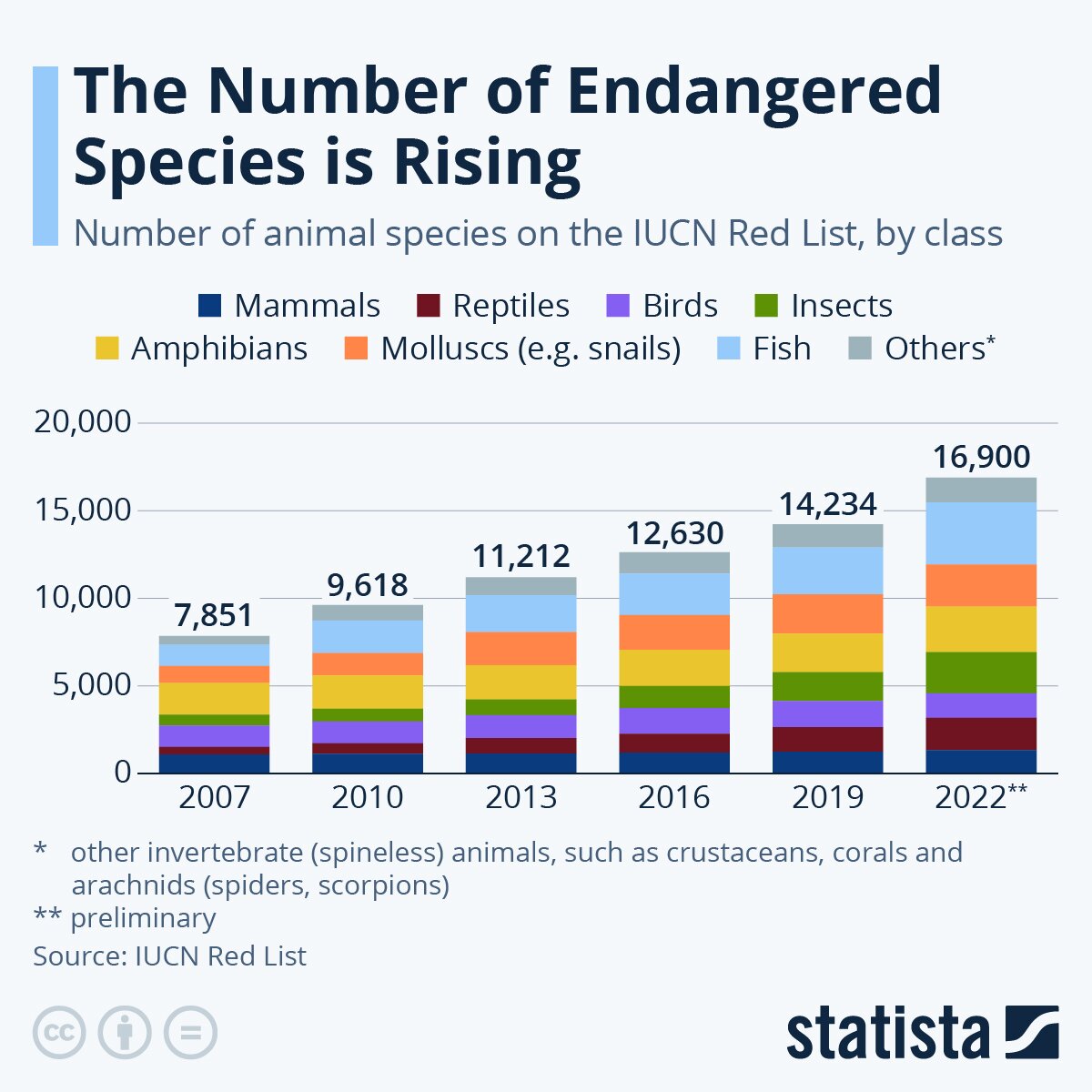
Have a look at the graph. Which species are becoming more endangered with every passing year? Which ones remain at aprox. the same risk? Why do you think that is?
RnnAzf1SefyrT1
Źródło: dostępny w internecie: https://www.statista.com/chart/17122/number-of-threatened-species-red-list/.
RGaHKkDvGUv5n

Revise information from the slides by taking a look at the mind map below.

RfYTRWKTAbuBt1
Grafika przedstawia mapę pojęć, zaprezentowanych w kolorowych kółkach, w których znajdują się hasła w języku angielskim. W centrum znajduje się kategoria: Endangered Species, od której odchodzą cztery grupy: Musk Oxen z odnogami: Almost extinct in the 1800s, Reintroduced in the 1930s Blue Whales z odnogami: Their numbers are as low as 3,000; Endangered due to human activity Mountain Gorillas z odnogą: One of the most endangered species in the world, która dzieli się na: Die due to population explosions near their habitats Susceptible to human diseases Puffins z odnogą: Used to tell whether an area is being overfished
Źródło: GroMar Sp. z o.o., licencja: CC BY-SA 3.0.
Lektor volume
Music volume
Exercise 3
RuX5CQuksSWhU
Refer to the recordings in each slide and decide if the statements are true or false. The numbers of the statements refer to the numbers of the slides in the presentation. 1a. There are only 1,000 gorillas left in the wild.
TRUEFALSE

1b. Gorillas are likely to be infected with human diseases.
TRUEFALSE

1c. What differentiates humans from gorillas is only 2% of DNA.
TRUEFALSE

2a. Puffins’ feathers are similar to those of chickens.
TRUEFALSE

2b. Puffins bury their eggs in holes they dig in the ground.
TRUEFALSE

2c. If there are puffins, it means there are fish.
TRUEFALSE

3a. Some cetaceans have teeth and others don’t.
TRUEFALSE

3b. It’s legal to hunt whales in some parts of the world.
TRUEFALSE

3c. Because there are more and more ships sailing across the oceans, whales find it difficult to find breeding partners.
TRUE FALSE

3d. Orcas are the biggests cetaceans.
TRUEFALSE

4a. Humans turned out to be more dangerous to musk oxen than the ice age.
TRUEFALSE

4b. Musk oxen eat only plants.
TRUEFALSE

4c. Musk oxen often bump their heads into hard objets.
TRUEFALSE
Źródło: GroMar Sp. z o.o., licencja: CC BY-SA 3.0.
Exercise 4
RX0iV7h5mRKrX
Study the presentation again. Drag the right words or phrases to match the definitions below. The numbers of the definitions refer to the numbers of the slides in which the words you need to spot were used. 3. to show sadness after somebody’s death Możliwe odpowiedzi: 1. mourn, 2. offspring, 3. viable threat, 4. hinder, 5. abundance, 6. fossil, 7. grazing, 8. marine, 9. susceptible, 10. predator, 11. forage for food, 12. krill 2a. vulnerable, prone Możliwe odpowiedzi: 1. mourn, 2. offspring, 3. viable threat, 4. hinder, 5. abundance, 6. fossil, 7. grazing, 8. marine, 9. susceptible, 10. predator, 11. forage for food, 12. krill 2b. a real danger Możliwe odpowiedzi: 1. mourn, 2. offspring, 3. viable threat, 4. hinder, 5. abundance, 6. fossil, 7. grazing, 8. marine, 9. susceptible, 10. predator, 11. forage for food, 12. krill 5a. to look for things to eat Możliwe odpowiedzi: 1. mourn, 2. offspring, 3. viable threat, 4. hinder, 5. abundance, 6. fossil, 7. grazing, 8. marine, 9. susceptible, 10. predator, 11. forage for food, 12. krill 4a. a kind of animal that hunts and kills other animals for food Możliwe odpowiedzi: 1. mourn, 2. offspring, 3. viable threat, 4. hinder, 5. abundance, 6. fossil, 7. grazing, 8. marine, 9. susceptible, 10. predator, 11. forage for food, 12. krill 4b. a huge amount, plenty of Możliwe odpowiedzi: 1. mourn, 2. offspring, 3. viable threat, 4. hinder, 5. abundance, 6. fossil, 7. grazing, 8. marine, 9. susceptible, 10. predator, 11. forage for food, 12. krill 5b. related to the sea Możliwe odpowiedzi: 1. mourn, 2. offspring, 3. viable threat, 4. hinder, 5. abundance, 6. fossil, 7. grazing, 8. marine, 9. susceptible, 10. predator, 11. forage for food, 12. krill 5c. to make something more difficult to happen, to hamper Możliwe odpowiedzi: 1. mourn, 2. offspring, 3. viable threat, 4. hinder, 5. abundance, 6. fossil, 7. grazing, 8. marine, 9. susceptible, 10. predator, 11. forage for food, 12. krill 5, 6. very small animals similar to shrimps which live in the sea and are eaten by some kinds of whales Możliwe odpowiedzi: 1. mourn, 2. offspring, 3. viable threat, 4. hinder, 5. abundance, 6. fossil, 7. grazing, 8. marine, 9. susceptible, 10. predator, 11. forage for food, 12. krill 7a. a piece of organic matter that has been preserved in the form of a stone Możliwe odpowiedzi: 1. mourn, 2. offspring, 3. viable threat, 4. hinder, 5. abundance, 6. fossil, 7. grazing, 8. marine, 9. susceptible, 10. predator, 11. forage for food, 12. krill 7b. eating grass Możliwe odpowiedzi: 1. mourn, 2. offspring, 3. viable threat, 4. hinder, 5. abundance, 6. fossil, 7. grazing, 8. marine, 9. susceptible, 10. predator, 11. forage for food, 12. krill 8. the children of an animal (or of humans) Możliwe odpowiedzi: 1. mourn, 2. offspring, 3. viable threat, 4. hinder, 5. abundance, 6. fossil, 7. grazing, 8. marine, 9. susceptible, 10. predator, 11. forage for food, 12. krill
Źródło: GroMar Sp. z o.o., licencja: CC BY-SA 3.0.
Exercise 5

Answer the question in 4‑5 sentences.

  1. Which of the animals described in the presentation would you most like to see in their natural habitat? Why?

REysI4ElyNLTG
(Uzupełnij).
Źródło: GroMar Sp. z o.o., licencja: CC BY-SA 3.0.