Prezentacja multimedialna
Wikipedia and Encyclopaedia Britannica are probably the most popular sources of reference. However, there are also other encyclopaedias both paper‑based and online that people use. Study the presentation showing five main types of these publications and think which you like the most.
Wikipedia i Encyklopedia Britannica to prawdopodobnie najpopularniejsze źródła informacji w języku angielskim. Istnieją jednak inne encyklopedie zarówno drukowane, jak i internetowe, z których możemy korzystać. Zapoznaj się z prezentacją przedstawiającą pięć głównych typów tych publikacji i zastanów się, która ci najbardziej odpowiada.
Match the following words with their translations.
Połącz poniższe wyrazy z ich tłumaczeniami.
Find the English translations of the Polish words related to the qualities of encyclopaedia articles listed below. Search up, down, forward, backward and on the diagonal to find the hidden words.
Znajdź angielskie tłumaczenia wymienionych poniżej wyrazów związanych z właściwościami artykułów w encyklopediach. Możesz ich szukać z dołu do góry, z góry do dołu, do przodu, do tyłu i na ukos.
Study the presentation and do the exercises.
Zapoznaj się z prezentacją i wykonaj ćwiczenia.
How Do You Like to Study?
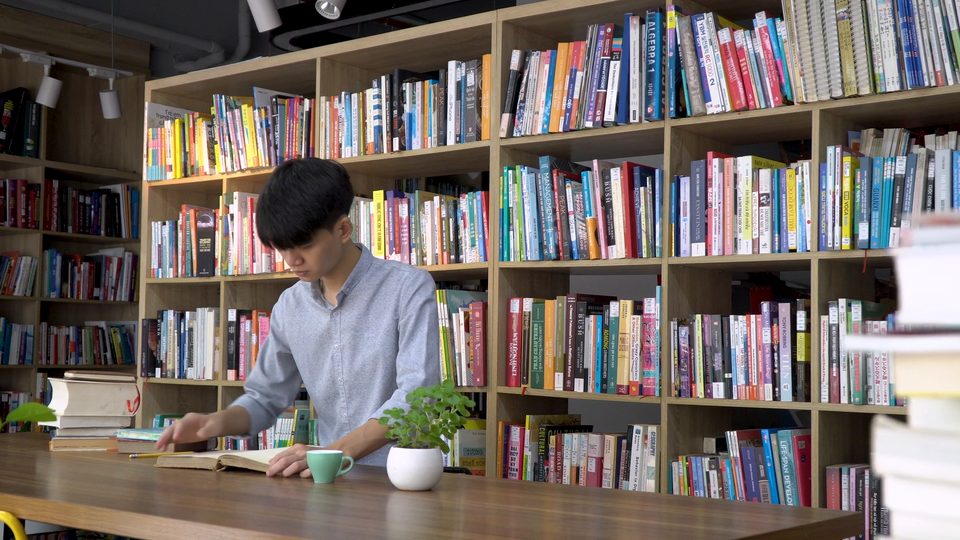
Film dostępny pod adresem /preview/resource/R2OcX952QziMo
Krótki film przedstawia młodego chłopaka, który stoi za długim drewnianym blatem. Na blacie rozłożone są różne książki. Na lewym i prawym końcu stołu widoczne są stosy książek. Chłopak ma pochyloną głowę i wzrok skierowany na otwartą książkę, leżącą na stole, którą trzyma lewą ręką, zaś prawą przewraca strony. Za nim widoczne są regały wypełnione książkami o różnokolorowych grzbietach.
Studying Online
If You Don’t Want to Feel Like This…
Infoplease
Film dostępny pod adresem /preview/resource/R1QTYTxRe9aoZ
Krótki film przedstawia zawieszone w przestrzeni ekrany komputerów, na których wyświetlają się te same obrazy. Ekrany są zawieszone na różnej wysokości i skierowane w różne strony. Tło pomieszczenia w kolorze niebieskim.
The World Book Encyclopaedia
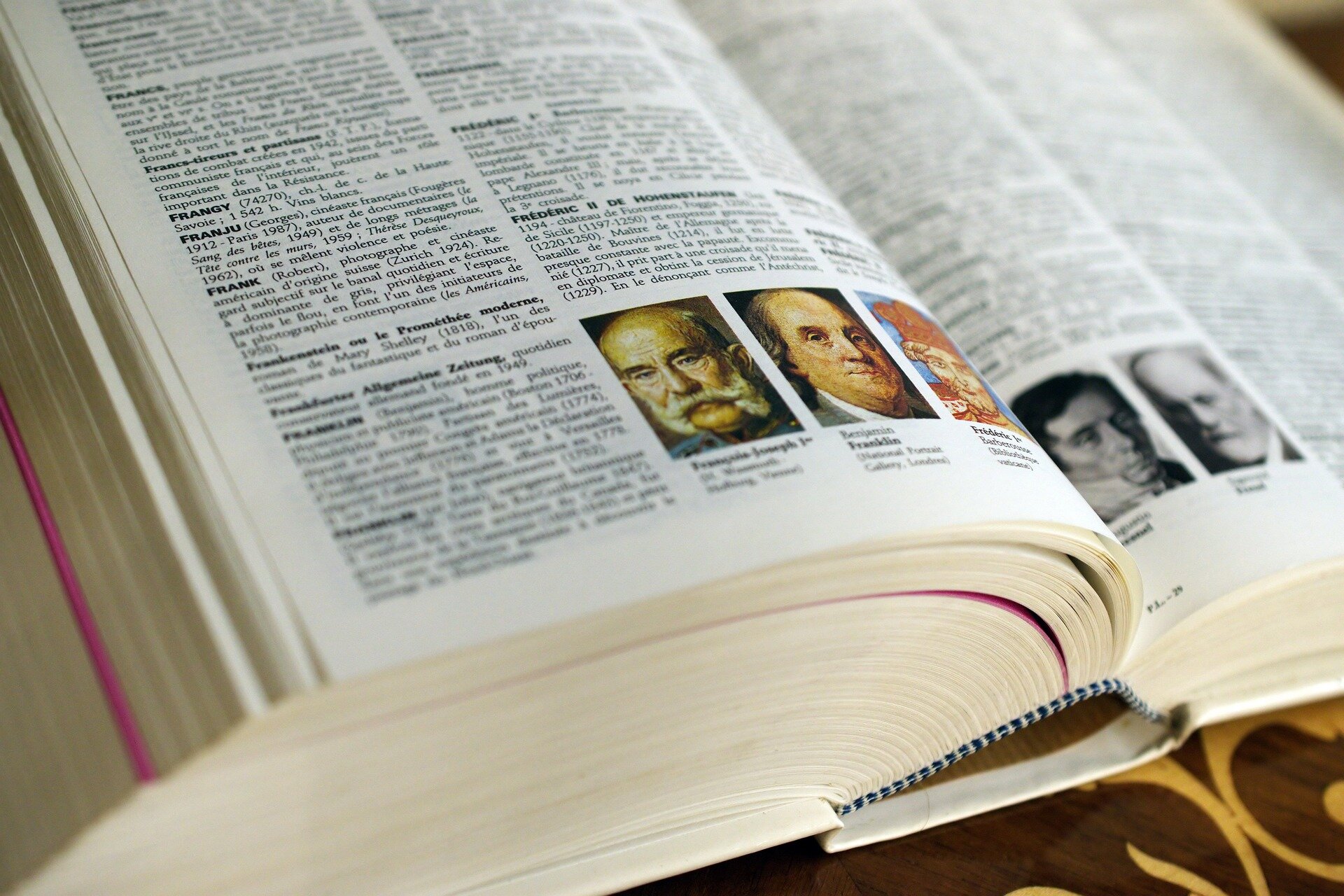
The World Book Encyclopaedia Has It All
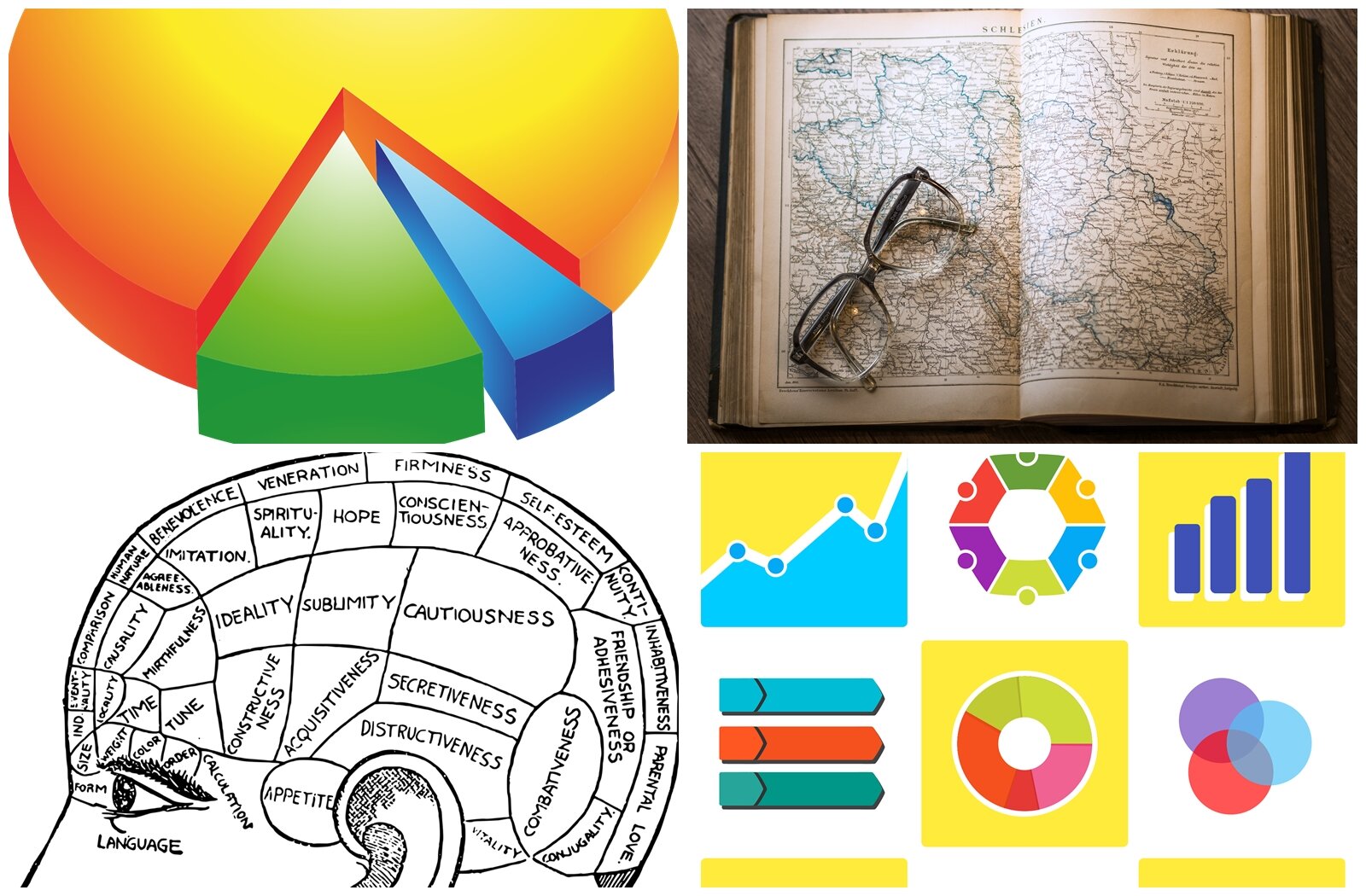
Online Subject Encyclopaedia
Online Scientific Encyclopaedia

Film dostępny pod adresem /preview/resource/RV5I69wX4hVjE
Krótki film przedstawia młodą kobietę w laboratorium. Kobieta ubrana jest w biały kitel, maseczkę i okulary ochronne na twarzy. Stoi przy mikroskopie, który jest ustawiony na długim blacie. Na blacie stoją również: otwarty laptop, szklane menzurki z kolorowymi substancjami w środku.
Written by Scientists

Experimental Encyclopaedia - Citizendium
Study the presentation about the types of encyclopaedias and choose the correct answer.
Zapoznaj się z prezentacją o rodzajach encyklopedii i wybierz poprawne odpowiedzi.
- Infoplease
a) has much longer texts than Wikipedia.
b) has won prizes for presenting objective content.
c) has only basic encyclopaedic content.
- The World Book Encyclopaedia
a) is an online publication available in the USA.
b) has a lot of graphical extras.
c) has very limited content.
- The Encyclopedia of Biology
a) has more than a thousand entries.
b) is not created by experts.
c) is only about science and biology.
- Scholarpedia
a) is not created by scientists.
b) offers information verified by scientists.
c) ia a printed source of information.
- Citizendium
a) is similar to Wikipedia.
b) sometimes publishes unchecked information.
c) is edited by a small number of experts.
You would like to add information to a well‑known encyclopaedia. Study the presentation again and select all the titles of encyclopaedias that you could help to edit.
Chcesz dodać informacje do znanej encyklopedii. Przeanalizuj prezentację i wybierz wszystkie tytuły encyklopedii, w których redagowaniu chciałbyś/chciałabyś uczestniczyć.
- I don’t want to tell my true name, but I’m an expert in my field. I like online resources.
a) Wikipedia
b) The World Book Encyclopaedia
c) Infoplease
- I am an expert in my field and I like paper-based publications.
a) Wikipedia
b) Infoplease
c) The World Book Encyclopaedia
- I am an amateur and I would like to write without giving my name.
a) Scholarpedia
b) Citizendium
c) Wikipedia
- I am a well-known expert writing short, online articles, often used by students.
a) The World Book Encyclopaedia
c) Infoplease
d) Wikipedia
Read the text about online encyclopaedias with three missing sentences. In each gap (7.1–7.3), write the letter that corresponds to the missing sentence (A–D), so that the text makes logical sense. One sentence doesn’t fit with any gap.
Przeczytaj tekst o encyklopediach internetowych, w którym brakuje trzech zdań. W każdą lukę (7.1–7.3) wpisz literę odpowiadającą brakującemu stwierdzeniu (A–D), aby powstał logiczny tekst. Jedno zdanie nie pasuje do żadnej luki.
Answer the questions in 2–3 sentences. Use the information from the presentation.
Which encyclopaedia is most suitable for use on the Internet? Why?
Which one, in your opinion, is favourable for those who prefer paper? Why?
Which encyclopaedia would allow you to contribute? Why?
Odpowiedz na poniższe pytania 2–3 zdaniami. Wykorzystaj informacje z prezentacji.
-Która encyklopedia najlepiej nadaje się do wykorzystania w internecie ? Dlaczego ?
Które źródło informacji jest odpowiednie dla osób preferujących tekst na papierze? Dlaczego?
Którą encyklopedię byłbyś/byłabyś w stanie uzupełnić? Dlaczego?