Prezentacja multimedialna
One may think that plants have no means to protect themselves from predators wanting to eat or pick them. Yet, they are extremely successful in surviving and thriving in many hostile environments. What’s the secret of their success? Many of them are prolific producers of chemical substances which can burn, itch, and be a threat to the lives of people and animals. The latter ones usually have the ability to steer clear of deadly species of plants. Humans, on the other hand, lack this knowledge, unless they decide to consciously acquire it. Is it useful knowledge nowadays?
Na pierwszy rzut oka rośliny wydają się bezbronne w starciu z innymi organizmami, które chcą je zjeść lub zerwać. Mimo tej pozornej bezbronności świetnie sobie radzą nawet w niegościnnych ekosystemach. Jaki jest ich sekret? Wiele z nich wydziela substancje chemiczne, które parzą, drażnią i częstokroć stanowią zagrożenie dla życia zwierząt i ludzi. Zwierzęta zazwyczaj, kierując się instynktem, trzymają się z dala od takich roślin. Ludzie, jeśli świadomie nie zdobyli takich informacji, nie wiedzą, które rośliny mogą okazać się niebezpieczne. Czy umiejętność rozpoznawania trujących roślin jest w dzisiejszych czasach użyteczna?


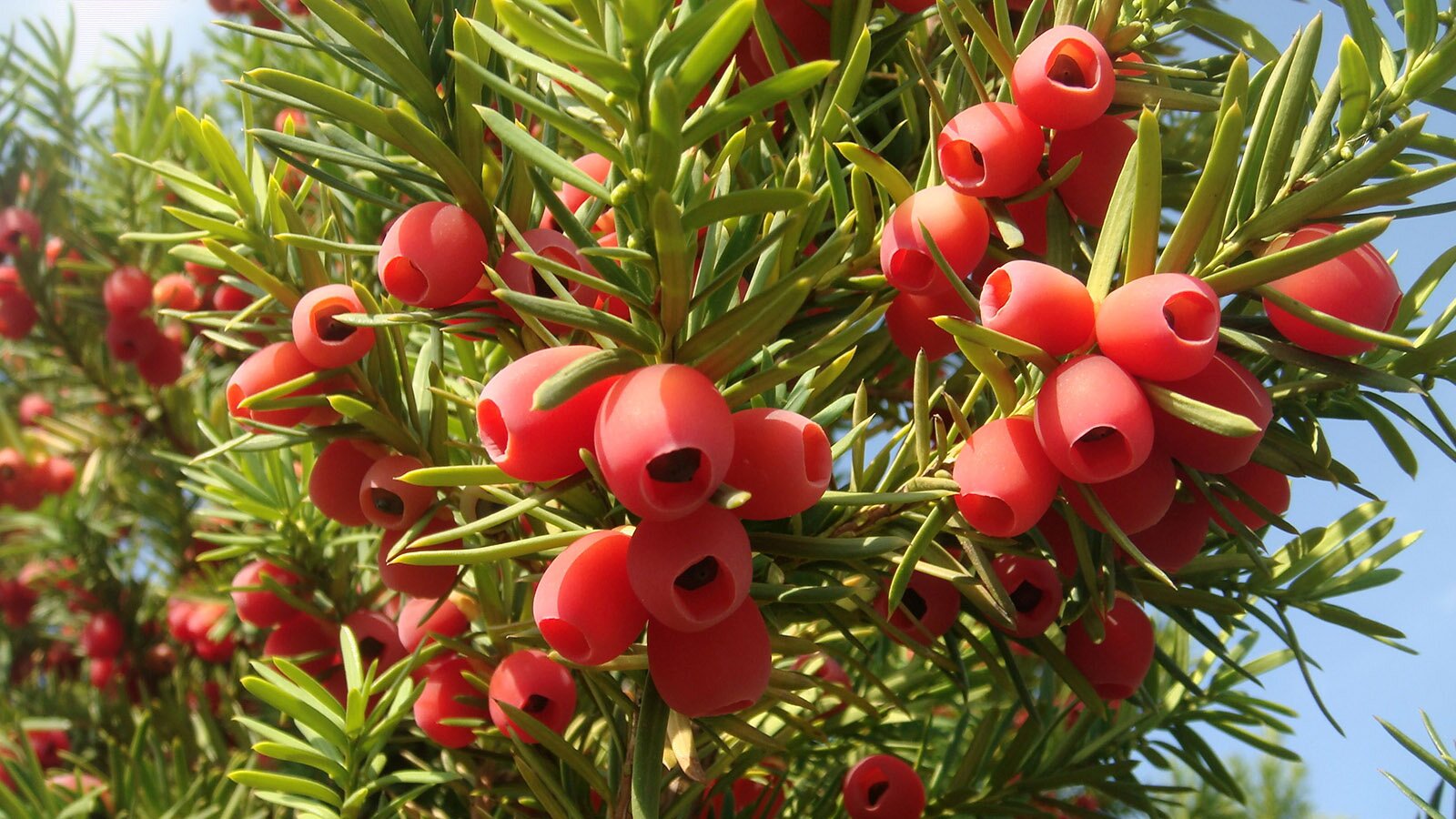
European yew: a decorative plant with deadly berries
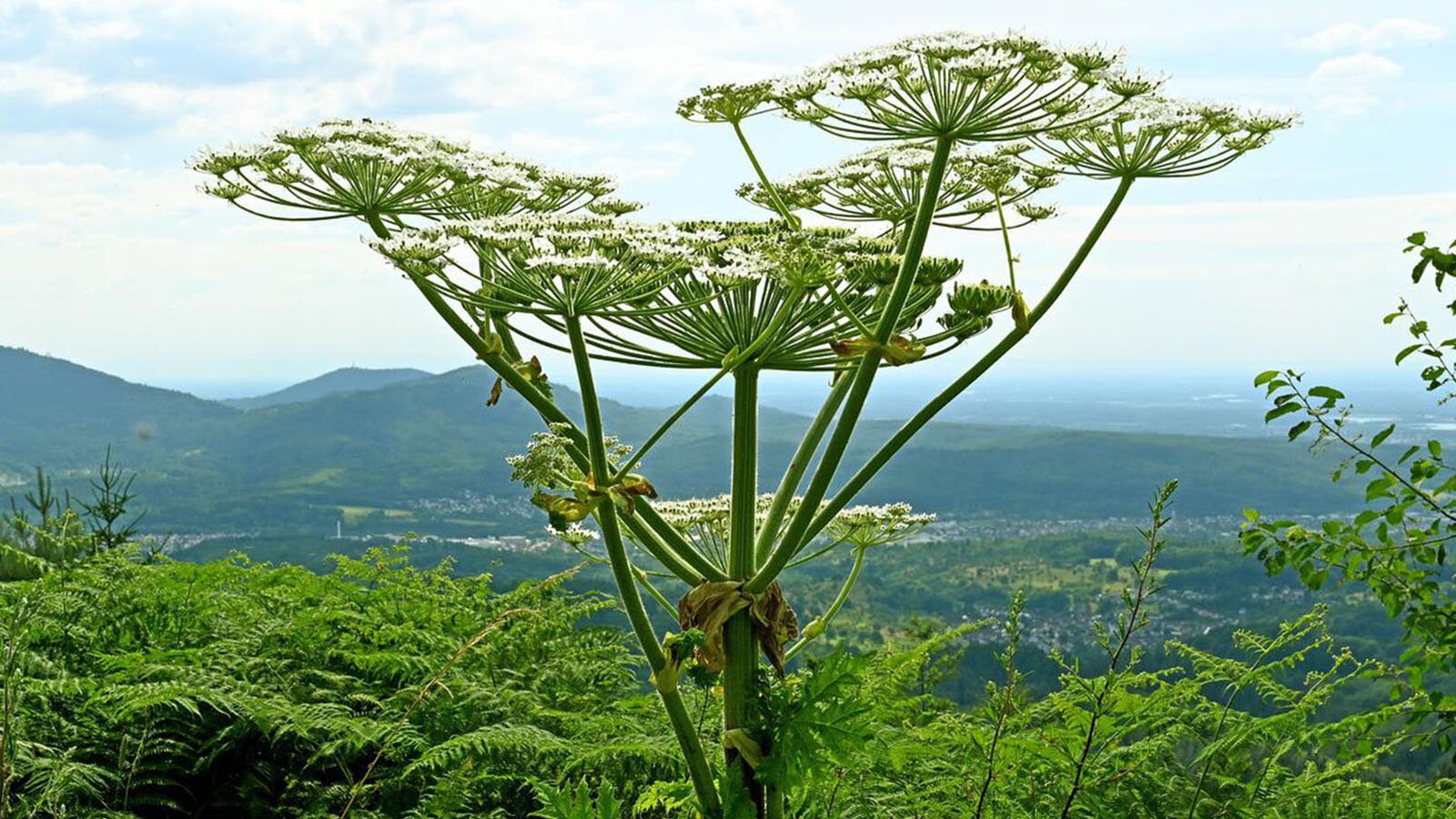
Giant hogweed: don’t come close to it, especially on hot days
Foxglove: both medicinal and deadly
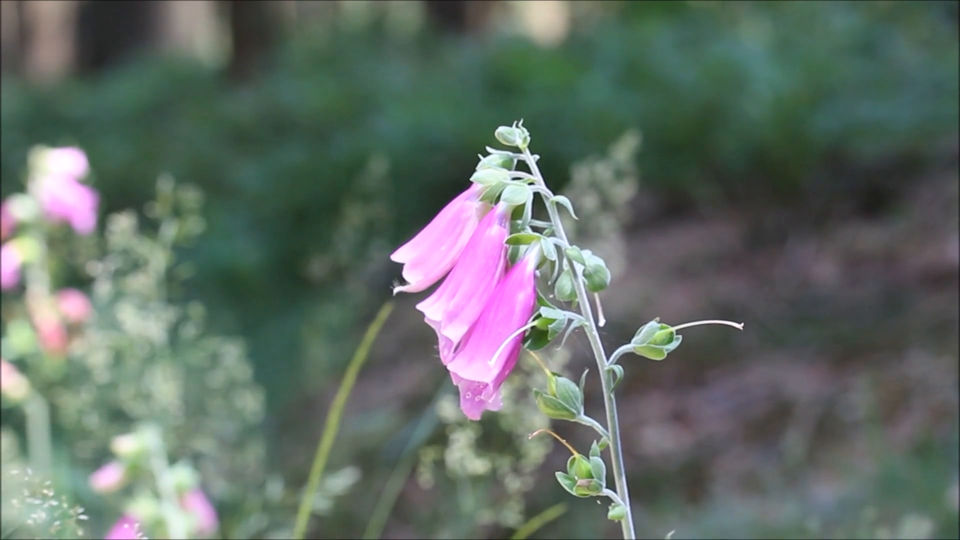
Film dostępny pod adresem /preview/resource/R1I3l2t4BiNaI
Na filmie widoczne są fioletowe dzwonki na długich łodygach, chyboczące na wietrze.
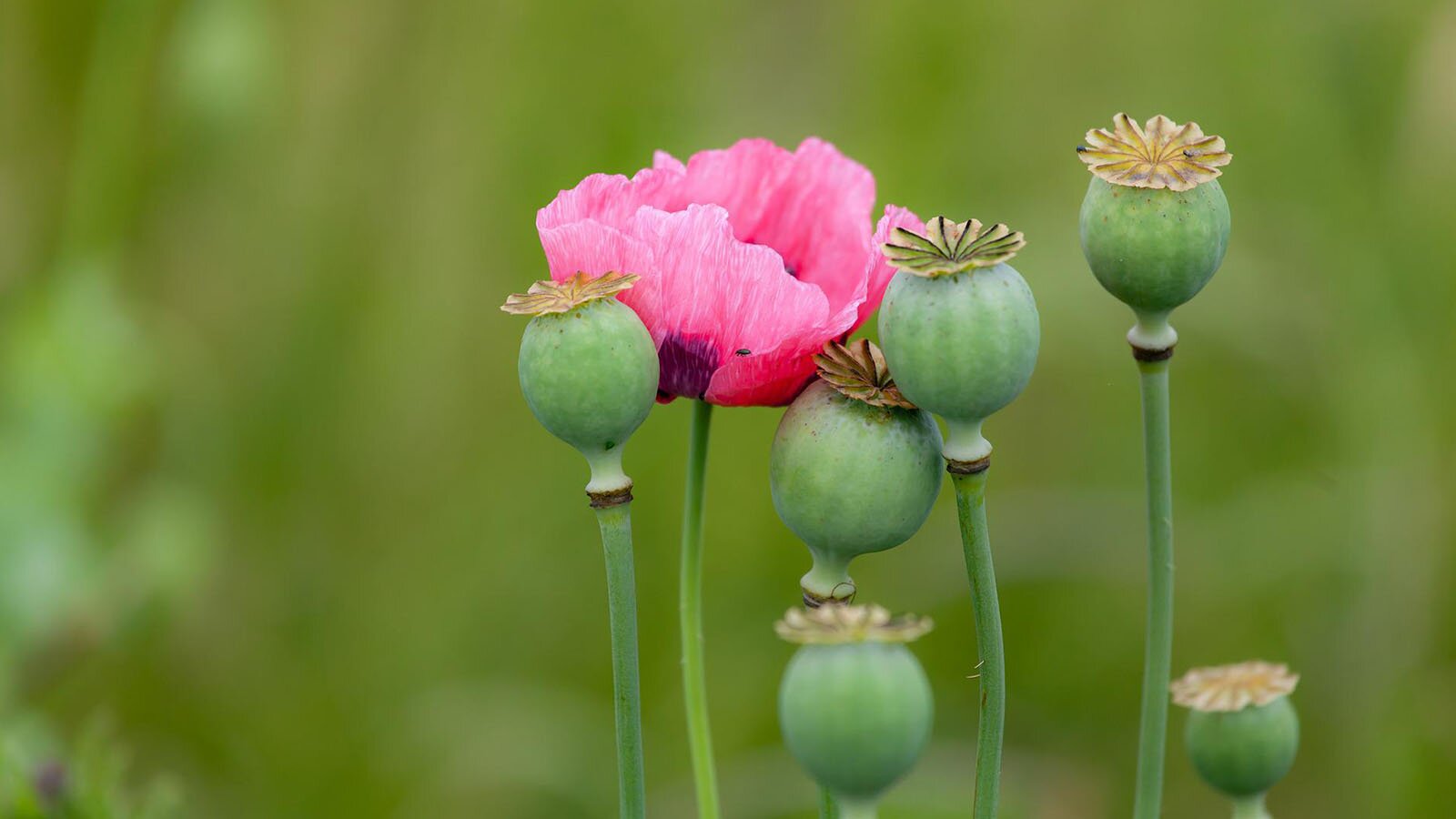
The opium poppy has a wide range of medicinal qualities
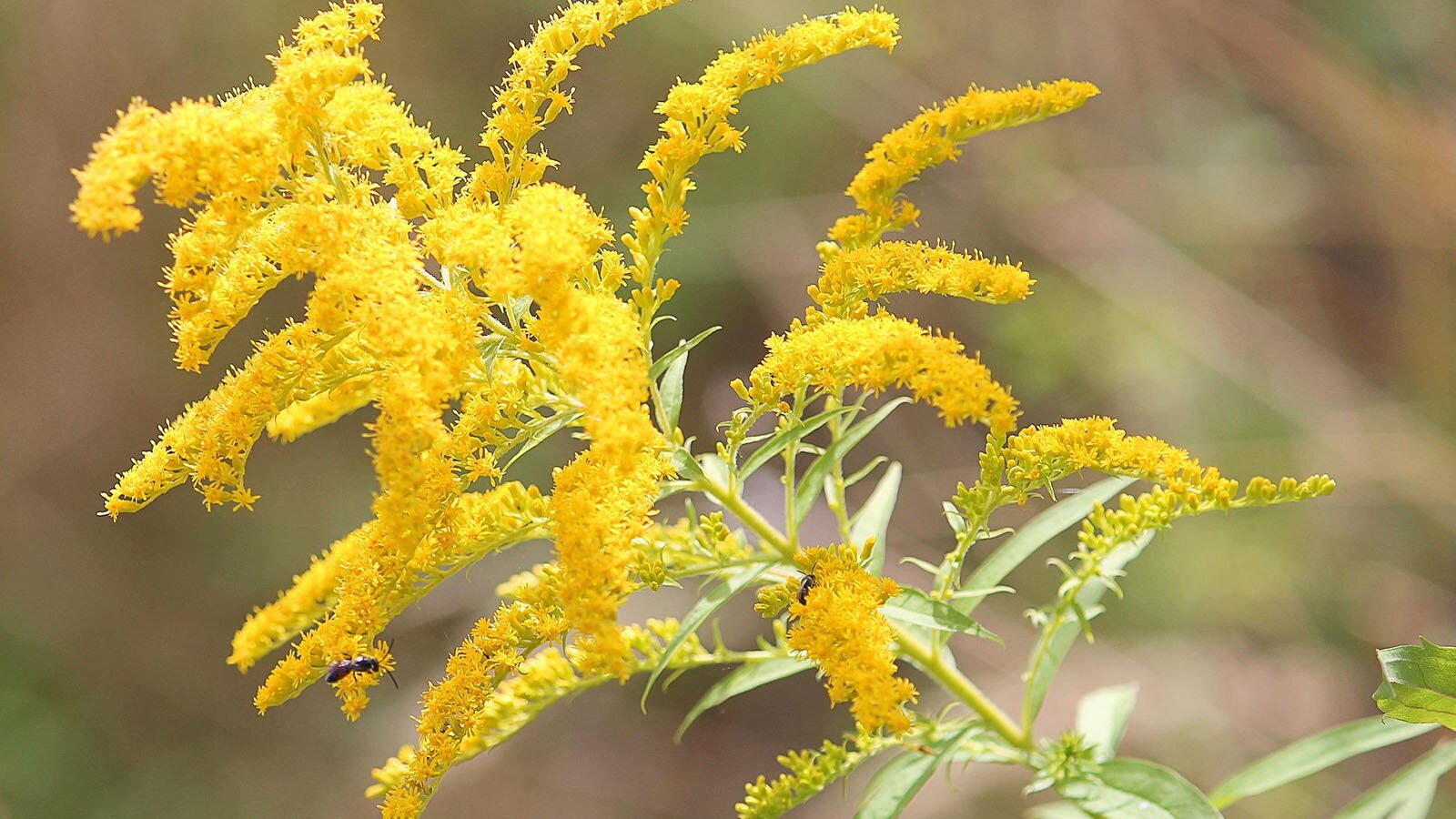
Goldenrod: dangerous mainly to horses, cattle, and sheep
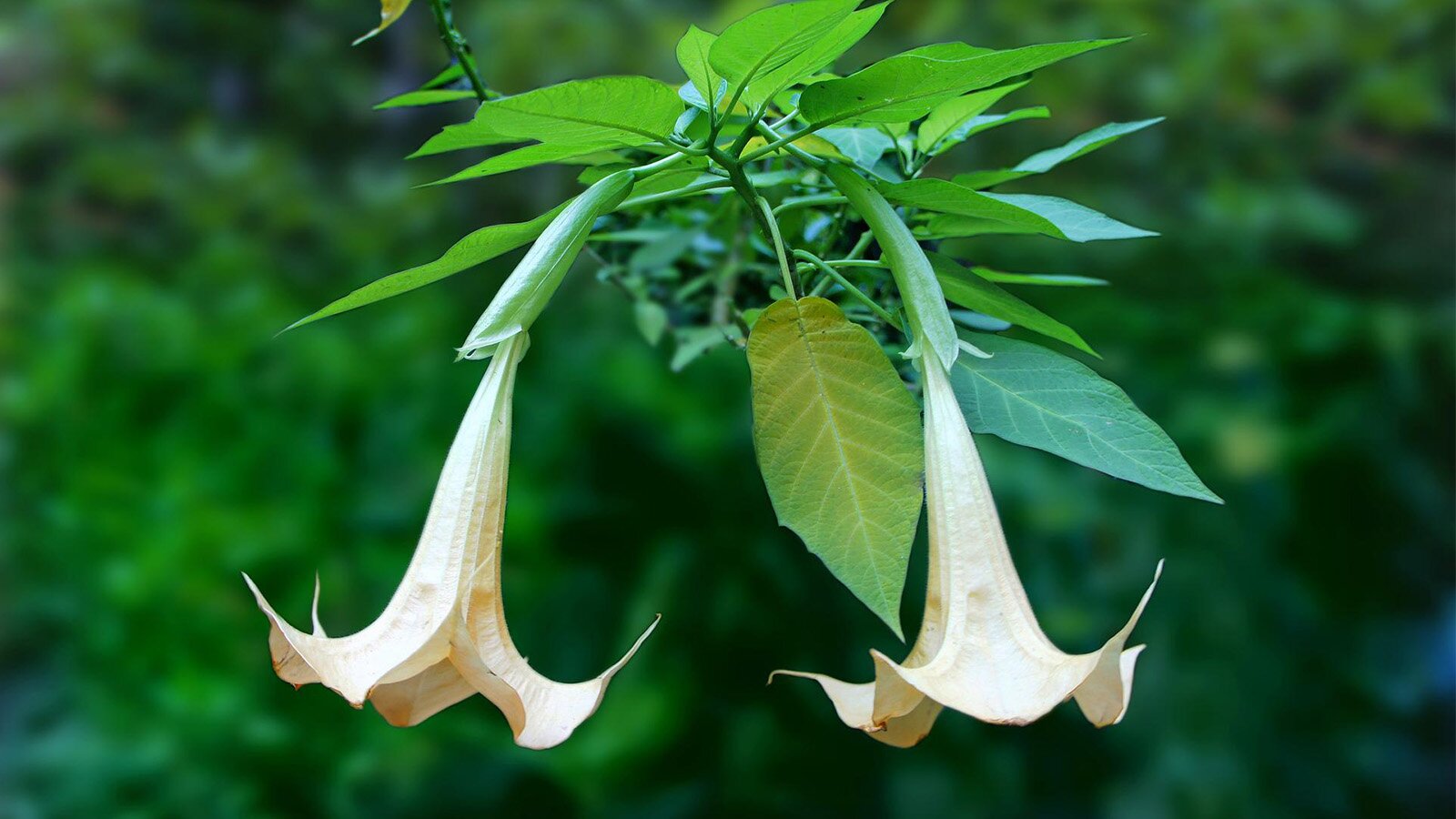
Angel’s trumpet: an angelic looking plant that can send you to dwell with angels
Stinging nettle: the source of bad childhood memories
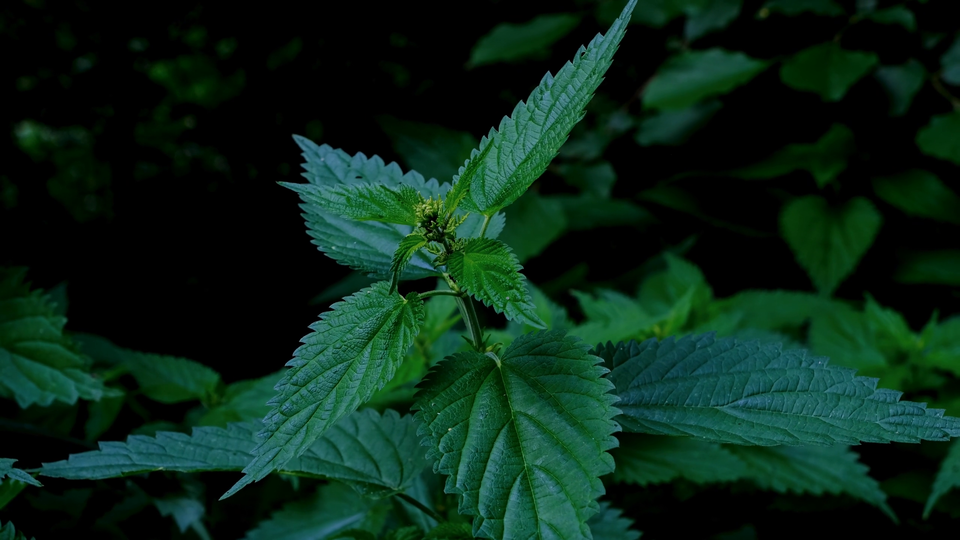
Film dostępny pod adresem /preview/resource/R43Vvjs1RD1zw
Film przedstawia chyboczącą na wietrze pokrzywę. Widoczne są zielone, mięsiste liście z zawiązką kwiatu na szczycie.
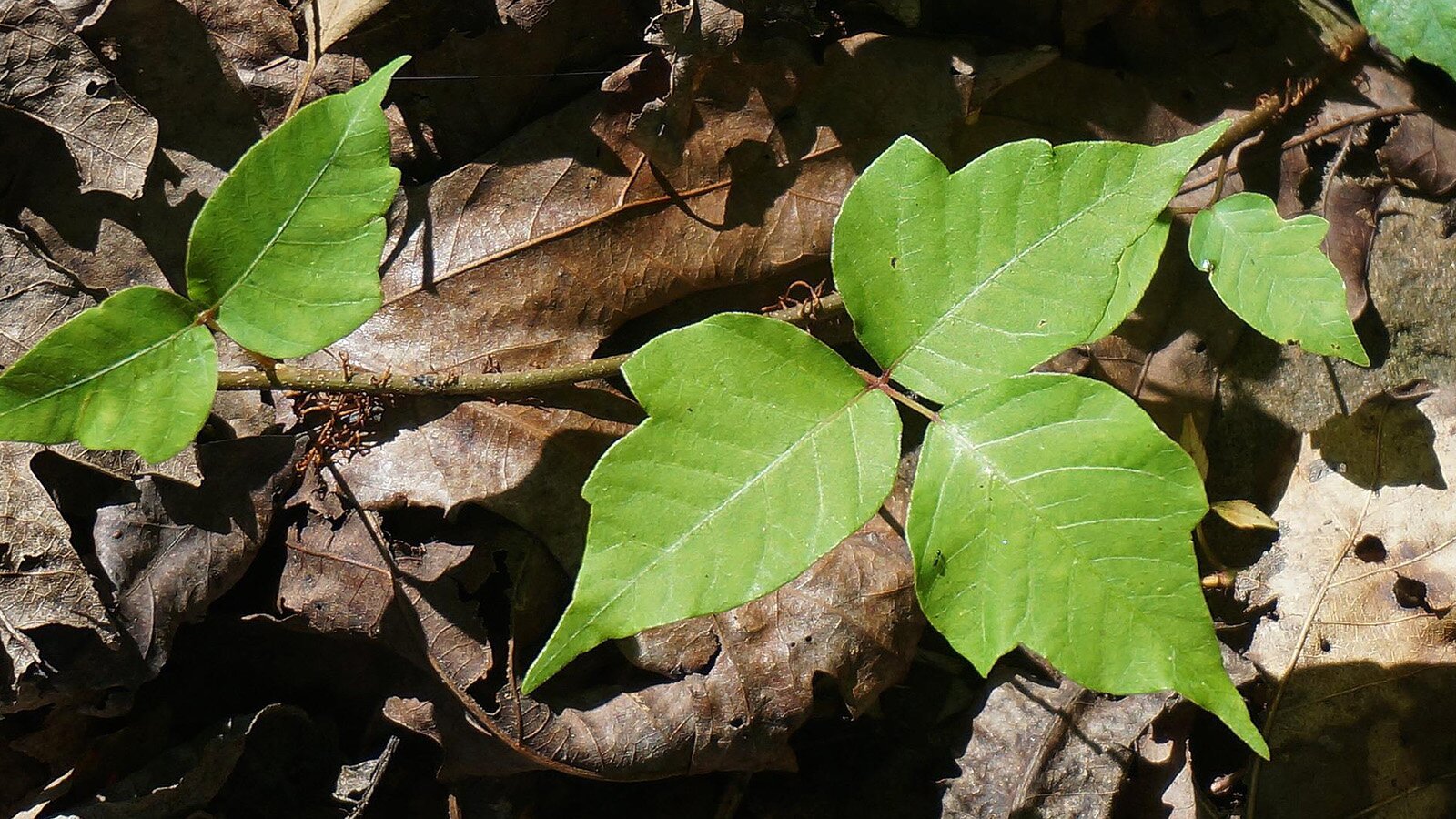
Poison ivy: a creeping danger
Swiss cheese plant: more often known as Monstera deliciosa

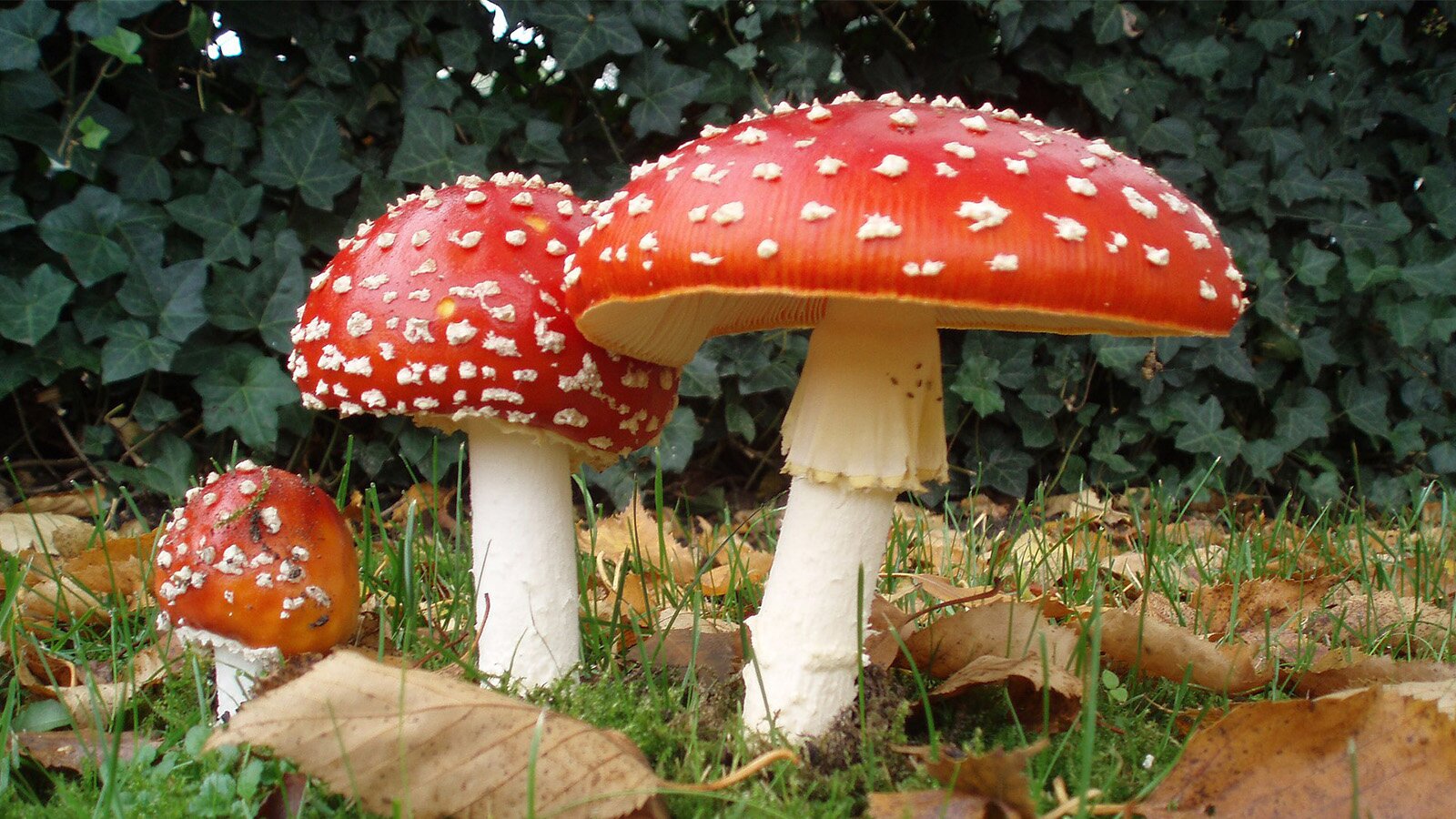
Fly agaric: not really a plant, but definitely deserving attention
2. is mostly dangerous to pets? 1. fly agaric, 2. goldenrod, 3. European yew, 4. poison ivy, 5. stinging nettle, 6. Sosnowsky's hogweed, 7. monstera, 8. opium poppy, 9. foxglove, 10. opium poppy, 11. angel’s trumpet, 12. Sosnowsky's hogweed
3. causes harmful effects in combination with UV light? 1. fly agaric, 2. goldenrod, 3. European yew, 4. poison ivy, 5. stinging nettle, 6. Sosnowsky's hogweed, 7. monstera, 8. opium poppy, 9. foxglove, 10. opium poppy, 11. angel’s trumpet, 12. Sosnowsky's hogweed
4. can affect the heart in both a positive and negative way, depending on the dosage of the plant extract intake? 1. fly agaric, 2. goldenrod, 3. European yew, 4. poison ivy, 5. stinging nettle, 6. Sosnowsky's hogweed, 7. monstera, 8. opium poppy, 9. foxglove, 10. opium poppy, 11. angel’s trumpet, 12. Sosnowsky's hogweed
5. is difficult to get rid of? 1. fly agaric, 2. goldenrod, 3. European yew, 4. poison ivy, 5. stinging nettle, 6. Sosnowsky's hogweed, 7. monstera, 8. opium poppy, 9. foxglove, 10. opium poppy, 11. angel’s trumpet, 12. Sosnowsky's hogweed
6. is used to produce an addictive substance? 1. fly agaric, 2. goldenrod, 3. European yew, 4. poison ivy, 5. stinging nettle, 6. Sosnowsky's hogweed, 7. monstera, 8. opium poppy, 9. foxglove, 10. opium poppy, 11. angel’s trumpet, 12. Sosnowsky's hogweed
7. should be processed to be eaten safely? 1. fly agaric, 2. goldenrod, 3. European yew, 4. poison ivy, 5. stinging nettle, 6. Sosnowsky's hogweed, 7. monstera, 8. opium poppy, 9. foxglove, 10. opium poppy, 11. angel’s trumpet, 12. Sosnowsky's hogweed
8. is used in the process of relieving pain? 1. fly agaric, 2. goldenrod, 3. European yew, 4. poison ivy, 5. stinging nettle, 6. Sosnowsky's hogweed, 7. monstera, 8. opium poppy, 9. foxglove, 10. opium poppy, 11. angel’s trumpet, 12. Sosnowsky's hogweed
9. causes blackouts if eaten in large amounts? 1. fly agaric, 2. goldenrod, 3. European yew, 4. poison ivy, 5. stinging nettle, 6. Sosnowsky's hogweed, 7. monstera, 8. opium poppy, 9. foxglove, 10. opium poppy, 11. angel’s trumpet, 12. Sosnowsky's hogweed
10. can still be dangerous when thrown into fire? 1. fly agaric, 2. goldenrod, 3. European yew, 4. poison ivy, 5. stinging nettle, 6. Sosnowsky's hogweed, 7. monstera, 8. opium poppy, 9. foxglove, 10. opium poppy, 11. angel’s trumpet, 12. Sosnowsky's hogweed
11. does not always look what people expect it to look like? 1. fly agaric, 2. goldenrod, 3. European yew, 4. poison ivy, 5. stinging nettle, 6. Sosnowsky's hogweed, 7. monstera, 8. opium poppy, 9. foxglove, 10. opium poppy, 11. angel’s trumpet, 12. Sosnowsky's hogweed
12. has fruit which looks tasty? 1. fly agaric, 2. goldenrod, 3. European yew, 4. poison ivy, 5. stinging nettle, 6. Sosnowsky's hogweed, 7. monstera, 8. opium poppy, 9. foxglove, 10. opium poppy, 11. angel’s trumpet, 12. Sosnowsky's hogweed
Type your answers to the questions below in 4–5 sentences in each case.
Which information about the plants described in the presentation has surprised you the most and why?
How much do you know about the qualities of foxglove, which is a very common plant in the Polish mountains?