Przeczytaj
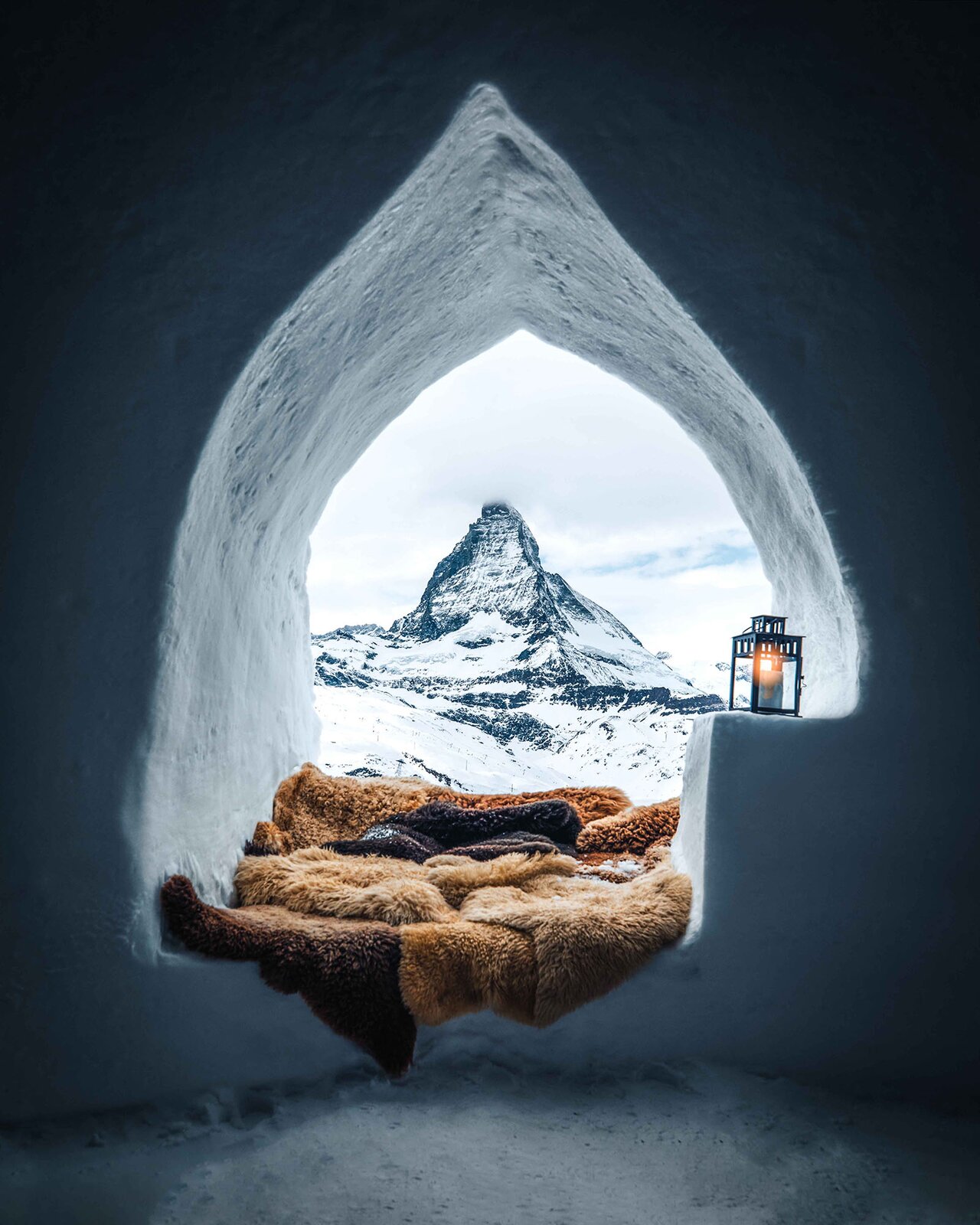
The picture below shows a window in a wall of a house, not a typical one. In this section, you are going to read a text about different types of houses around the world. Before you read it, think: what kind of house would you like to have in the future? Perhaps some of the information you will learn from this material will inspire your future choices?
Zdjęcie przedstawia okno w ścianie nietypowego domu. W tej sekcji przeczytasz tekst o różnych typach domów na świecie. Zanim przeczytasz, zastanów się: jaki dom chciałbyś/chciałabyś mieć w przyszłości? Być może to, czego się dowiesz zainspiruje cię do podjęcia decyzji, w jakim domu będziesz mieszkać?
Read the text and do the exercises below.
Home Sweet HomePeople have always built their houses to meet their needs, taking into consideration factors such as the weather or durabilitydurability. The living patterns and necessities are different around the world, thus there are different types of houses to live in.
In towns and cities, we can see apartments - residentialresidential buildings rented to tenantstenants, condominiumscondominiums - large residential complexes divided into units but owned separately by individuals and townhousestownhouses - a row of homes, usually occupied by a single family. In suburban areas, there are bungalows - small, single‑storeysingle‑storey buildings, cottages - small vacation houses, spaciousspacious and luxurious villas with their own grounds, or even mansionsmansions - the most spectacular buildings with large yards. These types of houses differ in style and depend on the personal taste of their owners.
As far as culture is concerned, some nationalities have their own distinctivedistinctive types of houses, whose architectural details are carefully passed on from generation to generation. A hanokhanok is a traditional Korean house with a curved roof linecurved roof line with ornate designs. In Arab countries like Morocco, there are riadsriads, which resemble Roman villas with several floors, usually decorated with trees or fountains. In the Italian region of Puglia, there are trullitrulli - traditional dry stone constructions, which are on the UNESCO World Heritage List even though they are still inhabitedinhabited.
A lot of human dwellingsdwellings are built to take advantage oftake advantage of the elements around them. For example, plank housesplank houses, which are typical for some regions of Indonesia, are built with cedar wood planksplanks. Their structure allows to collect rainwater, as their roofs are crookedcrooked towards one direction. Another example is underground housesunderground houses which have different functions in different parts of the world. In Australia they make a shelter from the heat; whereas in the past, they were built as bomb shelters in the USA. Tree housesTree houses are yet another example of mergingmerging architecture with nature.
Climate is an important factor while choosing a particular type of a house. In hot places like South Africa, houses tend to have a round shape, for instant rondavelsrondavels - round, built to save both space and energy. In cold places like Antarctica igloosigloos are still found. They are skillfullyskillfully constructed out of compressed snow, thanks to which they block harsh winds and keep the dwellersdwellers warm, as they allow a small fire.
There is also a group of houses built on water: stilt housesstilt houses in Cambodia, which are raised up on planks in order to protect its inhabitantsinhabitants from flooding or Venetian houses, or rather the whole city, built on wooden platforms and then stone. Let’s not forget about canal boatscanal boats, suitable for a nomadic lifestyle fans.
Finally, there are types of houses which are detachabledetachable, intended as easily transported temporary shelterstemporary shelters. The typical forms are: tipitipi - a classic tent covered by animal skins, wigwamwigwam - built by indigenous peopleindigenous people of North America, with a curved shape created by wooden sticks placed as a structure and covered with canecane, straw, or tree barktree bark; yurtyurt - a round‑shaped house covered now with waterproof cloth but in the past, covered with straw or pieces of wool. This type is typical of central Asia and is still used by nomadic people.
Summing up, it seems that the types of houses and their respectiverespective characteristics have always been connected to the natural surroundings and the needs of people.
Źródło: Agnieszka Sękiewicz‑Magoń, licencja: CC BY-SA 3.0.
Answer the questions. Write 2‑3 sentences to each question.
How do underground houses take advantage of geological formations of the Earth?
What types of houses are common for nomadic indigenous people? Why?
Słownik
/ kəˈnæl bəʊts / / kəˈnæl bəʊt /
barki [barka] (a house on water)
/ keɪn /
trzcina (a hard stem of some plants, e.g bamboo)
/ ˌkɒndəˈmɪnɪəmz / / ˌkɒndəˈmɪnɪəm /
mieszkania własnościowe wchodzące w skład wspólnoty mieszkaniowej [mieszkanie własnościowe wchodzące w skład wspólnoty mieszkaniowej] ( an apartment building in which each apartment is owned by the person living in it but the shared areas are owned by everyone together)
/ ˈkrʊkɪd /
przekrzywiony/przekrzywiona (not in a straight line)
/ kɜːvd ˈru:f laɪn /
zakrzywiona linia dachu (a line of a roof that is not straight)
/ dɪˈstɪŋktɪv /
charakterystyczny/charakterystyczna, wyróżniający/wyróżniająca się (characteristic)
/ dɪˈtætʃəbl̩ /
rozłączalny/rozłączalna (separate)
/ ˌdjʊərəˈbɪlɪti /
trwałość, wytrzymałość (the quality of being able to last for a long time )
/ ˈdweləz / / ˈdwelə /
mieszkańcy [mieszkaniec/mieszkanka] (a person who lives in the particular place)
/ ˈdwelɪŋz / / ˈdwelɪŋ /
siedziby [siedziba] (a place where a person lives)
/ hɔˈnək /
hanok (typowy dom w stylu koreańskim) (a typical Korean style house)
/ ˈɪɡluːz / / ˈɪɡluː /
igla [iglo] (a small round house built from blocks of hard snow)
/ ɪnˈdɪdʒɪnəs ˈpiːpl̩ /
rdzenni mieszkańcy, tu: Indianie (people coming from a particular place)
/ ɪnˈhæbɪtənts / / ɪnˈhæbɪtənt /
mieszkańcy [mieszkaniec/mieszkanka] (people who live in a particular place)
/ ɪnˈhæbɪtɪd / / ɪnˈhæbɪt /
zamieszkały/zamieszkała [zamieszkać] (occupied by people)
/ ˈmænʃn̩z / / ˈmænʃn̩ /
rezydencje [rezydencja] (a huge, impressive house)
/ ˈmɜːdʒɪŋ /
łączenia, scalenia (something that combines)
/ plæŋks / / plæŋk /
deski [deska] (a long narrow flat piece of wood)
/ ˈplæŋk ˈhaʊzɪz / / ˈplæŋk ˈhaʊs /
domy z desek [dom z desek] (a house made of planks)
/ ˌrezɪˈdenʃl̩ /
mieszkalny/mieszkalna (an area suitable for living)
/ rɪˈspektɪv /
poszczególny/poszczególna (particular)
/ riˈɑːdz / / riˈɑːd /
riady (typowe domy w stylu arabskim) [riad] (a typical arabic style house)
/ rɒnˈdɑːvl̩s / / rɒnˈdɑːvl̩ /
rondavele (dom w plemiennym afrykańskim stylu) [rondavel] (African tribal style house)
/ ˌsɪŋgl ˈstɔːri /
jednopiętrowy/jednopiętrowa (a building with one floor)
/ ˈskɪlfəli /
umiejętnie, zręcznie (in a way that shows skill)
/ ˈspeɪʃəs /
przestronne [przestronny/przestronna] (large and with plenty of space)
/ stɪlt ˈhaʊzɪz / / stɪlt ˈhaʊs /
budynki zbudowane na platformach [budynek zbudowany na platformach] (a building built on platforms)
/ ˈteɪk ədˈvɑːntɪdʒ ɒv /
wykorzystać (make use of something)
/ ˈtemprəri ˈʃeltəz / / ˈtemprəri ˈʃeltə /
tymczasowe schronienia [tymczasowe schronienie] (a place where you stay for a short while)
/ ˈtenənts / / ˈtenənt /
lokatorzy [lokator/lokatorka] (a person who pays rent for the use of a room or flat)
/ ˈtaʊn.haʊsəz / / ˈtaʊn.haʊs /
domy w zabudowie szeregowej [dom w zabudowie szeregowej] (row house)
/ tri: bɑːks / / tri: bɑːk /
kory drzew [kora drzew] (the outer layer of a tree)
/ tri: ˈhaʊzɪz / / tri: ˈhaʊs /
domy na drzewach [dom na drzewie] (a house built in a tree)
/ ˈtruli / /ˈtruloʊ /
domki trulli [domek trullo] (a small round stone house with traditional dry stone constructions)
/ ˈʌndəɡraʊnd ˈhaʊzɪz / / ˈʌndəɡraʊnd ˈhaʊs /
podziemne domy, ziemianki [ziemianka] (a house built under the surface of the ground)
/ ˈwɪɡwæm /
wigwam (a house in a type of tent used by some native North American people)
/ ˈjʊrt /
jurta (a type of traditional round tent used in Mongolia and Siberia)
Źródło: GroMar Sp. z o.o., licencja: CC BY‑SA 3.0