Przeczytaj
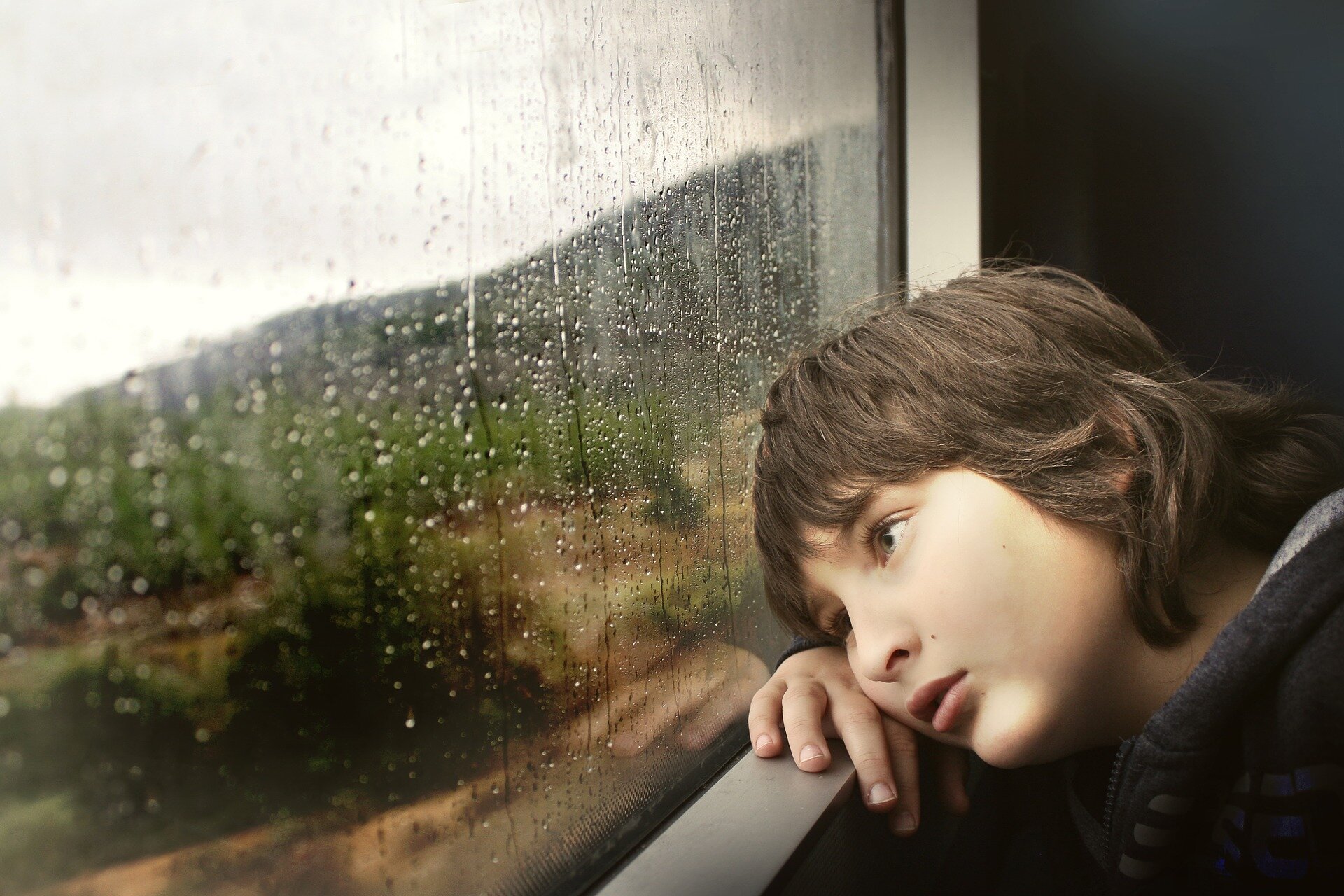
The picture illustrates a boy on the go. He looks bored looking through the train window while it is raining heavily outside. Do you think the boy is bored with the journey or is it the weather that makes him feel this way? Do you feel certain pains or lethargy when the weather changes? In this part you will read a text about weather‑related health problems.
Poniższe zdjęcie przedstawia chłopca w podróży. Patrzy przez okno pociągu, sprawia wrażenie zmęczonego lub znudzonego. Na zewnątrz pada deszcz. Jak sądzisz, czy chłopiec jest znudzony podróżą, czy może to deszczowa pogoda wpływa na jego samopoczucie? A jak jest w twoim przypadku – czy zmiany pogodowe mają przełożenie na to, jak się czujesz? W tej części e‑materiału przeczytasz tekst o problemach zdrowotnych wynikających z oddziaływania pogody.
Read the text and do the exercises below.
A Bit Under the Weather? Wait for That!It is as clear as dayas clear as day that the weather is one of the most unpredictable things in life. We can never be sure what the day will be like exactly. Scientists and meteorologists try to predict it by means of different tools to know the speed of wind, the intensity of rain, or thickness of fog. They do that to warn us against dangers such as tornadoes or heat waves, but also to inform people who suffer from weather‑related pains.suffer from weather‑related pains. It turns out that the weather may not only ruin our walk, but also our health.
Weather‑related pains, also known as weather pains or meteoropathymeteoropathy, appear when people with certain conditions such as limb injurieslimb injuries or arthritisarthritis complain of a pain which occurs with the change in humiditythe change in humidity or barometric pressurebarometric pressure. A lot of research has been done to figure out the correlation betweenfigure out the correlation between the weather and the physical and mental state of people diagnosed with arthritis. It seems that warm temperatures are beneficial to them, while barometric pressure changes are harmful. Many people claim to have rain‑related pains. Surprisingly, studies show that there is no clear relation between rainfall and outpatient visits for joint and back pains.
While most people look forward to spring onset, others watch with horror as the temperature rises. The period from mid‑March to mid‑April might result in springtime lethargy.springtime lethargy. It refers to a state of fatiguestate of fatigue, irritability, lowered energy,lowered energy, dizziness, headaches, aching joints, and even depression. Occasionally, such depression is called spring fever and corresponds to a change of season. It is assumed that these symptoms may be the consequence of hormone imbalance. In spring months when days get longer, the body readjusts the level of endorphinendorphin, testosteronetestosterone, and oestrogenoestrogen, we switch from low to higher temperatures and from food rich in carbohydrates to vitamins and protein, we may get a bit wearyweary from the adjustment period if done in a short time.
People with diagnosed asthmaPeople with diagnosed asthma need to be wary of thunderstorm asthmathunderstorm asthma. Symptoms associated with it include wheezingwheezing, chest tightnesschest tightness, difficulty breathing,difficulty breathing, and cough and can escalate very quickly and become life threateningbecome life threatening. Thunderstorm asthma can happen unexpectedly when it is hot, dry, and stormy and there is a lot of grass pollen in the air. During the storm, pollen grainspollen grains get divided into very small parts that are no longer filtered by the nose and get through the lungs causing asthma attacks. Surprisingly, people with no asthma record may also be affected by it.
To say more about storms, lightning injuries appear to be extremely dangerous. It is estimated that there are 240,000 lightning injuries yearly with 24,000 deaths worldwide. Amazingly, men are affected 4 times more often than women. The injuries are caused by a lightning strike and the first symptoms may include asystoleasystole, which appears rather quickly, and respiratory arrest,respiratory arrest, which usually is prolonged. Others include burns, blunt injuries, hearing losshearing loss and abnormal heart rhythm.abnormal heart rhythm. There are different types of lightning injuries: direct strikes (electrical injuries, burns from the heat), side splash (when the lightning strikes nearby and jumps through the air to reach the person), contact injury (the person touches the thing that is hit), and ground current (the lightning strikes nearby and gets to the person through the ground).
No matter how careful we are, we should always double‑check the weather forecast, especially while in the mountains or by the sea. Make sure you know how to react when the weather changes rapidly to avoid unpleasant consequences.
Źródło: Anna Faszcza, licencja: CC BY-SA 3.0.
- Scientists and meteorologists have obtained the tools to tell in advance the exact weather conditions in a particular place.
TRUEFALSE
- A number of people claim to suffer discomfort when the weather is wet.
TRUEFALSE
- Hormones might be responsible for the temporary fall in mental and physical condition.
TRUEFALSE
- People get thunderstorm asthma as pollen grains burst into larger fragments to be absorbed by the nose.
TRUEFALSE
- Women are struck by lightning much less frequently than men.
TRUEFALSE
Słownik
/ ə ˈstɔ:m z ˈbruːɪŋ /
burza wisi w powietrzu, zanosi się na kłopoty (idiom) (there is going to be trouble or emotional upset in the near future)
/ æbˈnɔːml̩ ˈhɑ:t ˈrɪðəm /
zaburzony rytm serca (irregular heartbeat)
/ ɑːˈthetaraɪtɪs /
artretyzm (a medical condition affecting your joints making them very swollen and painful)
/ əz ˈklɪər əz ˈdeɪ /
oczywiste (very clear, obvious)
/ əz ˈraɪt əz ˈreɪn /
zdrów jak ryba (idiom) (in excellent health or condition)
/ əˈsɪstəliː/
asystolia – stan, w którym brak impulsów powodujących skurcze serca (occurs when the heart’s electrical system fails, causing the heart to stop pumping)
/ ˌbærəˈmetrɪk ˈpreʃə /
ciśnienie barometryczne, ciśnienie atmosferyczne (the pressure of the atmosphere)
/ bi ə briːz /
pójść jak z płatka (idiom) (be extremely easy)
/ bɪˈkʌm laɪf ˈthetaretn̩ɪŋ /
stać się zagrożeniem dla życia (become capable of causing death)
/ blʌnt ˈɪndʒərɪz / / blʌnt ˈɪndʒəri /
urazy tępym narzędziem [uraz tępym narzędziem] (injury incurred when the human body hits or is hit by an object that is not sharp.)
/ tʃeɪndʒ ɪn hjuːˈmɪdɪti /
zmiana w wilgotności powietrza (a change in how much water is in the atmosphere)
/ tʃest ˈtaɪtnəs /
ucisk w klatce piersiowej (a feeling of pressure or heaviness on the chest, discomfort in the chest)
/ ˈkʌm ˈreɪn ɔː ʃaɪn /
choćby się waliło i paliło, bez względu na wszystko (idiom) (no matter what happens)
/ ˈdɪfɪkəlti ˈbriːðɪŋ /
trudności z oddychaniem (problems with breathing)
/ enˈdɔːfɪn /
endorfina (a type of hormone produced in the body that reduces pain, especially when you are injured or physically tired)
/ ˈevri ˈklaʊd ˈhæz ə ˈsɪlvə ˈlaɪnɪŋ /
nie ma tego złego, co by na dobre nie wyszło (idiom) (every difficult or sad situation has a more hopeful aspect, even though this may not be immediately apparent)
/ ˈfɪɡə aʊt ðə ˌkɒrəˈleɪʃn̩ bɪˈtwiːn /
zrozumieć związek pomiędzy (understand the relationship between)
/ ˈhɪərɪŋ lɒs /
utrata słuchu (diminished ability to hear sounds)
/ lɪm ˈɪndʒərɪz / / lɪm ˈɪndʒəri /
urazy kończyn [uraz kończyny] (injury to legs or arms)
/ ˈləʊəd ˈenədʒi /
obniżona energia (not producing enough energy to meet the needs of one’s day)
/ ˌmiːtiəˈrɒpəthetai /
meteoropatia (a physical condition or symptom associated with weather conditions, such as humidity or temperature)
/ ˈiːstrədʒən /
estrogen (female sex hormone)
/ ˈpiːpl̩ wɪð ˈdaɪəɡnəʊzd ˈæsmə /
ludzie ze zdiagnozowaną astmą (people who suffer from a respiratory disorder characterised by wheezing; usually of allergic origin)
/ ˈpɒlən ɡreɪnz / / ˈpɒlən ɡreɪn /
ziarnka pyłku [ziarnko pyłku] (a powder produced by flowers, carried by the wind or insects to other flowers so that they can produce new seeds)
/ ˈpʊt ˈsʌmthetaɪŋ ˈɒn aɪs /
odłożyć coś na później (idiom) (to postpone something)
/ rɪˈspɪrətr̩i əˈrest /
zatrzymanie oddechu (a state in which one stops breathing)
/ ˈsprɪŋtaɪm ˈlethetaədʒi /
wiosenna ospałość, letarg (the state of fatigue, lowered energy, or depression associated with the onset of spring)
/ steɪt əv fəˈtiːɡ /
stan zmęczenia (the state of tiredness, exhaustion)
/ ˈsʌfə frəm ˈweðə rɪˈleɪtɪd peɪnz /
cierpieć z powodu bólów związanych z pogodą (suffer from pain caused by the weather conditions)
/ teˈstɒstərəʊn /
testosteron (male sex hormone)
/ ˈthetaʌndəstɔːm ˈæsmə /
astma burzowa (asthma symptoms caused by grass pollen allergy during springtime thunderstorms)
/ ˈwɪəri /
zmęczony/zmęczona, znużony/znużona (very tired, especially because of hard work or activity)
/ ˈwiːzɪŋ /
świst wydechowy (breathing with a whistling or rattling sound in the chest)
Źródło: GroMar Sp. z o.o., licencja: CC BY‑SA 3.0