bg‑azure

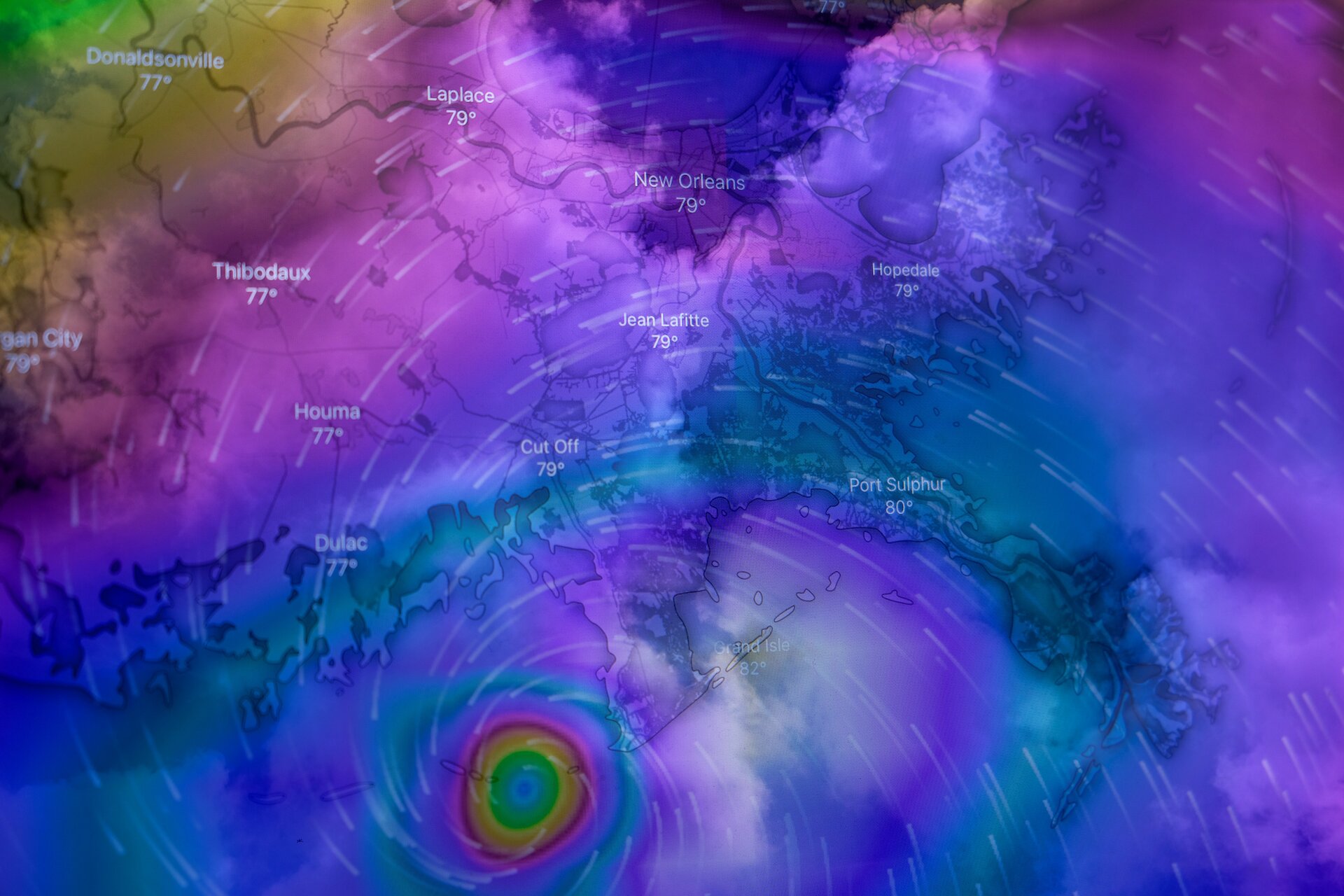
The picture below shows the map, which we usually see in the weather forecast. It illustrates the changes in the weather we will face during the oncoming days. Some people follow it very accurately due to their weather‑related symptoms. Are you in the habit of checking the weather forecast? What is your reason for that? You are going to follow the presentation about health issues related to the weather.

Poniższa ilustracja przedstawia mapę, jaką można zwykle zobaczyć w telewizyjnej prognozie pogody. Prezentuje ona zmiany pogodowe nadchodzące w kolejnych dniach. Wiele osób uważnie śledzi prognozy ze względów zdrowotnych. Czy masz w zwyczaju oglądać prognozę pogody? Dlaczego to robisz? W tej sekcji zapoznasz się z prezentacją multimedialną, w której wysłuchasz informacji o problemach zdrowotnych spowodowanych czynnikami pogodowymi.
RVZ9fhOZ6uzNK
The wind of change?
Zapowiedź zmiany?
Źródło: dostępny w internecie: https://unsplash.com/ [dostęp 1.04.2022], domena publiczna.
Exercise 1
R8a5vT0OLa5mh
Odpowiedz na pytania lub uzupełnij tekst. 1. To turn from liquid into vapour., 2. A substance that causes an allergic reaction., 3. The loss of water in something, which might be dangerous., 4. The force that is brought on a surface by air., 5. The state of being uncertain about what is happening.
Źródło: GroMar Sp. z o.o., licencja: CC BY-SA 3.0.
REdaf51tG0Wgk
Secret password: weather Tu uzupełnij. To find out more about it, move to the Multimedium Part.
Źródło: GroMar Sp. z o.o., licencja: CC BY-SA 3.0.

Work with the presentation and find out how different weather conditions affect our health.

R1Kp62JcPsS5I

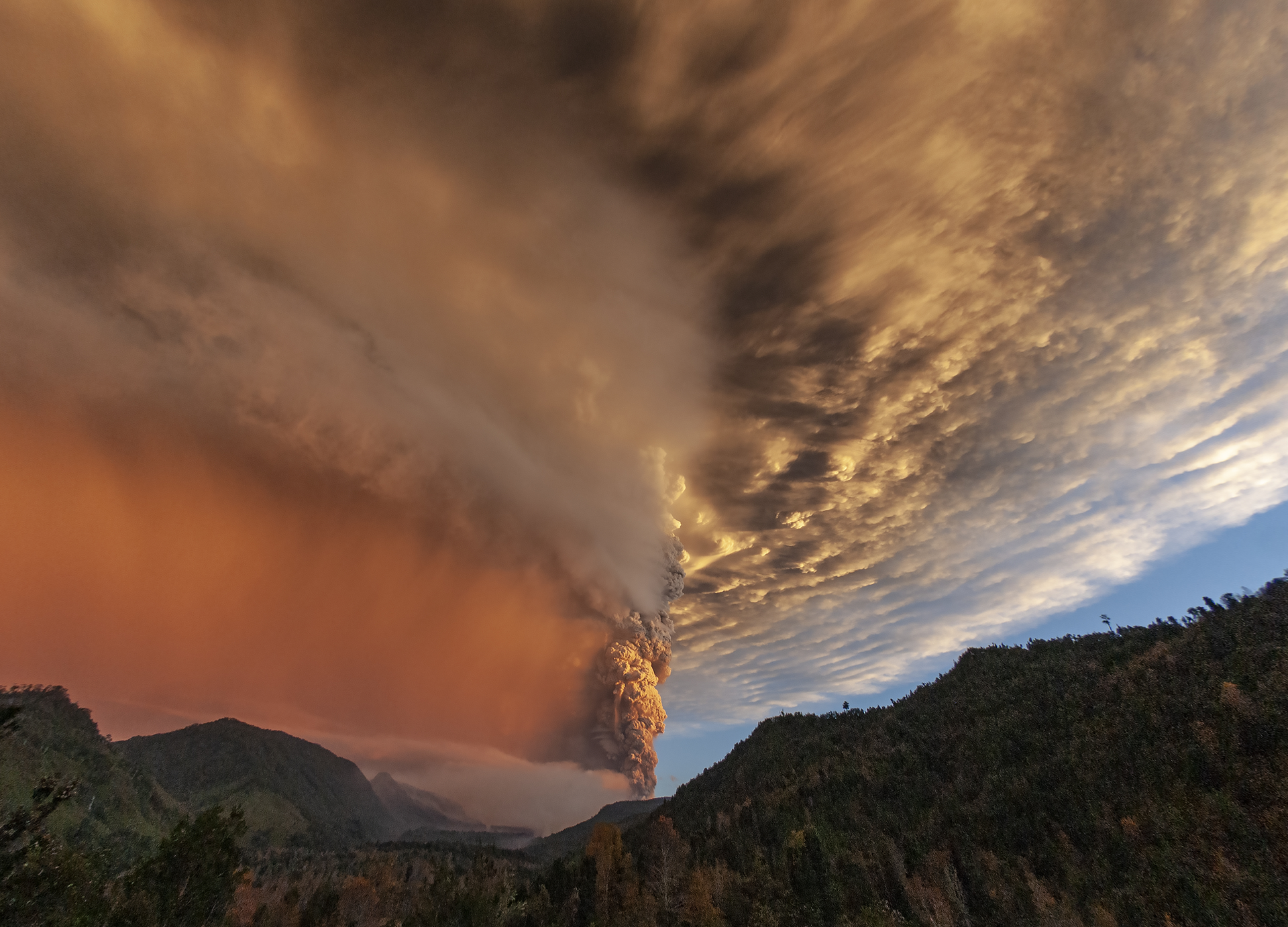
Illnesses and feeling unwell triggered by the weather
Rd9weFTxfb32Y
Źródło: dostępny w internecie: freepik.com [dostęp 14.09.2022], domena publiczna.
TRANSCRIPTazurewhite
RhKQjgO1viYUH

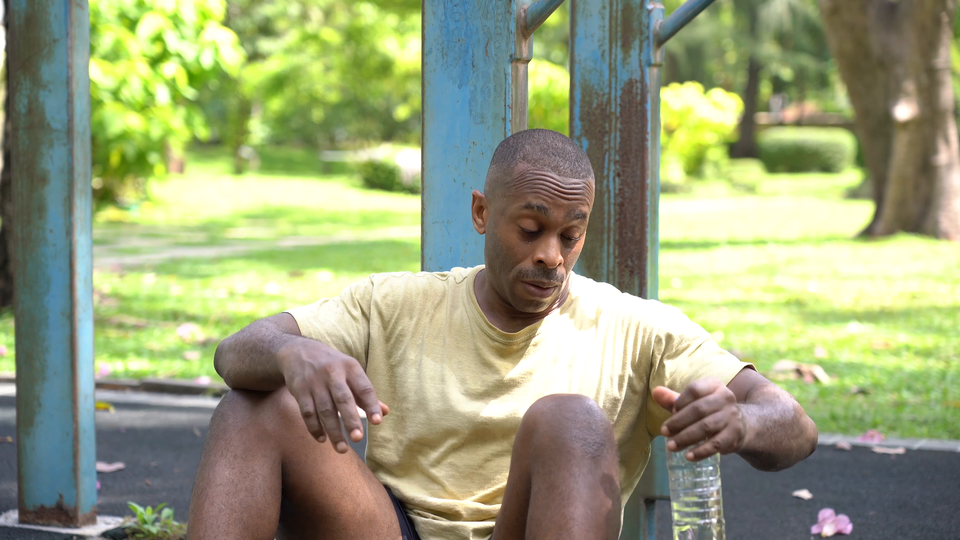
Heat wave

R3ObUB93a1xJs
Film nawiązujący do treści materiału
TRANSCRIPTazurewhite
RgxrgqQCTMTH4

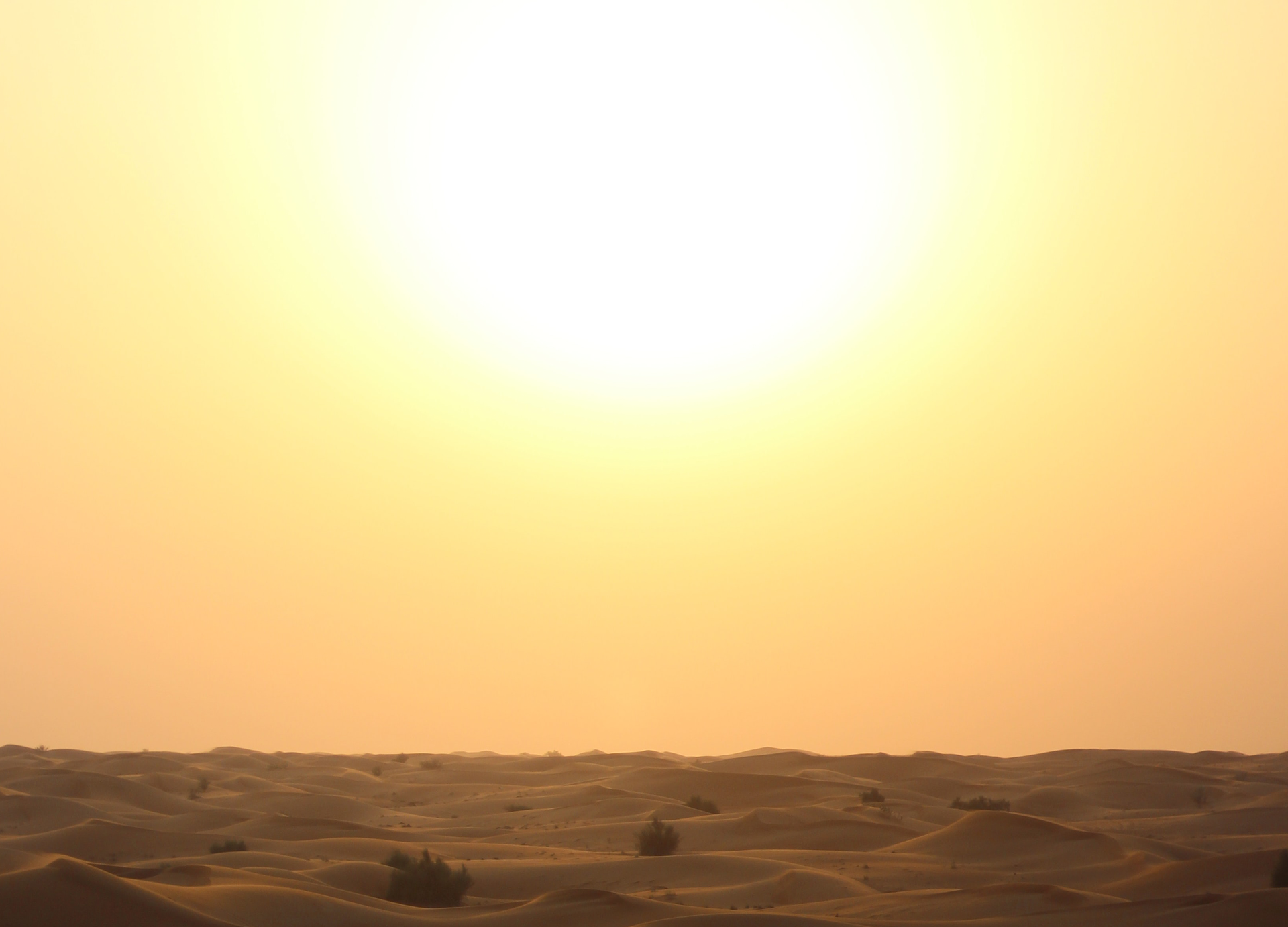
Extreme Heat

R17SpJIMXlkM7
Źródło: dostępny w internecie: https://unsplash.com/ [dostęp 14.09.2022], domena publiczna.
TRANSCRIPTazurewhite
R1IHgVODar4BH

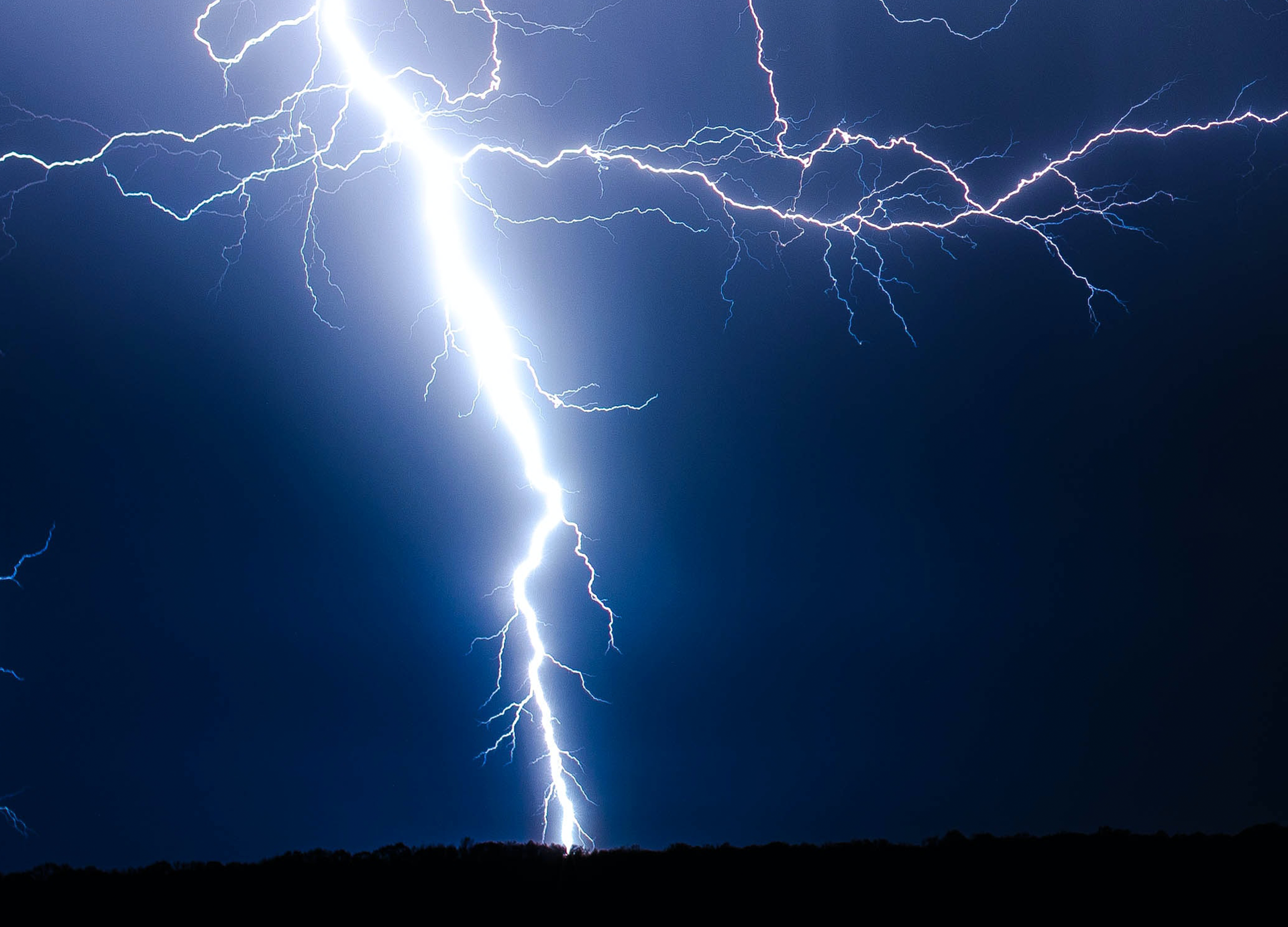
Thunderstorm and lightning injuries

R18XSzYFh5z8a
Źródło: dostępny w internecie: unsplash.com [dostęp 10.11.2023], domena publiczna.
TRANSCRIPTazurewhite
RCGAcbgwTxVVA

Thunderstorm asthma

RpK6VsKzSouLK
Źródło: dostępny w internecie: unsplash.com [dostęp 14.09.2022], domena publiczna.
TRANSCRIPTazurewhite
RrWis6j7LO5Mg

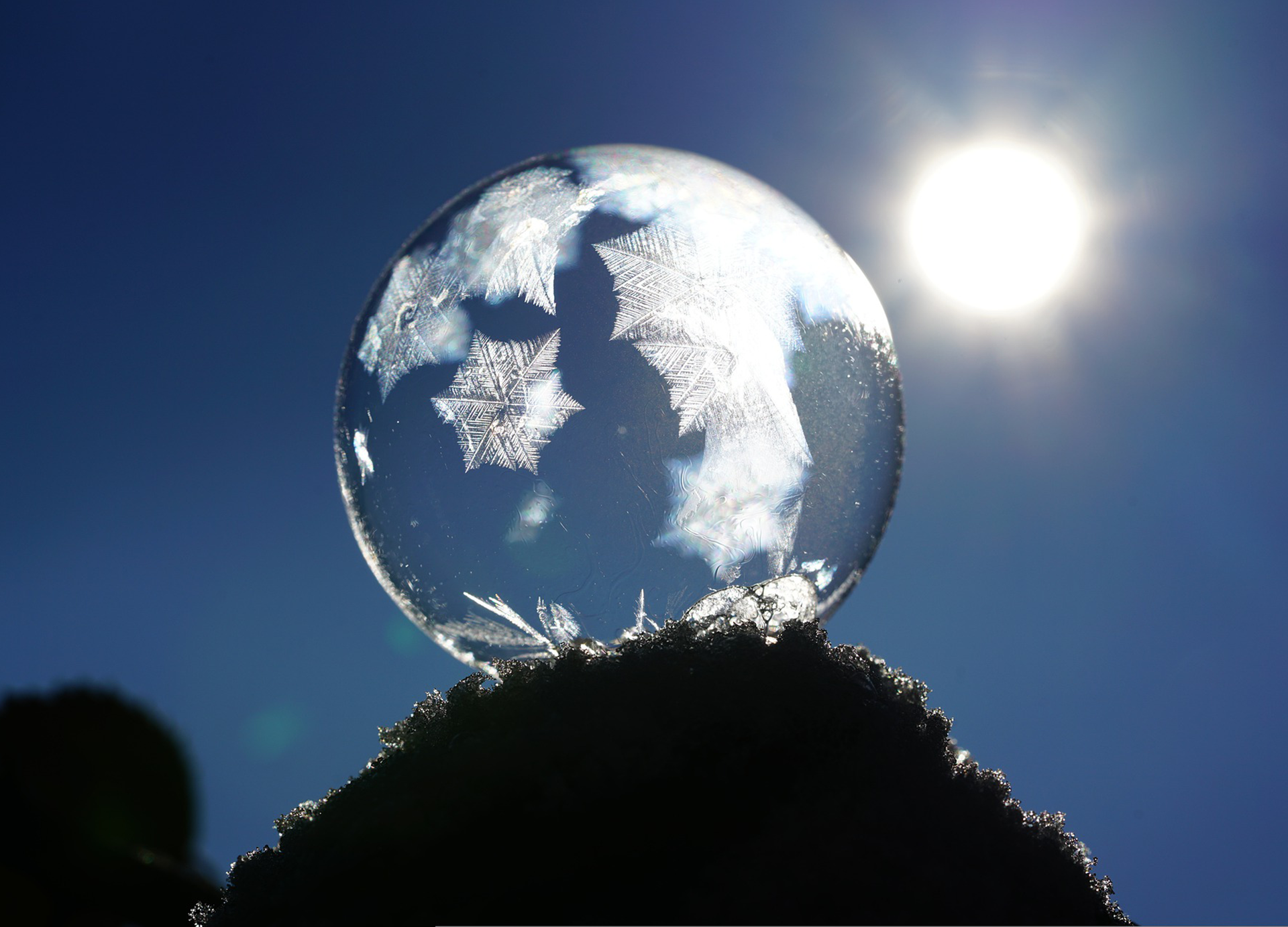
Cold

RCpPuPujd5rxc
Źródło: dostępny w internecie: pixabay.com [dostęp 14.09.2022], domena publiczna.
TRANSCRIPTazurewhite
RuuIFLVQoteyO

Barometric Pressure

R1bnvgVbGDwNA
Film nawiązujący do treści materiału
TRANSCRIPTazurewhite
RlWBZiNW3BCYe

Humidity

R1PL9bxc3KCrk
Źródło: dostępny w internecie: www.pexels.com [dostęp 14.09.2022], domena publiczna.
TRANSCRIPTazurewhite
Rz7mRKZDc3apJ

Winds

RNu8vvtSBqYbG
Źródło: dostępny w internecie: unsplash.com [dostęp 14.09.2022], domena publiczna.
TRANSCRIPTazurewhite
R1bFmDVWXTqqZ

As right as rain

RrSzYeqZ8tbmT
Źródło: dostępny w internecie: pixabay.com [dostęp 14.09.2022], domena publiczna.
TRANSCRIPTazurewhite
RXafa1RT89H6N

Governments of European countries are aware of the impact of weather on health and create policies related to weather‑related conditions. Analyse the chart and ask yourselves the questions:

  1. Why are some weather conditions a bigger concern than others when it comes to our health?

  2. Do you think European countries should pay more attention to specific weather and environmental conditions from the chart? Why?

RejPaFuReMwAV1
Wykres kolumnowy. Lista elementów:
  • 1. zestaw danych:
    • Category: Heatwaves and drought
    • National_adaptation_strategies to address weather-related conditions (out of 37): 36; Podpis osi wartości: Number of policies
    • National_health_strategies to address hazards to health caused by climate changes (out of 34): 20; Podpis osi wartości: Number of policies
  • 2. zestaw danych:
    • Category: Heavy precipitation and flooding
    • National_adaptation_strategies to address weather-related conditions (out of 37): 36; Podpis osi wartości: Number of policies
    • National_health_strategies to address hazards to health caused by climate changes (out of 34): 18; Podpis osi wartości: Number of policies
  • 3. zestaw danych:
    • Category: Temperature rise
    • National_adaptation_strategies to address weather-related conditions (out of 37): 28; Podpis osi wartości: Number of policies
    • National_health_strategies to address hazards to health caused by climate changes (out of 34): 17; Podpis osi wartości: Number of policies
  • 4. zestaw danych:
    • Category: New pathogens and infectious diseases
    • National_adaptation_strategies to address weather-related conditions (out of 37): 25; Podpis osi wartości: Number of policies
    • National_health_strategies to address hazards to health caused by climate changes (out of 34): 21; Podpis osi wartości: Number of policies
  • 5. zestaw danych:
    • Category: Storms
    • National_adaptation_strategies to address weather-related conditions (out of 37): 21; Podpis osi wartości: Number of policies
    • National_health_strategies to address hazards to health caused by climate changes (out of 34): 16; Podpis osi wartości: Number of policies
  • 6. zestaw danych:
    • Category: Windstorms
    • National_adaptation_strategies to address weather-related conditions (out of 37): 16; Podpis osi wartości: Number of policies
    • National_health_strategies to address hazards to health caused by climate changes (out of 34): 10; Podpis osi wartości: Number of policies
  • 7. zestaw danych:
    • Category: New allergens (plants and animals)
    • National_adaptation_strategies to address weather-related conditions (out of 37): 15; Podpis osi wartości: Number of policies
    • National_health_strategies to address hazards to health caused by climate changes (out of 34): 9; Podpis osi wartości: Number of policies
  • 8. zestaw danych:
    • Category: Changed season and precipitation patterns
    • National_adaptation_strategies to address weather-related conditions (out of 37): 15; Podpis osi wartości: Number of policies
    • National_health_strategies to address hazards to health caused by climate changes (out of 34): 5; Podpis osi wartości: Number of policies
  • 9. zestaw danych:
    • Category: Cold spells
    • National_adaptation_strategies to address weather-related conditions (out of 37): 11; Podpis osi wartości: Number of policies
    • National_health_strategies to address hazards to health caused by climate changes (out of 34): 11; Podpis osi wartości: Number of policies
  • 10. zestaw danych:
    • Category: UV radiation
    • National_adaptation_strategies to address weather-related conditions (out of 37): 11; Podpis osi wartości: Number of policies
    • National_health_strategies to address hazards to health caused by climate changes (out of 34): 11; Podpis osi wartości: Number of policies
  • 11. zestaw danych:
    • Category: Sealevel rise
    • National_adaptation_strategies to address weather-related conditions (out of 37): 11; Podpis osi wartości: Number of policies
    • National_health_strategies to address hazards to health caused by climate changes (out of 34): 4; Podpis osi wartości: Number of policies
  • 12. zestaw danych:
    • Category: Landslides
    • National_adaptation_strategies to address weather-related conditions (out of 37): 9; Podpis osi wartości: Number of policies
    • National_health_strategies to address hazards to health caused by climate changes (out of 34): 2; Podpis osi wartości: Number of policies
  • 13. zestaw danych:
    • Category: Disrupted supply chains and services
    • National_adaptation_strategies to address weather-related conditions (out of 37): 8; Podpis osi wartości: Number of policies
    • National_health_strategies to address hazards to health caused by climate changes (out of 34): 7; Podpis osi wartości: Number of policies
  • 14. zestaw danych:
    • Category: Forced migration/displacement
    • National_adaptation_strategies to address weather-related conditions (out of 37): 7; Podpis osi wartości: Number of policies
    • National_health_strategies to address hazards to health caused by climate changes (out of 34): 3; Podpis osi wartości: Number of policies
  • 15. zestaw danych:
    • Category: Indoor mould
    • National_adaptation_strategies to address weather-related conditions (out of 37): 4; Podpis osi wartości: Number of policies
    • National_health_strategies to address hazards to health caused by climate changes (out of 34): 4; Podpis osi wartości: Number of policies
Źródło: GroMar Sp. z o.o., licencja: CC BY-SA 3.0.
TRANSCRIPTazurewhite
Lektor volume
Music volume
Exercise 2
Rsaon1nGy5uCd
Based on the information from the presentation, choose the correct answer or answers. 1. The number of heat-related elderly victims
A. increased by less than fifty percent in the last twenty years.
B. increased by more than fifty percent in the last twenty years.
C. decreased by less than fifty percent in the last twenty years.

2. Thunderstorm asthma
A. may happen to everybody regardless of their health.
B. is dangerous to people suffering from asthma.
C. can happen only to people with an asthma record.

3. Cold weather
A. hasn't been proven scientifically to cause back pain or joint pain.
B. does not cause back and joint pain from a scientific point of view.
C. has long been associated with back and joint problems by many people.

4. Barometric pressure
A. affects people with migraine mainly.
B. causes headaches due to oncoming front.
C. is one of several possible migraine stimuli.

5. Humidity
A. might have positive effects that some people like.
B. is serious, as people may not know they are in danger.
C. prevents people from sweating, which is bad for our skin.

6. Winds
A. affect people mostly negatively during the day.
B. might result in something beneficial despite the stress.
C. might be of different types and have different effects.
Źródło: GroMar Sp. z o.o., licencja: CC BY-SA 3.0.
Exercise 3
RCnCBt9JRRYis
Based on the information from the presentation, type in the missing words/expressions to make true sentences. 1. On hot days it’s crucial to drink a lot of water to avoid     Tu uzupełnij. 2. Extreme heat waves cause droughts that lead to     Tu uzupełnij     due to lack of food in the area. 3. Some people experienced loss of     Tu uzupełnij     after a lightning strike. 4. There is an old     Tu uzupełnij     that cold affects back and joint pains, which is not scientifically proven. 5. On a humid day, it’s important to     Tu uzupełnij. 6. Sometimes the wind might be a     Tu uzupełnij     as it makes us act despite being under stress.
Źródło: GroMar Sp. z o.o., licencja: CC BY-SA 3.0.
Exercise 4

Based on the information from the presentation, enumerate the consequences that each of the following weather conditions has.

  1. Heat

  2. Thunderstorm and lightning

  3. Winds

  4. Cold

  5. Barometric pressure

  6. Humidity 

Rc3wcdWz7TQPk
(Uzupełnij).
Źródło: GroMar Sp. z o.o., licencja: CC BY-SA 3.0.