Przeczytaj
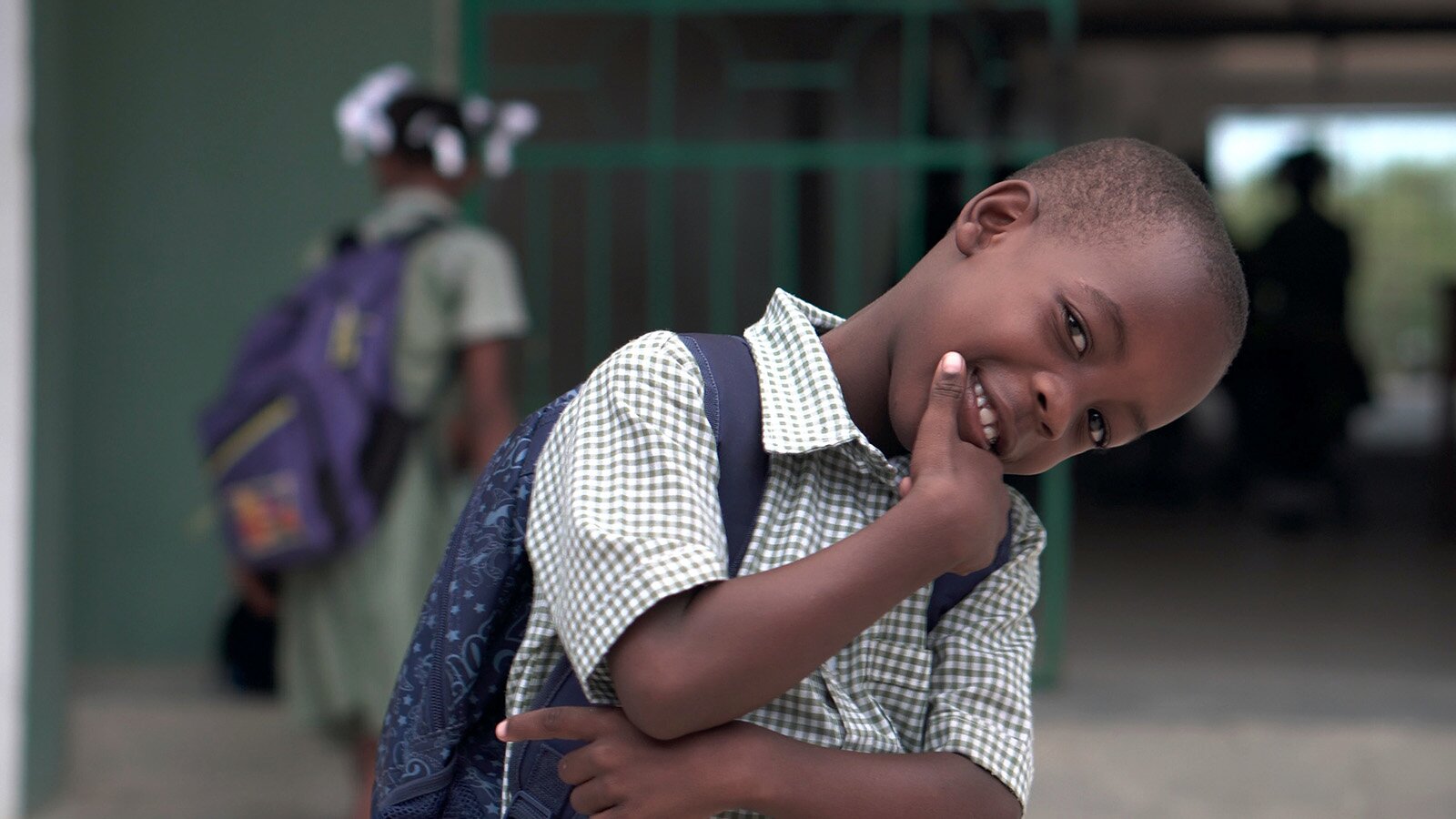
The picture below shows a boy who grins and has a mysterious smile on his face. Why do you think he’s smiling this way? What do you think he might be thinking about? In this section, you are going to read a text introducing you to possible causes and consequences of children who misbehave at school. Before you read it, think: what makes pupils misbehave at school? Have you ever misbehaved? Why?
Poniższe zdjęcie przedstawia chłopca, który uśmiecha się tajemniczo. Jak sądzisz, skąd ta mina? O czym chłopiec właśnie myśli? W tej sekcji przeczytasz tekst o możliwych przyczynach złego zachowania dzieci w szkole i skutkach takiego postępowania. Zanim zaczniesz czytać, zastanów się, z jakich powodów uczniowie źle się zachowują. Czy tobie też się to kiedyś zdarzyło? Dlaczego tak się zachowałeś/zachowałaś?
Match the following words and expressions with their translations.
Read the text and do the exercise(s) below.
Little RebelsLooking back at the time I spent at school, I certainly was not a model studentmodel student, but at least I was never one to misbehavemisbehave so much I would get myself in trouble with the teachers. However, I do remember some students who cannot say the same for themselvesthemselves. Skipping classSkipping class is the worst offence I did during comprehensive schoolcomprehensive school (or high school), but for some children, defiancedefiance of the rules in place was a form of rebellionrebellion. Those same children often found themselves in detentiondetention. They spent hours upon hours after most students had gone home, or gone to socialisesocialise with friends, in classrooms with teachers as a form of punishment for their actions.
Playing truantPlaying truant or skipping classes was the worst offence I remember doing myselfmyself, which in itselfitself is not something any student should be doing, as there were a few lessons I really did not enjoy doing, or I wanted a longer lunch break or to sleep in one day, but it is nowhere near as bad as what some students did during school hours. BullyingBullying other students and picking onpicking on them for anything, whether it was because a student wore glasses, or had ginger hair, or even supported a different sports team, could often lead to an altercationaltercation or a fightfight. These are some examples of behavioursbehaviours that would lead to (if a teacher found out) detention or some form of disciplinary actiondisciplinary action. One story I remember is when a boy decided it would be very funny to lock some girls in the girls’ locker room after a PE lessonPE lesson, which meant they missed their next lessons. The boy in question got himselfhimself suspendedsuspended for his actions that day, meaning he was not allowed to attend school with other children and was to be taught separately.
Some people may view this behaviour as kids being kidskids being kids as they do not know any better, however, it can also be seen as a sign of disrespectdisrespect, to their fellow students. Some children however, will act outact out in ways that show a lack of respect towards the teachers, such as talking back to them or disregarding their authorityauthority. I am sure most teenagers have felt the need for rebellion from this authority at some point in their lives.
Overall, however, most children will behave themselves attending schools. It is but a small minority who rebelrebel more than the others. In the same way, some actions are much less severe than others. Skipping school has a negative impactimpact on your own learning, but not on others, whereas bullying is the opposite. Bullying impactsimpacts the lives of many more students than a student playing truant, so arguablyarguably should be punished with a different or more severe form of punishment, such as detention or suspension from attending classes.
Źródło: Chris Howard, licencja: CC BY-SA 3.0.
- The author of the text was quite a nice student.
TRUE FALSE
- For some children, the author remembers, the defiance of the rules was a form of revenge.
TRUE FALSE
- The worst form of offence the author remembers doing was bullying other children.
TRUE FALSE
- In the story the author tells us that a boy decided to play a nasty trick on some girls.
TRUE FALSE
- According to the author, a lack of respect for teachers may be shown by talking to them.
TRUE FALSE
- Most children, when growing up, are rebels.
TRUE FALSE
- Bullying can impact many students.
TRUE FALSE
GRAMATYKA
1. Zaimek zwrotny
Zaimki zwrotne opisują relacje podmiotu (lub dopełnienia zdania) w stosunku do siebie samego. Używamy ich do zaznaczenia wykonywania czynności na samym sobie.
I – myself
you – yourself
he – himself
she – herself
it – itself
we – ourselves
you – yourselves
they – themselves
Przykłady:
Please, behave yourself! – Proszę, zachowuj się!
He cut himself with a sharp knife. – (On) Skaleczył się ostrym nożem.
Enjoy yourself at the party! – Baw się dobrze na imprezie!
Słownik
/ ækt ˈaʊt /
źle się zachowywać
/ ˌɔːltəˈkeɪʃn̩ /
sprzeczka, zwada
/ ˈɑːɡjuəbli /
prawdopodobnie, być może
/ ɔːˈthetaɒrəti /
władza, autorytet
/ bɪˈheɪvjəz / / bɪˈheɪvjə /
zachowania [zachowanie]
/ ˈbʊlɪɪŋ /
znęcanie się nad słabszymi
/ ˌkɒmprɪˈhensɪv skuːl /
szkoła średnia
/ dɪˈfaɪəns /
prowokacja, opór, naruszenie
/ dɪˈtenʃn̩ /
„koza” (kara pozostania po lekcjach)
/ ˈdɪsɪplɪnəri ˈækʃn̩ /
postępowanie dyscyplinarne
/ ˌdɪsrɪˈspekt /
brak szacunku
/ faɪt /
bójka
/ hɜːˈself /
siebie, sama, sobie, osobiście (o niej)
/ hɪmˈself /
siebie, sam, sobie, osobiście (o nim)
/ ɪmˈpækt /
wpływ
/ ɪmˈpækts / / ɪmˈpækt /
wpływa [wpływać]
/ ɪtˈself /
siebie, samo, sobie, osobiście (o czymś)
/ kɪdz ˈbiːɪŋ kɪdz /
dzieci zachowują się jak dzieci (powiedzenie)
/ ˌmɪsbɪˈheɪv /
źle się zachowywać
/ ˈmɒdl̩ ˈstjuːdnt /
przykładny uczeń/ przykładna uczennica
/ maɪˈself /
siebie, ja sam/sama, ja osobiście (o sobie)
/ aʊəˈselvz /
siebie, my sami, sobie, my osobiście (o nas)
/ ˌpiːˈiː ˈlesn̩ /
lekcja WF
/ ˈpɪkɪŋ ɒn /
czepianie się kogoś
/ pleɪɪŋ ˈtruːənt /
wagarowanie
/ rɪˈbel /
buntują się [buntować się]
/ rɪˈbelɪən /
bunt, rebelia
/ ˈskɪpɪŋ klɑːs / / ˈskɪp klɑːs /
opuszczanie lekcji [opuszczać lekcje]
/ ˈsəʊʃəlaɪz /
prowadzić życie towarzyskie
/ səˈspendɪd /
zawieszony/zawieszona
/ ðəmˈselvz /
siebie, oni sami, sobie, oni osobiście (o nich)
/ jɔːˈself /
siebie, ty sam/sama, sobie, ty osobiście (o tobie)