bg‑azure

The Intergovernmental Panel on Climate Change, or IPCC for short, is a group of scientists from different countries who work together and publish reports advancing knowledge on anthropogenic climate change. The reports have been published since 1990 every 5 to 7 years and they summarise all findings of research conducted during that period of time. It’s the most current state of knowledge on the phenomena which have been shaping and quite drastically changing our climate reality. What can we learn from the 2022 IPCC report?

Międzyrządowy Zespół ds. Zmian Klimatu to grupa zrzeszająca naukowców pochodzących z różnych krajów, którzy pracują razem i publikują raporty upowszechniające wiedzę o antropogenicznych zmianach zachodzących w klimacie Ziemi. Każdy z raportów, publikowanych od 1990 roku co 5–7 lat, podsumowuje wszystkie odkrycia i wnioski z badań przeprowadzonych w tej dziedzinie w okresie od poprzedniej publikacji. Raport jest najbardziej aktualną kompilacją wiedzy o zjawiskach, które kształtują naszą rzeczywistość klimatyczną i które już od jakiegoś czasu drastycznie ją zmieniają. Czego dowiadujemy się z raportu opublikowanego w 2022 roku?
R1RoCm5yqGtfp
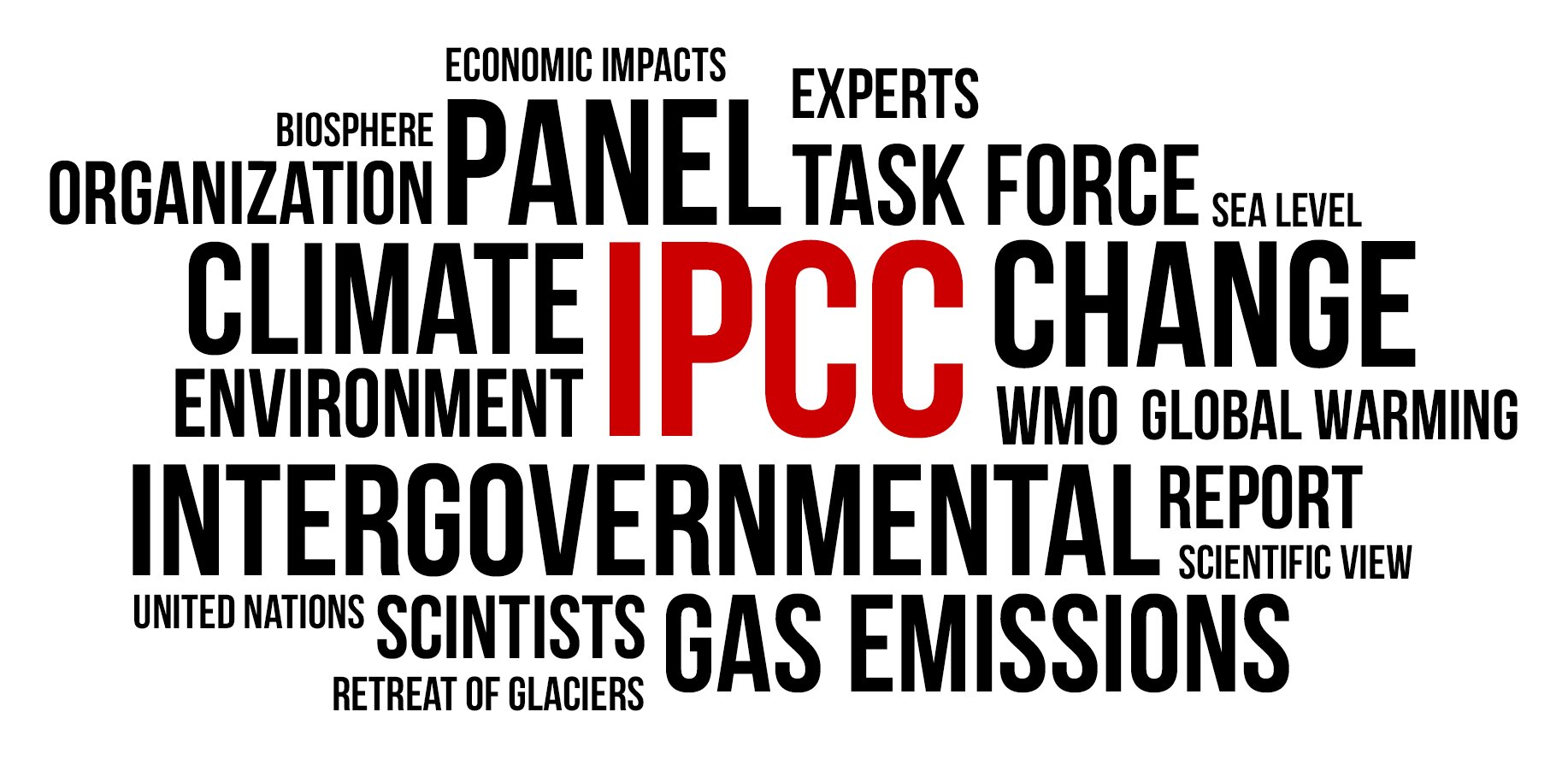
The IPCC report presents the current knowledge about climate change
Raport IPCC prezentuje aktualny stan wiedzy o zmianach klimatu
Źródło: Daniel Łyżwiński, domena publiczna.
1
Exercise 1

One of the manifestations of climate change is extreme weather phenomena in places around the world where they never occurred before. Match the phenomena with their descriptions.

R1VohNYpHOztG
It’s a period of extremely hot weather. It can sometimes be accompanied by high humidity. It can be very dangerous and people should protect themselves by staying indoors and making sure they don’t get dehydrated. Możliwe odpowiedzi: 1. wildfire, 2. drought, 3. heat wave, 4. flash flood It’s caused by extremely heavy rainfall which happens in a short period of time. It can lead to even small rivers bursting its banks and overflowing the nearby areas. It also occurs in cities which are not prepared to take huge amounts of water quickly. Możliwe odpowiedzi: 1. wildfire, 2. drought, 3. heat wave, 4. flash flood It can affect forests, bushes and different kinds of wildland with combustible vegetation. It may be caused by extremely high temperatures or be initiated by men. It spreads rapidly and devastates large swathes of land} Możliwe odpowiedzi: 1. wildfire, 2. drought, 3. heat wave, 4. flash flood It’s a situation when a shortage or lack of water is caused by a long period of time without any precipitation or with very scarce rainfall. It can lead to failed crops if it affects agricultural areas. Możliwe odpowiedzi: 1. wildfire, 2. drought, 3. heat wave, 4. flash flood
Źródło: GroMar Sp. z o.o., licencja: CC BY-SA 3.0.
Exercise 1

One of the manifestations of climate change is extreme weather phenomena in places around the world where they never occurred before. Can you name the phenomena described in these short recordings? Listen and match them with the names.

R1LLOQz6vnWDr
Możliwe odpowiedzi: 1. heat wave, 2. flash flood, 3. drought, 4. wildfire
Źródło: GroMar Sp. z o.o., licencja: CC BY-SA 3.0.

Read the text and do the exercises below.

Climate Change Is as Real as You and Me
Anna Posyniak‑Dutka Climate Change Is as Real as You and Me

Climate is a complex phenomenoncomplex phenomenoncomplex phenomenon but at the same time its elements can be easily described with the use of laws of physicslaws of physics [law of physics]laws of physics. Climate is not the same as weather, but they are strictly connected. Climate is a weather pattern observed over a long period of time in a given place. We know that climate changes and this is a natural process. However, since the end of the 1800s, apart from naturally occurringnaturally occurringnaturally occurring alternations in climate, we have been observing rapid changes which, we know it for sure now, are of anthropogenic originof anthropogenic originof anthropogenic origin.

We used to hear a lot about global warmingglobal warmingglobal warming, that is the increase in global temperatures. These days, we more often discuss climate change. Does it mean that the processes on the Earth have changed? Not quite. Primarily, our knowledge and understanding of the processes we’ve been observing are broader.  We know now that apart from the growing temperature resulting mostly from fossil fuels burningfossil fuels burningfossil fuels burning, the precipitationprecipitationprecipitation and wind patterns are also changing. As a result of that, the Earth is now about 1.1°C warmer than it was in the late 1800s and we more and more often witness numerous instances of extreme weather phenomenaextreme weather phenomena [extreme weather phenomenon]extreme weather phenomena in the parts of the world they have never been seen before. Climate change is a much more complex issue than just global warming.

Scientists have proven that concentrations of greenhouse gasesgreenhouse gases [greenhouse gas]greenhouse gases are at the highest levels in 2 million years. Carbon dioxidecarbon dioxideCarbon dioxide, methane,methanemethane, nitrous oxidenitrous oxidenitrous oxide, and water vapourwater vapourwater vapour are emitted into the atmosphere as a result of many natural and man‑caused processesman‑caused processes [man‑caused process]man‑caused processes. Since human activity increased significantly as a result of industrialisationindustrialisationindustrialisation, the emissions we observe currently have unprecedented valuesunprecedented values [unprecedented value]unprecedented values. Greenhouse gases concentrate in the atmosphere and create a barrier which traps heat from the sun and does not allow it to escape back into space.  This leads to abnormal warming of the planet. Since all systems on the Earth are interconnected, this triggerstriggers [trigger] (verb)triggers a lot of changes in many areas of life.

Then it’s a domino effectdomino effectdomino effect. Global warming changes rain patterns. This results in intense droughtsintense droughts [intense drought]intense droughts, water scarcitywater scarcitywater scarcity, wildfireswildfires [wildfire]wildfires, and rising sea levelsrising sea levels [rising sea level]rising sea levels, and on the other one, in floodingfloodingflooding, melting polar icemelting polar icemelting polar ice, catastrophic stormscatastrophic storms [catastrophic storm]catastrophic storms and declining biodiversitydeclining biodiversitydeclining biodiversity. The Earth is gradually losing its delicate state of equilibriumdelicate state of equilibriumdelicate state of equilibrium. There will be too much or too little of water. And we must remember that we are not talking about some remote futureremote futureremote future, it’s already happening. Flash floodsflash floods [flash flood]Flash floods happen in most major cities whose rain drain systemsrain drain systems [rain drain system]rain drain systems are not prepared to deal with such great amounts of rain falling in such short periods of time. On the flip side, regions such as Syberia, west coast of North America, or Australia experience wildfireswildfires [wildfire]wildfires which devastate both the natural environment and human householdshouseholds [household]households.

The International Panel on Climate Change, or IPCC for short,  is a UN body consisting of scientists of various specialisations who focus on perusingperusing [peruse]perusing all most current research published all around the world. They gather and study the findings from a great variety of sources and every couple of years publish an official report which outlines the combined knowledge on the subject as well as practical advice to be used by governments. The most recent one comes from 2022 and the vision it presents is bleakbleakbleak. The message that it conveys is clear - we are approaching the point of no returnpoint of no returnpoint of no return. If we are to do anything, it’s now or never. We have to cut our use of fossil fuels to the bonecut our use of fossil fuels to the bone [cut something to the bone]cut our use of fossil fuels to the bone, and turn to renewable energy sources immediately, or the changes we trigger will be irreversibleirreversibleirreversible and catastrophic.

1 Źródło: Anna Posyniak‑Dutka, licencja: CC BY-SA 3.0.
Exercise 2

Read the text and decide if the sentences below are true or false.

RzlTOSjz866Bz
  1. The terms climate and weather can be used interchangeably. TRUEFALSE
  2. It hasn’t been determined whether the changes in climate we are currently observing are of natural or human origin. TRUEFALSE
  3. In the past we observed global warming, now we are experiencing climate change. TRUEFALSE
  4. About 200 years ago the temperature on the Earth was about 1.1°C lower. TRUEFALSE
  5. The development of industry caused bigger emission of greenhouse gases into the atmosphere. TRUEFALSE
  6. Greenhouse gases stop heat near the Earth and lead to increased temperatures. TRUEFALSE
  7. Catastrophic results of climate change are not yet experienced by people nowadays. TRUEFALSE
  8. Big cities are not ready for dealing with heavy downpours. TRUEFALSE
  9. The IPCC does a lot of research into climate change. TRUEFALSE
  10. The most current IPCC report states that we have to undertake urgent steps to prevent further changes in our climate. TRUEFALSE
Źródło: GroMar Sp. z o.o., licencja: CC BY-SA 3.0.
Exercise 3

Match the phrases below to make logical sentences.

R34y9C6IkO0KS
If a change is irreversible, Możliwe odpowiedzi: 1. they are rather pessimistic about what’s going to happen., 2. it means that there are fewer and fewer species of plants and animals living in a given area., 3. it will happen a long time from now., 4. it’s the highest or the lowest ever in history., 5. you reduce the amount of it to an absolute minimum., 6. it will never be possible to go back to the initial state., 7. it has been caused by people., 8. it is too late to stop or go back to the previous stage. If you cut the use of something to the bone, Możliwe odpowiedzi: 1. they are rather pessimistic about what’s going to happen., 2. it means that there are fewer and fewer species of plants and animals living in a given area., 3. it will happen a long time from now., 4. it’s the highest or the lowest ever in history., 5. you reduce the amount of it to an absolute minimum., 6. it will never be possible to go back to the initial state., 7. it has been caused by people., 8. it is too late to stop or go back to the previous stage. If you pass the point of no return, Możliwe odpowiedzi: 1. they are rather pessimistic about what’s going to happen., 2. it means that there are fewer and fewer species of plants and animals living in a given area., 3. it will happen a long time from now., 4. it’s the highest or the lowest ever in history., 5. you reduce the amount of it to an absolute minimum., 6. it will never be possible to go back to the initial state., 7. it has been caused by people., 8. it is too late to stop or go back to the previous stage. If somebody presents a bleak vision of the future, Możliwe odpowiedzi: 1. they are rather pessimistic about what’s going to happen., 2. it means that there are fewer and fewer species of plants and animals living in a given area., 3. it will happen a long time from now., 4. it’s the highest or the lowest ever in history., 5. you reduce the amount of it to an absolute minimum., 6. it will never be possible to go back to the initial state., 7. it has been caused by people., 8. it is too late to stop or go back to the previous stage. If something happens in the remote future, Możliwe odpowiedzi: 1. they are rather pessimistic about what’s going to happen., 2. it means that there are fewer and fewer species of plants and animals living in a given area., 3. it will happen a long time from now., 4. it’s the highest or the lowest ever in history., 5. you reduce the amount of it to an absolute minimum., 6. it will never be possible to go back to the initial state., 7. it has been caused by people., 8. it is too late to stop or go back to the previous stage. If something reaches unprecedented values, Możliwe odpowiedzi: 1. they are rather pessimistic about what’s going to happen., 2. it means that there are fewer and fewer species of plants and animals living in a given area., 3. it will happen a long time from now., 4. it’s the highest or the lowest ever in history., 5. you reduce the amount of it to an absolute minimum., 6. it will never be possible to go back to the initial state., 7. it has been caused by people., 8. it is too late to stop or go back to the previous stage. If biodiversity is declining, Możliwe odpowiedzi: 1. they are rather pessimistic about what’s going to happen., 2. it means that there are fewer and fewer species of plants and animals living in a given area., 3. it will happen a long time from now., 4. it’s the highest or the lowest ever in history., 5. you reduce the amount of it to an absolute minimum., 6. it will never be possible to go back to the initial state., 7. it has been caused by people., 8. it is too late to stop or go back to the previous stage. If a process is of anthropogenic origin, Możliwe odpowiedzi: 1. they are rather pessimistic about what’s going to happen., 2. it means that there are fewer and fewer species of plants and animals living in a given area., 3. it will happen a long time from now., 4. it’s the highest or the lowest ever in history., 5. you reduce the amount of it to an absolute minimum., 6. it will never be possible to go back to the initial state., 7. it has been caused by people., 8. it is too late to stop or go back to the previous stage.
Źródło: GroMar Sp. z o.o., licencja: CC BY-SA 3.0.
Exercise 4

Answer the questions in 3–5 sentences.

  1. How is climate different from weather?

  2. Why do we discuss climate change more than just global warming these days?

  3. What is IPCC and what’s its function?

Rqp6PyZ16Y7mU
(Uzupełnij).
Źródło: GroMar Sp. z o.o., licencja: CC BY-SA 3.0.
3
Exercise 5

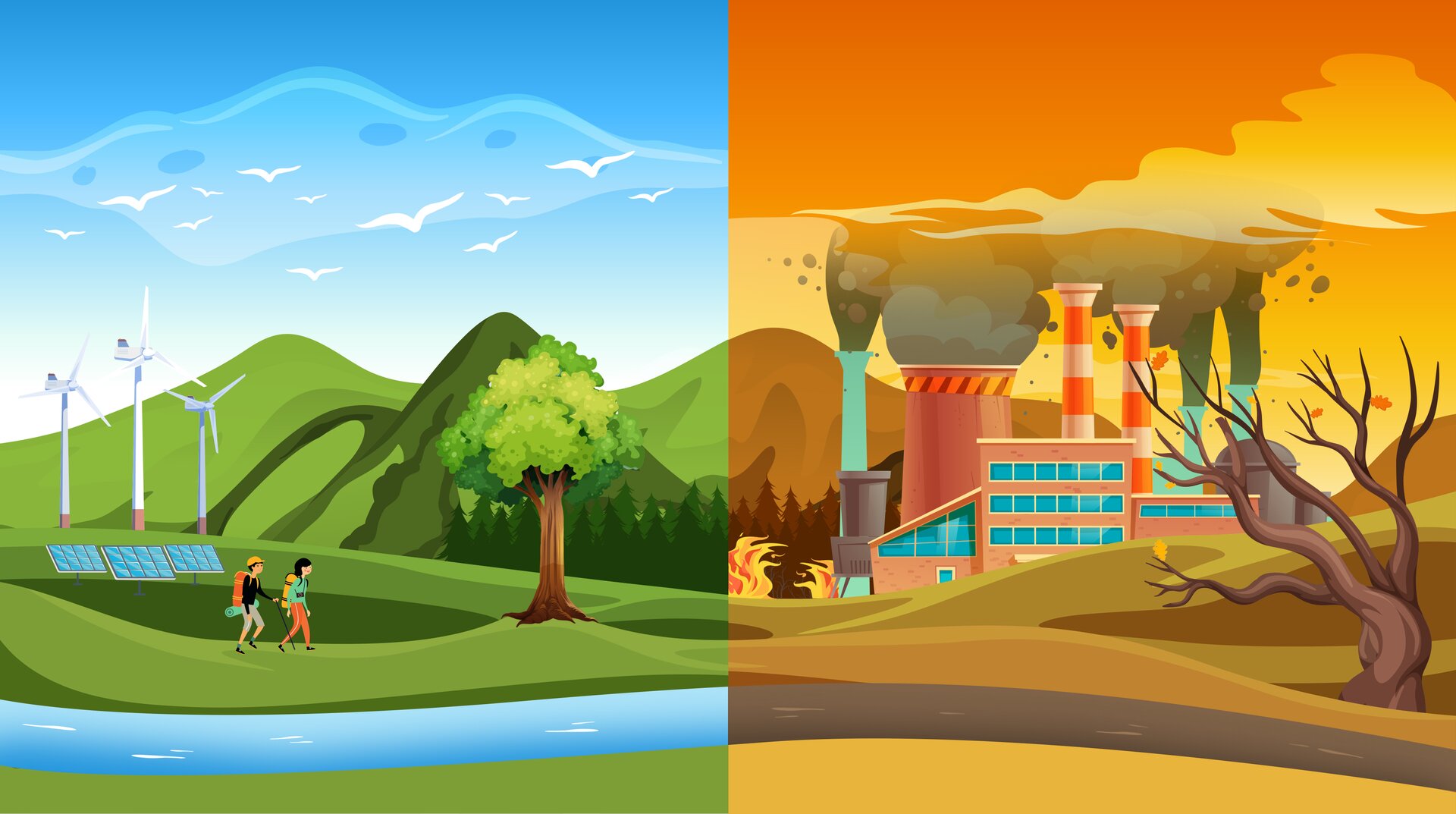
Human activity on the Earth affects the planet but there are some steps which can be taken to stop these changes. Describe how we change the planet and what these changes lead to. What actions can we take to prevent the changes? Write 8–9 sentences.
RjGy3z5XLSDnr
Źródło: GroMar Sp. z o.o., licencja: CC BY-SA 3.0.
Exercise 5

Look at the picture below. It shows how human activity on Earth affects the planet, and some steps which can be taken to stop these changes. Describe how we change the planet and what these changes lead to. What actions can we take to prevent the changes? Write 8–9 sentences.

R1Lbd2h1RJkSH
Źródło: dostępny w internecie: www.freepik.com [dostęp 30.10.2022], domena publiczna.
R15vZjPXZbbtQ
(Uzupełnij).
Źródło: GroMar Sp. z o.o., licencja: CC BY-SA 3.0.

Słownik

bleak
bleak

/ bliːk /

RPJcoYXYJz1dp1
Nagranie dźwiękowe

ponura/ponury

R1RVKy4xgpSi41
Nagranie dźwiękowe
carbon dioxide
carbon dioxide

/ ˈkɑ:bən daɪˈɒksaɪd /

R8m3aYarLmxZY1
Nagranie dźwiękowe

dwutlenek węgla

R1OMEyvztFXIy1
Nagranie dźwiękowe
catastrophic storms [catastrophic storm]

/ ˌkætəˈstrɒfɪk stɔːmz / / ˌkætəˈstrɒfɪk stɔːm /

RsquTMJkj7XC51
Nagranie dźwiękowe

katastrofalne burze [katastrofalna burza]

R1M6M78r5Ryvj1
Nagranie dźwiękowe
complex phenomenon
complex phenomenon

/ ˈkɒmpleks fɪˈnɒmɪnən /

R1HmJOUJ0JxFS1
Nagranie dźwiękowe

złożone zjawisko

R1EQqJNmivYtV1
Nagranie dźwiękowe
cut our use of fossil fuels to the bone [cut something to the bone]

/ kʌt ˈaʊə ˈjuːz əv ˈfɒsl̩ ˈfjuːəlz tu ðə bəʊn / / kʌt ˈsʌmthetaɪŋ tu ðə bəʊn /

RfcZWuto9rZZb1
Nagranie dźwiękowe

ograniczyć nasze zużycie paliw kopalnych do minimum [ograniczyć coś do minimum]

RAQW9iHz9jSXB1
Nagranie dźwiękowe
declining biodiversity

/ dɪˈklaɪnɪŋ ˌbaɪəʊdaɪˈvɜːsəti /

RYiezEDVQfU1e1
Nagranie dźwiękowe

zanikająca bioróżnorodność

RyjGjgiFdRsv41
Nagranie dźwiękowe
delicate state of equilibrium

/ ˈdelɪkət steɪt əv ˌiːkwɪˈlɪbrɪəm /

RR3XXHqxNDNVE1
Nagranie dźwiękowe

delikatny stan równowagi

RLjixdqvMs9HY1
Nagranie dźwiękowe
domino effect
domino effect

/ ˈdɒmɪnəʊ ɪˈfekt /

RKNoS4lZBGzkB1
Nagranie dźwiękowe

efekt domina

RDXGfgkHPffbp1
Nagranie dźwiękowe
extreme weather phenomena [extreme weather phenomenon]

/ ɪkˈstriːm ˈweðə fɪˈnɒmɪnə / / ɪkˈstriːm ˈweðə fɪˈnɒmɪnən /

R6B3YrROR9yGH1
Nagranie dźwiękowe

ekstremalne zjawiska pogodowe [ekstremalne zjawisko pogodowe]

RrMwt1SXJnE6e1
Nagranie dźwiękowe
flash floods [flash flood]

/ flæʃ flʌdz / / flæʃ flʌd /

RiRuc7qorPHfj1
Nagranie dźwiękowe

powodzie błyskawiczne [powódź błyskawiczna]

Rp6i0Du9536bx1
Nagranie dźwiękowe
flooding
flooding

/ ˈflʌdɪŋ /

RlXshvZ7lUGfb1
Nagranie dźwiękowe

powódź, zalewanie

RAqYqYmVM856b1
Nagranie dźwiękowe
fossil fuels burning

/ ˈfɒsl̩ ˈfjuːəlz ˈbɜːnɪŋ /

R6pzbDf6I7lnt1
Nagranie dźwiękowe

spalanie paliw kopalnych

R1WMd5SscFaev1
Nagranie dźwiękowe
global warming
global warming

/ ˈɡləʊbl̩ ˈwɔːmɪŋ /

R1bycjljBEuqf1
Nagranie dźwiękowe

globalne ocieplenie

RVHU1zVmYuIPk1
Nagranie dźwiękowe
greenhouse gases [greenhouse gas]

/ ˈɡriːnhaʊs ˈɡæsɪz / / ˈɡriːnhaʊs ɡæs /

RJL7pxGwRLEvR1
Nagranie dźwiękowe

gazy cieplarniane [gaz cieplarniany]

RBOmp0OdDttPe1
Nagranie dźwiękowe
households [household]

/ ˈhaʊshəʊldz / / ˈhaʊshəʊld /

R1coPfumFnNI61
Nagranie dźwiękowe

gospodarstwa domowe [gospodarstwo domowe]

R1OCGVtELMpFj1
Nagranie dźwiękowe
industrialisation
industrialisation

/ ɪnˌdʌstrɪəlaɪˈzeɪʃn̩ /

R1MeaVXEhbN3p1
Nagranie dźwiękowe

uprzemysłowienie

RPniMu0sQcLL01
Nagranie dźwiękowe
intense droughts [intense drought]

/ ɪnˈtens ˈdraʊts / / ɪnˈtens ˈdraʊt /

R8W7tFldPthVi1
Nagranie dźwiękowe

intensywne susze [intensywna susza]

RT50NKg2GikNO1
Nagranie dźwiękowe
irreversible
irreversible

/ ˌɪrɪˈvɜːsəbl̩ /

R15C9q9UZohEQ1
Nagranie dźwiękowe

nieodwracalne [nieodwracalny/nieodwracalna]

R1Zd7UqxfME921
Nagranie dźwiękowe
laws of physics [law of physics]

/ lɔːz əv ˈfɪzɪks / / ˌlɔ: əv ˈfɪzɪks /

Rk1rzrrrySMSU1
Nagranie dźwiękowe

prawa fizyki [prawo fizyki]

RaaTMI3TgnSjn1
Nagranie dźwiękowe
man‑caused processes [man‑caused process]

/ man kɔːzd ˈprəʊsesɪz / / man kɔːzd ˈprəʊses /

RA8TtHZ8b5ELM1
Nagranie dźwiękowe

procesy wywołane przez człowieka [proces wywołany przez człowieka]

RSsU6NMNNFzhY1
Nagranie dźwiękowe
melting polar ice
melting polar ice

/ ˈmeltɪŋ ˈpəʊlə aɪs /

RVrvKSGJdxIqL1
Nagranie dźwiękowe

topnienie pokrywy lodowej na biegunach

Rm2Z1UAYu27KC1
Nagranie dźwiękowe
methane
methane

/ ˈmiːthetaeɪn /

RNisozMQ3IhZx1
Nagranie dźwiękowe

metan

RCOdDyq47RKxA1
Nagranie dźwiękowe
naturally occurring
naturally occurring

/ ˈnætʃrəli əˈkɜːrɪŋ /

RZ9pNICQXd5Gd1
Nagranie dźwiękowe

naturalnie występujące [naturalnie występujący/występująca]

R5KcKqd5GTsXz1
Nagranie dźwiękowe
nitrous oxide
nitrous oxide

/ ˈnaɪtrəs ˈɒksaɪd /

R1L3ewC1ELwzk1
Nagranie dźwiękowe

podtlenek azotu

RYiP023AjcIOB1
Nagranie dźwiękowe
of anthropogenic origin

/ əv ˌanthetarəpə(ʊ)ˈdʒɛnɪk ˈɒrɪdʒɪn /

RZJKw2zr9uD7X1
Nagranie dźwiękowe

antropogeniczny/antropogeniczna

R1VVdG5D6QxNt1
Nagranie dźwiękowe
perusing [peruse]
perusing [peruse]

/ pəˈruːzɪŋ / / pəˈruːz /

RS38jrcIHputU1
Nagranie dźwiękowe

szczegółowe studiowanie [studiować szczegółowo]

R1K8e5a8yMWDI1
Nagranie dźwiękowe
point of no return
point of no return

/ poɪnt əv ˈnəʊ rɪˈtɜːn /

R1aIQ2YeHDtDb1
Nagranie dźwiękowe

punkt bez odwrotu

RisZZzfAdweaZ1
Nagranie dźwiękowe
precipitation
precipitation

/ prɪˌsɪpɪˈteɪʃn̩ /

RTKouJctP04jj1
Nagranie dźwiękowe

opady [opad]

REXjvDr45AIE81
Nagranie dźwiękowe
rain drain systems [rain drain system]

/ ˈreɪn dreɪn ˈsɪstəmz / / ˈreɪn dreɪn ˈsɪstəm /

R4KfqGs6xR3sU1
Nagranie dźwiękowe

kanalizacje deszczowe [kanalizacja deszczowa]

R1AUSw0vmPrZr1
Nagranie dźwiękowe
remote future
remote future

/ rɪˈməʊt ˈfjuːtʃə /

R1dljdvwWvFRH1
Nagranie dźwiękowe

odległa przyszłość

Ri6YMHG2irAup1
Nagranie dźwiękowe
rising sea levels [rising sea level]

/ ˈraɪzɪŋ ˈsi: ˈlevl̩z / / ˈraɪzɪŋ ˈsi: levl /

RjnZbww4xt3eZ1
Nagranie dźwiękowe

podnoszące się poziomy mórz [podnoszący się poziom morza]

R10H1vhOV7A7P1
Nagranie dźwiękowe
triggers [trigger] (verb)

/ ˈtrɪɡəz / / ˈtrɪɡə /

R1Uko7PwUiAos1
Nagranie dźwiękowe

wywołuje [wywoływać]

RW86XKxrSETP31
Nagranie dźwiękowe
unprecedented values [unprecedented value]

/ ʌnˈpresɪdentɪd ˈvæljuːz / / ʌnˈpresɪdentɪd ˈvæljuː /

R5VmUHzTJNJAv1
Nagranie dźwiękowe

nieodnotowywane wcześniej wartości [nieodnotowywana wcześniej wartość]

RsB8gnvNqdMew1
Nagranie dźwiękowe
water scarcity
water scarcity

/ ˈwɔ:tə ˈskeəsɪti /

R1emp7CNFFgtC1
Nagranie dźwiękowe

niedostatek wody

Rw4c09QXeQMSL1
Nagranie dźwiękowe
water vapour
water vapour

/ ˈwɔ:tə ˈveɪpə /

R9Sye5VS071Li1
Nagranie dźwiękowe

para wodna

RwfYiblYfD43v1
Nagranie dźwiękowe
wildfires [wildfire]

/ ˈwaɪldfaɪəz / / ˈwaɪldfaɪə /

RJMFpPGIdiUFy1
Nagranie dźwiękowe

pożary lasów [pożar lasu]

R1WT13x1MRdLS1
Nagranie dźwiękowe

Źródło: GroMar Sp. z o.o., licencja: CC BY‑SA 3.0

R1Mh7jGNxTFuw
(Uzupełnij).
Źródło: GroMar Sp. z o.o., licencja: CC BY-SA 3.0.