Przeczytaj
The human body is amazing. We know a lot about it but still it has its secrets. Read the text below to find out 10 interesting facts about the human body.
Ciało człowieka jest niesamowite. Wiemy dużo na jego temat, ale nadal skrywa swoje tajemnice. Przeczytaj tekst poniżej i poznaj 10 interesujących faktów o ludzkim ciele.
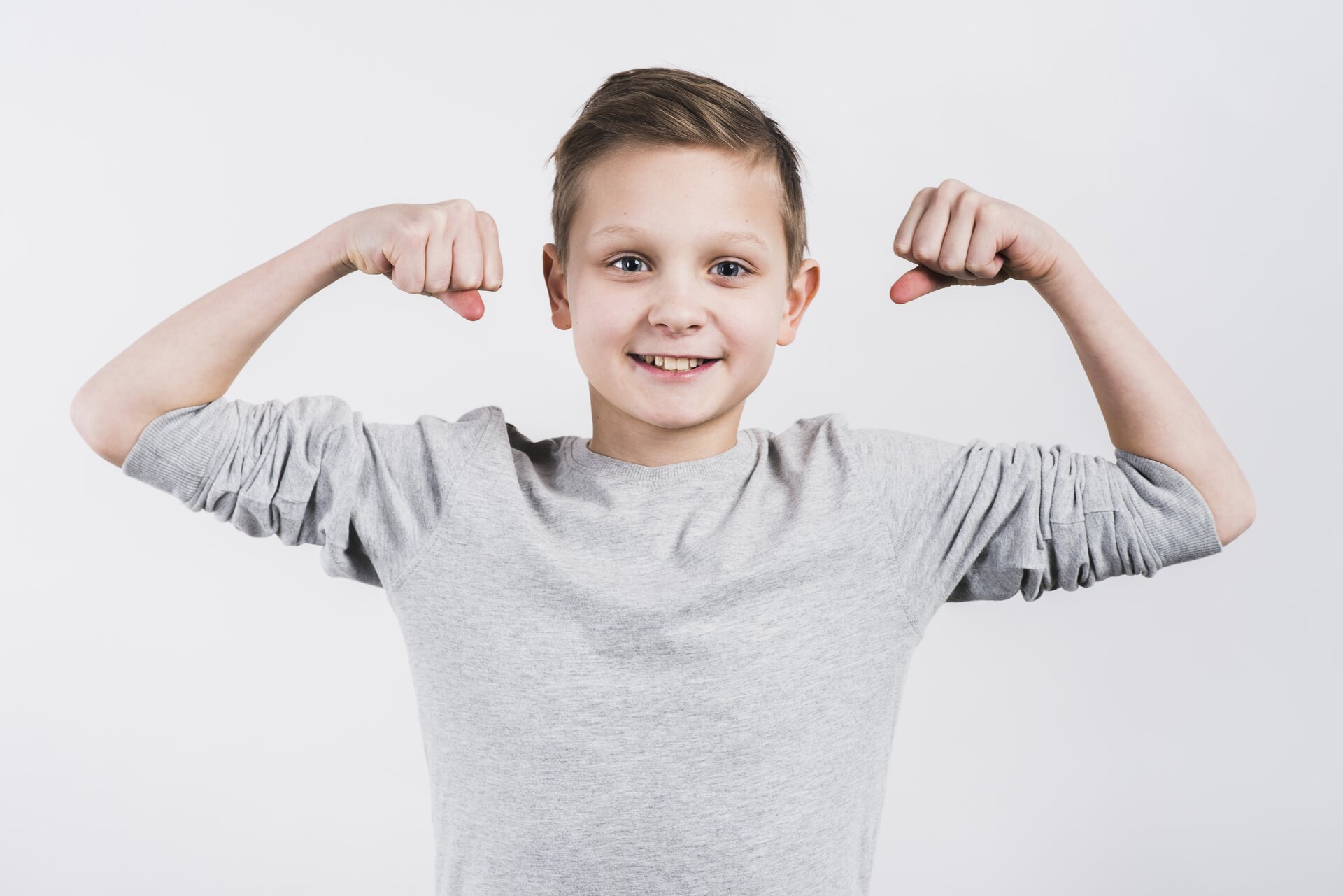
Read the text about the human body. Then, do the tasks below.
Przeczytaj tekst o ludzkim ciele, a następnie wykonaj zadania poniżej.
10 facts about the human body
Your brainbrain is sometimes more active when you sleep than when you are awake.
Every finger has its name. There is a thumbthumb, an index fingerindex finger, a middle fingermiddle finger, a ring fingerring finger and a little finger.
The human bodyhuman body has 270 bones when we are born. But when we become adultsadults we have only 206 bones.
The ears and nose grow all the time.
Babies blinkblink only once or twice a minute. An adult blinks about 10 times a minute.
Our teethteeth are as strong as shark teeth.
Our fingernailsfingernails grow 5 times faster than our toenailstoenails.
The only musclemuscle that is never tired is the heartheart.
It only takes seven seconds for food to reach your stomachstomach.
Your eyes can identifyidentify 10 million colours.
Źródło: Barbara Bednarczyk, licencja: CC BY-SA 3.0.
Read the text and mark the sentences as T (true) or F (false).
Przeczytaj tekst i zaznacz które zdanie jest prawdziwe a które fałszywe.
- Over time, our brains and foreheads got smaller. TRUEFALSE
- Our eyes have a large white area, so we can use them to communicate. TRUEFALSE
- People who live in cold places have narrower noses to cool the air they breathe. TRUEFALSE
- Our hands have thumbs and fingers, so we can work with tools. TRUEFALSE
- We have body parts like knees and toes, so we can move around. TRUEFALSE
- What keeps us upright is our abdomen and intestines. TRUEFALSE
Play memo. Match the English words with their Polish translations.
Zagraj w memo. Dobierz w pary wyrazy angielskie i ich polskie odpowiedniki.
Match words with their translations.
Połącz wyrazy z tłumaczeniami.
Complete the sentences (1–6) with words from the box.
Uzupełnij zdania wyrazami z tabelki.
Słownik
/ ˈædʌlts / / ˈædʌlt /
dorośli [dorosły]
/ blɪŋk /
mrugać
/ breɪn /
mózg
/ tʃɪn /
podbródek, broda
/ ˈelboʊz / /ˈelbəʊ/
łokcie [łokieć]
/ ˌfɪŋɡəˈneɪlz / / ˌfɪŋɡəˈneɪl /
paznokcie u rąk [paznokieć u ręki]
/ hɑːt /
serce
/ ˈhjuːmən ˈbɒdi /
ludzkie ciało
/ aɪˈdentɪfaɪ /
rozpoznać
/ ˈɪndeks ˈfɪŋɡə /
palec wskazujący
/ niːz / /niː/
kolana, kolano
/ ˌmɪdl ˈfɪŋɡə /
środkowy palec
/ ˈmʌsl̩ /
mięsień
/ rɪŋ ˈfɪŋgə /
palec serdeczny
/ ˈstʌmək /
brzuch, żołądek
/ tiːtheta / / tuːtheta /
zęby [ząb]
/ thetaaɪz/ /thetaaɪ/
uda [udo]
/ 'thetaʌmz/ /ˈthetaʌm /
kciuki [kciuk]
/ ˈtəʊneɪlz / / ˈtəʊneɪl /
paznokcie u stopy [paznokieć u stopy]
/ rɪsts / / rɪst /
nadgarstki [nadgarstek]
Źródło: GroMar Sp. z o.o., licencja: CC BY‑SA 3.0