Przeczytaj
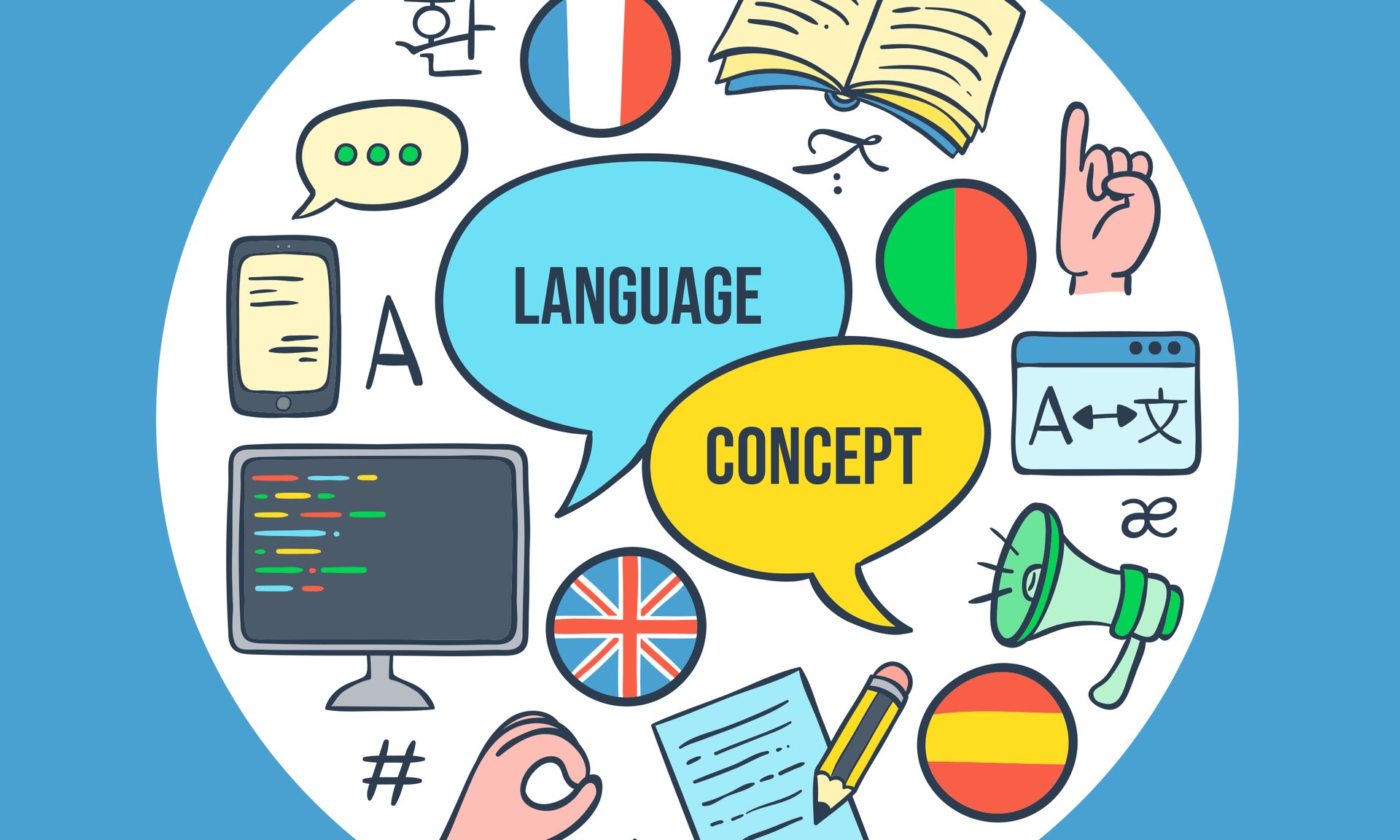
The picture shows some ideas connected with learning a foreign language. Have a look at them and think which ones you use most often while learning a language. What other methods would you add? What tools can help you learn a foreign language? What are the benefits of knowing foreign languages?
Na rysunku przedstawiono kilka pomysłów związanych z nauką języka obcego. Przyjrzyj się im i pomyśl, z których ty najczęściej korzystasz. Jakie inne metody przychodzą ci do głowy? Jakie narzędzia mogą pomóc ci w nauce języka obcego? Jakie są korzyści ze znajomości języków obcych?
Read the text and do the exercises below.
How to Learn Smart?Needless to sayNeedless to say, to function effectivelyeffectively in the modern world, you should be able to communicate fluentlyfluently in at least one foreignforeign language. Yet, mastering a new languagemastering a new language is connected withconnected with a number of challenges. Luckily, there are different techniques and tools which can facilitatefacilitate the language learning process.
First of all, set achievable goalsachievable goals, so as not to get discourageddiscouraged at the beginning of your learning adventure, especially when it comes to the knowledgeknowledge of words. When you learn a new language, set short term goalsshort term goals that will give you a sense of achievement.sense of achievement. This might be picking uppicking up basic phrases to ask about something or introducing yourself. That will boostboost your self‑confidence and encourageencourage you to set some long term‑goalslong term‑goals. It will also significantlysignificantly reduce the need for body language in communication. The long term‑goals are also about being able to communicate fluently with people in the most distant places of the world or with the diversifieddiversified educational or career opportunities. Simply speaking, identify exactly what you need the language for.
If you struggle withstruggle with setting your goals, use a frameworkframework called SMART goals. SMART stands forstands for Specific, Measurable, Achievable, Relevant, and Time‑based. The term was first used in 1981 by George T. Doran in the November issue of Management Review. This method's purposepurpose is to create a planned and achievable goal, so that you have a clear targettarget to aim for. SMART goals provide you withprovide you with a sense of direction and help you achieve effective communication.
Apart from the goals, think about how you’re planning to obtainobtain what you want, especially in terms of lexislexis, and focus onfocus on the methods that will simplify the process of learning new vocabulary. Bear in mindBear in mind that one‑size‑fits‑allone‑size‑fits‑all approachapproach to learning doesn't exist, so find the one that will work best for you.
At the beginning, establish a daily habitestablish a daily habit of learning words that will help you with effective real‑life communication. Get a vocabulary notebookvocabulary notebook, in which you can note downnote down and translatetranslate new words and then try to use them in contextin context. While learning, you'll encounterencounter a lot of cognatescognates which are easy to remember, because they have the same meaning as the words you already know, so it’s easy to interpretinterpret them. Watch outWatch out for false friendsfalse friends, that is words which look or sound similar to our native language or a language we know, yet possess differences in meaning. Some examples are ‘aktualnie’ vs. actually in English, English gift (present) vs. German ‘gift’ (poison). So, if you don’t want to fall into a linguistic traplinguistic trap, double check the meaning of the words you are uncertain of.
There are also learning appslearning apps which recently have gained popularitygained popularity because they can easily be used on a mobile phone or a laptop. One of them is Anki, which is a Japanese word for memorisationmemorisation. This flashcard program uses a spaced repetitionspaced repetition technique and involvesinvolves learning material at systematic intervals. And that makes remembering the material more effective.
Yet another interesting way of learning vocabulary is a word cloud generator, which provides you with a visual representation of words. You can use it to show the most frequently used ones and rank them according to importance. You can also customizecustomize your clouds using different shapes or themes and edit the wordlists.
AdditionallyAdditionally, there are plenty of language resourceslanguage resources available online such as Internet Polyglot or podcasts. They are easily accessibleaccessible and will help you learn a foreign language.
As you can see, there are a number of methods which can develop your language proficiencyproficiency and communication abilities. Once you discover the ones that suit you most, you’ll also see that language learning is an ongoing processongoing process that will soon become a vitalvital part of your everyday life.
Źródło: Aneta Wilemska‑Rudnik, dostępny w internecie: https://takelessons.com/blog/tips-and-tricks-to-learn-a-new-language [dostęp 10.10.2021], https://markmanson.net/learn-a-foreign-language [dostęp 10.10.2021 r.]. Secrets of learning a language — quickly, https://www.bbc.com/worklife/article/20150302-secrets-to-learning-a-language [dostęp 10.10.2021], https://www.theguardian.com/education/2014/oct/30/learning-another-language-ten-tips [dostęp 10.10.2021], https://storylearning.com/blog/smart-goal-setting [dostęp 10.10.2021], licencja: CC BY-SA 3.0.
- If you have problems with establishing your educational objectives, you can
a) refer to a book written by George T. Doran.
b) use SMART goals.
c) download an app called SMART goals.
- If you want to communicate effectively in a foreign language,
a) set short term goals.
b) set long term goals.
c) think about the reasons for learning a foreign language.
- If you want to choose the best method for learning new words,
a) remember that there aren’t any good methods for vocabulary learning.
b) remember that a method that would work for everyone doesn’t exist.
c) remember that there are methods that work for everyone.
- Cognates
a) are easy to remember because they are borrowings from other languages.
b) are similar in meaning to words we already know.
c) mean exactly the same as the words we already know.
- Spaced repetition technique
a) was invented by the Japanese.
b) uses flashcards to make the remembering process easier.
c) uses flashcards to introduce the material you want to memorise.
Based on the information from the text, explain what SMART method is about and how it is useful in learning a foreign language. Write 2–3 sentences.
- If you practisepractised regularly, you will soon master mastered speaking English.
- If yougohad gone on a language course to England this year, you will greatly developdeveloped your speaking skills.
- If I weream you, I wouldwill find a foreigner to practise speaking English.
- If Agnes hadwill have more money, she would go goes on a language course abroad.
- If Tim had hadhad more time, he would have written write down all the new words in his notebook.
- If Jane followed had followed his advice, she would have become became a competent language user long time ago.
- If we spoke had spoken perfect English, we wouldn’t have to wouldn't have had to do this exercise now.
2. If you 1. were, 2. had, 3. worked, 4. felt, 5. won’t, 6. picked, 7. use, 8. have, 9. feel, 10. pick, 11. would, 12. choose SMART goals, you 1. were, 2. had, 3. worked, 4. felt, 5. won’t, 6. picked, 7. use, 8. have, 9. feel, 10. pick, 11. would, 12. choose struggle with setting your language learning goals.
3. If I 1. were, 2. had, 3. worked, 4. felt, 5. won’t, 6. picked, 7. use, 8. have, 9. feel, 10. pick, 11. would, 12. choose had more motivation to learn English, I would 1. were, 2. had, 3. worked, 4. felt, 5. won’t, 6. picked, 7. use, 8. have, 9. feel, 10. pick, 11. would, 12. choose moved abroad long ago.
4. If I had 1. were, 2. had, 3. worked, 4. felt, 5. won’t, 6. picked, 7. use, 8. have, 9. feel, 10. pick, 11. would, 12. choose harder, I 1. were, 2. had, 3. worked, 4. felt, 5. won’t, 6. picked, 7. use, 8. have, 9. feel, 10. pick, 11. would, 12. choose have passed the exam.
5. If Jill 1. were, 2. had, 3. worked, 4. felt, 5. won’t, 6. picked, 7. use, 8. have, 9. feel, 10. pick, 11. would, 12. choose into technology, she would 1. were, 2. had, 3. worked, 4. felt, 5. won’t, 6. picked, 7. use, 8. have, 9. feel, 10. pick, 11. would, 12. choose language apps more willingly.
- If you know a foreign language, your horizons (expand) Tu uzupełnij.
- If Mike (listen) Tu uzupełnij to the teacher more carefully, he (do) Tu uzupełnij the exercise correctly, but he didn’t.
- If I (have) Tu uzupełnij the flu last week, I (attend) Tu uzupełnij extra conversation classes.
- If my parents (have) Tu uzupełnij enough money, they (send) Tu uzupełnij me on an English course abroad, but they don’t.
- If you decide to learn English, you (understand) Tu uzupełnij your favourite songs.
- She (feel over) Tu uzupełnijover the moon if she has a chance to master her skills abroad.
- My sister (not achieve) Tu uzupełnij so much if our parents (not help) Tu uzupełnij her.
Słownik
/ əkˈsesəbl /
dostępne (able to be reached)
/əˈʧiːvəbl gəʊlz/ /əˈʧiːvəbl gəʊl/
możliwe do osiągnięcia cele [możliwy do osiągnięcia cel] (goals that can be reached)
/əˈdɪʃənəli/
dodatkowo (furthermore)
/əˈprəʊtʃ/
podejście (method)
/bi kəˈnɛktɪd wɪð/
być związanym/związaną z, łączyć się z (be linked)
/bi ˈɪntuː/
interesować się (be interested in)
/beər ɪn maɪnd/
pamiętać, brać pod uwagę (consider)
/buːst/
zwiększyć, wzmocnić (increase and improve)
/ˈkɒɡneɪts/ /ˈkɒɡneɪt/
pokrewne wyrazy [pokrewny wyraz] (words of the same origin)
/kəˌmjuːnɪˈkeɪʃn̩ əˈbɪlətiz skɪlz/
umiejętności komunikacyjne (ability to exchange information)
/ˈkɒmpɪtənsɪz/
kompetencje (the ability to do something effectively)
/kənˈsɪdə(r)/
rozważać (think something through)
/ˈkruːʃl/
kluczowy/kluczowa, istotny/istotna (the most important)
/ˈkəstəˌmaɪz//ˈkəstəˌmaɪz/
spersonalizować, dostosować (change to suit something or somebody)
/dɪsˈkʌrɪdʒ/
zniechęcić (make somebody lose enthusiasm)
/daɪˈvɜːsɪfaɪ/
zróżnicowany/zróżnicowana (varied)
/ɪˈfektɪvli/
skutecznie (successfully)
/ɪnˈkaʊntə(r)/
napotkać, zetknąć się (come across)
/ɪnˈkʌrɪdʒ/
zachęcać (motivate and give support)
/ɪsˈtæblɪʃ ə ˈdeɪli ˈhæbɪt/
ustanowić codzienny zwyczaj (set a daily routine)
/fəˈsɪlɪteɪt/
ułatwiać (simplify)
/fɔːls frɛndz/ /fɔːls frɛnd/
tzw. fałszywi przyjaciele, czyli słowa podobne do tych znanych z języka ojczystego, lecz o innym znaczeniu [tzw. fałszywy przyjaciel] (words similar to those in the mother tongue, but with a different meaning)
/ˈflæʃ kɑːdz/ /ˈflæʃ kɑːd/
fiszki [fiszka] (small pieces of paper that contain some information about something)
/ˈfluːəntli/
płynnie (easily)
/ˈfəʊkəs ɒn/
skupić się na (concentrate on)
/fɔːs/
zmuszać, wymuszać (make somebody do something)
/ˈfɒrən/
zagraniczny/zagraniczna, obcy/obca (related to something that derives from a different country)
/ˈfɒrɪnəz/ /ˈfɒrɪnə/
obcokrajowcy [obcokrajowiec] (a person from a different country)
/ˈfreɪmwɜːk/
struktura, szkielet (structure)
/geɪn ˌpɒpjʊˈlærɪti/
zdobyć popularność (become popular)
/ɪn ˈkɒntɛkst/
w kontekście (in a certain setting)
/ɪnˈtɜːprɪt/
zinterpretować (explain the meaning of something)
/ɪnˈvɒlv/
dotyczyć, wymagać (include)
/ˈnɒlɪdʒ/
wiedza (facts and skills we gain through experience)
/ˈlæŋgwɪʤ rɪˈsɔːsɪz/
zasoby językowe (linguistic knowledge)
/ˈlɜːnɪŋ æps/ /ˈlɜːnɪŋ æp/
aplikacje do uczenia się [aplikacja do uczenia się] (applications used for learning)
/ˈleksɪs/
leksyka, słownictwo (vocabulary)
/lɪŋˈɡwɪstɪk træp/
pułapka językowa (a situation in which we can make a linguistic mistake)
/lɒŋ tɜːm gəʊlz/ /lɒŋ tɜːm gəʊl/
długoterminowe cele [długoterminowy cel] (a goal we want to achieve in the future)
/ˈmɑːstərɪŋ ə njuː ˈlæŋgwɪʤ/
opanowanie nowego języka (knowing a language)
/ˌmɛmərʌɪˈzeɪʃn/
zapamiętywanie (remembering)
/ˈmeməraɪz/
zapamiętywać (remember)
/ˈniːdlɪs tə seɪ/
nie trzeba mówić, że; krótko mówiąc (of course)
/'nəʊt daʊn/
zapisać (write)
/əbˈteɪn/
otrzymać, uzyskać (gain)
/ wʌn saɪz fɪts 'ɔːl /
uniwersalny/uniwersalna (a solution or approach that works equally well for different people or problems)
/ˈɒŋˌgəʊɪŋ ˈprəʊsɛs/
ciągły proces (constantly developing process)
/pɪk ʌp/
wybrać, podnieść, nauczyć się (choose)
/prəˈfɪʃnsi/
biegłość, znajomość (a high degree of skill and knowledge)
/prəˈvaɪd wɪð/
dostarczać, zapewniać (supply)
/ˈpɜːpəs/
zamiar, cel (aim)
/sɛns əv əˈʧiːvmənt/
poczucie sukcesu,spełnienia (the feeling of being successful)
/ʃɔːt tɜːm gəʊlz/ /ʃɔːt tɜːm gəʊl/
krótkoterminowe cele [krótkoterminowy cel] (goals we want to achieve in the near future)
/sɪɡˈnɪfɪkəntli/
znacząco (importantly)
/speɪst ˌrɛpɪˈtɪʃən/
powtarzanie interwałowe (a memory technique that involves reviewing and recalling information at optimal spacing intervals until the information is learned)
/stænd fɔː/
oznaczać (mean)
/ˈstrʌgl wɪð/
zmagać się z (have difficulty in doing something)
/ˈtɑːɡɪt/
cel (aim)
/ˈtiːdiəs/
nużący/nużąca, męczący/męcząca (tiring and boring)
/trænzˈleɪt/
przetłumaczyć (explain the meaning from one language into another one)
/ˌʌpˈlɪftɪŋ/
budujący/budująca, podnoszący/podnosząca na duchu (inspiring)
/juːz ˈbɒdi ˈlæŋgwɪʤ/
używać mowy ciała (gestures and movements we make which may convey a certain meaning )
/ˈvɪʒuəlaɪz/
wyobrażać sobie, wizualizować (imagine)
/ˈvaɪtl/
istotny/istotna, ważny/ważna (important)
/vəʊˈkæbjʊləri ˈnəʊtbʊk/
zeszyt do słówek (a notebook where we write new words)
/wɒʧ aʊt/
uważać (be careful)