Przeczytaj
Boarding schools bring to mind old‑fashioned, dark school chambers and harsh teachers. Still, these institutions, in their modernised form, are very effective in their teaching and present an attractive educational offer to many students. Have you ever thought of studying at a boarding school? Read the text below and find out if your view on boarding schools is actually right.
Szkoły z internatem przywodzą na myśl starodawne, mroczne izby i surowych nauczycieli. Placówki te w swojej nowoczesnej formie są jednak bardzo efektywne w nauczaniu i stanowią atrakcyjną ofertę edukacyjną dla wielu uczniów. Czy kiedykolwiek myślałeś/myślałaś o nauce w szkole z internatem? Przeczytaj poniższy tekst i dowiedz się więcej na temat takich placówek.
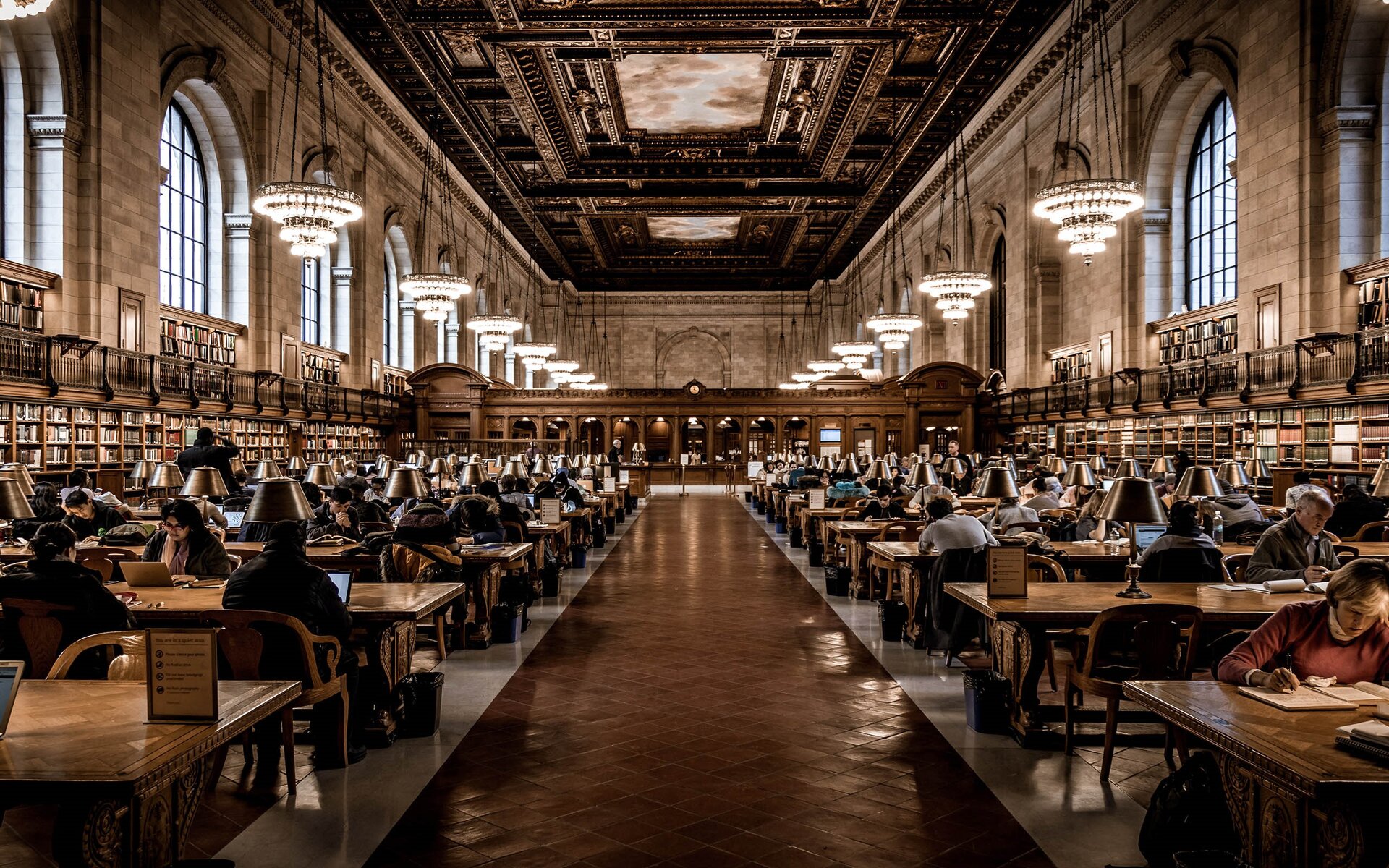
Study the text about why some students live on their school campuses and what boarding schools are all about. Then do the exercises below.
Living and Studying at a Boarding SchoolWhile we are quite used to going to school to gain knowledgegain knowledge and develop new skillsdevelop new skills, the idea of actually staying at school for most of our childhood and adolescence may seem shocking. Still, some students do live in schools where they study and boarding schools are still very popular in some cultures and societies.
Boarding schools, whose name refers to “board”, a set of meals offered to students in addition to education and lodgingeducation and lodging, started appearing around 1,000 years ago when the number of educational institutions was small and it wasn’t possible for most students to travel to their lessons every day. The first boarding schools, like most education, were only available to children of affluentaffluent parents, often being a part of the aristocracy or wealthy merchants. Gradually, they became more accessible to regular peopleaccessible to regular people, although some remained quite elite and selective in their recruitment processselective in their recruitment process. Also, certain specialised boarding schoolsspecialised boarding schools exist, which shape their curriculumshape their curriculum according to the particular needs of their studentsparticular needs of their students. Such are international language schoolsinternational language schools, where students live and master a foreign tongue, taking advantage of the surrounding society speaking the language.
Students of boarding schools, often referred to as “boardersboarders”, spend most weekdays on their campuses, attending lessons in the school building, and spending afternoons and nights at dormitoriesdormitories. DormsDorms are usually supervised by adult tutorsadult tutors, sometimes called matronsmatrons. Other schools have a resident family living at the dorm complexdorm complex, called dorm parentsdorm parents. In addition to adult supervision, some dorms assign certain privileges and responsibilities to older students, called monitors or prefects. Those are responsible for younger students and are expected to look after them outside of school hours. Often, groups of boarders form so‑called houseshouses, which compete with each other in a variety of activities and sports. All this aims at providing young people with a substitute for their family, whom they left behind and only travel to see at some weekends and during most holiday breaksholiday breaks. In addition to regular boarding students,regular boarding students, some schools allow day studentsday students, who live at homes with their families and only spend time at school during lessons and afternoon activities, usually taking advantage of all school meals, too.
Boarding school complexes consist of regular academic facilitiesacademic facilities, such as classrooms, laboratories, music halls, and gyms which are no different than in their day school counterpartsday school counterparts. In addition, they feature living areas for students. Dorms include shared bedrooms, bathrooms, and toilets, as well as dining rooms and cloakrooms. Also, many schools offer additional options of sport and entertainment facilities, such as swimming pools, sports fields, or theatres. Some provide a school chapelschool chapel for students and staff to use for their religious practices. Numerous boarding schools require a dress codedress code that students must adhere toadhere to. School uniforms are not uncommon, as well as military outfits in schools affiliated with the armyschools affiliated with the army.
Are boarding schools a thing of the past? They are certainly less common in most areas of the world than they used to be a century or two ago. Still, in many countries, boarding schools are considered centres of socialisationcentres of socialisation, where students enter independent lives and learn to rely on themselves. Also, many schools of this type are seen as an entry to social hierarchy and educate future presidents and prime ministers. The alumnialumni of these famous institutions are often referred to as the elite of the “old boy networkold boy network”. Often, boarding schools are simply convenient, as travelling to the nearest school and back every day is not feasible for students due to vast distances. Critics see educational institutions of these type as a source of unnecessary stress to younger students who get separated from their families and suffer from social detachmentsocial detachment. A term “boarding school syndromeboarding school syndrome” has been coined, referring to certain psychological disorders resulting from being sent to a boarding school at an early age. Whether or not boarding schools will continue to function in the future, or will become obsoleteobsolete, is yet to be seen.
Źródło: Marcin Legeżyński, licencja: CC BY-SA 3.0.
a) used to be popular, but are now obsolete.
b) are still favoured by many students from different countries.
c) always use extremely strict criteria in admitting new students.
2. Specialised boarding schools
a) all share the same standard programme of studies.
b) are only offered to students who want to join the army.
c) are an excellent option for foreign students willing to perfect a second language.
3. Boarding school students
a) all live on school campuses.
b) are sometimes allowed to live with their parents.
c) never visit their families during the school year.
4. Uniforms
a) are generally not required in boarding schools.
b) are only required in boarding military academies.
c) are a usual outfit of boarding school students.
5. Some critics
a) attribute certain problems to students’ stay at boarding schools.
b) argue that boarding schools should be banned as too expensive.
c) prove that schooling may not be favourable at an early age.
You are the author of a blog on education. Write a blog entry about boarding schools. In your blog entry:
write shortly what a boarding school is;
evaluate the advantages of a boarding school system;
explain why you think that boarding schools are not always the best choice for students.
Słownik
/ ˌækəˌdemɪk fəˈsɪlɪtɪz / / ˌækəˌdemɪk fəˈsɪlɪti /
infrastruktura akademicka [element infrastruktury akademickiej]
/ əkˈsesəbl̩ tu ˈreɡjʊlə ˈpiːpl̩ /
dostępne dla zwyczajnych ludzi [dostępny/dostępna dla zwyczajnych ludzi]
/ ədˈhɪə tuː /
stosować się do
/ ˈædʌlt ˈtjuːtəz / / ˈædʌlt ˈtjuːtə /
dorośli wychowawcy [dorosły wychowawca/ dorosła wychowawczyni]
/ ˈæfluənt /
zamożny/zamożna
/ əˈlʌmnaɪ / / əˈlʌmnəs / / əˈlʌmnə /
absolwenci [absolwent/absolwentka]
/ ˈbɔːdəz / / ˈbɔːdə /
uczniowie szkół z internatem [uczeń/uczennica szkoły z internatem]
/ ˈbɔ:dɪŋ sku:l ˈsɪndrəʊm /
syndrom szkoły z internatem
/ ˈbɔ:dɪŋ sku:lz / / ˈbɔ:dɪŋ sku:l /
szkoły z internatem [szkoła z internatem]
/ ˈsentəz əv ˌsəʊʃəlaɪˈzeɪʃn̩ / / sentər əv ˌsəʊʃəlaɪˈzeɪʃn̩ /
ośrodki socjalizacji [ośrodek socjalizacji]
/ ˈdeɪ sku:l ˈkaʊntəpɑːts / / ˈdeɪ sku:l ˈkaʊntəpɑːt /
odpowiedniki będące szkołami dziennymi [odpowiednik będący szkołą dzienną]
/ ˈdeɪ ˈstjuːdnts / / ˈdeɪ ˈstjuːdnt /
uczniowie dzienni [uczeń dzienny/ uczennica dzienna]
/ dɪˈveləp ˈnju: skɪlz /
rozwijać nowe umiejętności
/ ˈdɔːm ˈkɒmpleks /
zespół akademików
/ ˈdɔːm ˈpeərənts / / ˈdɔːm ˈpeərənt /
dorośli opiekunowie internatu [dorosły opiekun/ dorosła opiekunka internatu]
/ ˈdɔːmɪtr̩iz / / ˈdɔːmɪtr̩i /
internaty [internat]
/ ˈdɔːmz / / ˈdɔːm /
potocznie: internaty [internat]
/ ˈdres kəʊd /
normy ubioru
/ ˌedʒʊˈkeɪʃn̩ ənd ˈlɒdʒɪŋ /
edukacja i zakwaterowanie
/ ɡeɪn ˈnɒlɪdʒ /
zdobywać wiedzę
/ ˈhɒlədi breɪks / / ˈhɒlədi breɪk /
przerwy wakacyjne [przerwa wakacyjna]
/ ˈhaʊzɪz / / ˈhaʊs /
tu: klany uczniowskie [klan uczniowski]
/ ˌɪntəˈnæʃn̩əl ˈlæŋɡwɪdʒ skuːlz / / ˌɪntəˈnæʃn̩əl ˈlæŋɡwɪdʒ skuːl /
międzynarodowe szkoły językowe [międzynarodowa szkoła językowa]
/ ˈmeɪtrənz / / ˈmeɪtrən /
tu: dorosłe opiekunki internatu [dorosła opiekunka internatu]
/ ˈɒbsəliːt /
przestarzały/przestarzała
/ əʊld ˌbɔɪ ˈnetwɜːk /
sieć znajomości wśród absolwentów elitarnej szkoły
/ pəˈtɪkjʊlə niːdz əv ðeə ˈstjuːdnts / / pəˈtɪkjʊlə niːd əv ðeə ˈstjuːdnts /
konkretne potrzeby swoich uczniów [konkretna potrzeba czyichś uczniów]
/ ˈreɡjʊlə ˈbɔ:dɪŋ ˈstjuːdnts / / ˈreɡjʊlə ˈbɔ:dɪŋ ˈstjuːdnt /
zwyczajni uczniowie szkoły z internatem [zwyczajny uczeń/ zwyczajna uczennica szkoły z internatem]
/ sku:l ˈtʃæpl̩ /
kaplica szkolna
/ sku:l ˈjuːnɪfɔːmz / / sku:l ˈjuːnɪfɔːm /
mundurki szkolne [mundurek szkolny]
/ skuːlz əˈfɪlieɪtɪd wɪð ði ˈɑːmi / / skuːl əˈfɪlieɪtɪd wɪð ði ˈɑːmi /
szkoły powiązane z wojskiem [szkoła powiązana z wojskiem]
/ sɪˈlektɪv ɪn ðeə rɪˈkruːtmənt ˈprəʊses /
stosujące wymagający, selektywny proces rekrutacji studentów
/ ʃeɪp ðeə kəˈrɪkjʊləm / / ʃeɪp wʌnz kəˈrɪkjʊləm /
kształtują swoją podstawę programową [kształtować swoją podstawę programową]
/ ˈsəʊʃl dɪˈtætʃmənt /
oderwanie społeczne
/ ˈspeʃəlaɪzd ˈbɔ:dɪŋ sku:lz / / ˈspeʃəlaɪzd ˈbɔ:dɪŋ sku:l /
wyspecjalizowane szkoły z internatem [wyspecjalizowana szkoła z internatem]
Źródło: GroMar Sp. z o.o., licencja: CC BY‑SA 3.0