bg‑azure

What classes do you have during the week? When do they start and end? Study the text in this section to learn about one student’s timetable.

Jakie lekcje masz w ciągu tygodnia? Kiedy się zaczynają i kończą? Przeczytaj tekst w tej sekcji, żeby dowiedzieć się, jak wygląda plan lekcji pewnego ucznia.
R1eBu5HHxOxvM
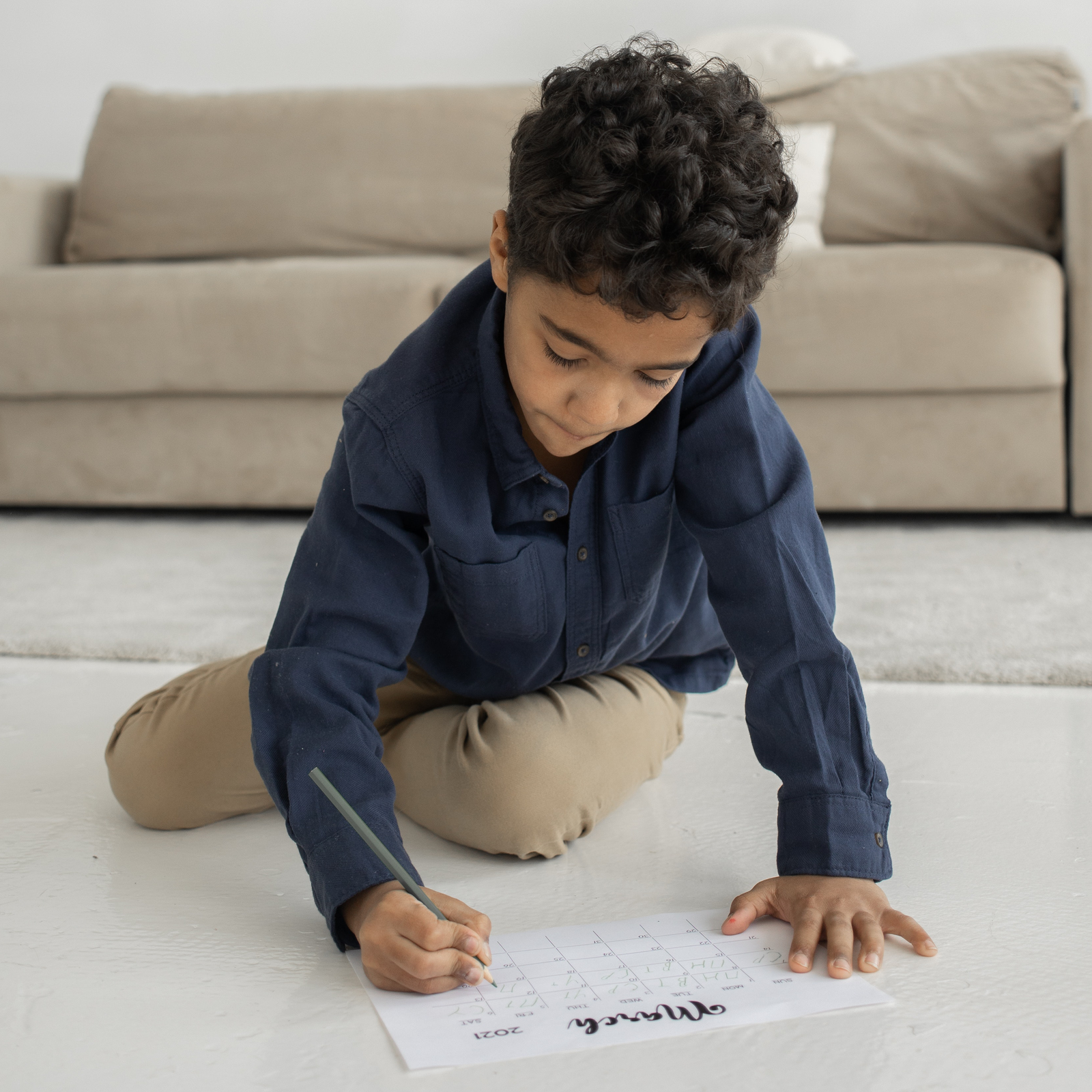
Martin’s school timetable changes a lot!
Plan lekcji Martina często się zmienia!
Źródło: dostępny w internecie: pexels.com [dostęp 27.11.2021], domena publiczna.
Exercise 1

Match the school subjects with their definitions.

Połącz nazwy przedmiotów szkolnych z ich definicjami.

Rvt1YAbJnJSbd
Art Możliwe odpowiedzi: 1. In this class you study the map., 2. In this class you count., 3. In this class you draw and paint., 4. In this class you do experiments., 5. In this class you learn about the past. Maths Możliwe odpowiedzi: 1. In this class you study the map., 2. In this class you count., 3. In this class you draw and paint., 4. In this class you do experiments., 5. In this class you learn about the past. Science Możliwe odpowiedzi: 1. In this class you study the map., 2. In this class you count., 3. In this class you draw and paint., 4. In this class you do experiments., 5. In this class you learn about the past. Geography Możliwe odpowiedzi: 1. In this class you study the map., 2. In this class you count., 3. In this class you draw and paint., 4. In this class you do experiments., 5. In this class you learn about the past. History Możliwe odpowiedzi: 1. In this class you study the map., 2. In this class you count., 3. In this class you draw and paint., 4. In this class you do experiments., 5. In this class you learn about the past.
Źródło: GroMar Sp. z o.o., licencja: CC BY-SA 3.0.
Exercise 1

Find the words listed below. Search up, down, forward, backward and on the diagonal to find the hidden words.

Znajdź wyrazy podane poniżej. Możesz ich szukać pionowo, poziomo, od góry do dołu, od dołu do góry oraz na ukos.

R1N2DTdgIH1nv
Źródło: GroMar Sp. z o.o., licencja: CC BY-SA 3.0.

Study the text about Martin’s school timetable. Then do the tasks below.

Przeczytaj tekst o planie lekcji Martina, a następnie wykonaj zadania.

Renata Nowakowska, Zuzanna Kościuk

Martin’s School Timetableschool timetableSchool Timetable

Every day is different at my school.

On Monday, I startstartstart lessons at eight o’clock. First, I have MathsMathsMaths and ArtArtArt. Art finishesfinishes [finish]finishes at twenty to ten. Then I've got GeographyGeographyGeography, EnglishEnglishEnglish and MusicMusicMusic. I finish school at a quarter to one.

On Tuesday, I have HistoryHistoryHistory at eight o’clock. At ten to nine, I start ChemistryChemistryChemistry and, then, I have PEPEPE, ICTICTICT and EnglishEnglishEnglish. I also finish school at a quarter to one.

I can sleep longerlongerlonger on Wednesday. I start at ten to nine with ScienceScienceScience. At half‑past nine, I have EnglishEnglishEnglish and PEPEPE. Then I have maths, geography and history. I finish school at ten to two.

On Thursday, I start at 8 a.m. and I have MusicMusicMusic. At ten to nine, I've got Science and EnglishEnglishEnglish. My lessons finish at half past ten. I finish very earlyearlyearly!

On Friday, I've got five lessons. I start at eight and finish at quarter to one. My lessons are BiologyBiologyBiology, Maths, Art, Music and Geography.

Martin

1 Źródło: Zuzanna Kościuk, Renata Nowakowska, licencja: CC BY-SA 3.0.
Exercise 2

Study the text and decide if the following sentences are true or false. 

Przeczytaj tekst, a następnie zdecyduj, czy podane zdania są prawdziwe, czy fałszywe.

RQv38JiSDsHta
  1. Martin has English classes every day. TRUEFALSE
  2. Martin always starts classes at 8 o’clock. TRUEFALSE
  3. Sometimes, Martin finishes at half past ten. TRUEFALSE
  4. On Wednesday, Martin starts with Science. TRUEFALSE
  5. Martin has got five classes on Friday. TRUEFALSE
Źródło: GroMar Sp. z o.o., licencja: CC BY-SA 3.0.
Exercise 3

Search for the information in the text and select correct endings to the sentences below.

Odszukaj informacje w tekście, a następnie dobierz prawidłowe zakończenia do podanych zdań.

RxoaXs3BDjafs
On Monday, Możliwe odpowiedzi: 1. I can sleep longer., 2. I have ICT and English., 3. I have Geography and Art., 4. I have Maths and Geography., 5. my lessons finish at half past ten. On Tuesday, Możliwe odpowiedzi: 1. I can sleep longer., 2. I have ICT and English., 3. I have Geography and Art., 4. I have Maths and Geography., 5. my lessons finish at half past ten. On Wednesday, Możliwe odpowiedzi: 1. I can sleep longer., 2. I have ICT and English., 3. I have Geography and Art., 4. I have Maths and Geography., 5. my lessons finish at half past ten. On Thursday, Możliwe odpowiedzi: 1. I can sleep longer., 2. I have ICT and English., 3. I have Geography and Art., 4. I have Maths and Geography., 5. my lessons finish at half past ten. On Friday, Możliwe odpowiedzi: 1. I can sleep longer., 2. I have ICT and English., 3. I have Geography and Art., 4. I have Maths and Geography., 5. my lessons finish at half past ten.
Źródło: GroMar Sp. z o.o., licencja: CC BY-SA 3.0.
Exercise 4

Based on the text, drag and drop the names of school subjects in the right places in the table.

Przeciągnij nazwy przedmiotów szkolnych, dopasowując je do dni tygodnia zgodnie z informacjami z tekstu.

R1CeaTjmxkDii
Monday Możliwe odpowiedzi: 1. Geography, 2. Music, 3. PE, 4. Geography, 5. ICT, 6. History, 7. Geography, 8. History, 9. Music, 10. English, 11. Art, 12. Maths, 13. English, 14. English, 15. Science, 16. PE, 17. Chemistry, 18. Maths, 19. Music, 20. Maths, 21. Art, 22. English, 23. Biology, 24. Science Tuesday Możliwe odpowiedzi: 1. Geography, 2. Music, 3. PE, 4. Geography, 5. ICT, 6. History, 7. Geography, 8. History, 9. Music, 10. English, 11. Art, 12. Maths, 13. English, 14. English, 15. Science, 16. PE, 17. Chemistry, 18. Maths, 19. Music, 20. Maths, 21. Art, 22. English, 23. Biology, 24. Science Wednesday Możliwe odpowiedzi: 1. Geography, 2. Music, 3. PE, 4. Geography, 5. ICT, 6. History, 7. Geography, 8. History, 9. Music, 10. English, 11. Art, 12. Maths, 13. English, 14. English, 15. Science, 16. PE, 17. Chemistry, 18. Maths, 19. Music, 20. Maths, 21. Art, 22. English, 23. Biology, 24. Science Thursday Możliwe odpowiedzi: 1. Geography, 2. Music, 3. PE, 4. Geography, 5. ICT, 6. History, 7. Geography, 8. History, 9. Music, 10. English, 11. Art, 12. Maths, 13. English, 14. English, 15. Science, 16. PE, 17. Chemistry, 18. Maths, 19. Music, 20. Maths, 21. Art, 22. English, 23. Biology, 24. Science Friday Możliwe odpowiedzi: 1. Geography, 2. Music, 3. PE, 4. Geography, 5. ICT, 6. History, 7. Geography, 8. History, 9. Music, 10. English, 11. Art, 12. Maths, 13. English, 14. English, 15. Science, 16. PE, 17. Chemistry, 18. Maths, 19. Music, 20. Maths, 21. Art, 22. English, 23. Biology, 24. Science
Źródło: GroMar Sp. z o.o., licencja: CC BY-SA 3.0.

GRAMATYKA

Określanie czasu

Określanie czasu w języku angielskim jest powiązane z następującymi konstrukcjami.

Pełne godziny

It’s + godzina + o’clock. Przykłady:

It’s five o’clock.Jest piąta.

It’s ten o’clock.Jest dziesiąta.

It’s three o’clock.Jest trzecia.

Half past wpół do

It’s + half past + godzina. Przykłady:

It’s half past five.Jest wpół do szóstej.

It’s half past ten.Jest wpół do jedenastej.

It’s half past three.Jest wpół do czwartej.

Uwaga! Zauważ, że wpół do ma inną konstrukcję w języku polskim niż w angielskim. W języku polskim mówimy, że zostało pół godziny do kolejnej pełnej godziny. W języku angielskim mówimy, że jest pół godziny po pełnej godzinie.

Quarter kwadrans

It’s + a quarter to/ a quarter past + godzina. Przykłady:

It’s a quarter past two. – Jest kwadrans po drugiej.

It’s a quarter to three. – Jest za kwadrans trzecia.

It’s a quarter past eight. – Jest kwadrans po ósmej.

Uwaga! Zapamiętaj różnicę między to a past. To oznacza „do”. Past oznacza „po”. To używamy przez 30 minut do pełnej godziny. Past używamy przez 30 minut po pełnej godzinie. Przykłady:

It’s five past 10.Jest pięć po dziesiątej.

It’s five to 10.Jest za pięć dziesiąta.

Ważne! W języku angielskim posługujemy się zegarem dwunastogodzinnym.

DOBRZE: It’s 5 o’clock.

ŹLE: It’s 17 o’clock.

1
Exercise 5

Translate the missing words to complete the gaps in the sentences below.

Przetłumacz brakujące wyrazy, żeby uzupełnić luki w poniższych zdaniach.

RlumWlDY64dTA
Źródło: GroMar Sp. z o.o., licencja: CC BY-SA 3.0.
Exercise 5

Match the clocks with the right hours.

Połącz zegary z odpowiednimi godzinami.

R1GjMfu9ti5aX
Źródło: dostępny w internecie: www.freepik.com [dostęp 6.11.2023], domena publiczna.

Słownik

Art
Art

/ ɑːt /

RClmUDdE9T3Mz1
Nagranie dźwiękowe

plastyka

R5Agt8hBSAJYz1
Nagranie dźwiękowe
begin
begin

/ bɪˈɡɪn /

R1DN4wKaEFJ0W1
Nagranie dźwiękowe

zaczynać

R1QzXS3V8jk6r1
Nagranie dźwiękowe
Biology
Biology

/ baɪˈɒlədʒi /

RgLTco5BywqNg1
Nagranie dźwiękowe

biologia

R1JmukufOGWrh1
Nagranie dźwiękowe
Chemistry
Chemistry

/ ˈkemɪstri /

R1T5iKbFovMkl1
Nagranie dźwiękowe

chemia

R12lvYk1Ebh511
Nagranie dźwiękowe
classes [class]
classes [class]

/ ˈklɑːsɪz / / klɑːs /

RpXWSw0QudjRE1
Nagranie dźwiękowe

zajęcia [lekcja]

RbbcOD6RQZMhx1
Nagranie dźwiękowe
early
early

/ ˌɜ:li /

RyubKhGQIibob1
Nagranie dźwiękowe

wcześnie

R1ckqEBZ1viMS1
Nagranie dźwiękowe
English
English

/ ˈɪŋɡlɪʃ /

R1IxiLhdL1wjm1
Nagranie dźwiękowe

język angielski

RzXKlYrDk6Iij1
Nagranie dźwiękowe
finishes [finish]
finishes [finish]

/ ˈfɪnɪʃɪz / / ˈfɪnɪʃ /

RQZRdywQWp1UA1
Nagranie dźwiękowe

kończy się [kończyć/kończyć się]

RucOVoDA1ocne1
Nagranie dźwiękowe
Geography
Geography

/ dʒɪˈɒɡrəfi /

RA66d4KfFFyln1
Nagranie dźwiękowe

geografia

RMd1lDIkgKuw71
Nagranie dźwiękowe
History
History

/ ˈhɪstr̩i /

R1dFCPR0l5pVR1
Nagranie dźwiękowe

historia

RUIQZUBDSxhLp1
Nagranie dźwiękowe
ICT
ICT

/ ʌɪsiːˈtiː /

R2U0Guam50ga31
Nagranie dźwiękowe

informatyka

RdgdjShpjttAs1
Nagranie dźwiękowe
longer
longer

/ ˈlɒŋɡə /

RV7ptgtH4mfH31
Nagranie dźwiękowe

dłużej

RpNtVcQPYlL3E1
Nagranie dźwiękowe
Maths
Maths

/ mæthetas /

R1O00ikRd4xe11
Nagranie dźwiękowe

matematyka

R1aC7jc1TT5Fi1
Nagranie dźwiękowe
Music
Music

/ ˈmjuːzɪk /

R1FSyeIJ1dc4g1
Nagranie dźwiękowe

muzyka

Rk8rT0aHG5up01
Nagranie dźwiękowe
PE
PE

/ ˌpiːˈiː /

R1D7nwDRcvvS11
Nagranie dźwiękowe

wychowanie fizyczne

R1YUnyzaGJtE11
Nagranie dźwiękowe
school timetable
school timetable

/ sku:l ˈtaɪmˌteɪbl̩ /

R1JKeFQv1AD2e1
Nagranie dźwiękowe

plan lekcji

R1HHUOVQ3KO6N1
Nagranie dźwiękowe
Science
Science

/ ˈsaɪəns /

RCEkL97uBQZTl1
Nagranie dźwiękowe

nauki przyrodnicze, przyroda

R1HCfAGJ6vxD31
Nagranie dźwiękowe
start
start

/ stɑːt /

R5T3M5hEtNPNL1
Nagranie dźwiękowe

zaczynać

RnLudJ8xdVj2T1
Nagranie dźwiękowe

Źródło: GroMar Sp. z o.o., licencja: CC BY‑SA 3.0

RQON0qUiZOFaS
(Uzupełnij).
Źródło: GroMar Sp. z o.o., licencja: CC BY-SA 3.0.