Przeczytaj
Epidemics and pandemics have accompanied mankind since the beginning of time. SARS, MERS, COVID‑19, ebola, the plague, tuberculosis, polio, or leprosy to name just a few. Some of them were viral, others bacterial. The might of humankind seems to mean nothing in the clash with the smallest enemies we can imagine. How much do you know about deadly pandemics which have decimated mankind over centuries? Do we have any means to protect ourselves from them? Read about three outbreaks mankind has experienced.
Epidemie i pandemie towarzyszyły ludziom od zarania dziejów. SARS, MERS, Covid‑19, ebola, dżuma, zapalenie płuc, polio czy trąd to tylko kilka przykładów. Niektóre z nich są pochodzenia wirusowego, inne są powodowane przez bakterie. Potęga ludzkości wydaje się przegrywać w starciu z naszymi najmniejszymi wrogami. Czy wiesz, które pandemie w historii zdziesiątkowały ludzkość? Czy mamy środki, aby się przed nimi chronić? Przeczytaj tekst o trzech wybuchach chorób, których doświadczyła ludzkość.
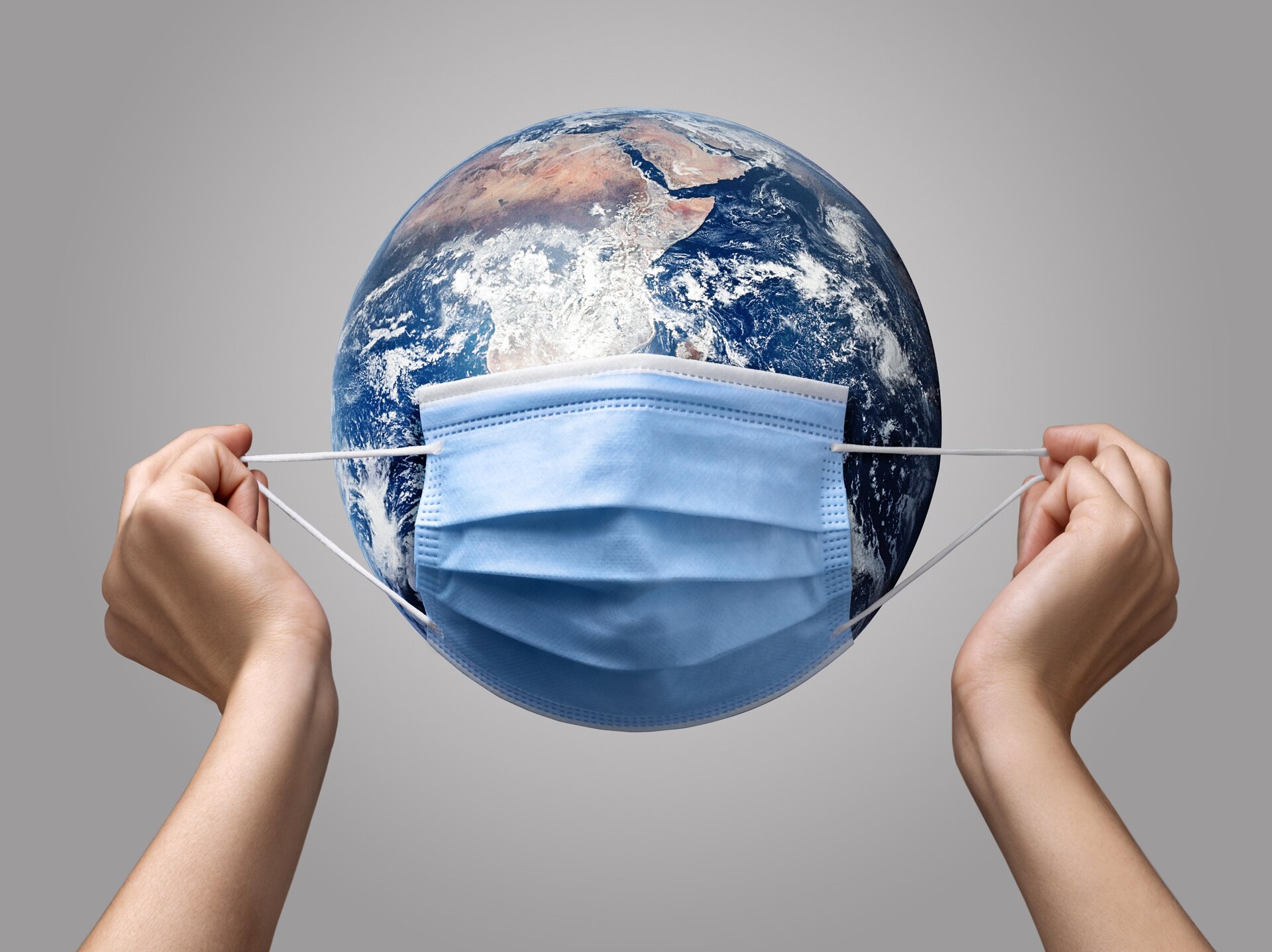
Read the text and find out what diseases are responsible for some of the most deadly outbreaks.
Three Riders of the ApocalypseThe difference between an epidemicepidemic and pandemicpandemic is a matter of scale. While the first one affects a community or population residing in a given region, the latter has a much more global reach. A pandemic spreads over many countries or continents. Scientists also use the term outbreakoutbreak to refer to the situations of a more significant than usual increase in the number of cases of a given disease. These are usually controlled quickly, as otherwise they may easily become epidemics or even pandemics.
COVID‑19
The first cases of the novel human coronavirus disease were reported in December 2019 in Wuhan, China. It was a new addition to the family of coronaviruses quite well known to scientists. SARS and MERS belong to the same category of viruses and we experienced the epidemics of those viruses in Asia in 2002 and 2012 respectively. In March 2020 the WHO officially declared COVID‑19 a pandemic. What’s interesting is that the first human trialshuman trials of an mRNA vaccine started at the same time. The virus caused global chaos. Many countries decided to introduce strict lockdownsintroduce strict lockdowns which affected supply chainssupply chains and wreaked havocwreaked havoc across many branches of the economy. Some countries, such as Sweden, applied a different strategy and tried to achieve herd immunityachieve herd immunity by allowing people to take their own decisions about social distancingsocial distancing and prevention measuresprevention measures. One of the challenges of this disease was the fact that many carrierscarriers were asymptomaticasymptomatic and did not even know that they were transmitting the virus to other members of the community. Thanks to the combined effort of pharmaceutical companiespharmaceutical companies from a few countries, vaccinationsvaccinations were developed, tested, and ready to use in under 9 months. They started to be distributed in December 2020. Until April 2022, COVID‑19 killed 6.22 million people worldwide from over 508 million infected.
By the time HIV, which is an acronym for human immunodeficiency virushuman immunodeficiency virus, was named by epidemiologists in the early 1980s, it had been spreading for at least 50 years. It is believed that it comes from West Africa where it transferred from chimpanzees to humans through the contact with monkeys’ infected blood during hunting. When doctors started reporting more and more cases of unusual cases of pneumoniapneumonia, cancer, and some other diseases, scientists looked into those situations more closely and identified a new virus, which caused AIDS, Acquired Immune Deficiency Syndrome. In the following years scientists discovered that the virus can be transmitted through sexual contacts, contact with infected blood, and from mother to child from breastfeedingbreastfeeding. The WHO recognised the seriousness of the problem by declaring AIDS to be a pandemic. In 1999 it was the 4th biggest cause of death worldwide. Scientists have been working hard on treatments and vaccinations for AIDS. It is estimated that there are a little under 38 million people living with HIV all over the world nowadays. 75% of them use ART, which is the antiretroviral therapyantiretroviral therapy, which allows one to have a relatively normal life.
Bubonic plague
Bubonic plagueBubonic plague, also referred to as the Black Death, was a pandemic which is believed to have arrived in Europe in the mid‑1300s and over the 5 years which followed, it wiped outwiped out 20 million people, which at the time was one‑third of the continent’s population. We know that before it appeared in Europe, it was present in China, India, and Egypt. The plague is a contagious bacterial diseasecontagious bacterial disease. It has a 7‑day incubation periodincubation period after which an infected person’s lymph nodeslymph nodes swell and subsequently start to bleed and seep puspus. A patient suffers aches, fever, vomiting, and shortly after that dies. 14th century Europe was hardly ready to handle such an outbreak. They knew next to nothing about the mechanisms of infection. Now we know that it is transmitted by infected fleasfleas and rats as well as from person to person through the air. People tried to isolate themselves from the infected ones by escaping cities and moving to the countryside. That, unfortunately, did not help much, as the disease also affected cattle and poultry. Many believed that it was God's punishment. Because the disease was mostly spread from city to city by ships carrying sailors, they were not allowed to leave their ships for forty days until it was clear that they were healthy and could enter the city, which is the origin of the word quarantinequarantine.
As one can notice, pandemics have always been a part of human history. While deadly and terrifying, often leading to economic breakdowns and falls of political regimes, they also led to many scientific discoveries. It's thanks to them humans have learned how to stop new pandemics from occurring and keep the emerging ones under control.
Źródło: Anna Posyniak‑Dutka, licencja: CC BY-SA 3.0.
Read the questions below and choose the right answers. Only one answer is correct in each question.
- What’s interesting is that the first human trials of an mRNA vaccine started at the same time.
clinical tests with the participation of people. court hearings - Many countries decided to introduce strict lockdowns which affected supply chains.
familiarise people with new regulations implement severe restrictions - Sweden applied a different strategy and tried to achieve herd immunity.
make the majority of people immune to the disease. succeed in experimenting on herds of animals. - It has a 7-day incubation period.
quarantine phase between infection and appearance of first symptoms - The plague is a contagious bacterial disease.
infectious illness caused by bacteria congenital condition resulting from a bacterial infection
Answer the questions in 4–5 sentences each.
Do you think that Sweden made the right decision in their approach to Covid‑19? Why? Why not?
What should be done to increase people's awareness about HIV/AIDS?
What is the difference between an epidemic, pandemic, and outbreak according to the text?
Słownik
/ əˈtʃiːv hɜːd ɪˈmjuːnɪti /
osiągnąć odporność stadną
/ eɪdz / / əˈkwaɪəd ɪˈmjuːn dɪˈfɪʃnsi ˈsɪndrəʊm /
AIDS [zespół nabytego niedoboru odporności]
/ æn.tiˌret.rəʊˈvaɪə.rəl ˈthetaerəpi /
terapia antyretrowirusowa
/ ˌeɪsɪmptəˈmætɪk /
bezobjawowy/bezobjawowa
/ ˈbrestfiːdɪŋ /
karmienie piersią
/ bjuːˈbɒnɪk pleɪɡ /
dżuma
/ ˈkærɪəz / / ˈkærɪə /
nosiciele [nosiciel/nosicielka]
/ kənˈteɪdʒəs bækˈtɪəriəl dɪˈziːz /
zaraźliwa choroba bakteryjna
/ ˌepɪˈdemɪk /
epidemia
/ fliːz / / fliː /
pchły [pchła]
/ ˌeɪtʃ.aɪˈvi / / ˈhjuːmən ɪˌmjuːnəʊdɪˈfɪʃnsi ˈvaɪərəs /
HIV [ludzki wirus niedoboru odporności]
/ ˈhjuːmən ˈtraɪəlz / / ˈhjuːmən ˈtraɪəl /
testy kliniczne [test kliniczny]
/ ˌɪnkjʊˈbeɪʃn̩ ˈpɪərɪəd /
okres inkubacji
/ ˌɪntrəˈdjuːs strɪkt ˈlɑːkˌdaʊns / / ˌɪntrəˈdjuːs ə strɪkt ˈlɑːkˌdaʊn /
wprowadzić restrykcyjne lockdowny [wprowadzić restrykcyjny lockdown]
/ lɪmf nəʊdz / / lɪmf nəʊd /
węzły chłonne [węzeł chłonny]
/ ˈaʊtbreɪks / / ˈaʊtbreɪk /
wybuchy [wybuch] (epidemii)
/ pænˈdemɪk /
pandemia
/ ˌfɑːməˈsjuːtɪkl̩ ˈkʌmpənɪz / / ˌfɑːməˈsjuːtɪkl̩ ˈkʌmpəni /
firmy farmaceutyczne [firma farmaceutyczna]
/ njuːˈməʊniə /
zapalenie płuc
/ prɪˈvenʃn̩ ˈmeʒəz / / prɪˈvenʃn̩ ˈmeʒə /
środki zapobiegawcze [środek zapobiegawczy]
/ pʌs /
ropa
/ ˈkwɒrəntiːn /
kwarantanna
/ ˈsəʊʃl ˈdɪstənsɪŋ /
dystans społeczny
/ səˈplaɪ tʃeɪnz / / səˈplaɪ tʃeɪn /
łańcuchy dostaw [łańcuch dostaw]
/ ˌvæksɪˈneɪʃn̩z / / ˌvæksɪˈneɪʃn̩ /
szczepionki [szczepionka]
/ waɪpt ˈaʊt / / waɪp ˈaʊt /
zmiótł/zmiotła z powierzchni ziemi [zmieść z powierzchni ziemi]
/ riːkt ˈhævək / / riːk ˈhævək /
wprowadziło chaos [wprowadzać chaos, siać spustoszenie]
Źródło: Contentplus Sp. z.o.o., licencja: CC BY‑SA 3.0