Przeczytaj
You probably know what AI, or artificial intelligence, is. But have you heard of IoT, edge computing or computer vision? All these are used by modern armies. Read the text to find out how different technological advancements can help on the battlefield.
Zapewne wiesz, czym charakteryzuje się sztuczna inteligencja. Ale czy masz świadomość, czym są Internet Rzeczy, przetwarzanie brzegowe lub widzenie komputerowe? Na poniższym rysunku widać, w jaki sposób wojsko może wykorzystywać nowoczesne technologie. Przeczytaj tekst, aby dowiedzieć się, jak postęp technologiczny może pomóc na froncie.
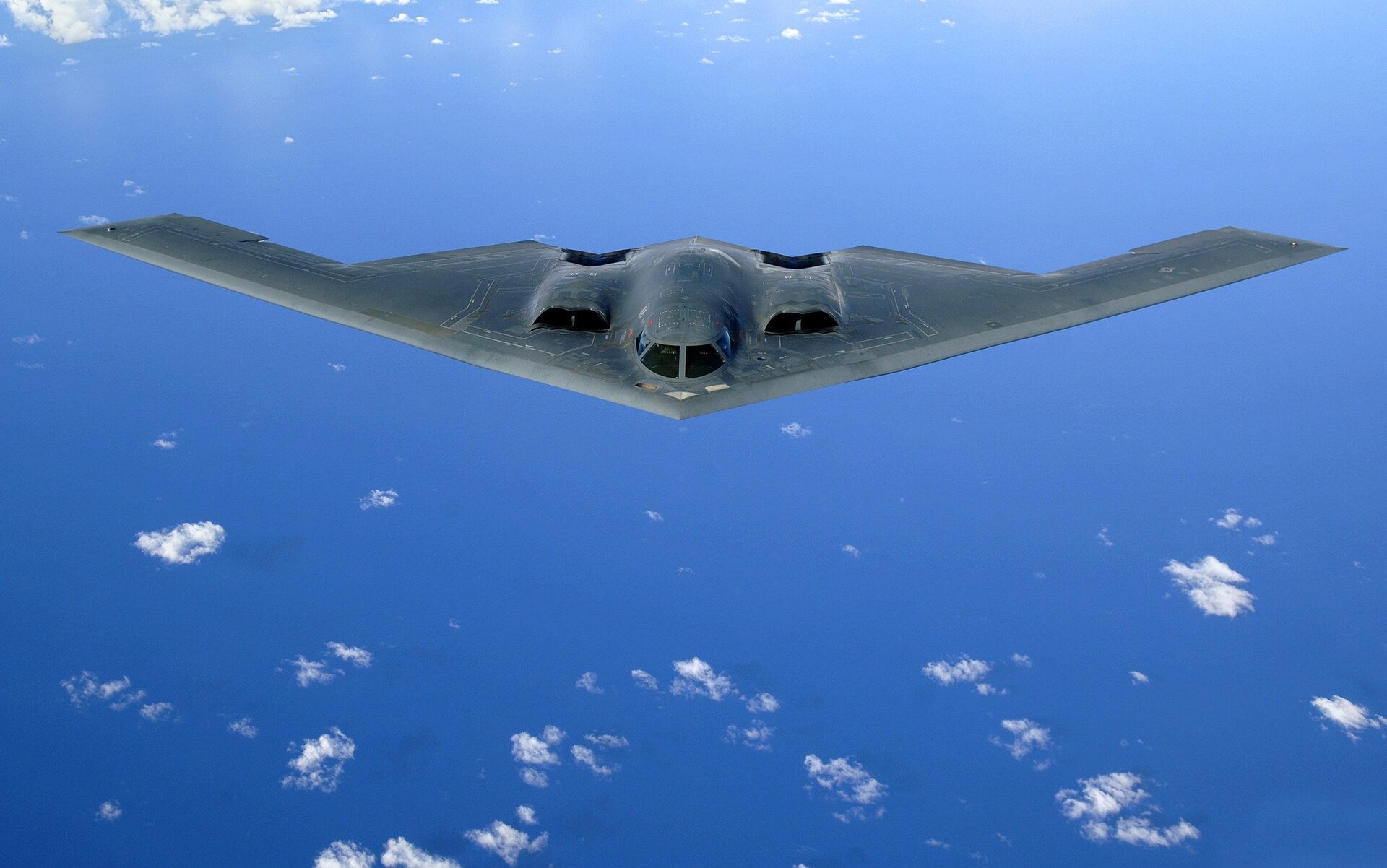
Match the words with their translations.
b) Artificial intelligence, robots, and the internet of things are not the only developments in military technology.
c) Nanotechnology, brain-computer interfaces, and space militarisation have revolutionised military technology.
Military TechnologyThe global military industry is undergoing considerableconsiderable changes and utilisingutilising technological developments to enhanceenhance military capabilities. There have been major advancementsadvancements that improve defence operations and boostboost military effectiveness. These include artificial intelligence (AI), robotics, and the Internet of Things (IoT)Internet of Things (IoT). However, the above‑mentioned technologies only scratch the surfacescratch the surface of future developmentsdevelopments in nanotechnology, brain‑computer interfaces, or space militarisation.
Four characteristics of the battlefieldbattlefield are evolving as a result of new military technology trends. They are: connectivity, lethalitylethality, autonomy, and sustainabilitysustainability. Solutions concerning how soldiers identify and locate their enemies, communicate with one another, and manage operations are addressed through developments in connectivity. The effectiveness of warfare operationswarfare operations is increased by advances in missilemissile and weaponryweaponry systems that boost lethality. Soldiers employemploy robots and AI to make choices with minimal human influence. Last but not least, military companies are enhancing sustainability in the military industry using technologies like 3D printing.
The use of AI in defence improves military computing thinking for intelligenceintelligence, surveillancesurveillance, and reconnaissancereconnaissance tasks. The use of autonomous weapon systems and equipment safety management with the use of computer visioncomputer vision reduces the number of soldiers casualtiescasualties. Robots are becoming more crucial to ensuring freedom of movement and mission success with the least amount of risk to military personnel. The usage of drones improves situational awarenessawareness on the battlefield. Additionally, multi‑mission robots make it easier to clear landmineslandmines, conductconduct search and rescue missions, destroy explosivesexplosives, and provide logistical assistance.
Good examples of IoT applications in the military industry are connecting ships, planes, tankstanks, drones, troopstroops, and operational bases in a coherentcoherent network . This improves perceptionperception, situational awareness, and reaction time. What is more, the IoMT (Internet of Military Things) collects a range of biometric databiometric data using sensing and processing technology that troops wear and that is integrated into their geargear. Modern solutions such as edge computingedge computing, AI, and 5G enable the seamlessseamless exchange of data across all military branches. These technologies also improve the command and control system. Edge computing for example, allows troops to gain insightsgain insights in remote areas with limited connection. It is possible for soldiers to use sensitive information such as weather data, machine performance data, and other data to make quick and accurate decisions.
For defencedefence equipment to function better in terms of speed, capacitycapacity, and fuel usage, weight reduction is essential. When compared to conventional manufacturing, 3D printing uses a lot less material to produce components and pieces. It also easeseases the logistical strain by lowering manufacturing costs and enabling localised, on‑demandon‑demand production. Additionally, it makes it easier to combine innovative materials to make armourarmour, other military gear, and ammunitionammunition.
It is crucial to understand that new military technologies are causing the face of war to change dramatically. One thing is clear, these changes will significantly affectaffect how military operations will be performed in the future. However, will this make our world safer? No one knows.
Źródło: Dorota Giżyńska , licencja: CC BY-SA 3.0.
a) decrease the effectiveness of warefare operations.
b) send robots instead of soldiers to fight in the battlefield.
c) increase the number of soldiers who survive war operations.
2. Military robots are helpful in
a) enabling the military personnel to take risks.
b) taking all decisions for soldiers.
c) performing dangerous military tasks.
3. Edge computing
a) uses soldier’s biometric data.
b) improves reaction time.
c) is part of a soldier’s gear.
4. In military industry, 3D printing
a) increases the costs of production.
b) makes it possible to produce military parts in the war zone.
c) makes military equipment a lot heavier.
5. Which sentence best describes the author’s attitude to military technology?
a) He/she is a little bit afraid of the development and what it will bring.
b) He/she is sure that the military advancements will bring more peace.
c) He/she gives an objective view of the development of the technology.
2. Generally speaking, developments in military technology help to utilise boost effectiveness.
3. New military trends will definitely increase sustainability lethality of troops.
4. Secret information about the enemy was collected thanks to our intelligence perception group. That’s what it was trained for.
5. Robots are used in the military to destroy casualties landmines.
6. Armour and weaponry are types of defence seamless equipment.
Answer the questions. Write 2–3 sentences for each point.
Which technological development described in the text seems to be the most interesting? Why?
Which technological innovation mentioned in the text is used to reduce the costs of manufacturing military equipment? How is it achieved?
Do you think that military advancements will make the world safer or more dangerous? Why?
Słownik
/ ədˈvɑːnsmənts / / ədˈvɑːnsmənt /
osiągnięcia [osiągnięcie] (technological progress or improvements)
/ əˈfekt /
wpływać na coś (to influence or impact something or someone)
/ ˌæmjuˈnɪʃn̩ /
amunicja (explosives used in firearms)
/ ˈɑːmə /
zbroja (protective covering for the body or vehicles)
/ əˈweənəs /
świadomość (knowledge or understanding of a situation or fact)
/ ˈbætlfiːld /
pole walki (an area where an armed conflict or military operations take place)
/ ˌbaɪəʊˈmetrɪk ˈdeɪtə /
dane biometryczne (body measurements, facial images of fingerprint data)
/ buːst /
zwiększać (to increase or improve)
/ kəˈpæsɪti /
wydajność (the ability to hold, contain, or perform a task)
/ ˈkæʒʊəltɪz / / ˈkæʒʊəlti /
ofiary [ofiara] (people injured or killed in a conflict or accident)
/ kəˈhɪərənt /
spójny/spójna (logical, consistent, and clear)
/ kəmˈpjuːtə ˈvɪʒn̩ /
widzenie komputerowe (a field of artificial intelligence that enables computers and systems to derive meaningful information from digital images, videos, and other visual inputs)
/ kənˈdʌkt /
przeprowadzać (to carry out or perform)
/ kənˈsɪdərəbl̩ /
znaczny/znaczna (significant or substantial in amount or degree)
/ dɪˈfens /
obrona (protection against attack or harm)
/ dɪˈveləpmənts / / dɪˈveləpmənt /
osiągnięcia [osiągnięcie] (progress or advancements in a particular field)
/ ˈiːzɪz / / iːz /
ułatwia [ułatwiać] (to make something less difficult or burdensome)
/ edʒ kəmˈpjuːtɪŋ /
przetwarzanie brzegowe (a computing paradigm that brings computation and data storage closer to the sources of data)
/ ɪmˈploɪ /
tu: stosować (to use or engage in a task or occupation)
/ ɪnˈhɑːns /
ulepszać (to improve or augment the quality or performance)
/ ɪkˈspləʊsɪvz / / ɪkˈspləʊsɪv /
ładunki wybuchowe [ładunek wybuchowy] (substances that can rapidly release energy)
/ ɡeɪn ˈɪnsaɪts / / ɡɪv ən ˈɪnsaɪt /
zyskać szersze spojrzenie na coś [dać szersze spojrzenie na coś] (to obtain valuable information or understanding)
/ ɡɪə /
sprzęt, wyposażenie (equipment that is used for a particular purpose)
/ ɪnˈtelɪdʒəns /
tu: wywiad wojskowy (the information and knowledge about strategic places or important people obtained by military agents)
/ ˈɪntənet əv ˈthetaɪŋz /
Internet Rzeczy (objects with computing devices in them that are able to connect to each other and exchange data using the internet)
/ ˈlændmaɪnz / / ˈlændmaɪn /
miny lądowe [mina lądowa] (explosive devices placed on or under the ground)
/ liˈthetaæləti /
śmiertelność (the capability to cause death or serious injury)
/ ˈmɪsaɪl /
pocisk (a self‑propelled projectile intended to hit a target)
/ ˈɒn dɪˈmɑːnd /
na żądanie (available immediately or when requested)
/ pəˈsepʃn̩ /
widzenie, postrzeganie (the ability to interpret or understand sensory information)
/ rɪˈkɒnɪsəns /
rozpoznanie, zwiad (gathering of information about an enemy or area)
/ ˈskrætʃ ðə ˈsɜːfɪs /
tu: być namiastką, dawać przedsmak, zarysować możliwości (deal with only a small part of the subject)
/ ˈsiːmləs /
tu: bez zakłóceń (smooth and continuous without interruption or difficulty)
/ sɜːˈveɪləns /
nadzór, obserwacja (monitoring or observation of people or places)
/ səˈsteɪnəbl̩ /
kontynuacja (the ability to be maintained or continued over time)
/ tæŋks / / tæŋk /
czołgi [czołg] (armoured vehicles with tracks and heavy firepower)
/ truːps / / truːp /
oddziały wojskowe [oddział wojskowy] (armed forces personnel or soldiers)
/ ˈjuːtɪlaɪzɪŋ / / ˈjuːtɪlaɪz /
stosując [stosować] (to making use of or employing something effectively)
/ ˈwɔːfeər ˌɒpəˈreɪʃn̩z / / ˈwɔːfeər ˌɒpəˈreɪʃn̩ /
działania wojenne [operacja wojskowa] (military activities or actions in a conflict)
/ ˈwepənri /
broń (weapons collectively or specific types of weapons)
Źródło: GroMar Sp. z o.o., licencja: CC BY‑SA 3.0