Przeczytaj
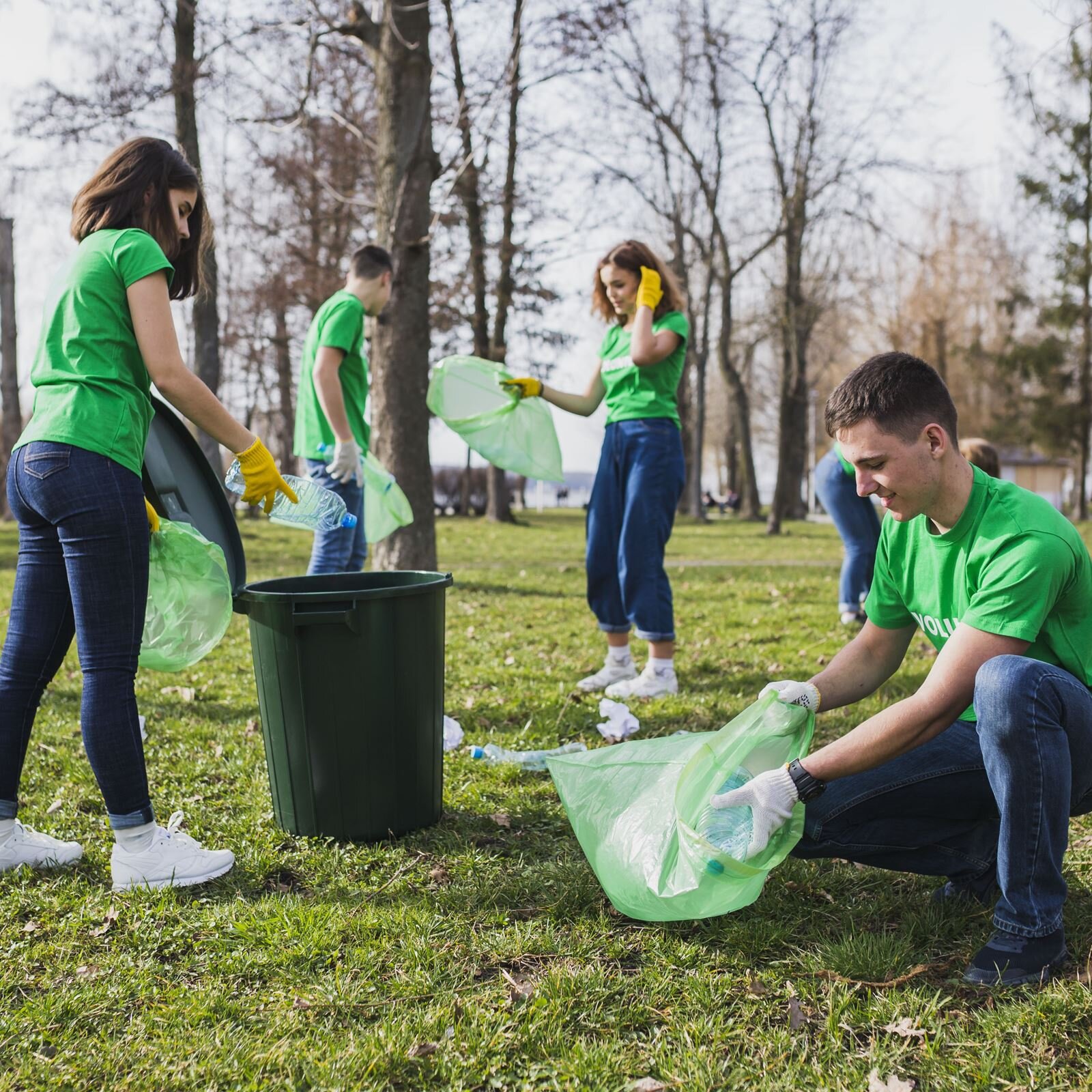
Everyone has something good inside them. When we decide to help others, we soon realise that we get more than we have given. Have you ever thought of becoming a volunteer? What would be the advantages of that? Read the text to check it out.
W każdym z nas tkwi dobro. Gdy decydujemy się komuś pomóc, szybko zdajemy sobie sprawę z tego, że więcej do nas wraca, niż zostało przez nas dane. Czy rozważałeś/rozważałaś kiedyś zostanie wolontariuszem/wolontariuszką? Jakie byłyby z tego korzyści? Przeczytaj tekst i się przekonaj.
Match the words with their definitions.
Połącz wyrazy z definicjami.
Read the text about various ways of volunteering and do the exercises.
Przeczytaj tekst o różnych rodzajach wolontariatu, a następnie wykonaj ćwiczenia.
Volunteering - a Tough Nut to Crack?1.
If an earthquake, flood, or war suddenly strikes your country, there are a number of organisations that will offer humanitarian aidhumanitarian aid. AltruismAltruism motivates acts of help in times of crisisin times of crisis or military conflictmilitary conflict, so that we can always count on others when we are in needin need. Bringing reliefrelief in times of war or natural disastersnatural disasters is the most extreme case of help, and volunteers often risk their own lives in an efforteffort to save others. In order to become such a volunteer you need to be an adult, because only adults can take such life‑threatening riskslife‑threatening risks. However, this doesn’t mean that younger people can’t become volunteers when it comes to charity. After all, you don’t have to be an adult or work for a public servicepublic service to help others. Actually, it’s an activity that you do every day, at any age.
2.
Obviously, you could ask yourself the question, “Why bother in the first place?” There are dozens of other ways to spend your free time than helping others. That is true. However, research carried out on hundreds of volunteers shows that volunteering is mutually beneficialmutually beneficial. According to the United Nations Volunteers (UNV) programme, volunteers can benefit frombenefit from participating in charitablecharitable activities in many ways that improve their health and wellbeing. It has even been observed that volunteering helps to reduce your social isolation and improve skills such as cooperationcooperation with others, patience, and conflict solving. What is more, the British Youth Council organisation lists improving your self‑worth and building confidence as other common benefits of volunteering. In fact, your teenage years might actually be the best time to learn about global issues and make a positive impact onmake a positive impact on the world. By joining a volunteer programme, you can gain practical experience and cultural sensitivity that you would probably never gain in the classroom.
3.
There’s no denying that most of the charitycharity happening around the world is about money. Money is the problem‑solver so most of the actions organised by any foundationfoundation around the world serve to raise moneyraise money. In such a case, the volunteer’s job is to ask people, companies, and institutions to make a contributionmake a contribution to a charitable cause. Companies can also contributecontribute in other financial ways. Instead of giving money to a charity, they often decide to sponsorsponsor a particular event or person. This way, they control where their donationdonation goes and which cause or person they supportsupport. Obviously, generousgenerous sponsorshipssponsorships don’t go without a trace. You can often see a sponsor’s logo or a banner with the company name and contact details hung somewhere during a sponsored event. So, many companies sponsor athletes and events in order to promote their business on the market. Another win‑win situationwin‑win situation!
4.
Nowadays, fundraisingfundraising has become much simpler thanks to the internet. You don’t even have to leave home to find the right charity and provide supportprovide support. Every foundation and charity have their own website on which you can make a donationmake a donation. There are also social media sites that help to promote fundraising campaigns. Actually, networking on social media has led to the development of grassroots fundraisinggrassroots fundraising, the quickest way to raise and donatedonate money. In this peer‑to‑peerpeer‑to‑peer movement, single donors have taken over the initiative of raising money and the activity happens mostly through a network of friends, or family and business contacts. To collect as much money as it’s possible, they simply share fundraising activities by posting information on their walls and everyone can make a donation with the click of a mousewith the click of a mouse. This, too, works both ways. If your family or friends need help, they can also start a fundraiserfundraiser on one of the crowdfundingcrowdfunding sites and gather smaller amounts of money from a large number of people who will definitely feel sympathy forfeel sympathy for them and pay. GenerosityGenerosity, like altruism, has no limits.
5.
To sum up, there are many ways in which you can fulfil your civic dutycivic duty and volunteervolunteer. You don’t even have to be a member of any organisation to help others. Many of us help our elderly neighbours walk their dogs, do the shopping, or assembleassemble a new chest of drawers. These acts often mean more than paying money and prove that you develop empathyempathy for other people’s situations. So, it’s up to you to decide how you help, what is important is that you do it.
Źródło: Daria Wieliczko, licencja: CC BY-SA 3.0.
Read the text again and match the headings to paragraph sections 1–5.
Przeczytaj tekst ponownie i dopasuj odpowiedni nagłówek do każdego z akapitów 1–5.
Read the text again and decide if the following sentences are true or false.
Przeczytaj tekst, a następnie zdecyduj, czy podane zdania są prawdziwe, czy fałszywe.
TRUE FALSE
2. Raising money in a peer-to-peer network means you don’t need a foundation to start a fundraiser
TRUE FALSE
3. There are two main reasons why companies decide to sponsor sports events.
TRUE FALSE
4. The British Youth Council advises against volunteering if you are starting your work experience.
TRUEFALSE
5. Foundations get most of their donations through their own websites.
TRUE FALSE
6. Being a volunteer doesn’t improve your health.
TRUE FALSE
7. Companies pay both big and small amounts of money for charity
TRUE FALSE
8. Adult volunteers sometimes put their lives at risk when saving others.
TRUE FALSE
Translate the missing words or phrases to complete the gaps in the text. Then, read the article again and check your spelling.
Przetłumacz wyrazy i wyrażenia z nawiasów, żeby uzupełnić luki w tekście. Następnie ponownie przeczytaj artykuł i sprawdź, czy zastosowałeś/zastosowałaś poprawną pisownię.
GRAMATYKA
CLAUSES of PURPOSE and CALUSES of REASON
ZDANIA OKOLICZNIKOWE CELU oraz ZDANIA OKOLICZNIKOWE PRZYCZYNY
Zdania okolicznikowe celu wyrażają po co coś robimy.
Zdania okolicznikowe przyczyny wyrażają dlaczego coś robimy.
Cel możemy wyrazić na kilka sposobów. Oto niektóre w nich:
to + infinitive
I became a volunteer to help people in need.
Sometimes volunteers risk their lives to save the lives of other people.in order (not) to + infinitive (trochę bardziej formalne)
You have to be an adult in order to become a volunteer in a humanitarian organisation.
You have to be very careful in order not to get injured when you practice sports.in case (dla teraźniejszości) in case + zdanie
I’m taking a paper map in case my phone loses signal.
We always buy holiday insurance in case we have an accident.for + noun
We're going to an Italian restaurant for lunch.
Przyczynę również możemy wyrazić na kilka sposobów. Oto niektóre z nich:
because + zdanie
I want to join UNICEF because I want to help children in need.
She decided to move to Morocco because all of her family lived there.as/since + zdanie
As/Since it was dark, we decided to take a taxi home.
I'm going to finish early as/since I'm not feeling well.
Choose the correct words or phrases to complete the sentences.
Wybierz odpowiednie wyrazy lub wyrażenia aby uzupełnić zdania.
Combine two sentences into one using the word or phrase provided. In one case more than one version of a sentence is possible.
Połącz dwa zdania w jedno używając podanego wyrazu lub wyrażenia. W jednym przypadku więcej niż jedna wersja zdania jest możliwa.
Słownik
/ ˈæltruˌɪzəm /
altruizm, bezinteresowna gotowość do poświęceń
/ ˌæltruˈɪstɪk /
altruistyczny/altruistyczna
/ əˈsembl̩ /
zmontować, składać
/ ˈbenɪfɪt frɒm /
czerpać korzyść z
/ ˈtʃærɪtəbl̩ /
dobroczynny/dobroczynna
/ ˈtʃærɪti /
dobroczynność, organizacja charytatywna
/ ˈsɪvɪk ˈdjuːti /
obowiązek obywatelski
/ kənˈtrɪbjuːt /
wnieść wkład, wpłacić
/ ˌkɒntrɪˈbjuːʃn̩ /
datek, wkład, darowizna
/ kəʊˌɒpəˈreɪʃn̩ /
współpraca
/ ˈkraʊdfʌndɪŋ /
finansowanie społecznościowe
/ dəʊˈneɪt /
ofiarowywać
/ dəʊˈneɪʃn̩ /
datek, darowizna
/ ˈdəʊnə /
ofiarodawca/ofiarodawczyni, darczyńca/darczyni
/ ˈefət /
wysiłek
/ ˈempəthetai /
empatia
/ fiːl ˈsɪmpəthetai fɔː /
mieć współczucie dla
/ faʊnˈdeɪʃn̩ /
fundacja, stowarzyszenie
/ fʌnd /
fundować, finansować
/ ˈfʌndˌreɪ.zə /
zrzutka
/ ˈfʌndˌreɪ.zɪŋ /
zbieranie funduszy
/ ˌdʒenəˈrɒsɪti /
hojność
/ ˈdʒenərəs /
hojny/hojna
/ ˈɡrɑːsruːts ˈfʌndˌreɪ.zɪŋ /
oddolne zbieranie funduszy poprzez sieć kontaktów w mediach społecznościowych
/ hju:ˌmænɪˈteərɪən eɪd /
pomoc humanitarna
/ ɪn niːd /
w potrzebie
/ ɪn ˈtaɪmz əv ˈkraɪsɪs /
w czasach kryzysu
/ laɪf ˈthetaretn̩ɪŋ rɪsks / / laɪf ˈthetaretn̩ɪŋ rɪsk /
ryzyka zagrażające życiu [ryzyko zagrażające życiu]
/ ˈmeɪk ə ˌkɒntrɪˈbjuːʃn̩ /
wnieść datek, wpłacić darowiznę
/ ˈmeɪk ə dəʊˈneɪʃn̩ /
ofiarować
/ ˈmeɪk ə ˈpɒzətɪv ˈɪmpækt ɒn /
wywierać pozytywny wpływ na
/ ˈmɪlɪtri kənˈflɪkt /
konflikt zbrojny
/ ˈmjuːtʃʊəli ˌbenɪˈfɪʃl̩ /
wzajemnie korzystne
/ ˈnætʃrəl dɪˈzɑːstəz / / ˈnætʃrəl dɪˈzɑːstə /
klęski żywiołowe [klęska żywiołowa]
/ ˌpɪə tə ˈpɪə(r) /
połączenie sieci na zasadzie komputer do komputera, bezpośrednio
/ prəˈvaɪd səˈpɔːt /
zapewnić wsparcie, wesprzeć finansowo
/ ˌpʌblɪk ˈsɜːvɪs /
służby publiczne
/ reɪz ˈmʌni /
zebrać środki, zebrać pieniądze
/ rɪˈliːf /
tu: pomoc humanitarna
/ ˈspɒnsə /
sponsor/sponsorka, donator/donatorka
/ ˈspɒnsə /
sponsorować, dotować
/ ˈspɒnsəʃɪp /
sponsoring
/ səˈpɔːt /
wspierać
/ ˈsɪmpəthetai /
współczucie
/ tʌf nʌt tu kræk /
twardy orzech do zgryzienia
/ ˈvɒləntri ˈwɜːk /
wolontariat
/ ˌvɒlənˈtɪə /
wolontariusz/wolontariuszka
/ ˌvɒlənˈtɪə /
zaoferować pomoc
/ ˌwɪn ˈwɪn ˌsɪtʃʊˈeɪʃn̩ /
sytuacja korzystna dla obu stron
/ wɪð ðə klɪk əv ə maʊs /
jednym kliknięciem myszki
Źródło: GroMar Sp. z o.o., licencja: CC BY‑SA 3.0