Przeczytaj
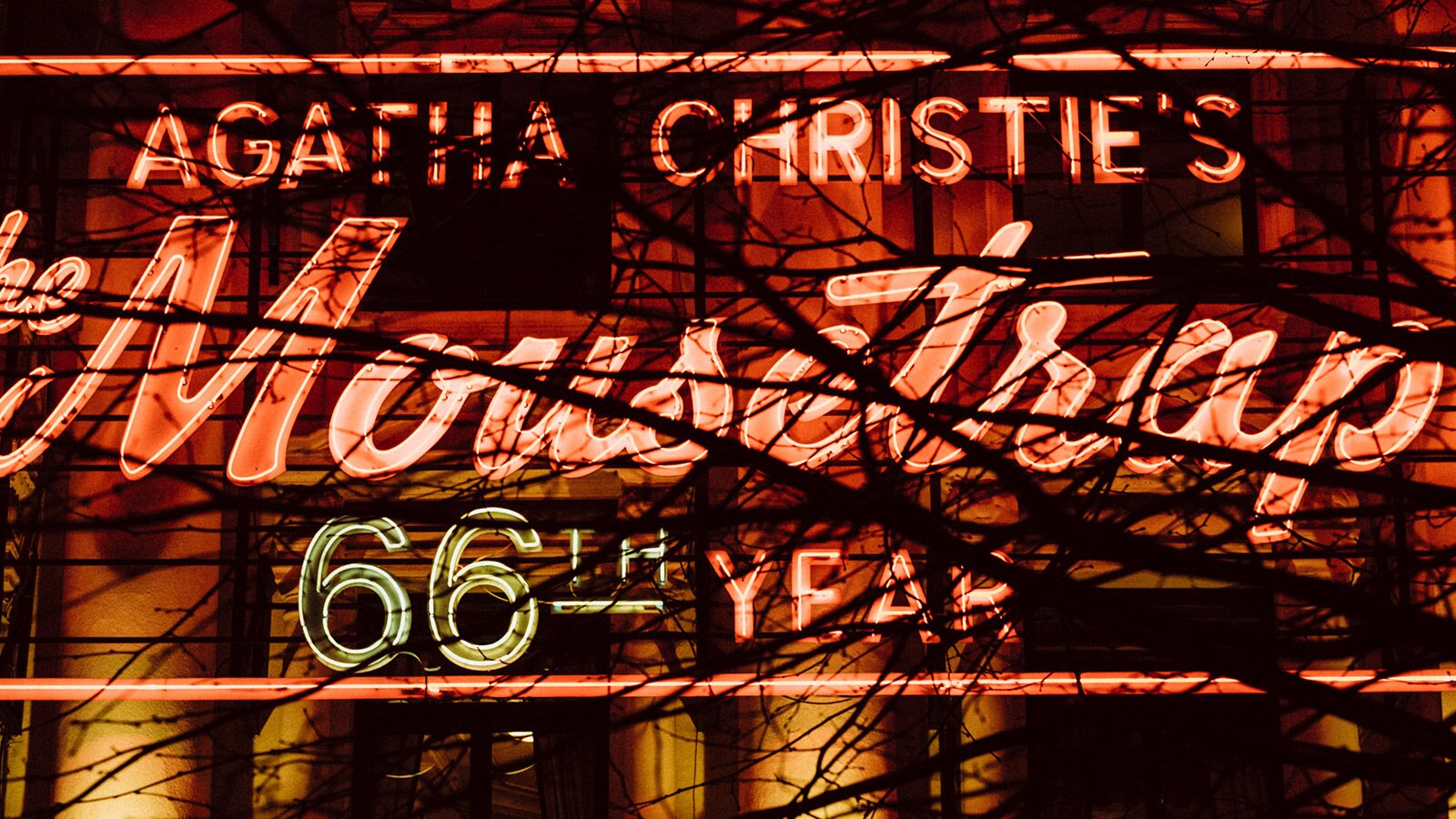
The picture below shows a neon poster with the title of one of the most popular musicals in London. You are going to read the text about the West End of London and Broadway in New York, very special districts with a number of attractions, such as music theatres.
Poniższa ilustracja przedstawia neonowy afisz z tytułem jednego z najpopularniejszych musicali w Londynie. W tej części materiału przeczytasz tekst o West Endzie oraz Broadway – wyjątkowych miejscach w Londynie i Nowym Jorku, oferujących wiele atrakcji, a wśród nich teatry muzyczne.
Complete the crossword with words related to music shows. Find the hidden word.
Study the text and find out more about the two most famous music theatres.
The Power of Music and DanceA
Big cities are usually places of culture with a wide variety of attractions to both residents and tourists. There are hundreds of must‑see and must‑go spots on their maps. One of the most specific and absolutely unique magnets for story and music lovers in each city is the musical theatremusical theatre. Musicals are believed to be the only native American theatre forms that go back to the beginning of the 20th century.
B
In London, there are plenty of music theatres in the West End, which is located in a region in Central London, north of the River Thames. The district is home to several major entertainment venues, theatres, shops and businesses. Broadway, on the other hand, is located in the Theatre District and the Lincoln Centre, Midtown Manhattan, New York City. Broadway and London’s West End together represent the highest commercial level of live theatre in the English‑speaking world. Generally, West End has more activity than Broadway, with more non‑musical plays being staged. West End also typically features greater experimentation and serious topics. Broadway features more musicals and family‑orientedfamily‑oriented shows.
C
Musicals primarily use music and dance sequences to tell the story. The story is smoothly explained by means of strong expressions, lyricslyrics and dance with any kind of music: hard rock, jazz, rap, classical and dance: from classical ballet, modern and tap dancetap dance. There wouldn’t be any gasps of admiration but for sound and light special effects. Today, modern technology offers more opportunities to the theatres to apply a more dynamic background or even a pyrotechnic explosionpyrotechnic explosion, for instance. Thanks to a multimedia projector, it is possible to design breathtaking effects that may change quickly if only needed during the show. That obviously saves time to prepare all the decorations and cuts the costs of the props.
D
The production of a musical is a huge financial undertakingfinancial undertaking. A producer is in charge of organising the event and fundraisingfundraising from the investors. Broadway musicals are financed by more than one investor on the principles of limited partnership. It is hard to imagine how many people are involved in the production of one musical. A music theatre wouldn’t exist without a team of musicians, the orchestraorchestra, in charge of which there is a conductorconductor. A composercomposer creates a scorescore for a particular show, which contains interludes and background music. Next, there must be a playwrightplaywright with a scriptscript and the rest: castcast, directorsdirectors, choreographerschoreographers, scene‑paintersscene‑painters, light and sound operatorslight and sound operators, not to mention make‑up artistsmake‑up artists and hair stylistshair stylists or costume designerscostume designers. The production ensembleensemble must cooperate to be successful.
E
When the musical finally gets on the stage after long months of rehearsalsrehearsals, the audience looks forward to watching it. All the actors know their lines, music piecesmusic pieces, and places on the stage. The main character is supposed to perform downstagedownstage in order to be near the audience and to be well seen by them, while supporting actors stand upstageupstage. There are two more terms describing the location and direction in a theatre building; stage leftstage left and stage rightstage right where actors can be placed.
F
In spite of the enormous effort devoted, not every musical turns out to be a blockbusterblockbuster, though. Some simply do not catch the interest of people and quickly disappear from the repertoirerepertoire while some others achieve a long‑awaited and desired success. According to Reader’s Poll published in the Rolling Stone among the 10 best Musicals of All Times there is “West Side Story”, “Jesus Christ Superstar”, “Les Miserables”, “Cabaret” or “Hamilton”. Some of the most well‑known West End plays include, “The Mousetrap”, which also happens to be the longest‑runninglongest‑running play in the world, “Les Miserables” and “The Lion King”.
G
Theatre districts are often packed and getting tickets at the box officebox office for a blockbuster isn’t always easy. So, if you need a ticket for a famous musicalfamous musical, you will have to arrange it well in advance to make sure you will enjoy the show.
Źródło: Anna Faszcza, licencja: CC BY-SA 3.0.
Based on what you read in the text, decide in which paragraphs (A–G) you can find certain information.
Based on the information from the text, type in the missing words/expressions.
Answer the questions below. Write 2‑3 sentences to each question.
Which stage of creating a new musical is the most tiring in your opinion? Explain.
Which piece of information about the production of a musical do you find the most surprising? Why?
Słownik
/ ˈblɒkbʌstə /
hit, przebój
/ bɒks ɒfɪs /
kasa biletowa
/ kɑːst /
obsada
/ ˌkɒrɪˈɒɡrəfəz / / ˌkɒrɪˈɒɡrəfə /
choreografowie/choreografki [choreograf/choreografka]
/ ˌkɒrɪˈɒɡrəfi /
choreografia
/ kəmˈpəʊzə /
kompozytor/kompozytorka
/ kənˈdʌktə /
dyrygent/dyrygentka
/ ˈkɒstjuːm dɪˈzaɪnəz / / ˈkɒstjuːm dɪˈzaɪnə /
kostiumografowie/kostiumografki [kostiumograf/kostiumografka]
/ dɪˈrektəz / / dɪˈrektə /
reżyserzy/reżyserki [reżyser/reżyserka]
/ ˈdaʊnsteɪdʒ /
miejsce na scenie, które jest najbliżej publiczności
/ ɒnˈsɒmbl̩ /
zespół
/ ˈfæməli ˈɔːrɪəntɪd ʃəʊ /
przedstawienie dla całej rodziny
/ ˈfeɪməs ˈmjuːzɪkl̩z / / ˈfeɪməs ˈmjuːzɪkl̩ /
słynne musicale [słynny musical]
/ faɪˈnænʃl̩ ˌʌndəˈteɪkɪŋ /
przedsięwzięcie finansowe
/ ˈfənˌdresɪŋ / / ˈfʌndreɪz /
pozyskiwanie funduszy [pozyskiwać fundusze]
/ heə ˈstaɪlɪsts / / heə ˈstaɪlɪst /
styliści/stylistki [stylista/stylistka]
/ laɪnz /
kwestia, rola
/ ˈlɒŋɡɪst ˈrʌnɪŋ /
najdłużej trwający/trwająca
/ ˈmju:zɪk ˈpiːsɪz / / ˈmju:zɪk piːs /
utwory muzyczne [utwór muzyczny]
/ ˈmju:zɪkl ˈthetaɪətə /
teatr muzyczny
/ əbˈstrʌkʃn̩z / / əbˈstrʌkʃn̩ /
przeszkody [przeszkoda]
/ ˈɒn əˈkaʊnt ɒv /
z powodu
/ ˈɔːkɪstrə /
orkiestra
/ ˈpleɪraɪt /
dramaturg/dramaturżka
/ ˈpɜːtʃəs /
nabyć, zakupić
/ ˌpaɪrəʊˈteknɪk ɪkˈspləʊʒn̩ /
wybuch pirotechniczny
/ rɪˈfʌnd ðə ˈmʌni /
zwrócić pieniądze
/ rɪˈhɜːsl̩z / / rɪˈhɜːsl̩ /
próby [próba]
/ ˈrepətwɑː /
repertuar
/ raʊ əv siːts /
rząd miejsc siedzących
/ ˈsi:n peɪntəz / / ˈsi:n peɪntə /
scenografowie/scenografki [scenograf/scenografka]
/ siːˈnɒɡrəfi /
scenografia
/ skɔː /
tu: partytura
/ ˈsaʊnd ənd laɪt ˈspeʃl̩ ɪˈfekts / / ˈsaʊnd ənd laɪt ˈspeʃl̩ ɪˈfekt /
dźwiękowe i świetlne efekty specjalne [dźwiękowy i świetlny efekt specjalny]
/ steɪdʒ left /
miejsce na scenie po lewej stronie aktora
/ steɪdʒ raɪt /
miejsce na scenie po prawej stronie aktora
/ ˈtæp dɑːns /
stepowanie [stepować]
/ ˈtraɪəmf /
zwycięstwo, sukces
/ ˌʌpˈsteɪdʒ /
miejsce na scenie, które znajduje się w jej tylnej części
/ ˈwɒts ɒn /
Co grają? (w kinach, teatrach)
Źródło: GroMar Sp. z o.o., licencja: CC BY‑SA 3.0