Przeczytaj
The world of flora provides us with a vast number of plants that have a medicinal effect on our bodies. Some of them are used in healing diseases, but science has not yet explained how many of them work. Here is a text about medicinal plants, who uses them, and in what form they can be useful for curing medical conditions.
Świat flory dostarcza nam ogromnej ilości roślin, które działają kojąco na nasz organizm. Niektóre są wykorzystywane w leczeniu chorób, jednak w przypadku wielu z nich nauka wciąż nie wyjaśniła sposobu ich działania. Oto tekst o roślinach leczniczych, który wyjaśnia, kto ich używa i w jakiej formie mogą być przydatne w leczeniu schorzeń.
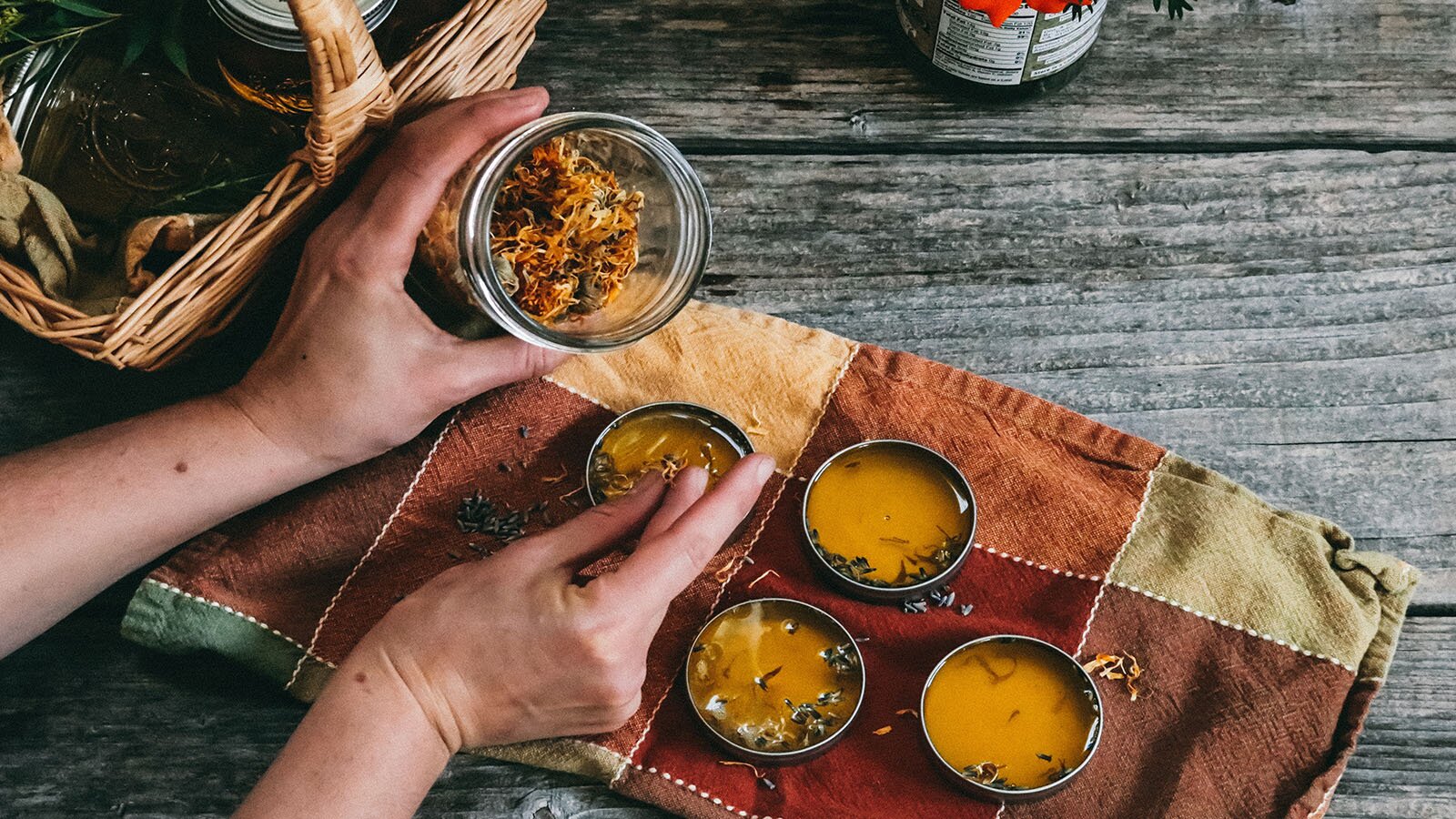
Study the text about how certain plants can affect our health and do the exercises below.
Medicinal PlantsPharmacyPharmacy has made huge progress over the last centuries and most of the available medications are developed in pharmaceutical laboratoriespharmaceutical laboratories. However, over many centuries, the main source of medications were… plants. Medicinal plantsMedicinal plants were already known in prehistoric cultures. Human settlements were often surrounded by weeds used as herbal medicine. Ancient peoples, such as Egyptians or Greeks, continued to discover the healing effects of plants. In the Middle Ages, medicinal plants were cultivated in herbal gardensherbal gardens, which became famous for pharmaceutical teaspharmaceutical teas, infusionsinfusions, and tincturestinctures. Later, scientific studies of various herbs began, which explained their effect on our health. Still, many plants known to have healing virtueshealing virtues have not yet been thoroughly studied by sciencethoroughly studied by science.
You may be surprised to learn that many animal species have created their own pharmacies from ingredients that commonly occur in nature. Birds, bees, lizards, elephants, and chimpanzees all share one survival strategy: they self‑medicateself‑medicate. These animals eat things that make them feel better, or prevent disease. Even creatures with brains the size of pinheads somehow know what to ingestingest when they are unwell. Have you seen a dog eat grass during a walk? The dog probably has an upset stomach. The grass helps them to clear their digestive systemdigestive system of harmful contentharmful content. Some lizards, in turn, are believed to respond to a bite by a venomous snake by eating a certain root to counter the venomcounter the venom. Also, pregnant elephants in Kenya eat the leaves of some trees to quicken the deliveryquicken the delivery. These are only a few examples of many types of animals that self‑medicate.
Many contemporary people choose to try herbal remediesherbal remedies these days for various reasons. Dissatisfaction with conventional treatmentconventional treatment or family traditions are some of the reasons why herbal medicine is preferred as treatment. Also, using herbal food supplementsherbal food supplements has become trendy in many parts of the world. Medicinal plants have the opinion of being more eco‑friendly and having fewer dangerous side effectsdangerous side effects in comparison with conventional treatments. Still, you must remember that even the best herbal remedy will not replace the medical advice of a doctor.
There are many different ways to prepare herbs and choosing the best one depends on the condition you are treating and the therapeutic effecttherapeutic effect you are looking for. An herbal teaherbal tea is most often used with a single herb or a mixture of herbs during an illness to help relieve symptomsrelieve symptoms. For example, ginger tea is great to sip when nauseousnauseous or when you have a cold or flu. Another way of using medicinal plants is through a herbal infusion, a large amount of herbs brewedbrewed for a long time. These feed the body a high dose of vitamins and minerals as well as active ingredients of the plantactive ingredients of the plant. Finally, herbal tinctures are made by soaking plant materialsoaking plant material in alcohol to extract its medicinal propertiesextract its medicinal properties. Tinctures have a long shelf lifelong shelf life and are easily absorbedeasily absorbed by the digestive system. However, they contain small amounts of alcohol, so are not suitable for everyone.
Can herbal remedies replace conventional medicineconventional medicine? Many of them have not yet been thoroughly explored. Most scientific studies suggest that although medicinal plants can be effective in treating or preventing certain diseases, they may best be used as a supporting therapysupporting therapy. Also, in treating any condition, we should not follow the example of certain animal species described above and self‑medicate. It is best to rely on the advice of a qualified doctor who will decide which therapy is best, and prescribe the necessary medications for you to use: herbal or conventional.
Źródło: Anna Faszcza, licencja: CC BY-SA 3.0.
Indeks dolny Źródło: GroMar Sp. z o.o., licencja: CC BY‑SA 3.0. Indeks dolny koniecŹródło: GroMar Sp. z o.o., licencja: CC BY‑SA 3.0.
Would you recommend a friend using herbal remedies? Why? Why not? Write the reasons for using medicinal plants, the forms of herbal remedies and the safety of their use. Write 9‑10 sentences.
Słownik
/ ˈæktɪv ɪnˈɡriːdɪənts əv ðə plɑːnt / / ˈæktɪv ɪnˈɡriːdɪənt əv ðə plɑːnt /
aktywne składniki rośliny [aktywny składnik rośliny] (an ingredient of a plant that has influence on health)
/ ɔːlˈtɜːnətɪv ˈmedsn̩ /
medycyna alternatywna (treatments that do not come from widely accepted methods of healing)
/ bruːd / / bruː /
parzony/parzona [parzyć] (pour with boiling water and leave for some time)
/ kənˈvenʃn̩əl ˈmedsn̩ /
medycyna konwencjonalna (type of medicine that is commonly used and scientifically proven to work)
/ kənˈvenʃn̩əl ˈtriːtmənt /
leczenie konwencjonalne (type of treatments that are commonly used and scientifically proven to work)
/ ˌkaʊntə ðə ˈvenəm /
zapobiegać działaniu trucizny (to stop or prevent the venom from causing harm)
/ ˈdeɪndʒərəs saɪd ɪˈfekts / / ˈdeɪndʒərəs saɪd ɪˈfekt /
niebezpieczne efekty uboczne [niebezpieczny efekt uboczny] (dangerous unwanted effect of a medicine)
/ dɪˈdʒestɪv ˈsɪstəm /
układ trawienny (organs in your body responsible for digesting food, such as stomach or intestines)
/ ˈiːzəli əbˈzɔːbd / / ˈiːzəli əbˈzɔːb /
łatwo wchłaniany/wchłaniana [łatwo wchłaniać] (easy for your body to take in)
/ ˈhɑːmfəl kənˈtent /
szkodliwa zawartość (content that can be dangerous to your health)
/ ˈhiːlɪŋ ˈvɜːtʃuːz / / ˈhiːlɪŋ ˈvɜːtʃuː /
właściwości lecznicze [właściwość lecznicza] (medicinal properties of something)
/ ˈhɜːbl̩ fuːd ˈsʌplɪments / / ˈhɜːbl̩ fuːd ˈsʌplɪment /
ziołowe suplementy diety [ziołowy suplement diety] (products that are supposed to improve health that are not classed as medications which you can eat apart from your food)
/ ˈhɜːbl̩ ˈɡɑːdn̩z / / ˈhɜːbl̩ ˈɡɑːdn̩ /
ogrody zielarskie [ogród zielarski] (a garden where medicinal plants are grown)
/ ˈhɜːbl̩ ˈmedsn̩ /
medycyna zielarska (medicine that is based on plants)
/ ˈhɜːbl̩ ˈremədɪz / / ˈhɜːbl̩ ˈremədi /
leki ziołowe [lek ziołowy] (medicine that is made of a plant)
/ ˈhɜːbl̩ tiː /
herbata ziołowa (tea that contains parts of plants)
/ ˈhɜːbl̩ ˈtriːtmənts / / ˈhɜːbl̩ ˈtriːtmənt/
kuracje ziołowe [kuracja ziołowa]
/ ɪnˈfjuːʒn̩z / / ɪnˈfjuːʒn̩ /
napary [napar] (liquid made by leaving parts of plants in hot water for a long time)
/ ɪnˈdʒest /
połykać (swallow)
/ lɒŋ ʃelf lʌɪf /
długi termin przydatności do spożycia (long period of time in which you can use a product)
/ mɪˈdɪsnəl plɑːnts / / mɪˈdɪsnəl plɑːnt /
rośliny lecznicze [roślina lecznicza] (plants that can be used for healing or preventing a disease)
/ ˈnɔːsɪəs /
cierpiący/cierpiąca na mdłości (feeling sick)
/ ˌfɑːməˈsjuːtɪkl̩ ləˈbɒrətr̩iz / / ˌfɑːməˈsjuːtɪkl̩ ləˈbɒrətr̩i /
laboratoria farmaceutyczne [laboratorium farmaceutyczne] (where new medicines are tried and developed)
/ ˌfɑːməˈsjuːtɪkl̩ tiːz / / ˌfɑːməˈsjuːtɪkl̩ tiː /
herbaty lecznicze [herbata lecznicza] (teas made of herbs)
/ ˈfɑːməsi /
farmacja (science that deals with inventing and testing new medicines)
/ ˈkwɪkən ðə dɪˈlɪvəri /
przyspieszyć poród (make a female deliver a baby quicker)
/ ˈsəʊkɪŋ plɑ:nt məˈtɪərɪəl /
namaczanie materiału roślinnego (keeping parts of plant in a liquid)
/ səˈpɔːtɪŋ ˈthetaerəpi /
terapia wspomagająca (additional therapy helping the main treatment)
/ ˌthetaerəˈpjuːtɪk ɪˈfekt /
efekt terapeutyczny (a positive effect on healing or preventing a disease)
/ ˈthetaʌrəli ˈstʌdɪd ˈbaɪ ˈsaɪəns / / ˈthetaʌrəli ˈstʌdi /
dogłębnie zbadane przez naukę [dogłębnie badać] (carefully checked by science)
/ ˈtɪŋktʃəz / / ˈtɪŋktʃə /
nalewki [nalewka] (a liquid made by keeping an ingredient in alcohol for a long time)
/ ˈvenəməs /
jadowity (producing venom, poison)
Źródło: GroMar Sp. z o.o., licencja: CC BY‑SA 3.0