Przeczytaj
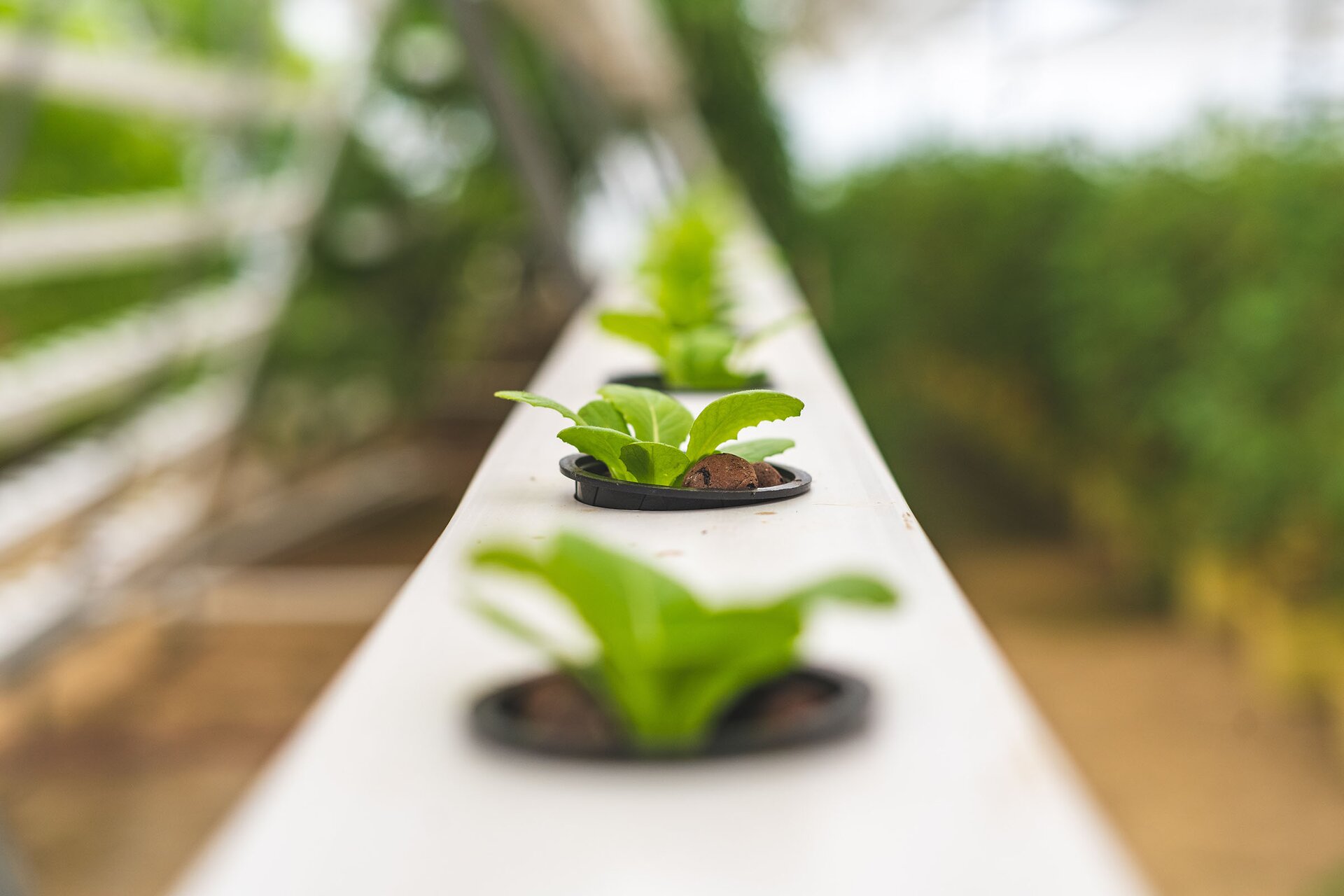
Look at the seedlings in the photo below. They all have equal access to water, feed and light and they are growing without soil. This arrangement is typical for hydroponics, an alternative to traditional plant cultivation. Study the text to learn more about it.
Popatrz na sadzonki ze zdjęcia. Wszystkie mają równy dostęp do wody, pokarmu i światła a na dodatek rosną bez ziemi. Taka kompozycja jest typowa dla hydroponiki, która jest alternatywą dla tradycyjnej uprawy roślin. Zapoznaj się z tekstem, żeby dowiedzieć się o niej czegoś więcej.
Drag the following halves of sentences to learn fascinating facts abouts hydroponics.
Analyse the text and do the exercises below.
Hydroponics: Sci‑Fi or the Farming of the Future?In the age of increased pollution and its negative consequences on our health, we are gradually focusing on our natural environment. People are becoming interested in maintaining biodiversitybiodiversity and are choosing ecologically sustainablesustainable products. It seems that human beings have finally taken responsibility for retainingretaining future generation’s access toaccess to water, food, land, and natural resourcesnatural resources.
With the passage of time, we will require an increasing amount of food, land, and water. However, maximising food production ought to be on a par withbe on a par with keeping its nutritious valuesnutritious values and quality. SustainabilitySustainability is the key to our existence. This, in turn, means that the usage of pesticidespesticides and herbicidesherbicides is to be reduced, if not eliminated altogether. How can it be done? There is already a functioning solution - hydroponicshydroponics, the modern method of plant cultivationcultivation.
Its name derives fromderives from the connection of hydro – standing for water and ponos – referring to labour. Hydroponics is leading to systematisedsystematised methods in agriculture that are more environmentally‑friendly, being much more predictable and efficientefficient.
Despite a wide array ofa wide array of advantages, are there any drawbacks to hydroponic farming? Firstly, the cost of LED lighting is high and must be tackled bytackled by investing in renewable energyrenewable energy sources. Solar panels, which allow for accumulating energy, aidaid in catering for energy demand, yet their prices might overwhelmoverwhelm many people. Secondly, there are the costs of constant watering and monitoring the plants and their development. In a hydroponic agricultural modelhydroponic agricultural model, plants require continual access to fertilisersfertilisers and this ought to be supervisedsupervised and adjusted toadjusted to the plants' stadium of growth. Thirdly, the process of establishing such a farm is exorbitantexorbitant and requires the farmer’s experience, skills, and ingenuityingenuity in raising money or applying for financial aid from the European Agricultural Guarantee Fund (EAFG) or the European Agricultural Fund for Rural Development (EAFRD).
Regardless of potential hindranceshindrances, soillesssoilless food production on a mass scale seems to be the direction in the future of commercial food production. Not using the soil allows to prevent both the occurrence of verminvermin and the spread of diseasesdiseases. Because of the constant supervision of plants’ development, the amount of water is precisely monitored and is, in fact, nearly 90% lower than in field farming. In addition, hydroponics does not require massive areas of land and this constitutesconstitutes its unrivalledunrivalled potential. Plants are grown indoors with the use of artificial lightingartificial lighting, and the seedlingsseedlings are grown in soilless conditions on racksracks or traystrays that might be rearrangedrearranged should such a necessity arise.
To conclude, the hydroponic model can be established anywhere in the world. It is tailored totailored to plants’ needs and facilitatesfacilitates continual growth in areas where field farming might be deemed tobe deemed to fail. Owing to its smaller potential for sustainability, field farming might be prone to subsidesubside. In the foreseeable futureforeseeable future hydroponics might ensure our survival. Therefore, by raising our awareness and advancingadvancing the knowledge of hydroponics, we might support its development and in that way, care for the survival of future generations – our children and their offspringoffspring.
Źródło: Katarzyna Piotrowska, licencja: CC BY-SA 3.0.
Analyse the sentences below and decide whether the sentences are true or false. Choose the correct answer TRUE or FALSE in accordance with the text.
- Hydroponics requires the farmer to apply for European funding. TRUEFALSE
- In hydroponic farming, seedlings can be placed in a different order. TRUEFALSE
- The word ‘hydroponics’ comes from water and air. TRUEFALSE
- High quality soil helps in eliminating zoonotic diseases. TRUEFALSE
- Hydroponics lets all seedlings grow equally well. TRUEFALSE
- Hydroponics appears in movies popularising agriculture among people in rural areas. TRUEFALSE
- Sustainability is connected with hydroponics. TRUEFALSE
Complete the gaps with English translations of the words in brackets.
Answer the questions in 3–4 sentences. Use the information in the text and your own ideas.
According to the text, what is hydroponics?
What differentiates hydroponics from field farming?
Do you think that hydroponics should be popularised in Poland? Why? Why not?
Słownik
/ ə ˌwaɪd əˈreɪ ɒv /
szeroki wachlarz czegoś
/ ˈækses tuː /
dostęp do
/ əˈdʒʌstɪd əˈdʒʌst tuː /
dostosowany/dostosowana [dostosowywać] do
/ ədˈvɑːnsɪŋ / / ədˈvɑːns /
rozwijający/rozwijająca [rozwijać] się
/ eɪd /
pomagać, wspierać
/ ˌɑ:tɪˌfɪʃl ˈlaɪtɪŋ /
sztuczne oświetlenie
/ bi diːmd tuː /
być skazanym/skazaną na
/ bi ˈɒn ə ˌpɑ:r wɪð /
być na równi z
/ ˌbaɪəʊdaɪˈvɜːsəti /
zróżnicowanie biologiczne
/ ˈkeɪtəz / / ˈkeɪtə fɔː /
zaspokaja [zaspokajać] czyjeś potrzeby
/ ˌkəʊɪɡˈzɪstəns wɪð /
współistnienie z
/ ˈkɒnstɪtjuːts / / ˈkɒnstɪtjuːt /
stanowi [stanowić]
/ kʌltɪˈveɪʃ(ə)n /
uprawa
/ dɪˈraɪvz / / dɪˈraɪv frɒm /
wywodzi [wywodzić] się z
/ ˌdɪsˌædvənˈteɪdʒəs /
niekorzystny/niekorzystna
/ dɪˈziːzɪz /
choroby
/ ɪˈfɪʃ(ə)nt /
wydajny/wydajna
/ ɪɡˈzɔːbɪtənt /
wygórowany/wygórowana, bardzo kosztowny/kosztowna
/ fəˈsɪlɪteɪts / / fəˈsɪlɪteɪt /
zapewnia [zapewniać], umożliwia [umożliwiać]
/ ˈfɜːtəlaɪzəz / / ˈfɜːtəlaɪzə /
nawozy [nawóz]
/ fɔːˈsiːəbl̩ ˈfjuːtʃə /
przyszłość dająca się przewidzieć/możliwa do przewidzenia
/ ˈhɜːbɪsaɪdz / / ˈhɜːbɪsaɪd /
środki [środek] ochrony roślin
/ ˈhɪndrənsɪz / / ˈhɪndrəns /
przeszkody [przeszkoda]
/ ˌhaɪdrəˈpɑːnɪk ˌæɡrɪˈkʌltʃrəl ˈmɒdl̩ /
hydroponiczny model uprawy roślin
/ ˌhaɪdrəˈpɒnɪks /
hydroponika, bezglebowa uprawa roślin na pożywkach wodnych
/ ˌɪndʒɪˈnjuːɪti /
pomysłowość
/ ˌnætʃ.ər.əl rɪˈzɔː.sɪz / / ˌnætʃ.ər.əl rɪˈzɔː.s /
zasoby naturalne [zasób naturalny]
/ njuːˈtrɪʃəs ˈvæljuːz /
wartości odżywcze
/ ˈɒfsprɪŋ /
potomstwo
/ ˌəʊ.vəˈwelm /
przytłoczyć
/ ˈpestɪsaɪdz / / ˈpestɪsaɪd /
środki [środek] owadobójczy
/ ˈplentɪfəl /
obfity/obfita
/ ræks / / ræk /
stojaki [stojak]
/ ˌriːəˈreɪndʒ /
poprzestawiane
/ rɪˈkʌrənt /
powtarzający/powtarzająca się, nawracający/nawracająca
/ rɪˈnjuːəbl̩ ˈenədʒi /
energia odnawialna
/ rɪˈteɪnɪŋ / / rɪˈteɪn /
zachowujący/zachowująca [zachowywać], zatrzymujący/zatrzymująca [zatrzymywać]
/ ˈsiːdlɪŋz / / ˈsiːdl̩ɪŋ /
sadzonki [sadzonka]
/ ˈsɔɪllɪs /
bezglebowy/bezglebowa
/ səbˈsaɪd /
osiadać, osuwać się
/ ˈsuːpəvaɪzd /
nadzorowany/nadzorowana
/ səˈsteɪnəbl̩ /
zrównoważony rozwój
/ səˈsteɪnəbl̩ /
zrównoważony/zrównoważona, długofalowy/długofalowa
/ ˈsɪstəmətaɪzd /
usystematyzowany/usystematyzowana
/ ˈtækl̩d / / ˈtækl̩ baɪ /
rozwiązany/rozwiązana [rozwiązywać] za pomocą
/ ˈteɪləd / / ˈteɪlə tuː /
dostosowany/dostosowana [dostosowywać] do
/ treɪz / / treɪ /
tacki [tacka]
/ ənˈraɪvəld /
niezrównany/niezrównana
/ ˈvɜːmɪn /
szkodniki [szkodnik]
Źródło: GroMar Sp. z o.o., licencja: CC BY‑SA 3.0