Przeczytaj
Vaccinations are a life‑saving method of preventing many dangerous diseases. Do you know how vaccines work? Familiarise yourself with the following text about the process of creating vaccines, the benefits of vaccination, and the concerns about vaccination.
Szczepienia ochronne to ratująca życie metoda zapobiegania wielu groźnym chorobom. Czy wiesz, jak działają szczepionki? Zapoznaj się z poniższym tekstem o procesie tworzenia szczepionek oraz zaletach szczepień i obawach przed ich przyjmowaniem.
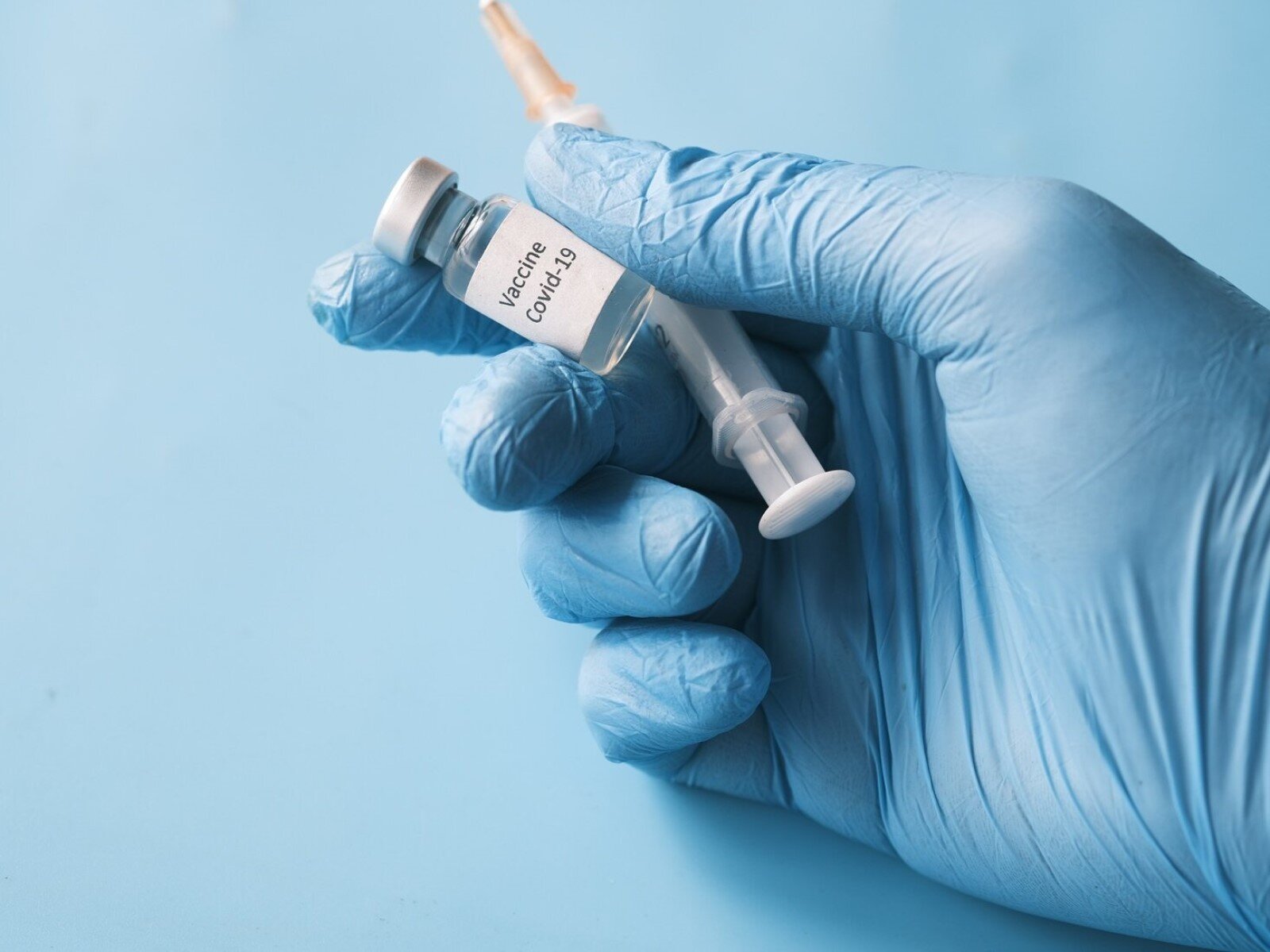
Match words to their definitions.
Here is the text about vaccination and the exercises to complete below.
To Jab Or Not To Jab?Receiving vaccines may be one of your earliest childhood memories. This is because most countries use a specific vaccination programmespecific vaccination programme which protects you from many serious and potentially deadly diseases from very early stage in your life. Some vaccines are administered to babies right after their birth, others are scheduled throughout your childhood and adolescence. You will also be given specific types of vaccines before travelling to a high‑risk area, after experiencing an injury, or before being admitted to hospital. Vaccines not only protect you, they also protect other people in your community by helping to stop diseases spreading to people who cannot have vaccines. Most vaccines undergo rigorous safety testingrigorous safety testing before being introduced – they’re also constantly monitored for side effectsconstantly monitored for side effects after being introduced. Although you may sometimes experience mild side effectsmild side effects of a vaccine, they will not last long – some patients may feel a bit unwell and have a sore arm for 2 or 3 days after a jab. Vaccination programmes reduce or even get rid of some diseases – if enough people are vaccinated.
Have you ever heard any myths related to vaccination? There are a number of them, but most are false. For example, they do not seem to cause autism, as many people believe. Studies have found no evidence of a link between vaccines and developing serious diseases. Also, they do not overload or weaken the immune systemoverload or weaken the immune system – it’s usually safe to give children or adults several vaccines at a time and this reduces the amount of injections they need. All the current evidence tells us that vaccinating is safer than not vaccinating. Although vaccines do not contain any ingredients that cause harmingredients that cause harm in such small amounts, you should speak to your doctor if you have any known allergies such as eggs or gelatine (but they will not cause you new allergies or any other conditions). This way you can avoid any adverse reactionsavoid any adverse reactions to vaccination.
You may wonder what vaccines actually are and how they are used. A vaccine typically consists of weakened or killed virusesweakened or killed viruses or bacteriabacteria, sometimes their toxins or even proteins from their surface. This substance, called antigenantigen, is produced to create a desired immune responsedesired immune response. When a person gets vaccinated, their immune systemimmune system recognises the antigen as foreign and is prepared to kill the disease‑causing virus or bacterium and make antibodiesantibodies against it.
In this way, a vaccine is able to develop active immunitydevelop active immunity against a specific harmfum agent by stimulating the immune systemstimulating the immune system to attack it.
Vaccines are usually administered by injectionadministered by injection, but some are given orallygiven orally or even nasallynasally.
Did you know that some extremely deadly diseases that used to trouble mankind for centuries have been eliminated thanks to vaccination? For example, smallpox, a life‑threatening viral disease causing blistersblisters all over the body was declared eradicateddeclared eradicated in 1980. Other serious conditions, such as polio, have been got rid of or significantly reducedgot rid of or significantly reduced in most parts of the world as a result of vaccination programmes. Cases of tetanus are increasingly uncommon thanks to vaccines, although tetanus vaccines are still administered to patients with deep wounds.
The vaccine’s efficacyvaccine’s efficacy is clear, it contributes to saving people’s lives and improving their health. But remember to always consult your doctor first!
Źródło: Marcin Legeżyński, licencja: CC BY-SA 3.0.
Study the text and decide if the following sentences related to vaccines are true or false.
- New vaccines are tested for side effects only before their introduction. TRUEFALSE
- Severe side effects after receiving a vaccine are typical and can last quite long. TRUEFALSE
- Administering several vaccines simultaneously may overload the immune system. TRUEFALSE
- Most vaccines contain inactive microorganisms or toxins. TRUEFALSE
- Some ingredients contained in vaccines can cause harm in small amounts.TRUEFALSE
- All vaccines are administered in the form of a jab. TRUEFALSE
- Some diseases have been eradicated thanks to vaccination. TRUEFALSE
- Tetanus is administered to patients with skin injuries. TRUEFALSE
Study the text again and drag the expression related to vaccines to fill in the gaps.
What are the features of vaccines and reservations that some people have about them? Answer the question considering:
the process of receiving the vaccine;
potential side effects;
what diseases they protect us from.
Write three sentences on each bullet point above.
Słownik
/ ədˈmɪnɪstəd ˈbaɪ ɪnˈdʒekʃn̩ / / ədˈmɪnɪstə ˈbaɪ ɪnˈdʒekʃn̩ /
podawany/podawana w zastrzyku [podawać w zastrzyku] (to be given an injection)
/ ˈæntiˌbɒdiz / / ˈæntiˌbɒdi /
przeciwciała [przeciwciało] (cells of the immune system that produce a kind of protein which recognizes foreign substances like bacteria and viruses)
/ ˈæntɪdʒən /
antygen (substancja pobudzająca układ odpornościowy do produkcji przeciwciał) (substance that stimulates the immune system to produce antibodies)
/ əˈvɔɪd ˈeni ˈædvɜːs rɪˈækʃn̩z / / əˈvɔɪd ˈædvɜːs rɪˈækʃn̩ /
uniknąć jakichkolwiek działań niepożądanych [uniknąć działania niepożądanego] (stop undesired reactions)
/ bækˈtɪəriə / / bækˈtɪəriəm /
bakterie [bakteria] (the smallest forms of life)
/ ˈblɪstəz / / ˈblɪstə /
pęcherze [pęcherz] (bubbles on skin that might be swelling)
/ ˈkɒnstəntli ˈmɒnɪtəd fə saɪd ɪˈfekts / / ˈkɒnstəntli ˈmɒnɪtə fə saɪd ɪˈfekts /
stale monitorowany/monitorowana pod kątem skutków ubocznych [stale monitorować pod kątem skutków ubocznych] (keep on watching unwanted reactions after taking medicine or treatment)
/ dɪˈzaɪəd ɪˈmjuːn rɪˈspɒns /
pożądana reakcja immunologiczna (a desired way the body recognizes and defends itself against bacteria or viruses)
/ dɪˈveləp ˈæktɪv ɪˈmjuːnɪti /
rozwinąć aktywną odporność (improve the immunity that results from the production of antibodies)
/ ɡɪvn̩ ˈɔːrəli / / ɡɪv ˈɔːrəli /
podawane doustnie [podawać doustnie] (applied by the mouth)
/ ˈɡɒt rɪd əv ɔː sɪɡˈnɪfɪkəntli rɪˈdjuːst / / ˈget rɪd əv ɔː sɪɡˈnɪfɪkəntli rɪˈdjuːs /
zwalczone lub znacznie ograniczone [zwalczyć lub znacznie ograniczyć] (remove or remarkably decrease)
/ ɪˈmjuːn ˈsɪstəm /
system odpornościowy, immunologiczny (system that protects us against getting ill)
/ ɪnˈɡriːdɪənts ðæt kɔːz hɑːm / / ɪnˈɡriːdɪənt ðæt ˈkɔːzɪz hɑːm /
składniki, które mogą wyrządzać krzywdę [składnik, który może wyrządzać krzywdę] (potentially damaging element)
/ dʒæb /
szczepić przez zrobienie zastrzyku (vaccinate with an injection)
/ maɪld saɪd ɪˈfekts / / maɪld saɪd ɪˈfekt /
łagodne skutki uboczne [łagodny skutek uboczny] (not dangerous unwanted reactions)
/ ˈneɪzli /
donosowo (applied through the nose)
/ ˌəʊvəˈləʊd ɔː ˈwiːkən ði ɪˈmjuːn ˈsɪstəm /
przeciążyć lub osłabić system odpornościowy (make the immune system weak)
/ ˈpəʊlɪəʊ /
ostre nagminne porażenie dziecięce, choroba Heinego‑Medina, polio (choroba zakaźna atakująca centralny układ nerwowy i skutkująca paraliżem) (an infectious disease affecting the central nervous system, and resulting in paralysis)
/ ˈrɪɡərəs ˈseɪfti ˈtestɪŋ /
rygorystyczne próby bezpieczeństwa (extremely careful checking)
/ ˈsmɔːlpɒks /
ospa prawdziwa (śmiertelna choroba zakaźna skutkująca deformacjami, która nękała ludzkość przez tysiące lat) (a contagious, disfiguring, and often deadly disease that had affected humans for thousands of years)
/ spəˈsɪfɪk ˈhɑːmfəl ˈeɪdʒənt /
konkretny czynnik szkodliwy (particular factor that is damaging)
/ spəˈsɪfɪk ˌvæksɪˈneɪʃn̩ ˈprəʊɡræm /
konkretny program szczepień (schedule of taking vaccines)
/ ˈstɪmjʊleɪtɪŋ ði ɪˈmjuːn ˈsɪstəm / / ˈstɪmjʊleɪt ði ɪˈmjuːn ˈsɪstəm /
pobudzanie układu odpornościowego [pobudzać układ odpornościowy] (trigger the immune system)
/ ˈtetənəs /
tężec (infekcja wywołana bakterią, która po zainfekowaniu organizmu wytwarza truciznę powodującą bolesne skurcze mięśni)(an infection caused by bacteria which, after invading the body, produce a poison that causes painful muscle contractions)
/ ˈvæksiːnz ˈefɪkəsi / / ˌvækˈsiːnz ˈefɪkəsi /
efektywność szczepionek [efektywność szczepionki] (effectiveness of vaccines)
/ ˈwiːkənd ɔː kɪld ˈvaɪərəsɪz / / ˈwiːkənd ɔː kɪld ˈvaɪərəs /
osłabione lub martwe wirusy [osłabiony lub martwy wirus] (powerless or dead form of virus)
Źródło: GroMar Sp. z o.o., licencja: CC BY‑SA 3.0