Przeczytaj
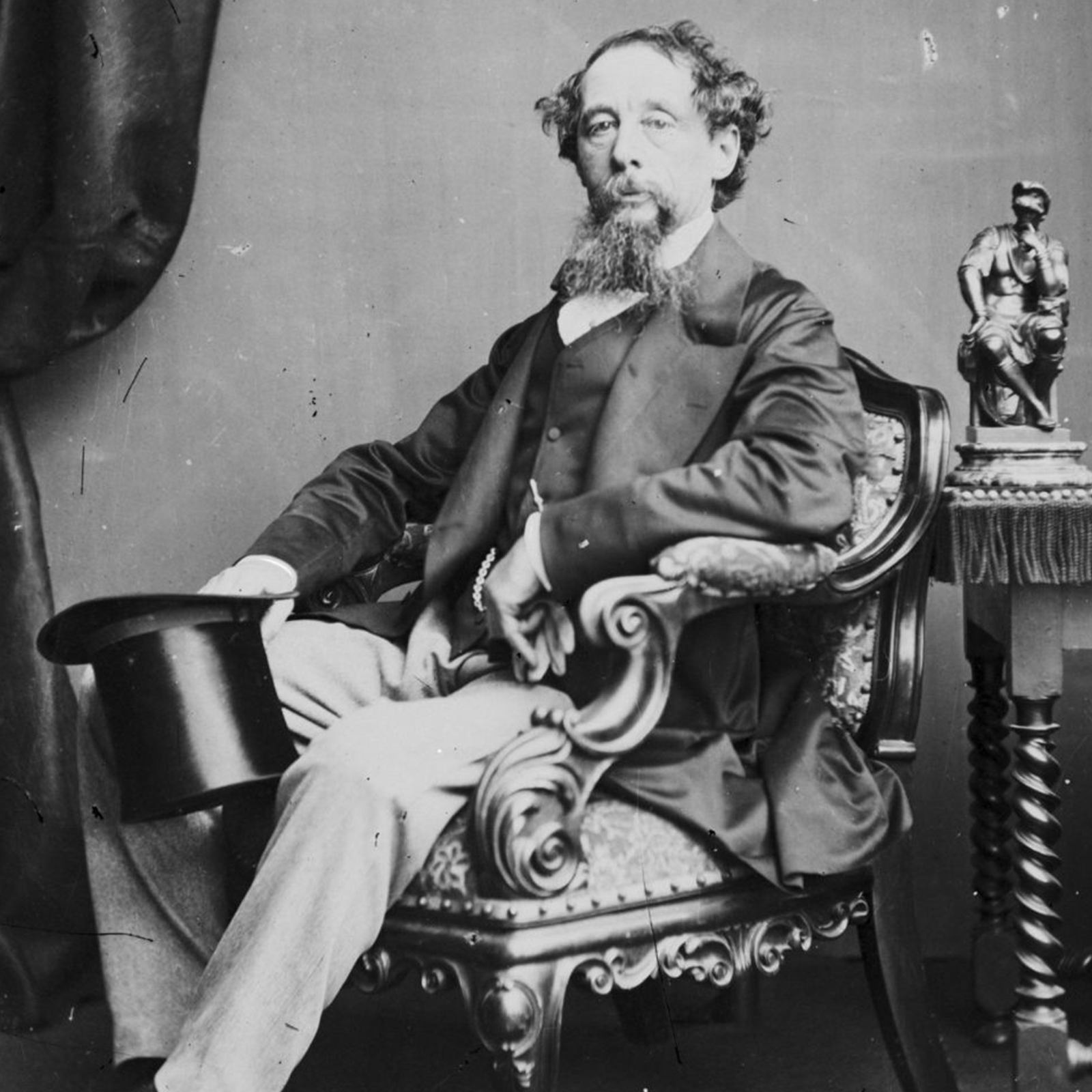
The man sitting in the chair is the author of “Christmas Carol,” Charles Dickens. Apart from being a writer, he was also a social critic. He is considered to be one of the most recognisable novelists of the Victorian era. His short stories and novels were well‑known and read all over the world. Have you read any of Dickens’ books? Which one? Actually, the books are still widely read today. A vast number of quotes from them are commonly used in everyday language. In this part of the material, you will revise the main characters and symbols and get familiar with a few quotes from this novella.
Mężczyzna siedzący wygodnie w fotelu to autor Opowieści wigilijnej – Charles Dickens. Był on pisarzem i krytykiem społecznym. Jest uważany za jednego z najbardziej rozpoznawalnych powieściopisarzy epoki wiktoriańskiej. Jego nowele i powieści były dobrze znane i czytane na całym świecie. Czy kiedykolwiek przeczytałeś/przeczytałaś którąś z nich? Jeśli tak, to którą? W rzeczy samej, książki cieszą się niesłabnącą popularnością także dzisiaj. Okazuje się, że niektóre powiedzenia, których używamy na co dzień, pochodzą właśnie z Opowieści wigilijnej. W tej części materiału dowiesz się więcej o głównych bohaterach tego utworu, odszukasz symbole w nim ukryte oraz poznasz kilka najbardziej znanych cytatów z dzieła Dickensa.
Study the text and do the exercises below.
Who is Who in Christmas Carol?“Christmas Carol” a very moving book about redemptionredemption and forgiveness, has been one of the most popular books in the world for almost 200 years. Actually, with its about 28,500 words it is rather a novellanovella than a novelnovel. Yet this quite short book showing how a person changes from an uncharitableuncharitable and out‑and‑out villainout‑and‑out villain to a kind and generous one by embracing the spirit of Christmas, has never been out of print since 1843 and still remains attractive to readers.
There are seven key characters in the novel. Ebenezer Scrooge, an elderly, wealthy moneylendermoneylender, who hates Christmas, is best‑known and the most recognisable. As an owner of a counting housecounting house, he is in possession of a large sum of money, which he hates to share with anybody. That’s why the term „Scrooge” entered the English language as a synonym for a misermiser. Scrooge is believed to be coldhearted until he is visited by three Ghosts at Christmas when he turns into a generous man who learns the value of life and gets devoted to helping the poor and the sick. Bob Cratchit, who earns starvation wagesearns starvation wages in Scrooge’s office, needs to maintain his familymaintain his family among which there is the disabled and ill youngest child who, if not given medical care, will surely die. Cratchit cannot afford the treatment and represents the hard‑working poor in Victorian London. In spite of the tragic situation he finds himself in, he remains an optimistic person. The Ghost of Christmas Past that visits Scrooge is dressed in all white and white light glows from under his hat. The Ghost shows Scrooge the past to make him understand how he became the man he is today. The Ghost of Christmas Present turns out to be a cheerful giant who decides to take Scrooge around London with the aim of showing him a clear social division between the poor and the rich in 19th century England. To Scrooge’s surprise, it becomes clear to him that the poor can lead happy, family lives. Another spirit that haunts Scrooge is The Ghost of Christmas Yet to Come that resemblesresembles the Grim Reaper, one of the most terrifying figures who doesn’t speak a word. His role is to make Scrooge realise what his future will be like if he doesn’t change the way he acts. Jacob Marley, who pays Scrooge a visit as the first one, was his former business partner as greedy as Scrooge himself. Marley died a couple of years earlier and now returns as a condemned ghostcondemned ghost lugging chainslugging chains as unbearably heavy as his sins when he was alive. His chains are made of cash boxes and padlocks which symbolise his greed. He warns Scrooge to change his life, as he wants his partner to avoid sharing his tragic fate. There is also Tiny Tim, Cratchit’s youngest crippledcrippled child who supports himself by means of crutchescrutches. His untreated illness is probably the result of the family’s poverty. His death seems to be imminentimminent at first, but after Scrooge changes, the little boy’s fate is likely to reverse. Tiny Tim is a symbol of the sympathetic poorsympathetic poor who struggle in life, but remain joyful and kind. In his book, Dickens emphasises the need to show the poor more attention and care, especially from the rich.
Wealth versus poverty, redemption, forgiveness, sorrow, and time are key themes in “Christmas Carol”. Although Charles Dickens lived in the 19th century, his selection of topics remains valid. That makes the novel a universal reading experience.
Źródło: Anna Faszcza, licencja: CC BY-SA 3.0.
You’ve been discussing “Christmas Carol” at school in your English class. One of your friends was absent and now asks you to explain the role of the three ghosts that visit Scrooge on Christmas Eve. In 7‑8 sentences clarify who the ghosts are and what their function is.
Słownik
/ kənˈdemd ɡəʊst /
potępiony duch
/ ˈkaʊntɪŋ haʊs /
kantor
/ ˈkrɪpl̩d / / ˈkrɪpl̩ /
okaleczony
/ ˈkrʌtʃɪz / / krʌtʃ /
kule ortopedyczne [kula ortopedyczna]
/ ɜːnz stɑːˈveɪʃn̩ ˈweɪdʒɪz / / ɜːn ə stɑːˈveɪʃn̩ weɪdʒ /
ma głodowe pensje [mieć głodową pensję]
/ ˈɪmɪnənt /
nadciągający/nadciągająca
/ ˈlʌɡɪŋ tʃeɪnz / / lʌɡ ə tʃeɪn /
ciągnąc, taszcząc łańcuchy [ciągać, taszczyć łańcuch]
/ meɪnˈteɪn ɪz ˈfæmli /
utrzymać rodzinę
/ ˈmaɪzə /
skąpiec
/ ˈmʌnɪlendə /
lichwiarz/lichwiarka
/ ˈnɒvl̩ /
powieść
/ noˈvelə /
wypowiedź literacka, dłuższa niż nowela, pisana prozą, podzielona na rozdziały.
/ ˈaʊtndˈaʊt ˈvɪlən /
jawny złoczyńca
/ rɪˈdempʃn̩ /
odkupienie
/ rɪˈzembl̩z / / rɪˈzembl̩ /
przypomina [przypominać]
/ ˌsɪmpəˈthetaetɪk pɔː /
współczujący biedni
/ ˌʌnˈtʃærɪtəbl̩ /
niemiłosierny/niemiłosierny
Źródło: GroMar Sp. z o.o., licencja: CC BY‑SA 3.0