ReptilesreptilesReptiles, like amphibians, are quadrupeds (with the exception of snakes, whose ancestors used to have appendages millions of years ago). In contrast to amphibians, reptiles can spend their entire life away from water. All reptiles breathe atmospheric air through lungs. They are oviparousoviparityoviparousanimals, with certain species being ovoviviparousovoviviparityovoviviparous. They lay eggs exclusively on land. They are protected from drying out by special membranes and strong, leathery casing, sometimes saturated with calcium salts. When eggs hatch, the young whose internal structure and appearance closely resembles adult specimens emerge – therefore, they have no larval form. The skin of reptiles is covered in scales or scutes. This makes their skin completely impermeable to water, which allows them to survive far away from it. Some reptiles even inhabit the desert. Reptiles can be classified into several groups.
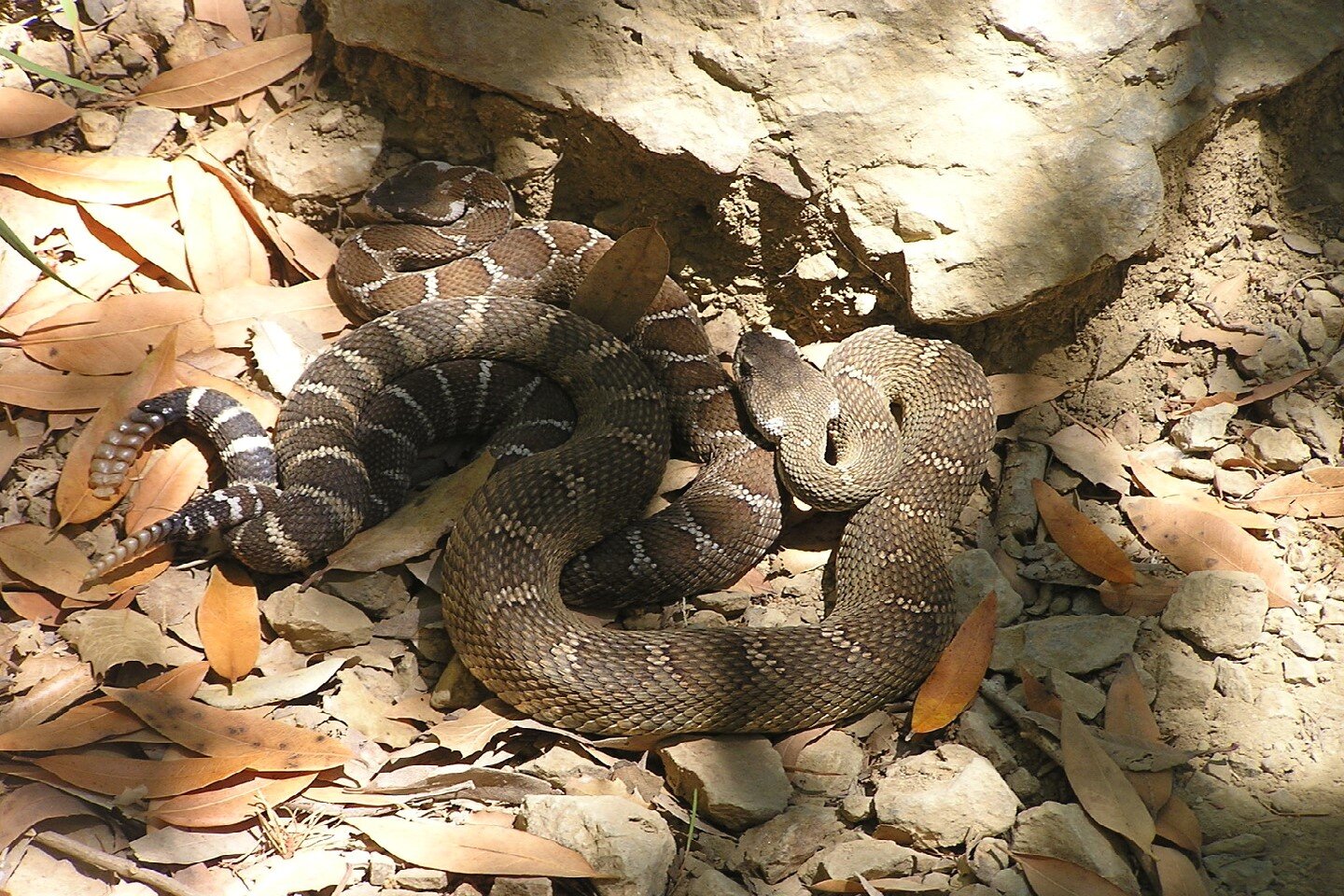
Serpents are legless reptiles. They move by bending their body and using scales on their abdomen.
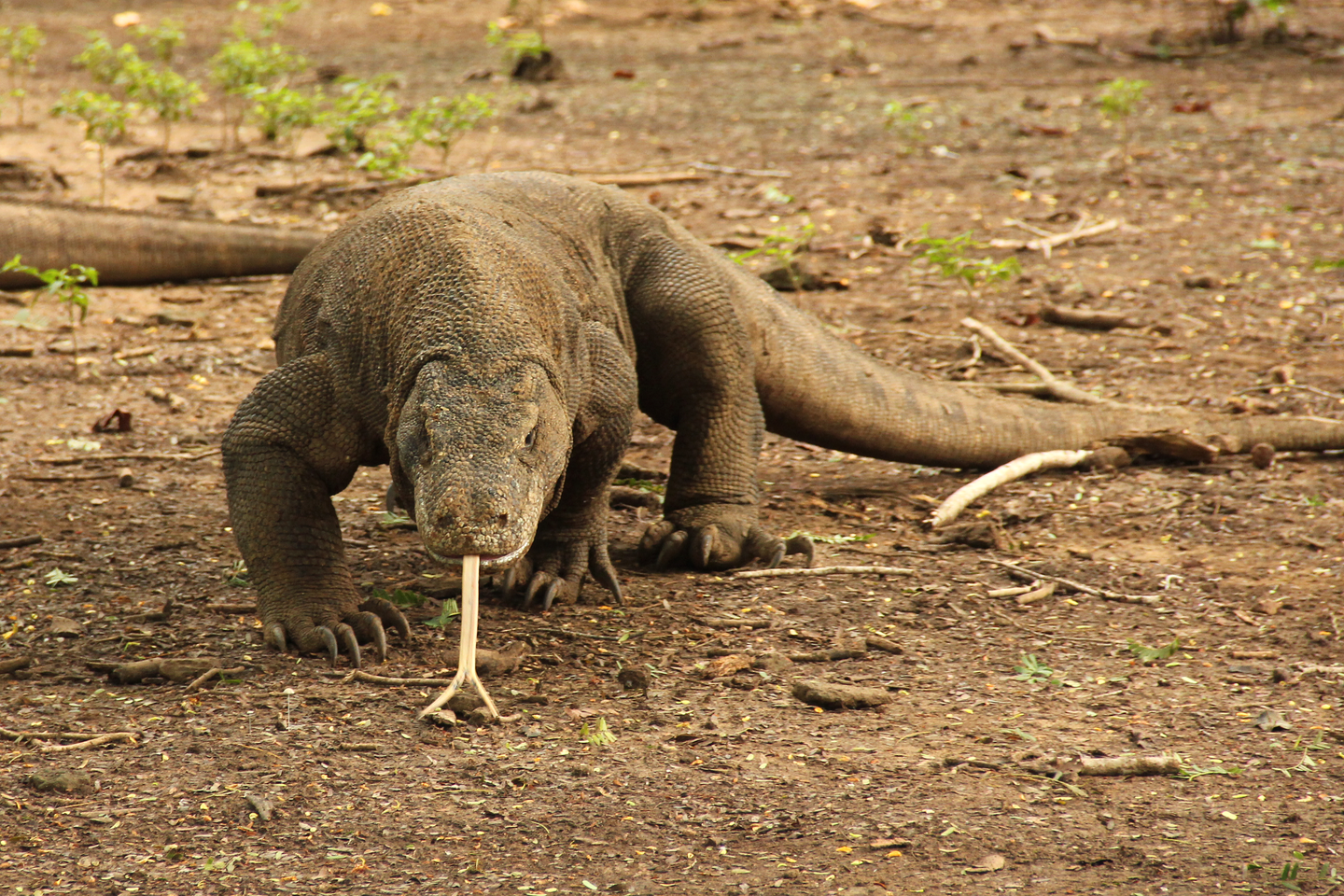
Lizards usually have appendages. Some of them are legless – they differ from serpents by the absence of scales on their abdomen.
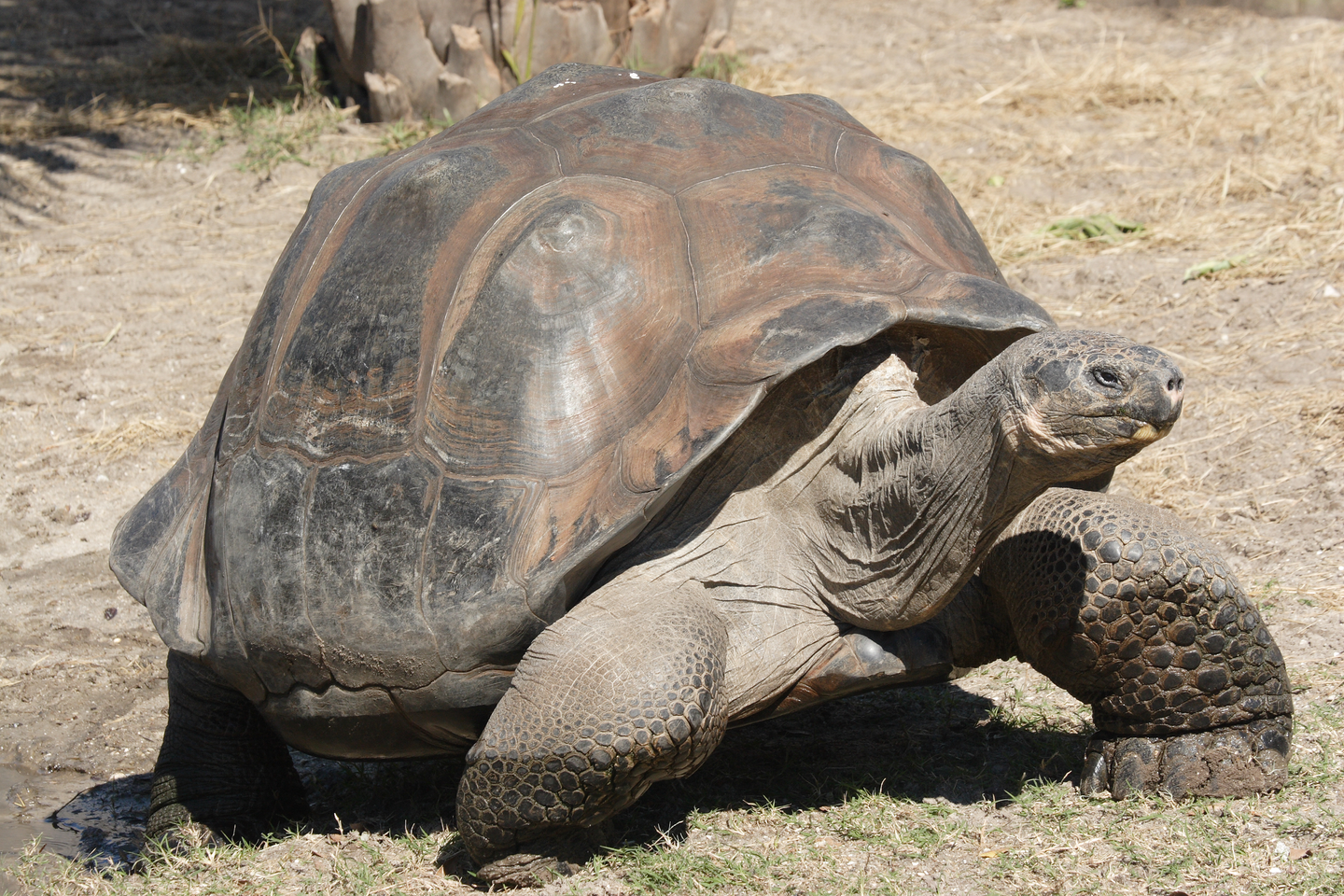
Turtles are distinguished by a body covered with casing made of large scales.
Crocodiles resemble large lizards, but their bodies are covered by hard horny scales.
Important!
All reptiles currently in existence are cold‑blooded animals, which means that their body temperature depends on the temperature of their environment. They cannot function in low temperature. That’s why they hibernate in winter.
R1VrcDPWlP0pM1
Zdjęcia poszczególnych etapów cyklu życia żółwia. Na pierwszej fotografii jaja składane przez żółwia do dołka wykopanego w ziemi. Na drugiej fotografii żółw wykluwający się z jaja. Na trzeciej fotografii mały żółw trzymany na dłoni. Na czwartej fotografii dorosły żółw kroczący wśród zielonych traw. Każda z fotografii posiada punkt, po którego kliknięciu wyświetlają się następujące opisy:
1. Eggs are laid solely on land. They are protected from drying out by special membranes and strong, leathery casing, sometimes saturated with calcium salts.,
2. Hatching. Eggs hatch and young tortoises emerge.,
3. Young tortoises have an internal structure and appearance that closely resembles adult specimens.,
4. The skin of reptiles is covered in scales or scutes. This makes their skin completely impermeable to water. All reptiles breathe through lungs.
Zdjęcia poszczególnych etapów cyklu życia żółwia. Na pierwszej fotografii jaja składane przez żółwia do dołka wykopanego w ziemi. Na drugiej fotografii żółw wykluwający się z jaja. Na trzeciej fotografii mały żółw trzymany na dłoni. Na czwartej fotografii dorosły żółw kroczący wśród zielonych traw. Każda z fotografii posiada punkt, po którego kliknięciu wyświetlają się następujące opisy:
1. Eggs are laid solely on land. They are protected from drying out by special membranes and strong, leathery casing, sometimes saturated with calcium salts.,
2. Hatching. Eggs hatch and young tortoises emerge.,
3. Young tortoises have an internal structure and appearance that closely resembles adult specimens.,
4. The skin of reptiles is covered in scales or scutes. This makes their skin completely impermeable to water. All reptiles breathe through lungs.
Lifecycle of reptiles
Source: Louisvdw, licencja: CC BY-SA 3.0.
Reptiles have an important role to play in nature. First of all, wherever they are present they act as predators who reduce the population of other animals. They themselves also constitute a source of food for many birds and mammals. Secondly, snake venom is used as an ingredient in various medicines. In certain countries, venomous snakes are hunted or bred specifically for this purpose.
RX5Vqh9AAUp33
Fotografia grzechotnika. Wąż leży na piasku. Końcówka ogona składa się z kilku pierścieni. Na ciele widoczny wzór z brązowych i szarych rombów. Romby oddzielone są od siebie białymi cienkimi fragmentami łusek. Grzechotnik wygrzewa się na kamieniach w półcieniu.
Rattlesnake
Source: Kid Cowboy, www.flickr.com, licencja: CC BY-SA 2.0.
RK5ptbrWQ4CmY
Zdjęcie warana z Komodo. Zwierzę jest jaszczurką mierzącą powyżej dwóch metrów długości. Ciało jaszczurki pokrywają łuski w kolorze szarym. Stoi przodem do obserwatora. Z pyska wystaje rozwidlony na końcu język. Pysk szeroki. Łapy masywne zakończone długimi pazurami.
Komodo dragon
Source: Viglianti, http://commons.wikimedia.org, licencja: CC BY-SA 3.0.
RK00jG5oXoW0G
Zdjęcie przedstawiające żółwia słoniowego. Pancerz żółwia ma wypukłą, spadzistą skorupę. Jest pokryta dużymi i gładkimi rogowymi tarczkami, od przodu wysoko uniesiony, z tyłu opada stromo. Głowa mała, osadzona na długiej szyi osłoniętej pomarszczoną skórą. Grube słupowate nogi, podobne do nóg słonia. Ciało żółwia jest szare. Skorupa szaro-brązowa.
Elephant tortoise
Source: Matthew Field,, Mfield, http://www.photography.mattfield.com, https://commons.wikimedia.org, licencja: CC BY-SA 3.0.
R1aAEBeGTTcQz
Fotografia przedstawia krokodyla leżącego na trawie nad brzegiem wody. Ma otwarty pysk. W paszczy liczne zęby. Spłaszczone ciało pokryte tarczkami, wypukłymi na grzbiecie w kilku rzędach.
Crocodile
Source: Bernard DUPONT, http://commons.wikimedia.org, licencja: CC BY-SA 2.0.
Na podstawie dostępnych opisów zwróć uwagę na cechy, które pozwalają odróżnić robaka powolnego od węży i pospolitego europejskiego osobnika od innych gatunków węży.
Na podstawie dostępnych opisów zwróć uwagę na cechy, które pozwalają odróżnić robaka powolnego od węży i pospolitego europejskiego osobnika od innych gatunków węży.
Task 1
On the basis of photographs and descriptions available to you, point out the characteristics that enable you to distinguish a slowworm from snakes and the common European adder from other species a serpents.
Reptiles living in Poland
Poland is a country in which winter reigns part of a year. So, it is not a reptile country. At least 9 species of these animals live in our country: 4 species of lizards, 4 species of snakes and 1 species of turtles. There are also reports on other species of reptiles in Poland. They are usually wild animals, but sometimes one can also encounter animals that escaped the breeders, especially turtles.
Polish reptiles
Polish reptiles
RmCzd9L8Q79M9
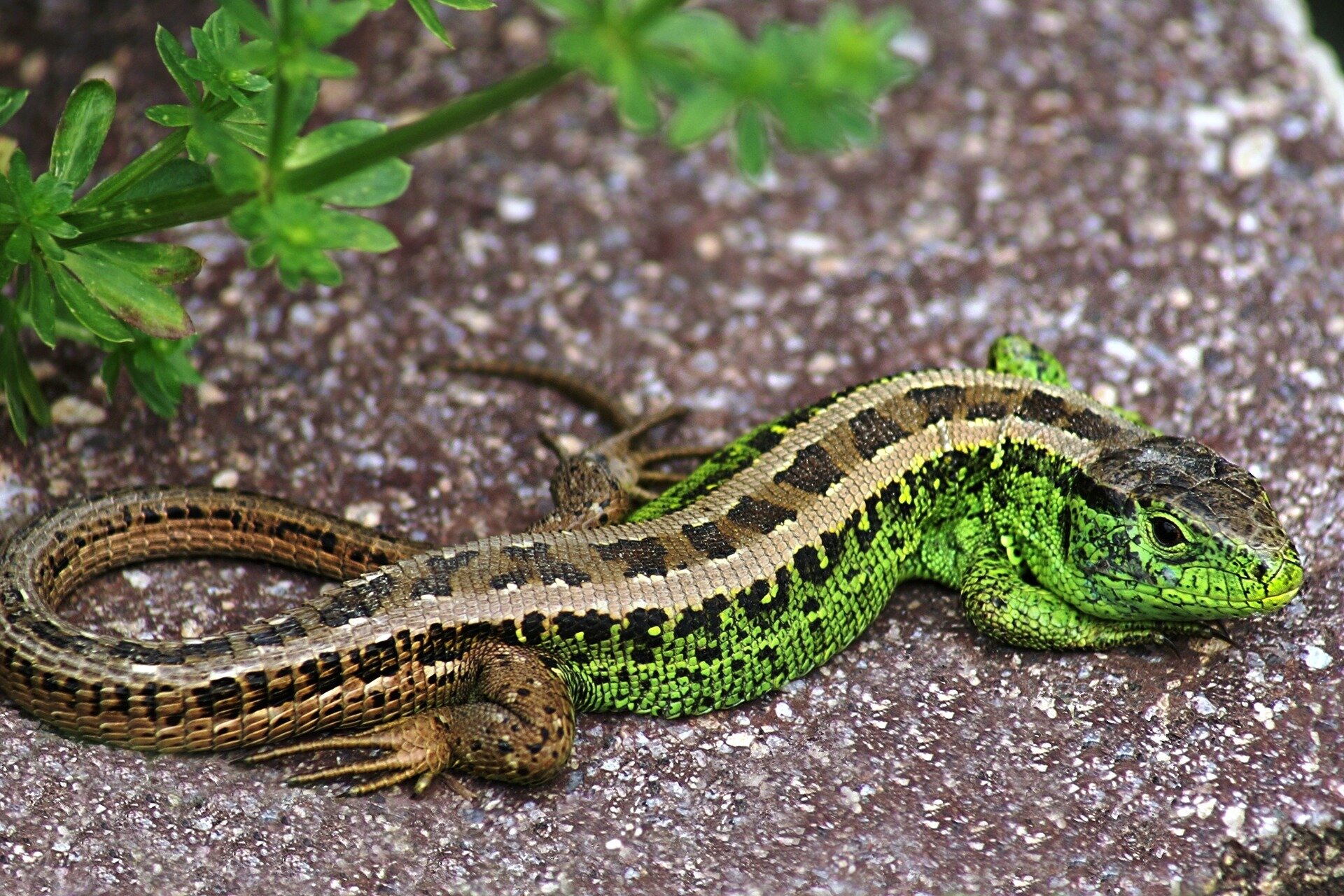
Fotografia przedstawia jaszczurkę zwinkę. Boki jaszczurki są zielone. Przez grzbiet biegnie brązowy pas z czarnymi plamkami. Taki też jest ogon. Stoi na twardym podłożu. Przód jaszczurki po prawej stronie zdjęcia. Krótkie łapy. Na ciele drobne łuski.
Sand lizard
Source: Böhringer Friedrich, http://commons.wikimedia.org, licencja: CC BY-SA 3.0.
R1ccKjbRwSGPW
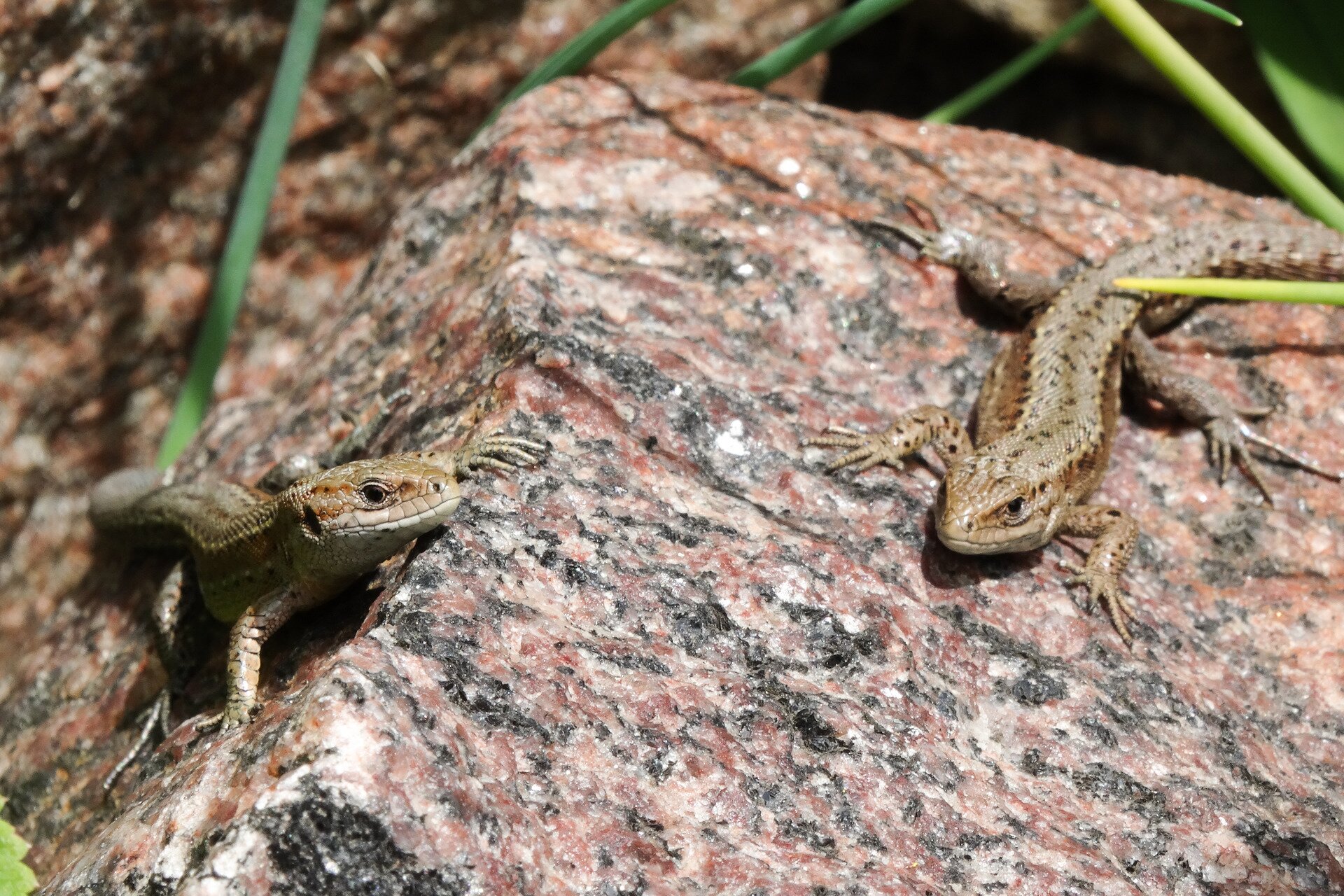
Fotografia przedstawia z dwie brązowe jaszczurki żyworodne. Stoją na kamieniu skierowane głowami w swoją stronę. Mają szerszy tułów i cienkie łapy z długimi palcami. Na głowie szerokie, na ciele drobne łuski. Boki ciemnobrązowe, grzbiet jaśniejszy. Całe ciało pokrywają gdzieniegdzie czarne plamki.
Viviparous lizard
Source: YuJeen, http://commons.wikimedia.org, licencja: CC BY 2.0.
R1L0ZUWP3cNME
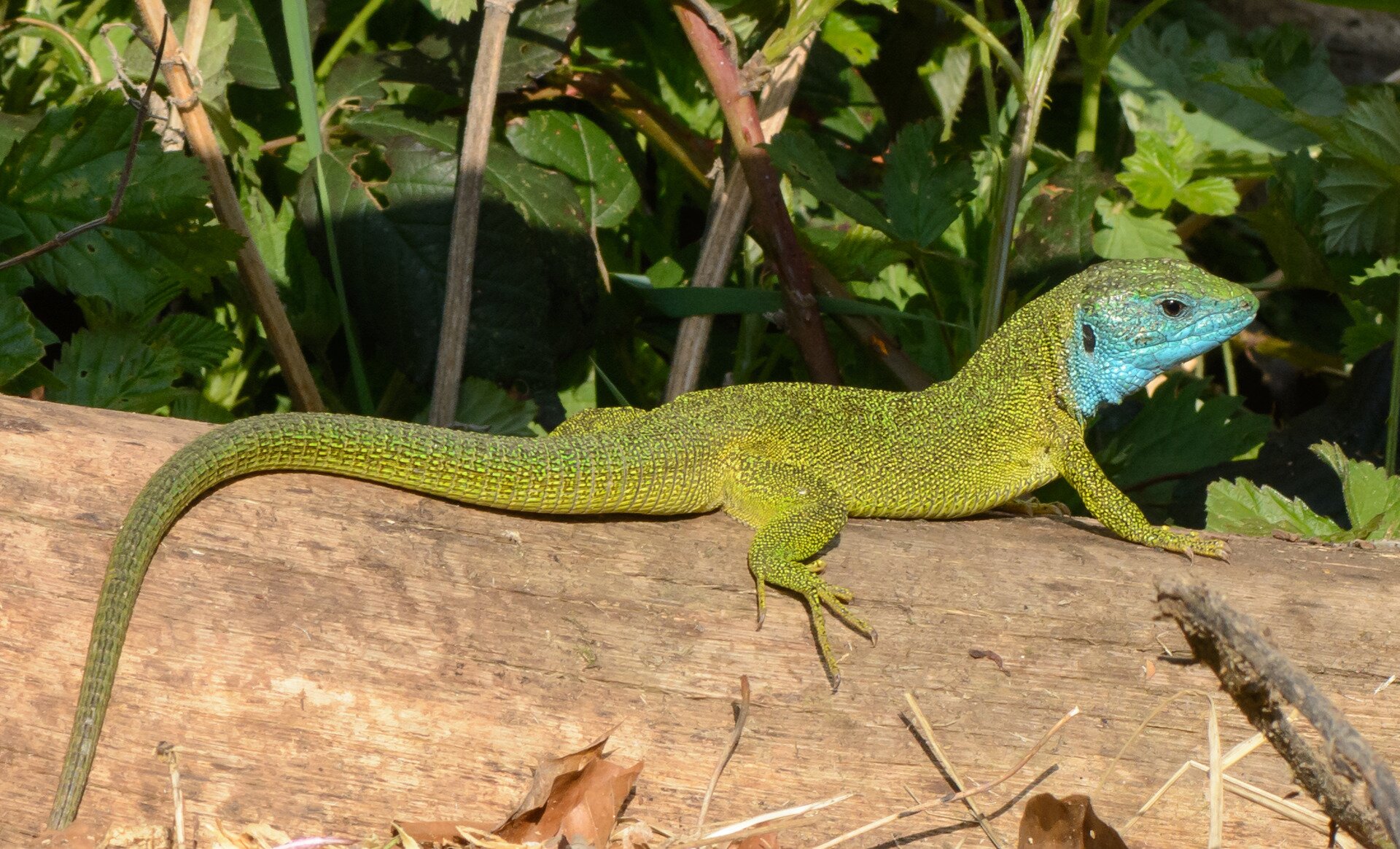
Fotografia przedstawia jaszczurkę zieloną na kawałku leżącego pnia. Wygrzewa się w słońcu. Głowa z niebieskim podgardlem. Reszta ciała zielona. Ma krótkie łapy z długimi palcami. Na ciele wyraźne łuski, na ogonie ułożone w pierścienie.
Green lizard
Source: Uoaei1, http://commons.wikimedia.org, licencja: CC BY-SA 4.0.
R1Aa2n7FZqWZt
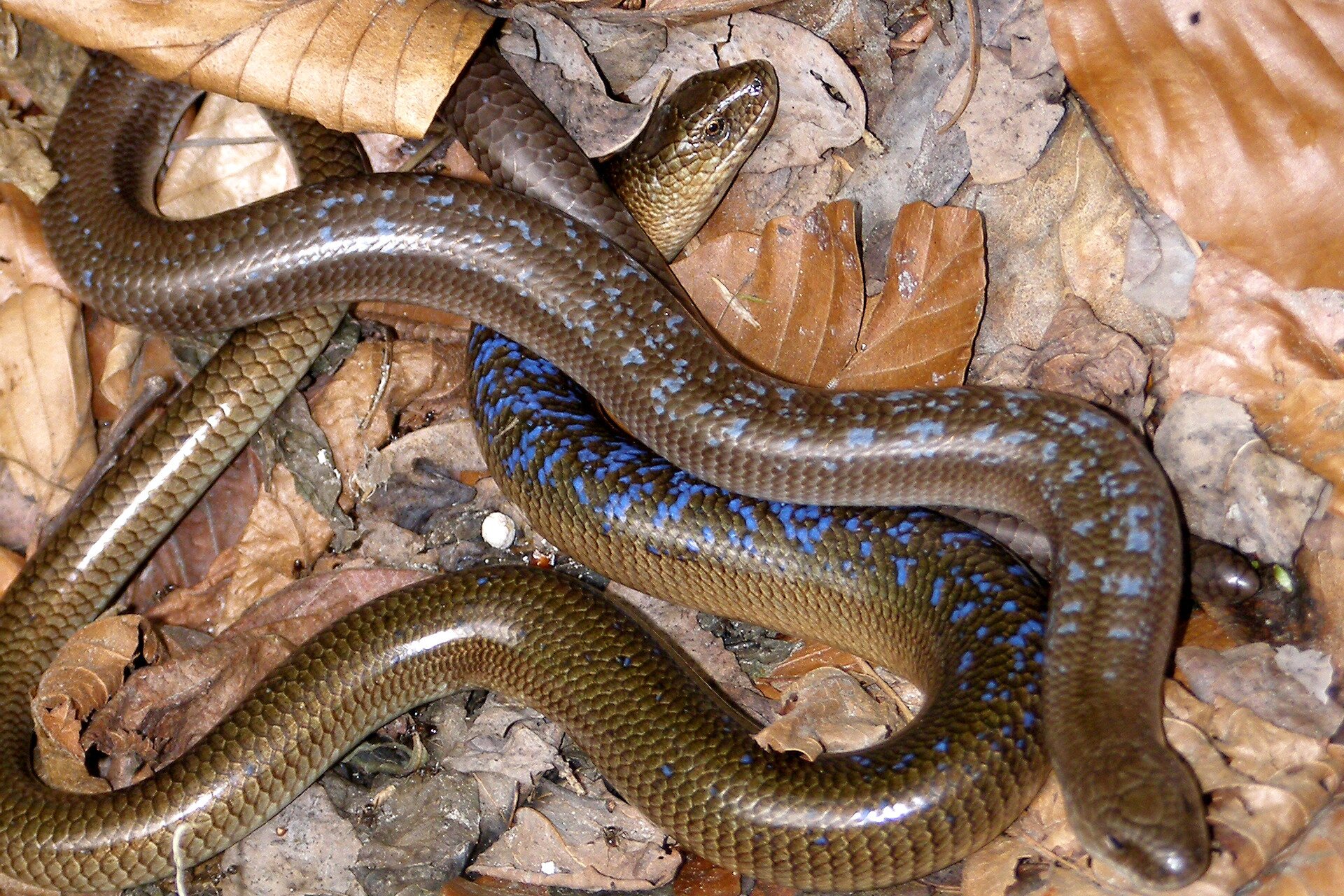
Fotografia przedstawia dwie brązowe jaszczurki beznogie – padalce. Leżą zwinięte na brązowych liściach. Głowa jest mała. Na ciele drobne łuski, gładkie, ułożone w rzędy. Na skórze do połowy węża niebieskie plamki.
Anguis
Source: Mircea Nita, www.flickr.com, licencja: CC BY 2.0.
RI0EMqnOFOPB5
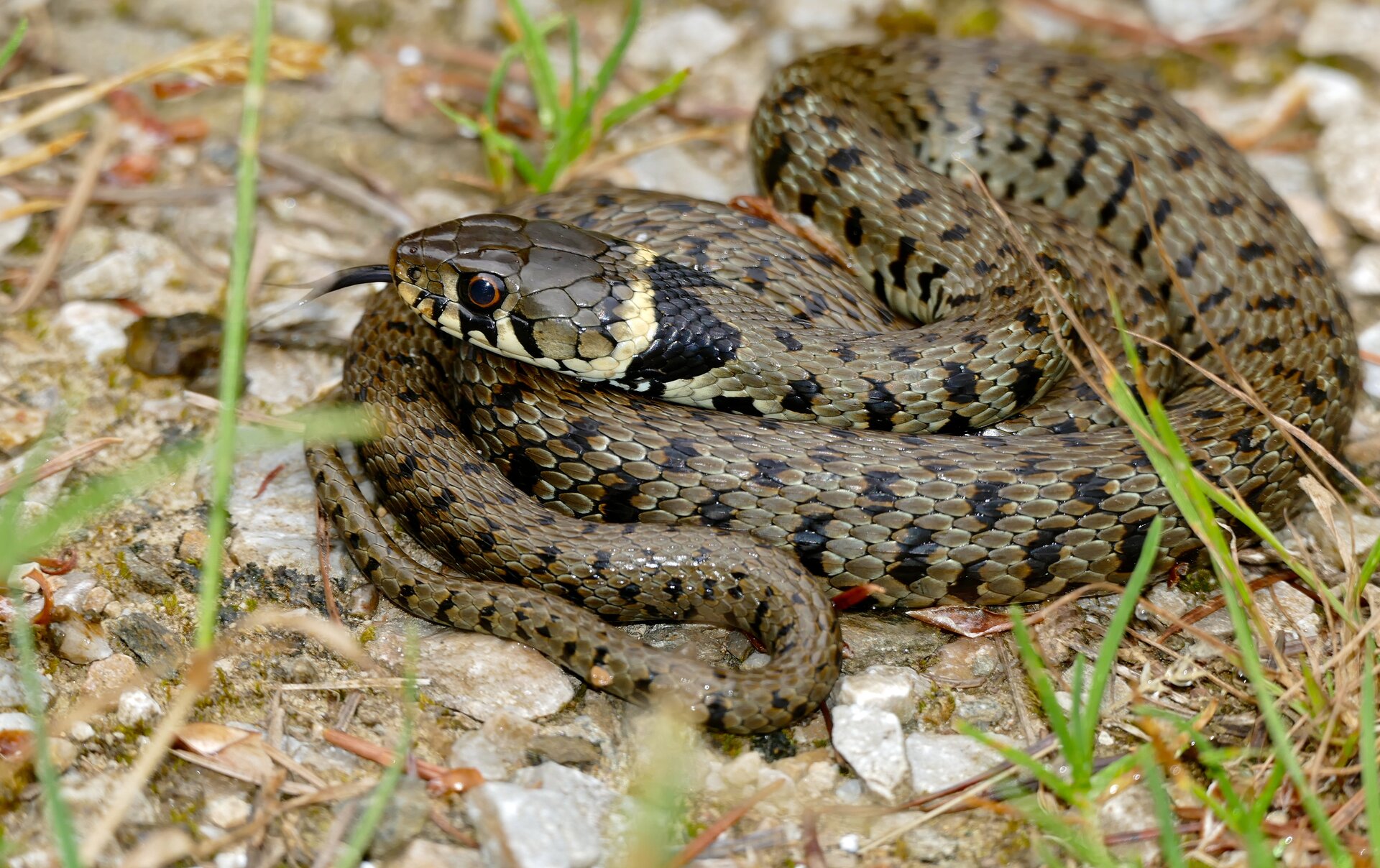
Fotografia przedstawia zwiniętego brązowego węża - zaskrońca, leżącego na ziemi. Leży zwinięty. Ciało jest brązowe z czarnymi plamkami. Ma uniesioną głowę, na spodzie jaśniejszą. Język wyciągnięty. Za głową dwie wyraźne żółte plamy.
Grass snake
Source: Bernard DUPONT, http://commons.wikimedia.org, licencja: CC BY-SA 2.0.
RbGKpXIVYijLo
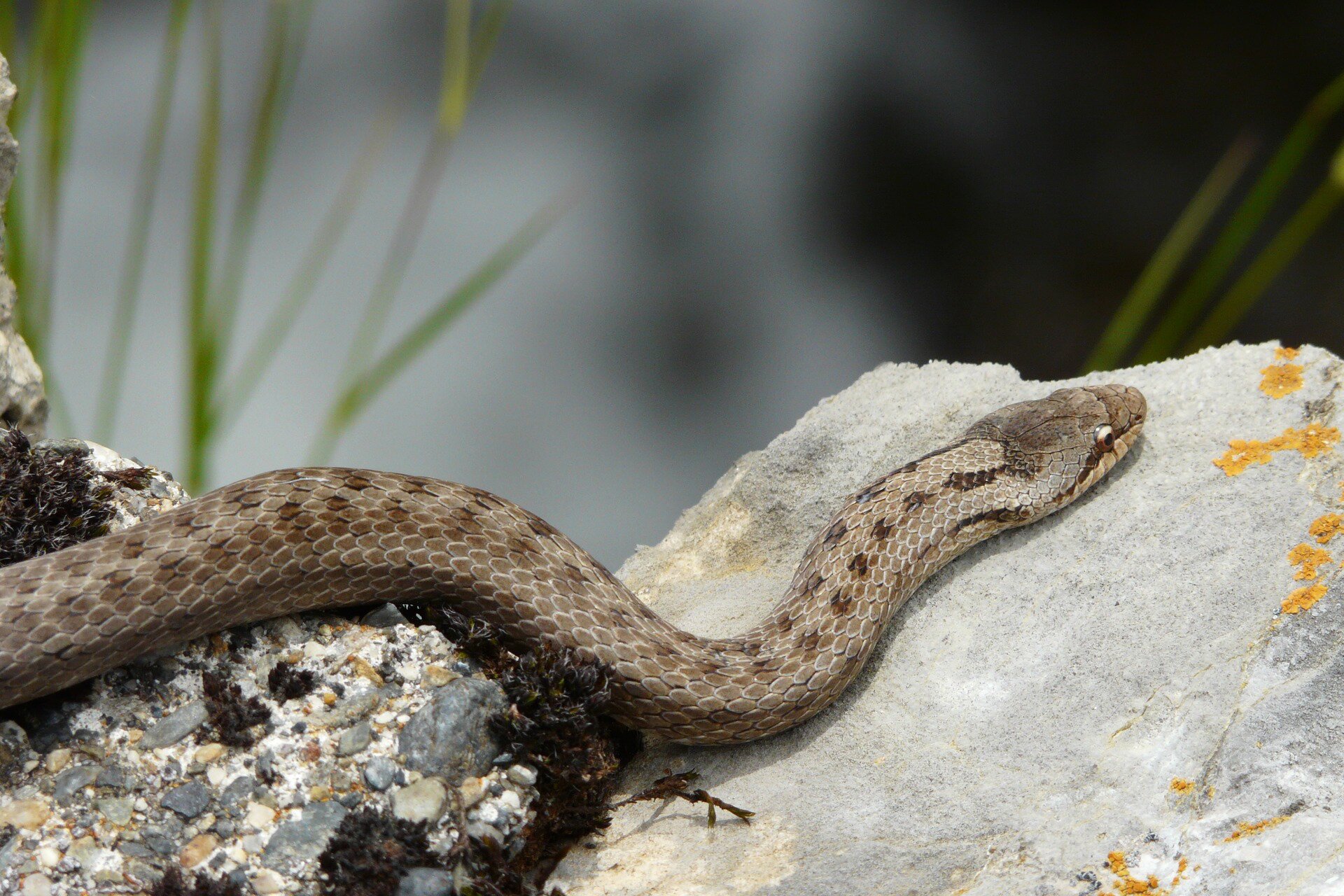
Fotografia przedstawia z góry brązowego węża - gniewosza, leżącego na szarym kamieniu. Ciało pokryte gładkimi, romboidalnymi łuskami.
Smooth snake
Source: Père Igor, http://commons.wikimedia.org, licencja: CC BY-SA 3.0.
RW6fQ6WLihY6R
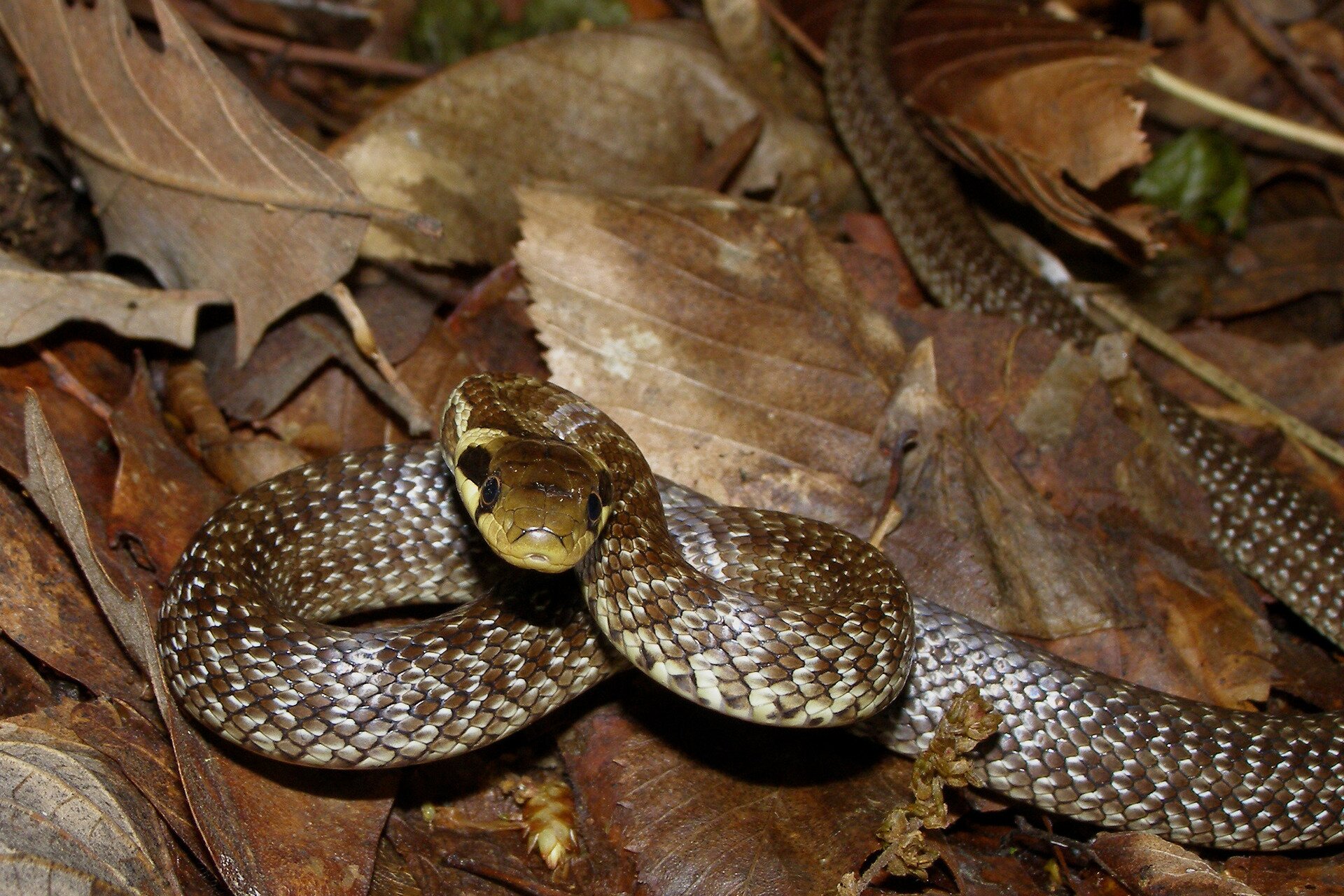
Fotografia przedstawia węża Eskulapa, leżącego na suchych liściach. Ma lekko uniesioną brązową głowę. Łuski na ciele gładkie, przylegające, szare.
Aesculapian snake
Source: Mircea Nit, www.flickr.com, licencja: CC BY 2.0.
RBn4vtK9AKgM8
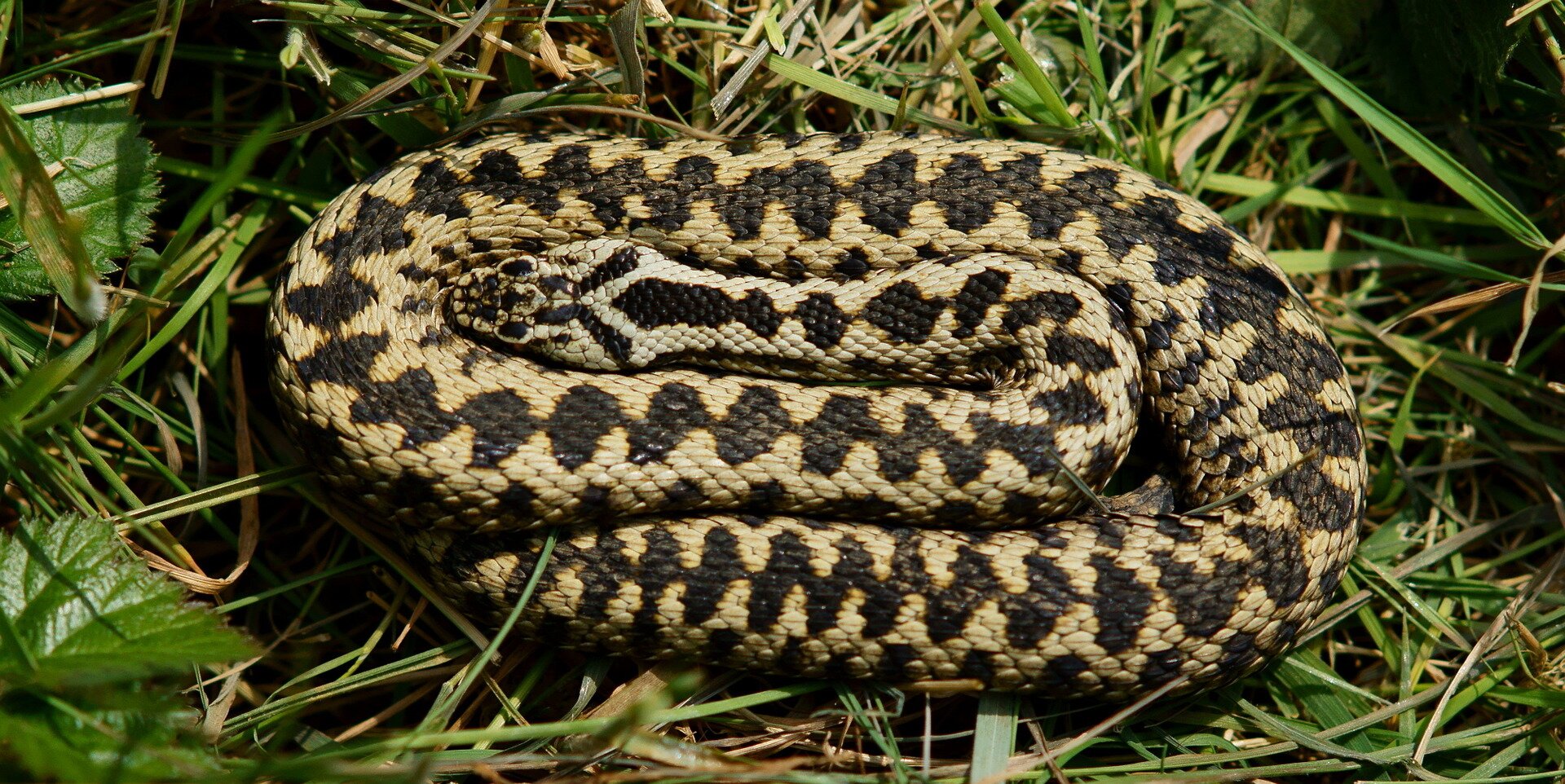
Fotografia przedstawia grubą, zwiniętą brązową żmiję, leżącą na trawie. Ma trójkątną głowę. Na ciele żmii zygzakowaty wzór z jasno- i ciemnobrązowych łusek.
Common European adder
Source: Peter Trimming, www.flickr.com, licencja: CC BY 2.0.
RmzafYnN3AMmt
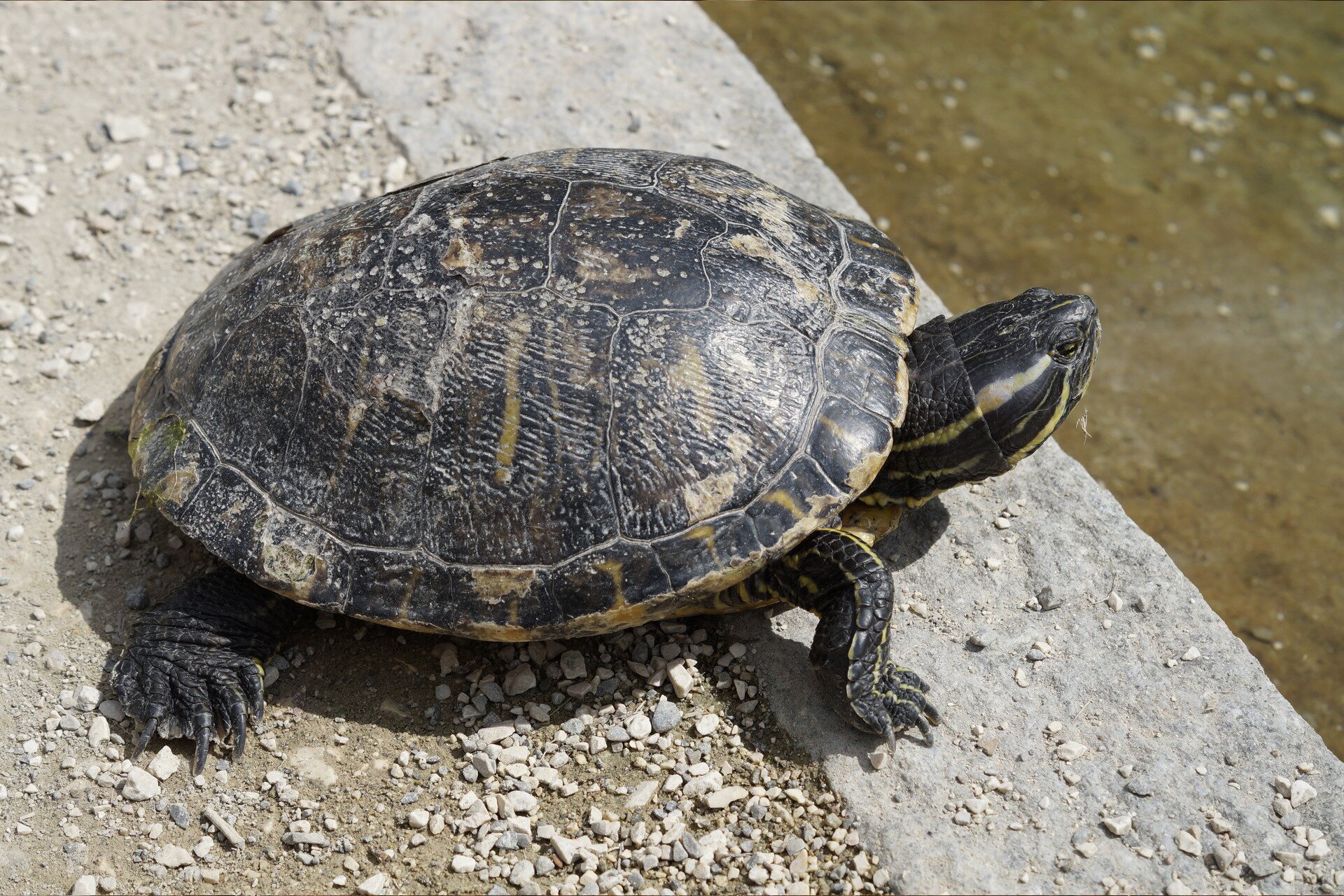
Fotografia przedstawia małego żółwia na murku przy wodzie. Żółw ma małą głowę, z żółtymi cienkimi paskami od dołu. Skorupa płaska, łuski szerokie, czarno-brązowe. Łapy masywne, na końcach pazury
European pond turtle
Source: Efraimstochter, http://pixabay.com, licencja: CC 0.
RX4ZevrhZ4L6S
Exercise 1
Spośród gadów poznanych na lekcji, wymień trzy, które występują w Polsce
Spośród gadów poznanych na lekcji, wymień trzy, które występują w Polsce
Source: Astrum, pete beard, xulescu_g, licencja: CC BY-SA 2.5.
Summary
Reptiles are fully adapted to life on land. They lay eggs on land, breathe through lungs, their skin does not permeate water and is covered with scales or scutes.
Modern reptiles belong to only several groups, the most prominent of which include serpents, lizards, turtles and crocodiles.
Homework
Task 2.1
Explain why the majority of reptile species live in the tropical zone, relatively few in the temperate zone and none at all in polar regions.
Match the pairs: English words with Polish definition. cold‑bloodedness Możliwe odpowiedzi: 1. zwierzęta o suchej skórze pokrytej łuskami lub tarczkami; należą do nich m.in. węże, jaszczurki i żółwie, 2. temperatura ciała zależy od temperatury otoczenia, 3. forma rozrodu płciowego zwierząt, w którym zarodki rozwijają się w jaju zaopatrzonym w substancje odżywcze, 4. forma rozrodu; młody organizm rozwija się w jaju, z którego wylęga się jeszcze w ciele samicy reptiles Możliwe odpowiedzi: 1. zwierzęta o suchej skórze pokrytej łuskami lub tarczkami; należą do nich m.in. węże, jaszczurki i żółwie, 2. temperatura ciała zależy od temperatury otoczenia, 3. forma rozrodu płciowego zwierząt, w którym zarodki rozwijają się w jaju zaopatrzonym w substancje odżywcze, 4. forma rozrodu; młody organizm rozwija się w jaju, z którego wylęga się jeszcze w ciele samicy oviparity Możliwe odpowiedzi: 1. zwierzęta o suchej skórze pokrytej łuskami lub tarczkami; należą do nich m.in. węże, jaszczurki i żółwie, 2. temperatura ciała zależy od temperatury otoczenia, 3. forma rozrodu płciowego zwierząt, w którym zarodki rozwijają się w jaju zaopatrzonym w substancje odżywcze, 4. forma rozrodu; młody organizm rozwija się w jaju, z którego wylęga się jeszcze w ciele samicy ovovivipary Możliwe odpowiedzi: 1. zwierzęta o suchej skórze pokrytej łuskami lub tarczkami; należą do nich m.in. węże, jaszczurki i żółwie, 2. temperatura ciała zależy od temperatury otoczenia, 3. forma rozrodu płciowego zwierząt, w którym zarodki rozwijają się w jaju zaopatrzonym w substancje odżywcze, 4. forma rozrodu; młody organizm rozwija się w jaju, z którego wylęga się jeszcze w ciele samicy
Match the pairs: English words with Polish definition. cold‑bloodedness Możliwe odpowiedzi: 1. zwierzęta o suchej skórze pokrytej łuskami lub tarczkami; należą do nich m.in. węże, jaszczurki i żółwie, 2. temperatura ciała zależy od temperatury otoczenia, 3. forma rozrodu płciowego zwierząt, w którym zarodki rozwijają się w jaju zaopatrzonym w substancje odżywcze, 4. forma rozrodu; młody organizm rozwija się w jaju, z którego wylęga się jeszcze w ciele samicy reptiles Możliwe odpowiedzi: 1. zwierzęta o suchej skórze pokrytej łuskami lub tarczkami; należą do nich m.in. węże, jaszczurki i żółwie, 2. temperatura ciała zależy od temperatury otoczenia, 3. forma rozrodu płciowego zwierząt, w którym zarodki rozwijają się w jaju zaopatrzonym w substancje odżywcze, 4. forma rozrodu; młody organizm rozwija się w jaju, z którego wylęga się jeszcze w ciele samicy oviparity Możliwe odpowiedzi: 1. zwierzęta o suchej skórze pokrytej łuskami lub tarczkami; należą do nich m.in. węże, jaszczurki i żółwie, 2. temperatura ciała zależy od temperatury otoczenia, 3. forma rozrodu płciowego zwierząt, w którym zarodki rozwijają się w jaju zaopatrzonym w substancje odżywcze, 4. forma rozrodu; młody organizm rozwija się w jaju, z którego wylęga się jeszcze w ciele samicy ovovivipary Możliwe odpowiedzi: 1. zwierzęta o suchej skórze pokrytej łuskami lub tarczkami; należą do nich m.in. węże, jaszczurki i żółwie, 2. temperatura ciała zależy od temperatury otoczenia, 3. forma rozrodu płciowego zwierząt, w którym zarodki rozwijają się w jaju zaopatrzonym w substancje odżywcze, 4. forma rozrodu; młody organizm rozwija się w jaju, z którego wylęga się jeszcze w ciele samicy
Match the pairs: English words with Polish definition.
zwierzęta o suchej skórze pokrytej łuskami lub tarczkami; należą do nich m.in. węże, jaszczurki i żółwie, temperatura ciała zależy od temperatury otoczenia, forma rozrodu płciowego zwierząt, w którym zarodki rozwijają się w jaju zaopatrzonym w substancje odżywcze, forma rozrodu; młody organizm rozwija się w jaju, z którego wylęga się jeszcze w ciele samicy