Sprawdź się
Show exercises:
Exercise 1
Drag and drop the elements to match them with the appropriate definitions.
Źródło: GroMar Sp. z o.o., licencja: CC BY-SA 3.0.
Exercise 1
Źródło: GroMar Sp. z o.o., licencja: CC BY-SA 3.0.
Exercise 2
- At the beginning of your foreign language learning adventure, it’s important to 1. achieve goals, 2. set goals, 3. translate, 4. body language, 5. gestures, 6. interpret that are easily attainable.
- Our teachers help students develop their skills and 1. achieve goals, 2. set goals, 3. translate, 4. body language, 5. gestures, 6. interpret connected with obtaining higher grades on tests.
- Communication doesn’t always happen verbally. Sometimes we use 1. achieve goals, 2. set goals, 3. translate, 4. body language, 5. gestures, 6. interpret to express our feelings.
- Our workers help to prepare applications and 1. achieve goals, 2. set goals, 3. translate, 4. body language, 5. gestures, 6. interpret documents into different languages.
- You have to be prepared to read and 1. achieve goals, 2. set goals, 3. translate, 4. body language, 5. gestures, 6. interpret complicated texts and learn sophisticated vocabulary.
- You should realise that 1. achieve goals, 2. set goals, 3. translate, 4. body language, 5. gestures, 6. interpret are powerful communication tools.
Źródło: GroMar Sp. z o.o., licencja: CC BY-SA 3.0.
Exercise 3
- You feel discouraged when you
a) are less positive and enthusiastic about something.
b) aren’t brave enough.
c) have less energy to do something.
- Knowledge means
a) the ability to learn something.
b) knowing a lot.
c) understanding obtained information by experience or study.
- Language resources are
a) only printed materials for language learning.
b) only digital materials for language learning.
c) any types of materials used in the improvement of language skills.
- An example of a language app is
a) Babbel.
b) Skype.
c) SpeakingLab.
- When you bear something in mind, you
a) regret it.
b) remember it.
c) reminisce about it.
- The synonym for jotting down is:
a) take down
b) pull down
c) note down
- In spaced repetition you use
a) flashcards.
b) daily habits.
c) a vocabulary notebook.
Źródło: GroMar Sp. z o.o., licencja: CC BY-SA 3.0.
Exercise 4
2. If I 1. make, 2. listen, 3. will, 4. would, 5. had, 6. had, 7. been, 8. liked, 9. sign, 10. gain, 11. were, 12. speak, 13. understood, 14. learn, 15. have, 16. made you, I would 1. make, 2. listen, 3. will, 4. would, 5. had, 6. had, 7. been, 8. liked, 9. sign, 10. gain, 11. were, 12. speak, 13. understood, 14. learn, 15. have, 16. made the lyrics of my favourite songs by heart.
3. If Sam 1. make, 2. listen, 3. will, 4. would, 5. had, 6. had, 7. been, 8. liked, 9. sign, 10. gain, 11. were, 12. speak, 13. understood, 14. learn, 15. have, 16. made English a bit more, he would 1. make, 2. listen, 3. will, 4. would, 5. had, 6. had, 7. been, 8. liked, 9. sign, 10. gain, 11. were, 12. speak, 13. understood, 14. learn, 15. have, 16. made to English podcasts.
4. If you 1. make, 2. listen, 3. will, 4. would, 5. had, 6. had, 7. been, 8. liked, 9. sign, 10. gain, 11. were, 12. speak, 13. understood, 14. learn, 15. have, 16. made up for our summer course, you 1. make, 2. listen, 3. will, 4. would, 5. had, 6. had, 7. been, 8. liked, 9. sign, 10. gain, 11. were, 12. speak, 13. understood, 14. learn, 15. have, 16. made be able to develop your speaking skills.
5. If you 1. make, 2. listen, 3. will, 4. would, 5. had, 6. had, 7. been, 8. liked, 9. sign, 10. gain, 11. were, 12. speak, 13. understood, 14. learn, 15. have, 16. made at least one foreign language, you will 1. make, 2. listen, 3. will, 4. would, 5. had, 6. had, 7. been, 8. liked, 9. sign, 10. gain, 11. were, 12. speak, 13. understood, 14. learn, 15. have, 16. made better work prospects.
6. If we 1. make, 2. listen, 3. will, 4. would, 5. had, 6. had, 7. been, 8. liked, 9. sign, 10. gain, 11. were, 12. speak, 13. understood, 14. learn, 15. have, 16. made known the language apps you recommended were so good, we would 1. make, 2. listen, 3. will, 4. would, 5. had, 6. had, 7. been, 8. liked, 9. sign, 10. gain, 11. were, 12. speak, 13. understood, 14. learn, 15. have, 16. made used them for the exam preparation.
7. If I had 1. make, 2. listen, 3. will, 4. would, 5. had, 6. had, 7. been, 8. liked, 9. sign, 10. gain, 11. were, 12. speak, 13. understood, 14. learn, 15. have, 16. made more careful, I wouldn’t have 1. make, 2. listen, 3. will, 4. would, 5. had, 6. had, 7. been, 8. liked, 9. sign, 10. gain, 11. were, 12. speak, 13. understood, 14. learn, 15. have, 16. made so many mistakes.
Źródło: GroMar Sp. z o.o., licencja: CC BY-SA 3.0.
Exercise 5
Źródło: GroMar Sp. z o.o., licencja: CC BY-SA 3.0.
Exercise 6
Źródło: GroMar Sp. z o.o., licencja: CC BY-SA 3.0.
Exercise 7
Answer the question in 6‑7 sentences.
Źródło: GroMar Sp. z o.o., licencja: CC BY-SA 3.0.
Exercise 7
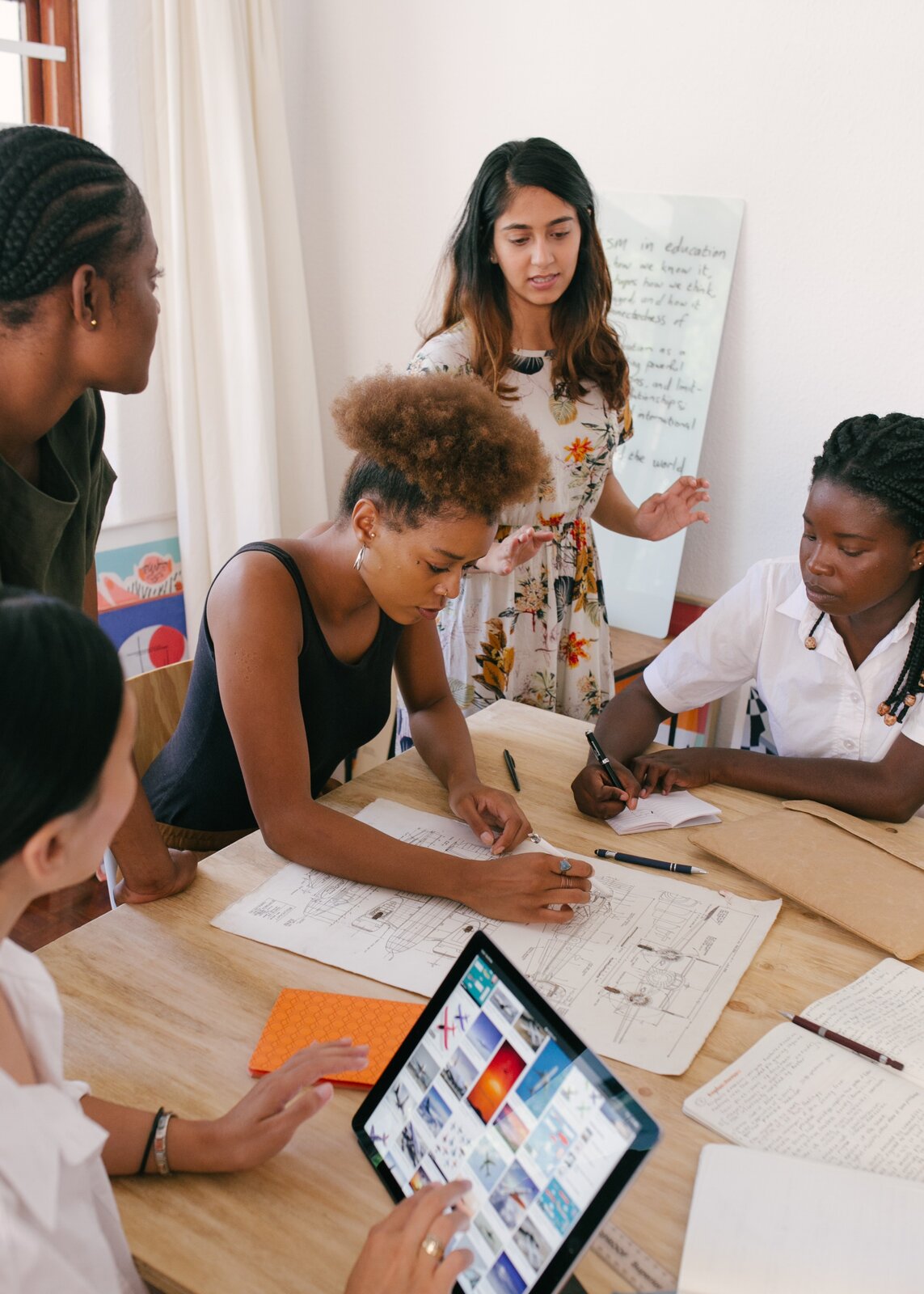
Look at the picture and complete the sentences to describe it.
Źródło: dostępny w internecie: www.pexels.com [dostęp 27.10.2021], domena publiczna.
The picture was taken…
The students…
The students are learning...
They can…
If I participated in the lesson I would…
Źródło: GroMar Sp. z o.o., licencja: CC BY-SA 3.0.
Exercise 8
You have recently come back from a language course in Chester, England. In an e‑mail to a friend write:
when and where the course took place and how long it lasted;
how many classes there were, how they were organised, and how many students participated in them;
where you stayed and how it benefited you;
what extra activities and trips there were.
Your e‑mail should have 100–150 words.
Źródło: GroMar Sp. z o.o., licencja: CC BY-SA 3.0.