Steppes
the Earth’s climate zones;
that there is a link between climate and the illumination of the Earth.
to describe where steppes can be found and their characteristic features;
to describe the climatic conditions prevalent on the steppes;
to present the economic importance of steppes in the future and at present.
Steppe climate and landscape
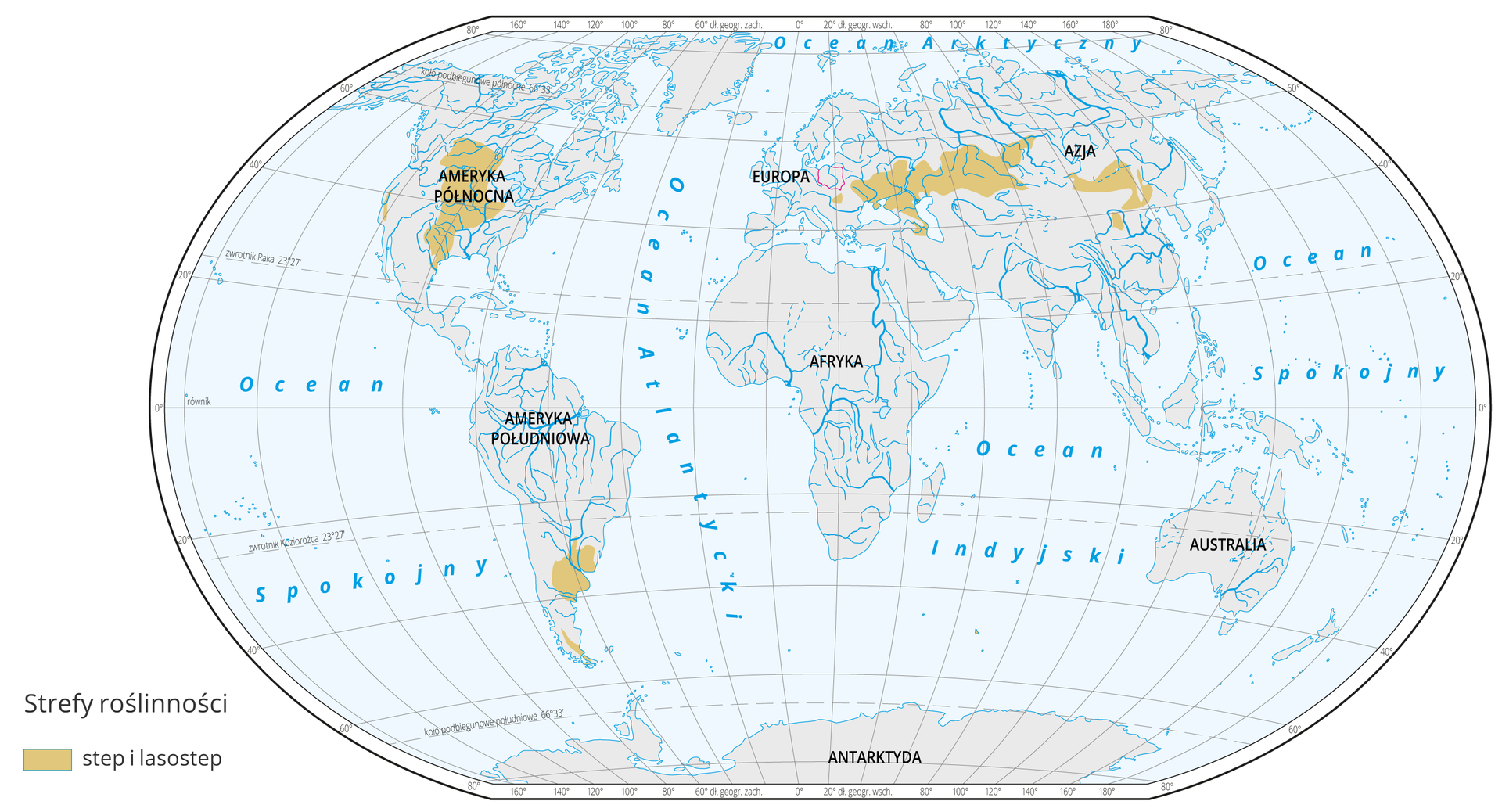
In the temperate climate, areas located far away from seashore have developed a steppe landscape. In these regions, the Sun never reaches its zenithzenith. A large distance from the sea means that air is dry and there is little rainfall. The summer is hot and dry, wheras winter is cold and also dry. Rainfall and moderate air temperatures occur for a relatively short period of time in the spring and autumn. Such type of temperate climate is called a continental climate.
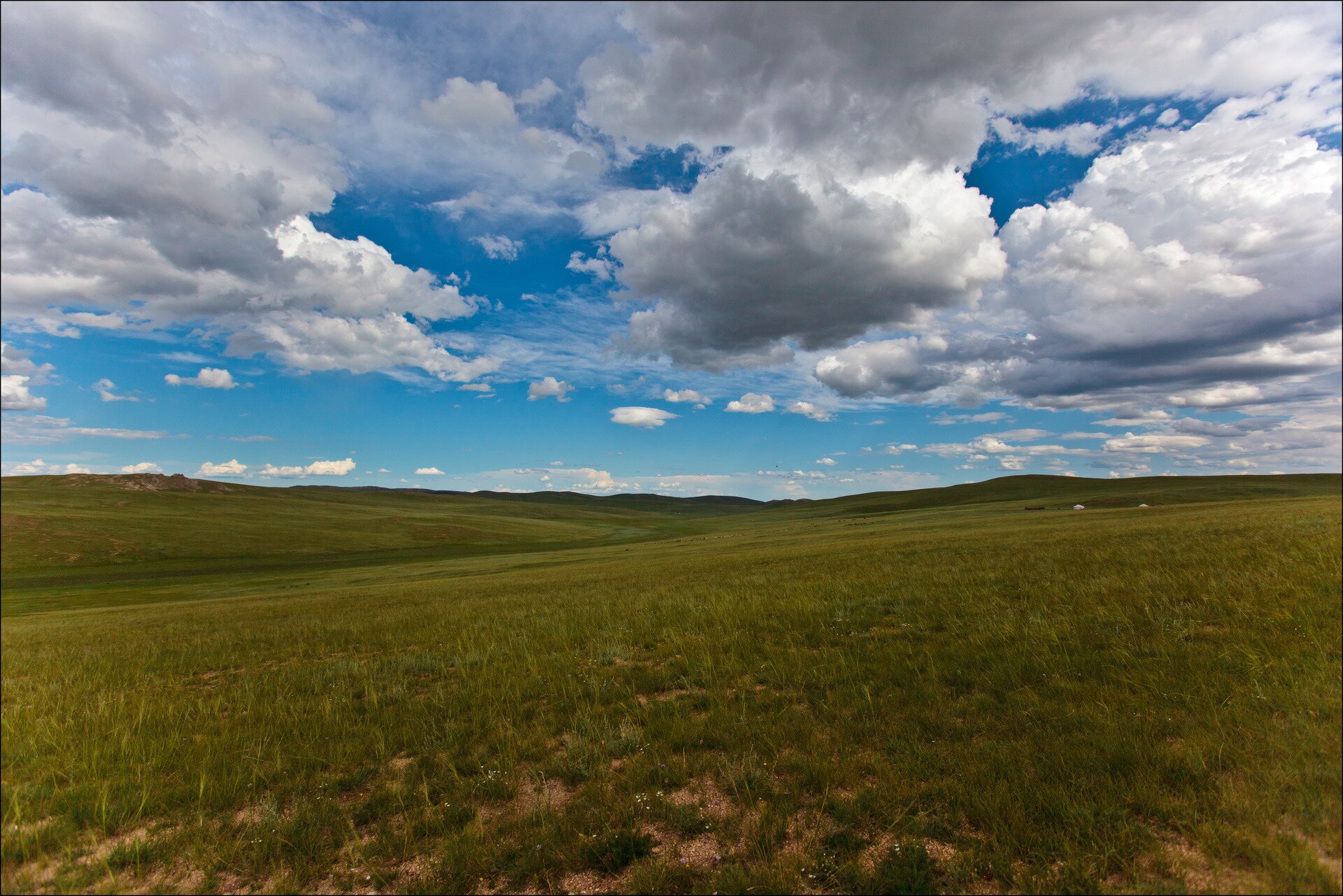
In spring when temperatures are moderate and soil absorbs water from the melting snow, grass becomes greener and bulbs and rhizomesrhizomes hidden in the soil can grow. The amount of water in the soil from rainfall, for instance, is too low to enable forests to grow there; even shrubs appear sporadically. Lakes are extremely rarely seen and rivers have their sources in more humid areas. The terrain is dominated by expansive, flat or slightly rippled surfaces covered in tall grass. The name “steppe” used in Poland comes from the Ukrainian language. In North America, such plant formation is called a prairie, whereas in South America – a pampa.

Humans on steppes
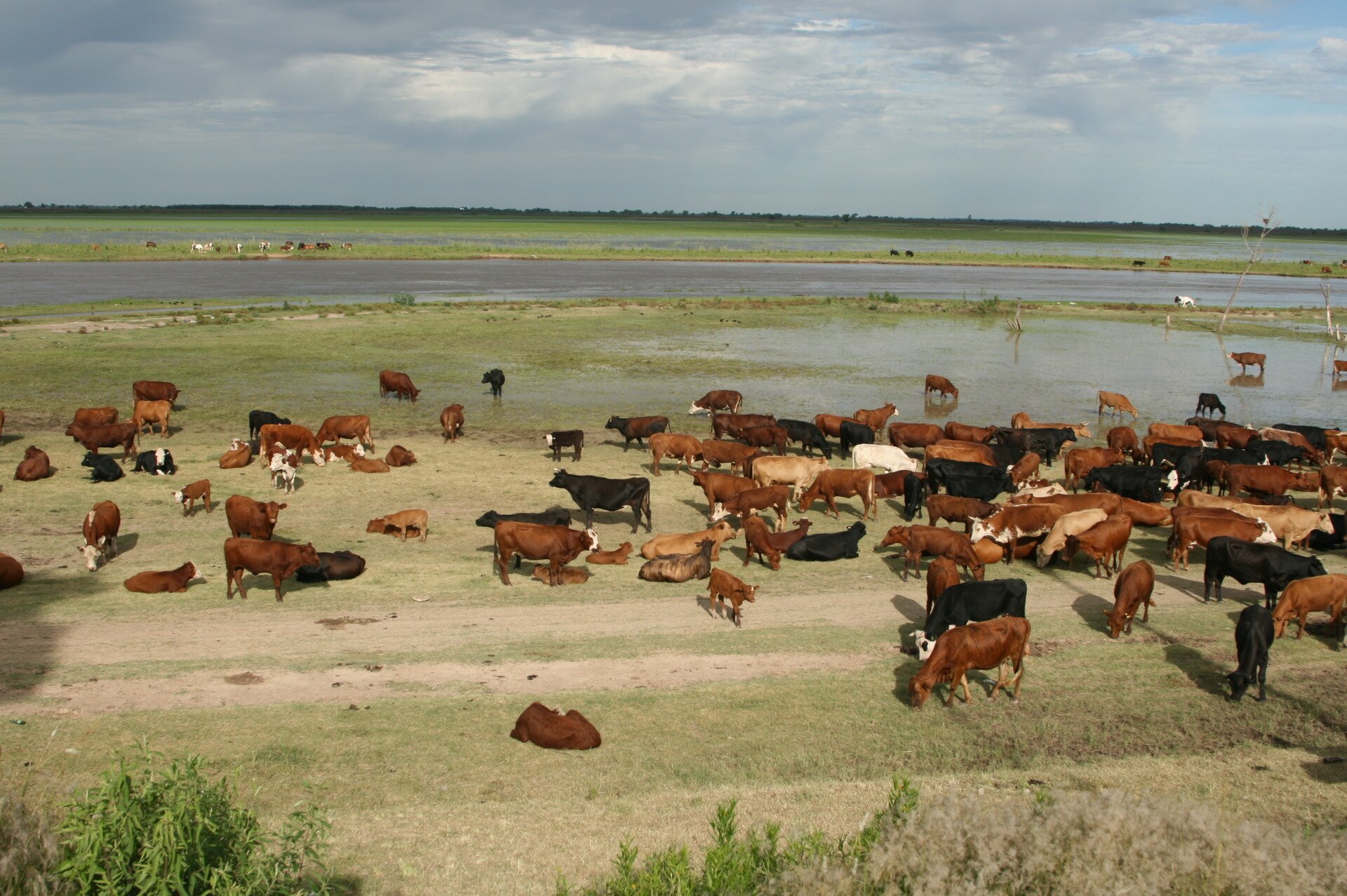
The steppe soil is fertile and rich in humus, allowing for abundant crop yields. Despite that fact, life on the steppes has its challenges. There is insufficient water and not many plants that produce edible fruit. Due to the absence of trees, there are no natural refuges against summer heat, winter cold and strong wings that blow almost without reprieve. Despite these difficulties, humans arrived on the steppes hundreds and in certain places even tens of thousands of years ago. They breed animals, mainly cattle. Animals were bread for milk and meat. Skins, bones and cottons, on the other hand, were materials used in the construction of portable houses called yurtsyurts (in Asia) or teepeesteepees (in America). Skins were used to make clothing, whereas cotton became the raw material in the production of linens, carpets and blankets. Even dried animal excrement was used as fuel or construction material. To this day, you can find shepherds who lead such a lifestyle in Mongolia.
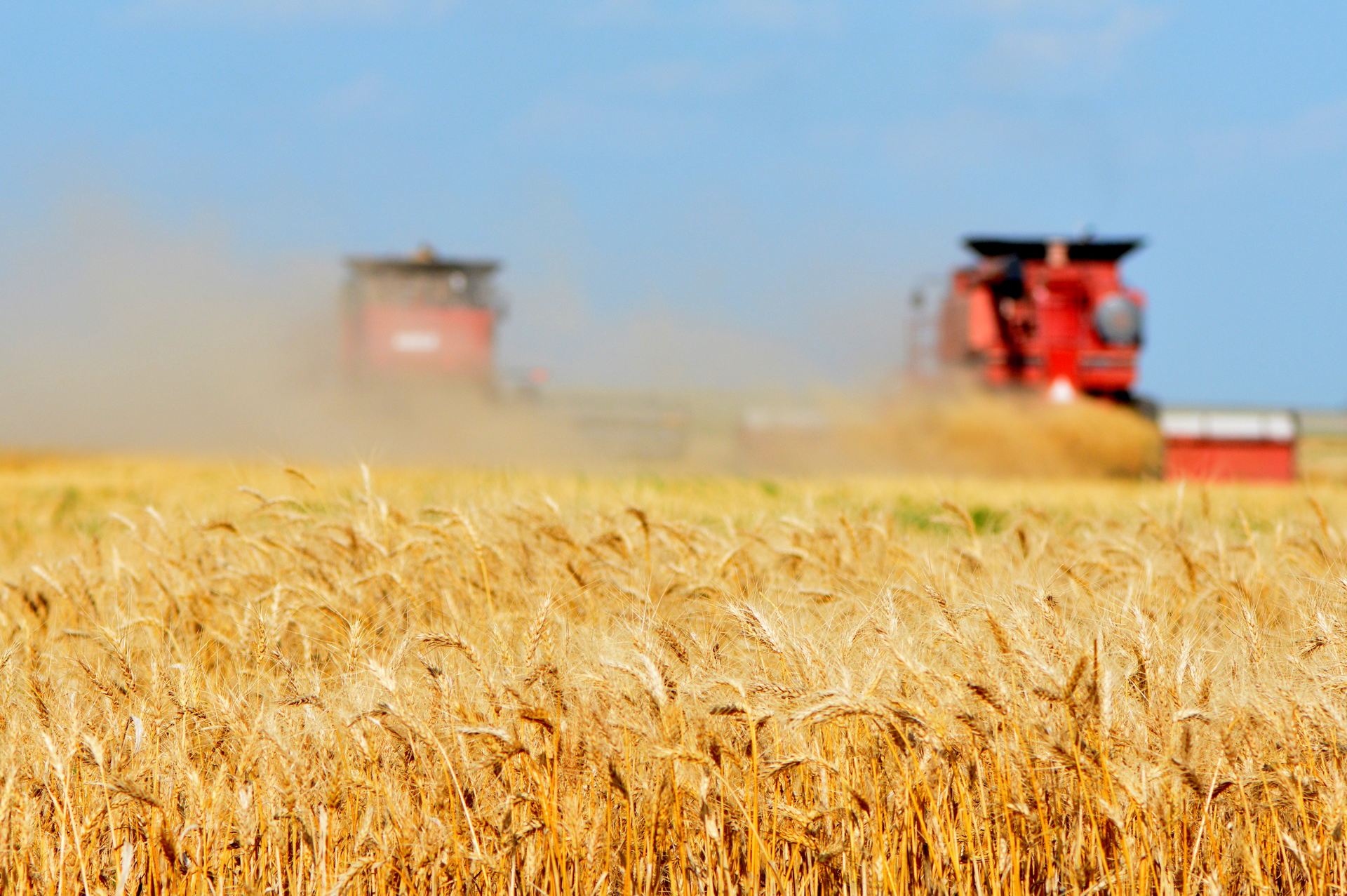
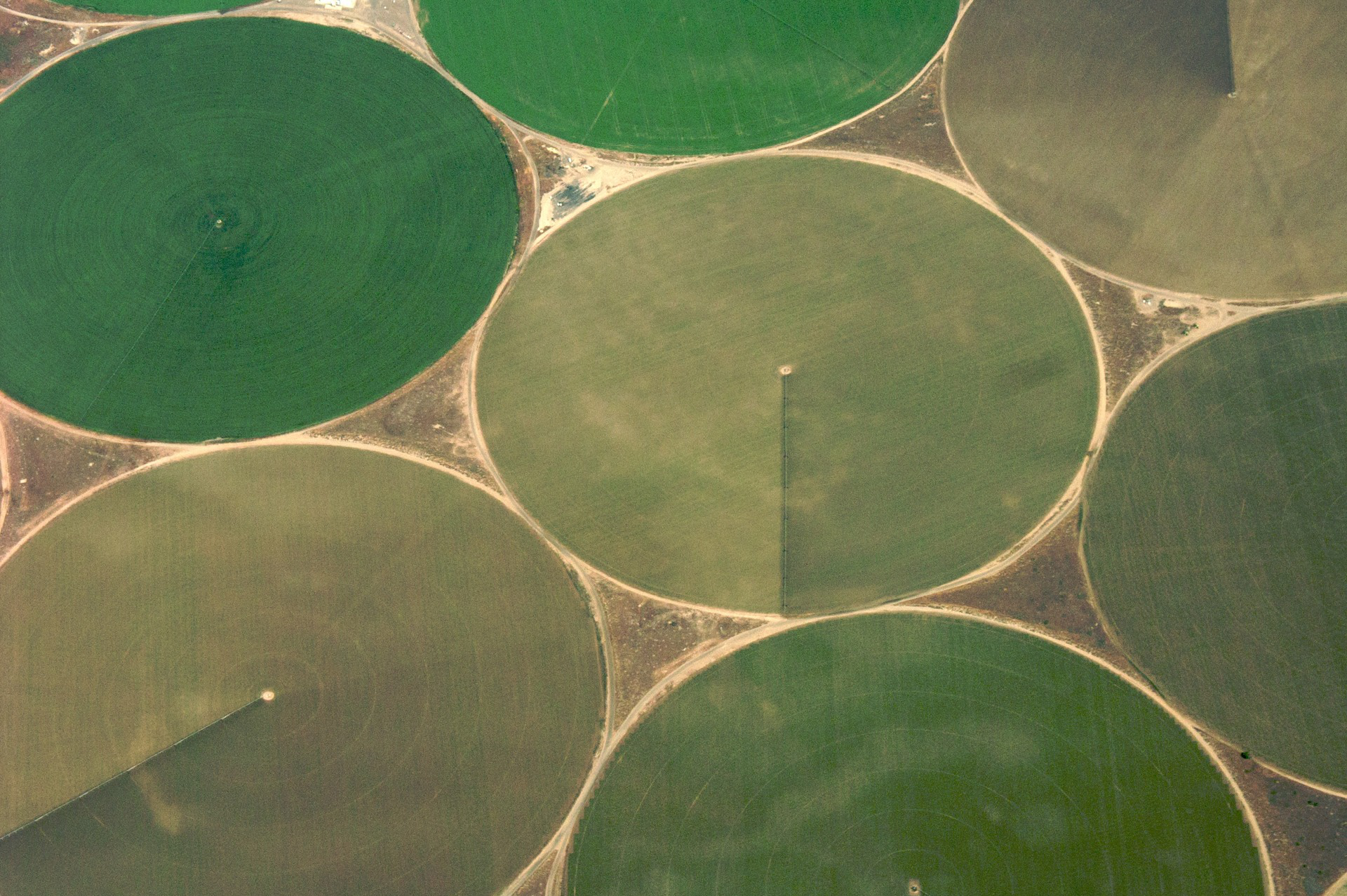
Steppes are characterised by the most fertile arable soil – black soil. However, climatic conditions allow only grasses and other herbaceous plants to grow and develop. That’s why after a major part of the steppes, prairies and pampas has been ploughed, they have been transformed into fields on which mainly cereals are cultivated. In places with access to river water or groundwater artificial irrigation has been introduced, which made it possible to cultivate other plants. Steppes that were too arid or growing on weak soil were turned into enormous pastures for herds of livestock or sheep.
In what conditions can a steppe be formed?
- arid continental climate
- hot summer, cold winter
- no precipitation
- monsoon climate
- polar day and polar night
Summary
Steppes can be found in the arid temperate climate zone.
Steppes are characterised by hot, dry summers and cold, dry winters. Moderate temperature dominate in spring and autumn.
The dominant plant life on steppes are grasses and herbaceous plants.
Currently the major part of steppes is used for the cultivation of cereals as well as livestock and sheep breeding.
Assess the importance of steppes developed for agricultural production. Include food products, feeds and raw materials for industrial production generated through animal husbandry and cultivation of fields on former steppe land.
Keywords
steppe, prairie, pampa
Glossary
jurta – namiot koczowniczych ludów pasterskich na stepach Azji Środkowej
tipi – namiot koczowniczych plemion Indian na preriach Ameryki Północnej
kłącze – przekształcona łodyga podziemna magazynująca substancje odżywcze wyprodukowane w procesie fotosyntezy
zenit – punkt leżący dokładnie nad obserwatorem