Structure of salts and nomenclature
that hydroxides react with acids;
that as the result of the reaction of sodium hydroxide with hydrochloric acid salt – sodium chloride – and water are formed;
that the neutralization reaction is a transformation in which the hydroxide anions combine with the hydrogen cations to form neutral water molecules.
to describe the structure of salt;
to create salt names;
What are salts?
Salt is the common name of cooking salt, whose main ingredient is sodium chloride. However, this is not the only compound that can be determined by this name. It also applies to other substances, e.g. potassium chloride, copper mono‑sulphide. SaltsSalts are a huge number of compounds with some characteristic features.
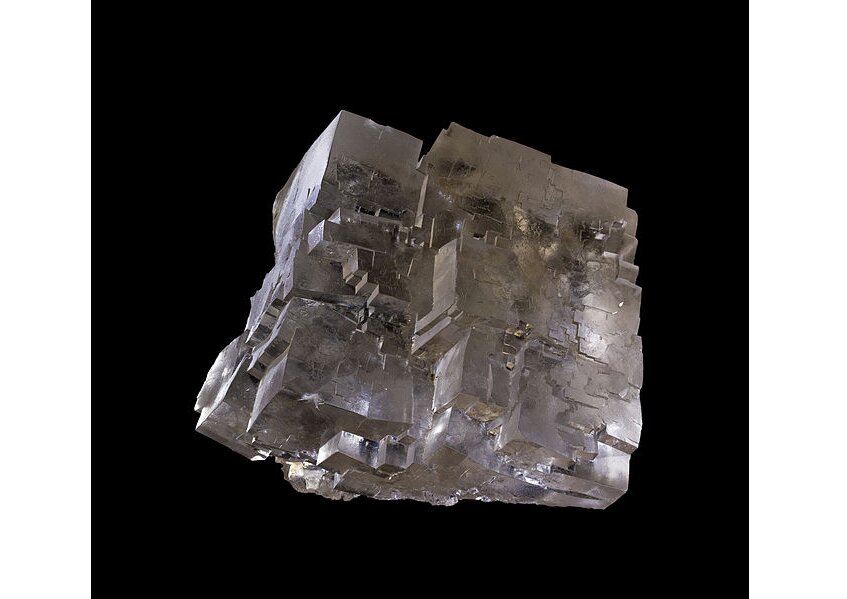
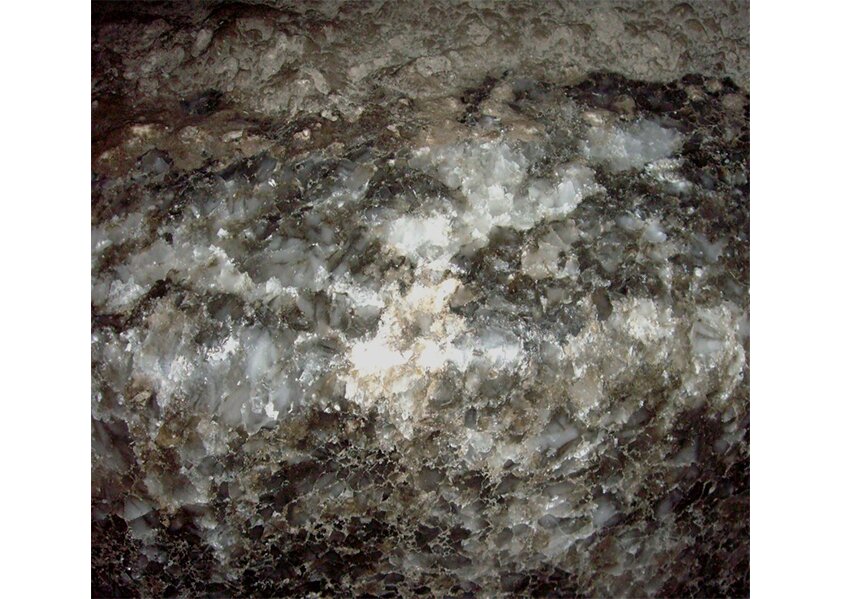
Are all salts salty?
Not every salt is salty. There are tasteless salts (e.g. calcium carbonate). There are also salts that are described in the literature as spicy or refreshing (potassium nitrate). Magnesium sulphate due to its taste has been called bitter salt.
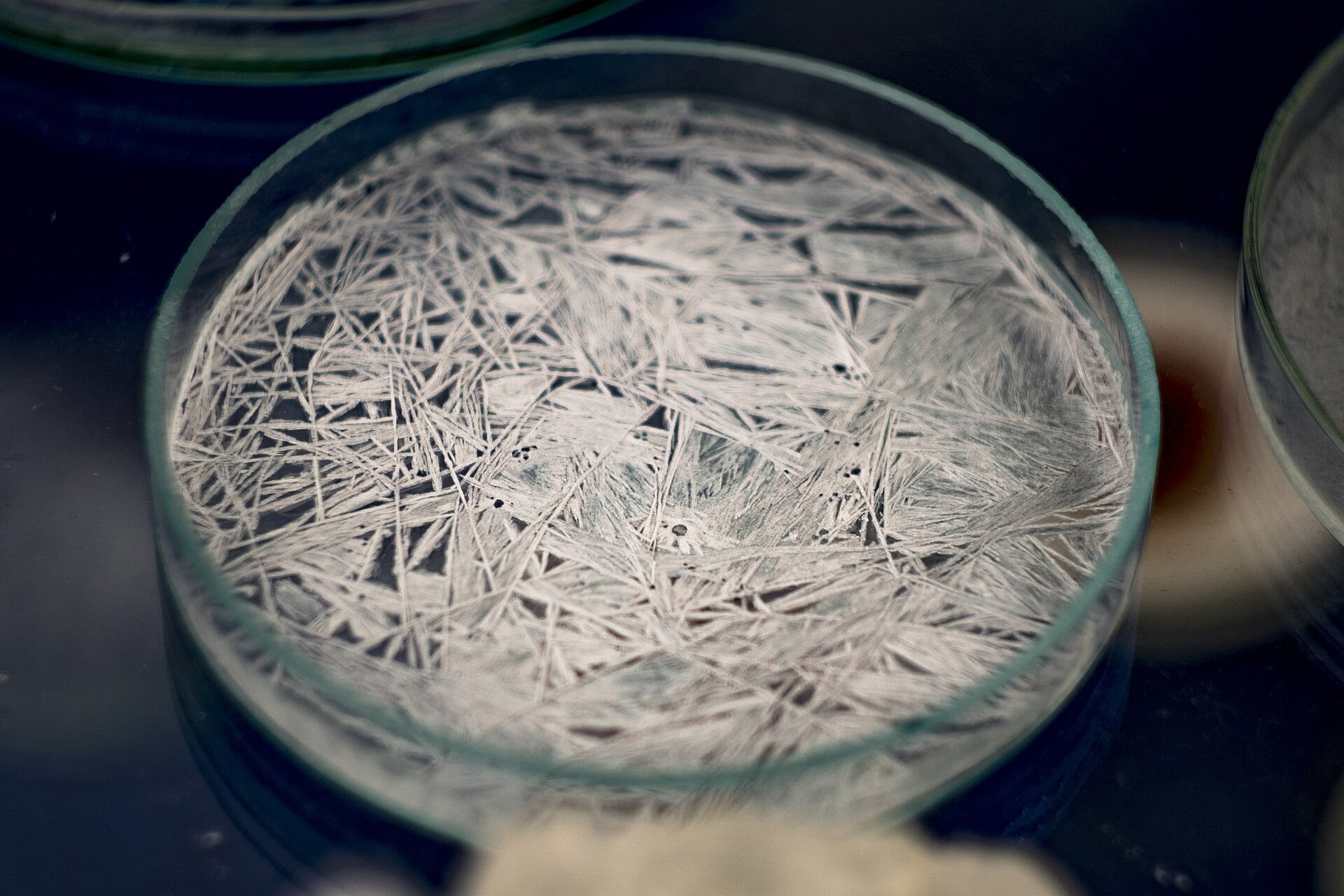
Salts are built of metal cations (or ammonium cation as following ) and anions of acid residue. General formula is:
where:
– symbol of metal, which cation is in salt,
– symbol of acid residue, which anion creates salt,
– stoichiometric indices determined on the basis of the valence of the metal and the acid residue.
The valency of the acid residue is equal to the absolute value of its ion charge, e.g. the valence of the sulphate ion, , equals 2.
Salts are made of ions, so they belong to the group of ionic compounds. As solids they form crystals with an ordered structure.
Molecular formulas of salts
Look at the table with the molecular formulas of the selected salts. How these formulas are created?
Type of anion | Type of cation | Molecular formula of salt composed of indicated ions |
ClIndeks górny -- | NaIndeks górny ++ | NaCl |
CaIndeks górny 2+2+ | CaClIndeks dolny 22 | |
AlIndeks górny 3+3+ | AlClIndeks dolny 33 | |
NaIndeks górny ++ | NaIndeks dolny 22SOIndeks dolny 44 | |
CaIndeks górny 2+2+ | CaSOIndeks dolny 44 | |
AlIndeks górny 3+3+ | ||
NaIndeks górny ++ | NaIndeks dolny 33POIndeks dolny 44 | |
CaIndeks górny 2+2+ | ||
AlIndeks górny 3+3+ | AlPOIndeks dolny 44 |
Names of salts
The salt names consist of two parts: the first refers to the type of the acid residue, the second refers to the metal. The part derived from the name of the acid residue has an ending the tip - ate (-ite) (in the case of salts of oxoacids) or - ide (for salts of hydracids). For example, salts derived from sulphuric or sulphurous acid will be called sulphates/sulphites, and hydrogen sulphide derivatives – sulphides. Sometimes the names of salts include the valence of the non‑metal, which is part of the acid residue, and metal.
Type of acid | Molecular formula of acid | Name of acid | Ion of acid residue | Second part of name of the salt, the derivative of the acid |
oxyacid | sulphuric acid | sulphate | ||
sulphurous acid | sulphite | |||
carbonic acid | carbonate | |||
nitric acid | nitrate | |||
phosphoric acid | phosphate | |||
hydracid | hydrochloric acid | chloride | ||
hydrosulphuric acid | sulphide |
First part is the name of the metal. If it can have different valency it can be sometimes added to the name. So, iron trichloride (iron(III) chloride), , is other substance than iron dichloride (iron(II) chloride), .
Cation | |||||||
|
|
|
|
|
|
| |
|
|
|
|
|
|
| |
|
|
|
|
|
|
| |
|
|
|
|
|
|
| |
| compound made of these ions does not exist | compound made of these ions does not exist |
|
|
|
| |
| compound made of these ions does not exist | compound made of these ions does not exist |
|
| alumiunium chloride | the compound consisting of these ions is unstable |
Check what you remember about salts. Complete the sentences with the words below.
anion, valence, acid residue, charge, ionic, acidic residue, valence, cation, ate/ite, metal, lower, non-metal, ide
Salts are substances of ............................ structure, composed of ............................ cations and anions of ............................. The salt formulas are determined on the basis of the ............................ of the metal and the acid residue. The valence of the metal equals the ............................ of the ............................ it creates, and the valence of the ............................ equals the charge of the ............................ formed by it. These numbers are inscribed on the cross as ............................ indexes. If the valences of ions are equal, then the corresponding indexes are equal to 1, and the number 1 in the formula of total salts is omitted. The salts of hydracids have the ending - ............................, and the salts of oxoacids have the ending - ............................. When creating a systematic name of salt, the ............................ of the metal and ............................ belonging to the acidic residue should be given if these elements in their compounds have various valences, e.g. copper(II) phosphate.
Add salts to the correct group:
Lead(II) nitrate, Calcium carbonate, Calcium nitrate, Potassium phosphate, Tin(II) sulphide, Aluminium carbonate, barium sulphate, Iron(III) chloride, Silver chloride, Barium sulphide, Sodium sulphide, magnesium phosphate, Iron(III) sulphate, Potassium sulphite, Aluminium chloride
| Salts of hydracids: | |
|---|---|
| Salts of oxoacids: |
Summary
Salts are a group of ionic chemical compounds that consist of metal cations (or an ammonium cation of the formula ) and anions of the acid residue.
The name of the salt consists of two parts: the name of the acid residue and the name of the metal. When the salt comes from the oxyacid, the ending is - ate/ite, and when from hydracid – ending is - ide.
Sometimes in the salt name the valence of the metal is included, which can take on a different numerical value.
Keywords
Salts, salt, molecular formula of salt, nomenclature of salts, anion, cation
Glossary
sole – związki chemiczne o budowie jonowej składające się głównie z kationów metali i anionów reszty kwasowej