The armed peace in Europe. Origins of the military coalitions
To describe the key causes of growing contradictions between the Great Powers of Europe at the turn of the 19th and the 20th century.
To locate them on the political map of the world and Europe.
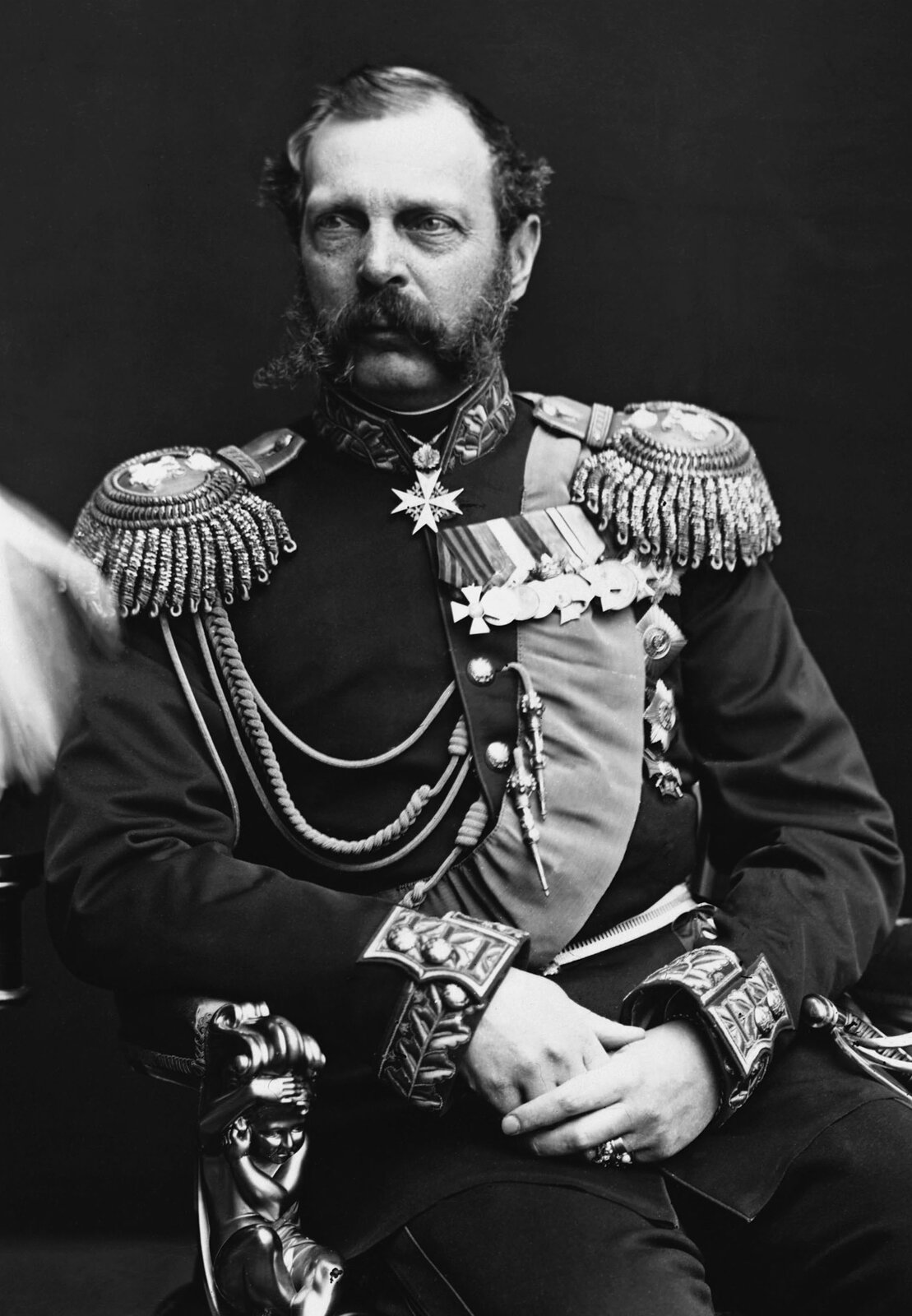
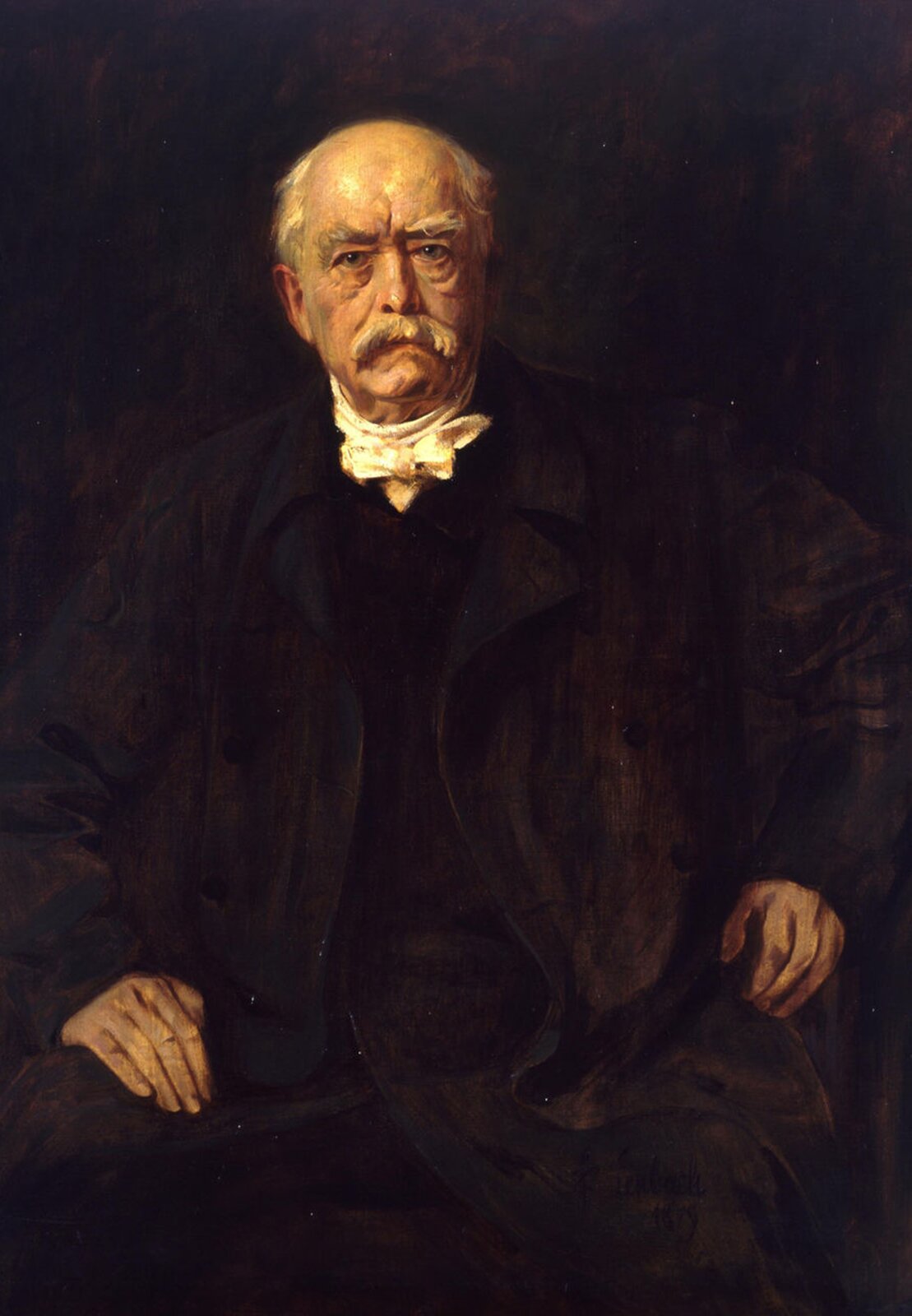
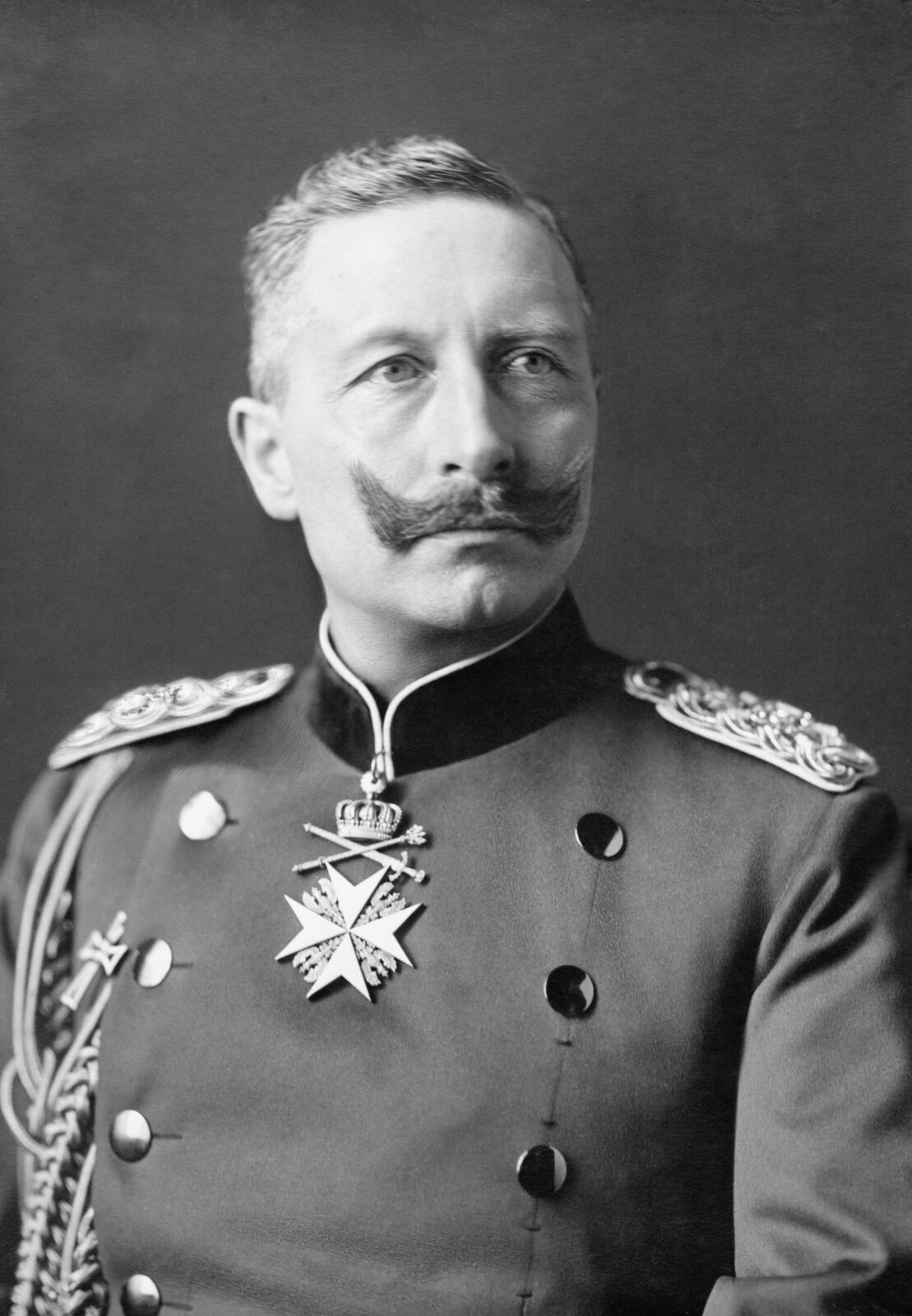
The years 1853‑1856 were marked by an armed conflict between Russia and Turkey supported by the Western powers, known as the Crimean War. In March 1856, the Treaty of Paris was signed, proclaiming the neutrality of the Black Sea territory, which meant that neither Russia, nor Turkey could keep their navy on the Black Sea any more. After Austria lost the war to Prussia in 1866, the peoples under the Habsburg rule (most notably the Czechs, the Poles and the Hungarians) started to demand a wider autonomy and an introduction of a federal system. Ultimately, the Empire was transformed into a dual monarchy of Austria and Hungary in 1867. The two parts shared the same monarch but each had a separate constitution, government and parliament. Defeated in the Crimean War, Russia entered a process of modernisation under the rule of Alexander II. This period came to be known as the „Post‑Sevastopol Thaw”. The Russian foreign policy became concerned with defence of Slavic‑speaking peoples (Pan‑Slavism). The 1878 Congress of BerlinCongress of Berlin, called by Bismarck, took significant decisions about the future of the Balkans. The independence of Serbia, Montenegro and Romania was proclaimed and Bulgaria gained autonomy. Austria‑Hungary started the occupation of Bosnia and Herzegovina; the territory nominally remained part of the Ottoman Empire, but it was placed under the Austro‑Hungarian administration.
In 1879, the German Reich entered into an alliance with Austria‑Hungary. This was Europe's first military alliance formed in the time of peace. It was secret and directed against Russia: if one of the states was attacked by Russia, the other was to come to its aid. Soon Italy was successfully persuaded to join the Dual Alliance. As a result, in 1882, the Triple AllianceTriple Alliance was formed between the countries which were later known as the Central Powers during World War I. France and Russia started to worry about their political isolation. The situation changed after Chancellor Bismarck retired from politics at the request of Emperor William II. Then, following long months of negotiations, Russia and France signed their own military convention in 1892, pledging to provide immediate military support to each other if Russia was attacked by Germany or Austria‑Hungary or if France was attacked by Germany or Italy.
What event is commemorated by the building in the picture?
- Italy joining the alliance of Germany and Austria-Hungary
- The French and Russian alliance of 1892
- The 1878 Congress of Berlin
- Romania gaining independence
Match the events with their impact.
Success of small nations in the Balkans, Neutrality of the Black Sea, Imbalance of power in Europe; the end of the Black Sea's neutrality, End of the political isolation of France and Russia; the Franco-Russian military alliance (1892), Collapse of the Holy Alliance, Political isolation of France and Russia
| Formation of the Triple Alliance (1882) | |
| Bismarck's retirement from politics (1890) | |
| Treaty of Paris | |
| Unification of Germany (1871) | |
| Congress of Berlin (1878) | |
| Crimean War (1853-1856) |
Keywords
military coalition, Bismarck, Congress of Berlin, Triple Alliance
Glossary
kwestia wschodnia - konflikty i sprawy związane z funkcjonowaniem upadającego imperium osmańskiego.
trójprzymierze - sojusz militarny Niemiec, Austro‑Węgier i Włoch, zawiązany w latach 1879‑1882.
kongres berliński 1878 - kongres zwołany przez kanclerza Bismarcka, w trakcie którego podjęto szereg decyzji dotyczących obszaru Bałkanów, wyzwalających się spod panowania tureckiego.