South‑West Asia – political division and religious diversity
RBzUeithS1Yim
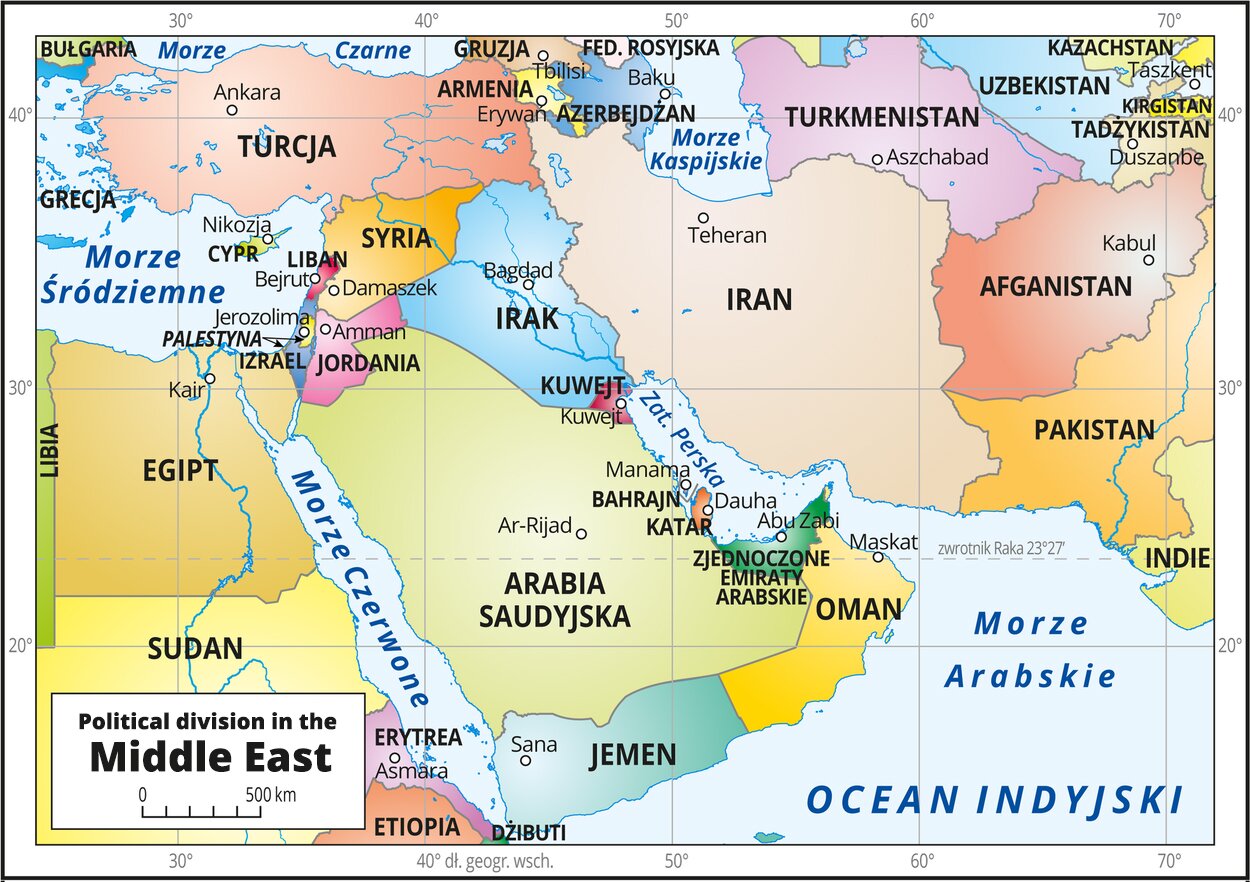
Ilustracja przedstawia mapę polityczną obszarów Bliskiego Wschodu, Political division in the Middle East. Mapa polityczna Bliskiego Wschodu. Na mapie wydzielone są państwa. Od północy: Bułgaria, Grecja, Turcja, Gruzja, Armenia, Rosja, Azerbejdżan, Turkmenistan, Uzbekistan, kazachstan, Kirgistan, Tadżykistan, Cypr, Liban, Syria, Irak, Iran, Libia, Egipt,Afganistan, Izrael, Pakistan, Jordania, Kuwejt, Pakistan, Arabia Saudyjska, Bahrajn, Katar, Zjednoczone Emiraty Arabskie, Oman, Indie, Sudan, Erytrea, Etiopia, Dżibuti, Jemen. Ukazane są również akweny - na północy Morze Czarne, na zachodzie Morze Śródziemne i Morze Czerwone, a na południowym wschodzie Ocean Indyjski i Morze Arabskie.
Political division in the Middle East
Source: Wydawnictwo Edukacyjne Wiking, licencja: CC BY 3.0, [online], dostępny w internecie: http://creativecommons.org/licenses/by/3.0/pl/legalcode.
In South‑West Asia, or the Middle East, there are 15 sovereign states and Palestine, the status of which is not fully regulated and therefore it is not recognised as a legitimate state; it is merely a non‑member observer state in the United Nations. Two countries in the Middle East lie partially on other continents – Egypt in Africa and Turkey in Europe. Considering the dominant population group in a given country, there are Arabic and non‑Arabic countries. The division of the countries is provided in table number 1.
Task 1
The graphic below provides information on geographical objects in the Middle East.
RJkz9CAZJFj1a
Obiekty geograficzne na obszarze Bliskiego Wschodu.
1. Sinai Peninsula
A triangle-shaped peninsula, surrounded by the Mediterranean Sea from the north, the Gulf of Suez and Suez Canal from the west, the Red Sea from the south, and the Gulf of Aqaba from the east.
2. Red Sea
An inland sea between Africa and the Arabian Peninsula, part of the Indian Ocean. The Red Sea is connected through the Bab-el-Mandeb strait with the Arabian Sea and through the Suez Canal with the Mediterranean Sea.
3. Arabian Peninsula
A peninsula in South-West Asia, located between the Red Sea, the Arabian Sea and the Persian Gulf. Its area is 2.78 million km² and it is the world’s biggest peninsula.
4. Persian Gulf
A gulf of the Arabian Sea cutting between the Arabian Peninsula and the coast of Iran. It is traditionally referred to as a gulf, but due to its large area it could also be called an inland sea.
5. Gulf of Aden
A water area on the Indian Ocean between Yemen on the southern coast of the Arabian Peninsula and Somalia in Africa. In the north-west, it connects with the Red Sea through the Bab-el-Mandeb strait.
6. Arabian Sea
An open sea in the northern part of the Indian Ocean. It lies between the Arabian and Indian peninsulas. Bigger gulfs: Persian Gulf, Gulf of Oman, Gulf of Aden
7. Gulf of Oman
An Indian Ocean gulf which connects the Arabian Sea in the south with the Persian Gulf. Oman’s capital, Muscat, lies in the gulf. On the north coast of the Gulf of Oman there is Iran, and in the south – Oman.
Obiekty geograficzne na obszarze Bliskiego Wschodu.
1. Sinai Peninsula
A triangle-shaped peninsula, surrounded by the Mediterranean Sea from the north, the Gulf of Suez and Suez Canal from the west, the Red Sea from the south, and the Gulf of Aqaba from the east.
2. Red Sea
An inland sea between Africa and the Arabian Peninsula, part of the Indian Ocean. The Red Sea is connected through the Bab-el-Mandeb strait with the Arabian Sea and through the Suez Canal with the Mediterranean Sea.
3. Arabian Peninsula
A peninsula in South-West Asia, located between the Red Sea, the Arabian Sea and the Persian Gulf. Its area is 2.78 million km² and it is the world’s biggest peninsula.
4. Persian Gulf
A gulf of the Arabian Sea cutting between the Arabian Peninsula and the coast of Iran. It is traditionally referred to as a gulf, but due to its large area it could also be called an inland sea.
5. Gulf of Aden
A water area on the Indian Ocean between Yemen on the southern coast of the Arabian Peninsula and Somalia in Africa. In the north-west, it connects with the Red Sea through the Bab-el-Mandeb strait.
6. Arabian Sea
An open sea in the northern part of the Indian Ocean. It lies between the Arabian and Indian peninsulas. Bigger gulfs: Persian Gulf, Gulf of Oman, Gulf of Aden
7. Gulf of Oman
An Indian Ocean gulf which connects the Arabian Sea in the south with the Persian Gulf. Oman’s capital, Muscat, lies in the gulf. On the north coast of the Gulf of Oman there is Iran, and in the south – Oman.
Source: licencja: CC 0.
South‑West Asia – the natural environment
R1CTu7DgwSCMT
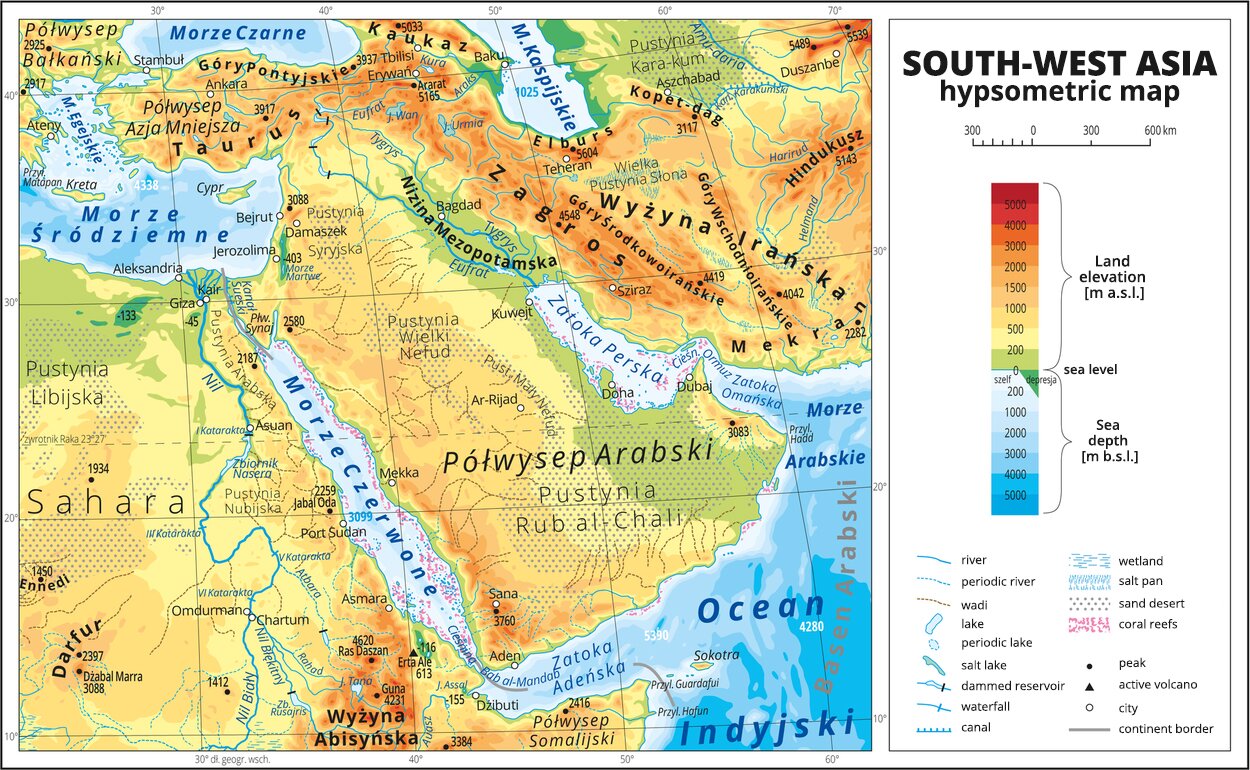
Ilustracja przedstawia mapę hipsometryczną Azji Południowo-Zachodniej, South-West Asia, hypsometric map. Przeważają wyżyny i góry, oznaczono liczne pustynie np. Pustynia Rub ał-Chali, Sahara, Wielki Nefud. Na mapie oznaczono morza: Morze Śródziemne oraz Morze Czerwone z łączącym je Kanałem Sueskim. W południowo-zachodnim fragmencie mapy jest z kolei Ocean Indyjski i łącząca go z Morzem Czerwonym strategiczna Zatoka Adeńska. Na północ od Oceanu Indyjskiego jest Morze Arabskie i Zatoka Perska. Na mapie oznaczone są też obszary lądowe. Od wschodu jest Sahara, następnie Półwysep Arabski, a na północnym-wschodzie Wyżyna Irańska. Oznaczono i opisano stolice i główne miasta np. Giza i Kair w Egipcie, Ankarę w Turcji, Dubaj w Zjednoczonych Emiratach Arabskich. Oznaczono szczyty górskie, np. Góry Pontyjskie, Kaukaz ze szczytem 5033 metrów nad poziomem morza. Trójkątami oznaczono czynne wulkany i podano ich wysokości np. Erta Ale niedaleko Cieśniny Bab-al-Mandab, wysokość 613 metrów nad poziomem morza.
The hypsometric map shows the key landform characteristics of South-West Asia.
Source: Wydawnictwo Edukacyjne Wiking, licencja: CC BY 3.0, [online], dostępny w internecie: http://creativecommons.org/licenses/by/3.0/pl/legalcode.
South‑West Asia is a large region of 6.3 million kmIndeks górny 22 (bigger than half of Europe). It includes: Asia Minor and Arabian Peninsula (which is the world’s largest peninsula) as well the area south of the Caspian Sea and the Turan Depression. The region has clear sea borders. From the north, Asia Minor is surrounded by the Black Sea, from north‑west by the Bosporus and Dardanelles straits and the Sea of Marmara between them, and the Mediterranean Sea from the west. The Arabian Peninsula is surrounded by the waters of the Red Sea, the Gulf of Aden, the Arabian Sea and the Persian Gulf cutting deep into the land. The eastern border of the region is a borderline between Iran and Afghanistan (although some studies count Afghanistan as a country within the Middle East). A conventional line which separates Africa from South‑West Asia is the Suez Canal.
R1VICLbtqxNTc
Specify the natural environment of the Middle East
Specify the natural environment of the Middle East
Specify the natural environment of the Middle East
The Middle East – armed conflicts
RWd73blkx1BUD
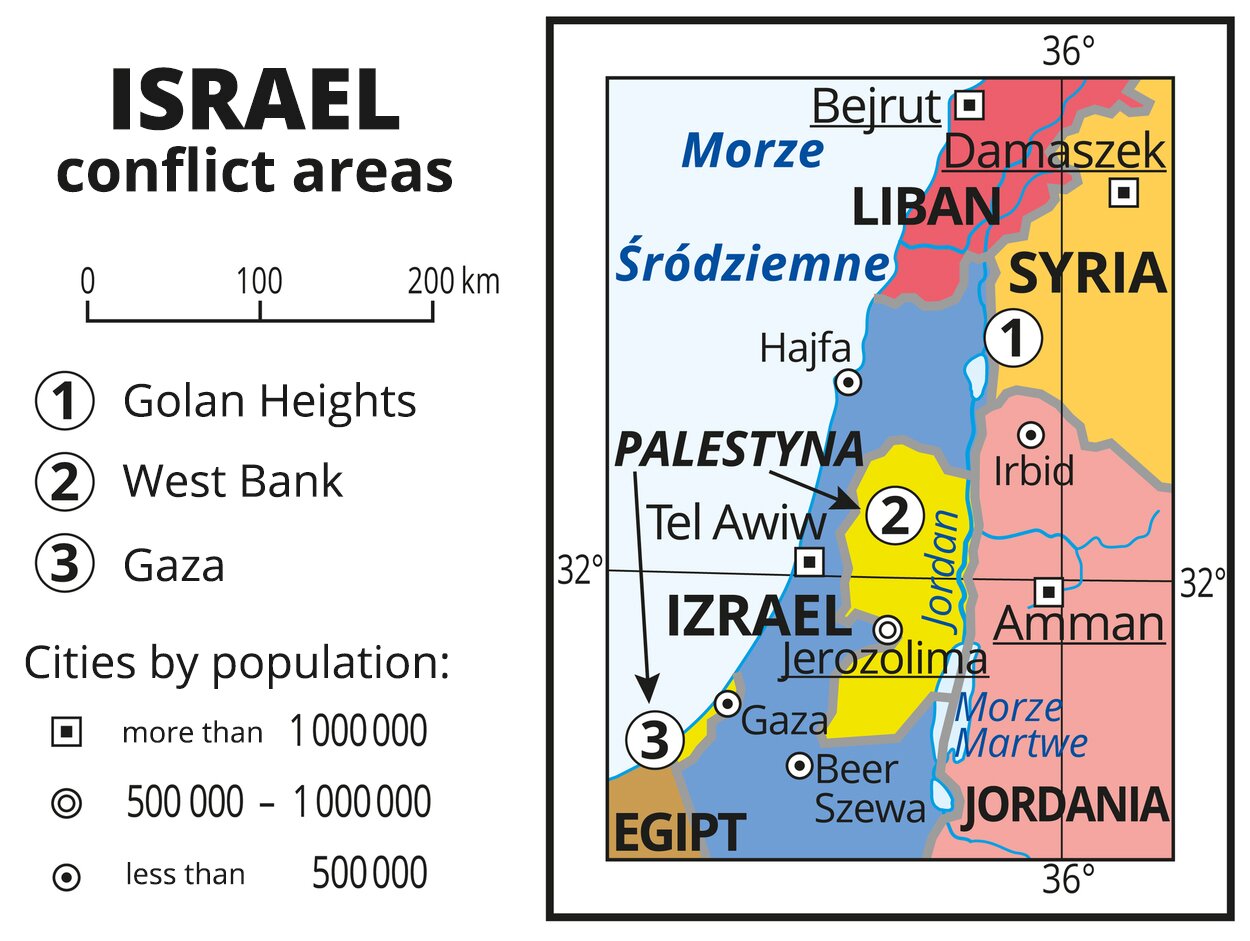
Ilustracja przedstawia obszary objęte konfliktami w rejonie Izraela, Israel conflict areas. Oznaczono konflikty w rejonie Wzgórza Golan, Golan Heights, Zachodniego Brzegu Jordanu, West Bank i Strefy Gazy, Gaza. Na mapie oznaczone są państwa - Liban, Syria, Izrael, Jordania, Egipt oraz ważne miasta w regionie - Beer Szewa, Gaza, Irbid, Gaza, Jerozolima, Bejrut, Damaszek. Mapa pokryta jest równoleżnikami i południkami.
Areas affected by the Israeli-Palestinian and Israeli-Syrian conflicts.
Source: Wydawnictwo Edukacyjne Wiking, licencja: CC BY 3.0, [online], dostępny w internecie: http://creativecommons.org/licenses/by/3.0/pl/legalcode.
The Middle East is a region where armed conflicts have been fought for decades. The longest one was the conflict between Israel and Arabic countries, which started in 1948, when, as a result of United Nations’ decision, Israel was granted 50% of Palestinian territory. Arabic countries did not recognise Israel as a sovereign state and an armed conflict broke out. In addition, also Arabic countries themselves wage local wars between one another. Table 4presents key armed conflicts in the Middle East. However, it does not present material damage, civilian deaths, refugees, and all the other atrocities of war.
Task 2
Using the information included in various sources, describe the causes and effects of armed conflicts in the Middle East. Elaborate on the topic by creating a metaplan below.
R18u31QfN3XQH
Causes and effects of armed conflicts in the Middle East (tu uzupełnij). What is it like? (Uzupełnij). What it should be like? (Uzupełnij). Why is it not what it should be like? (Uzupełnij). Conclusions (Uzupełnij).
Causes and effects of armed conflicts in the Middle East (tu uzupełnij). What is it like? (Uzupełnij). What it should be like? (Uzupełnij). Why is it not what it should be like? (Uzupełnij). Conclusions (Uzupełnij).
Rq3patrLgWJNk
Exercise 1
A typical species of a large, domesticated land mammal from the camelid family. What is it's proper name?
A typical species of a large, domesticated land mammal from the camelid family. What is it's proper name?
Source: licencja: CC 0.
RoQnwmSwNQMOf
Exercise 2
From the countries provided, make two lists - Arabic countries and non-Arabic, only those located within the Middle East.
Qatar, Jordan, Israel, Turkey, Kuwait, Syria, Cyprus, Armenia, Sudan, Iran, Egypt, Iraq, Palestine, Eritrea, United Arab Emirates, Libya, Saudi Arabia, Bahrain
From the countries provided, make two lists - Arabic countries and non-Arabic, only those located within the Middle East.
Qatar, Jordan, Israel, Turkey, Kuwait, Syria, Cyprus, Armenia, Sudan, Iran, Egypt, Iraq, Palestine, Eritrea, United Arab Emirates, Libya, Saudi Arabia, Bahrain
From the countries provided, mark Arabic countries red and non-Arabic blue, only those located within the Middle East.
red
blue
Qatar Jordan Israel Turkey Kuwait Syria Cyprus Armenia Sudan
Iran Egypt Iraq Palestine Eritrea United Arab Emirates
Libya Saudi Arabia Bahrain
R971bo7oPuwxT
Exercise 3
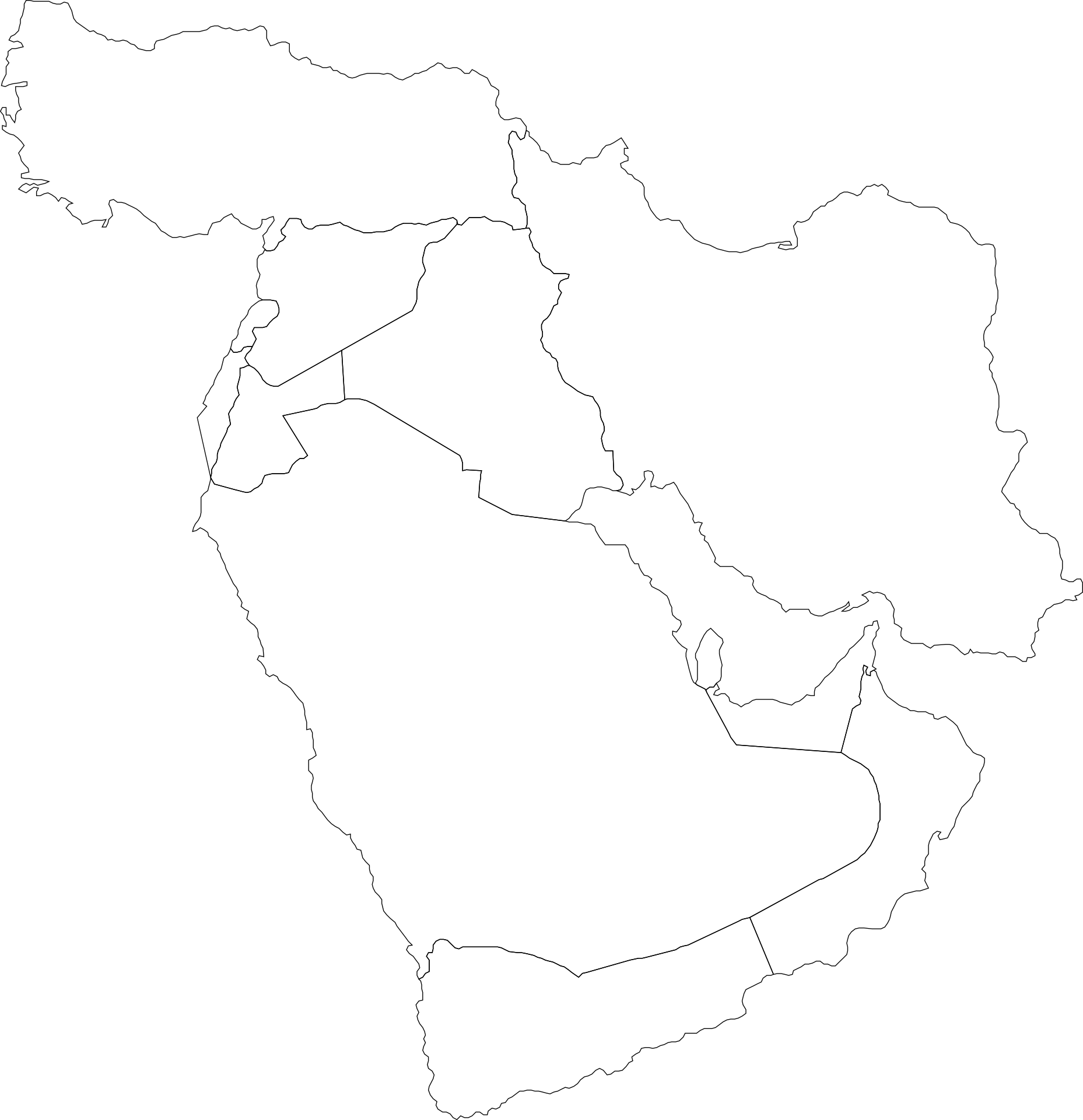
Name the countries of the Middle East.
Name the countries of the Middle East.
Put the names of the countries in the relevant places on the blind map of the Middle East.
.................
.................
.................
.................
.................
.................
.................
1
Keywords
Middle East, armed conflicts, oil
R1TG6YF0IgWcb
Exercise 4
Match the pairs: English words with Polish definition. OPEC --- Organization of the Petroleum Exporting Countries Możliwe odpowiedzi: 1. religia monoteistyczna, której podstawą jest wiara w jednego Boga (osobowego, niepodzielnego, będącego bytem niematerialnym, bezcielesnym i wiecznym), będącego nie tylko Stwórcą świata, ale także jego stałym "nadzorcą" lub "opiekunem"., 2. religia monoteistyczna, druga na świecie pod względem liczby wyznawców po chrześcijaństwie. Świętą księgą islamu jest Koran, a zawarte w nim objawienie ma stanowić ostateczne i niezmienne przesłanie Allaha do ludzi., 3. Organizacja Krajów Eksportujących Ropę Naftową z siedzibą w Wiedniu. Celem organizacji jest kontrolowanie światowego wydobycia ropy naftowej, poziomu cen i opłat eksploatacyjnych. Utworzona została w 1960 w Bagdadzie Islam Możliwe odpowiedzi: 1. religia monoteistyczna, której podstawą jest wiara w jednego Boga (osobowego, niepodzielnego, będącego bytem niematerialnym, bezcielesnym i wiecznym), będącego nie tylko Stwórcą świata, ale także jego stałym "nadzorcą" lub "opiekunem"., 2. religia monoteistyczna, druga na świecie pod względem liczby wyznawców po chrześcijaństwie. Świętą księgą islamu jest Koran, a zawarte w nim objawienie ma stanowić ostateczne i niezmienne przesłanie Allaha do ludzi., 3. Organizacja Krajów Eksportujących Ropę Naftową z siedzibą w Wiedniu. Celem organizacji jest kontrolowanie światowego wydobycia ropy naftowej, poziomu cen i opłat eksploatacyjnych. Utworzona została w 1960 w Bagdadzie Judaism Możliwe odpowiedzi: 1. religia monoteistyczna, której podstawą jest wiara w jednego Boga (osobowego, niepodzielnego, będącego bytem niematerialnym, bezcielesnym i wiecznym), będącego nie tylko Stwórcą świata, ale także jego stałym "nadzorcą" lub "opiekunem"., 2. religia monoteistyczna, druga na świecie pod względem liczby wyznawców po chrześcijaństwie. Świętą księgą islamu jest Koran, a zawarte w nim objawienie ma stanowić ostateczne i niezmienne przesłanie Allaha do ludzi., 3. Organizacja Krajów Eksportujących Ropę Naftową z siedzibą w Wiedniu. Celem organizacji jest kontrolowanie światowego wydobycia ropy naftowej, poziomu cen i opłat eksploatacyjnych. Utworzona została w 1960 w Bagdadzie
Match the pairs: English words with Polish definition. OPEC --- Organization of the Petroleum Exporting Countries Możliwe odpowiedzi: 1. religia monoteistyczna, której podstawą jest wiara w jednego Boga (osobowego, niepodzielnego, będącego bytem niematerialnym, bezcielesnym i wiecznym), będącego nie tylko Stwórcą świata, ale także jego stałym "nadzorcą" lub "opiekunem"., 2. religia monoteistyczna, druga na świecie pod względem liczby wyznawców po chrześcijaństwie. Świętą księgą islamu jest Koran, a zawarte w nim objawienie ma stanowić ostateczne i niezmienne przesłanie Allaha do ludzi., 3. Organizacja Krajów Eksportujących Ropę Naftową z siedzibą w Wiedniu. Celem organizacji jest kontrolowanie światowego wydobycia ropy naftowej, poziomu cen i opłat eksploatacyjnych. Utworzona została w 1960 w Bagdadzie Islam Możliwe odpowiedzi: 1. religia monoteistyczna, której podstawą jest wiara w jednego Boga (osobowego, niepodzielnego, będącego bytem niematerialnym, bezcielesnym i wiecznym), będącego nie tylko Stwórcą świata, ale także jego stałym "nadzorcą" lub "opiekunem"., 2. religia monoteistyczna, druga na świecie pod względem liczby wyznawców po chrześcijaństwie. Świętą księgą islamu jest Koran, a zawarte w nim objawienie ma stanowić ostateczne i niezmienne przesłanie Allaha do ludzi., 3. Organizacja Krajów Eksportujących Ropę Naftową z siedzibą w Wiedniu. Celem organizacji jest kontrolowanie światowego wydobycia ropy naftowej, poziomu cen i opłat eksploatacyjnych. Utworzona została w 1960 w Bagdadzie Judaism Możliwe odpowiedzi: 1. religia monoteistyczna, której podstawą jest wiara w jednego Boga (osobowego, niepodzielnego, będącego bytem niematerialnym, bezcielesnym i wiecznym), będącego nie tylko Stwórcą świata, ale także jego stałym "nadzorcą" lub "opiekunem"., 2. religia monoteistyczna, druga na świecie pod względem liczby wyznawców po chrześcijaństwie. Świętą księgą islamu jest Koran, a zawarte w nim objawienie ma stanowić ostateczne i niezmienne przesłanie Allaha do ludzi., 3. Organizacja Krajów Eksportujących Ropę Naftową z siedzibą w Wiedniu. Celem organizacji jest kontrolowanie światowego wydobycia ropy naftowej, poziomu cen i opłat eksploatacyjnych. Utworzona została w 1960 w Bagdadzie
Match the pairs: English words with Polish definition.
Organizacja Krajów Eksportujących Ropę Naftową z siedzibą w Wiedniu. Celem organizacji jest kontrolowanie światowego wydobycia ropy naftowej, poziomu cen i opłat eksploatacyjnych. Utworzona została w 1960 w Bagdadzie, religia monoteistyczna, której podstawą jest wiara w jednego Boga (osobowego, niepodzielnego, będącego bytem niematerialnym, bezcielesnym i wiecznym), będącego nie tylko Stwórcą świata, ale także jego stałym "nadzorcą" lub "opiekunem"., religia monoteistyczna, druga na świecie pod względem liczby wyznawców po chrześcijaństwie. Świętą księgą islamu jest Koran, a zawarte w nim objawienie ma stanowić ostateczne i niezmienne przesłanie Allaha do ludzi.
OPEC --- Organization of the Petroleum Exporting Countries
Islam
Judaism
Glossary
OPEC – Organization of the Petroleum Exporting Countries
OPEC – Organization of the Petroleum Exporting Countries
RRrcBivtubfAN
Nagranie słówka: OPEC --- Organization of the Petroleum Exporting Countries
Nagranie słówka: OPEC --- Organization of the Petroleum Exporting Countries
Nagranie słówka: OPEC --- Organization of the Petroleum Exporting Countries
OPEC – Organizacja Krajów Eksportujących Ropę Naftową z siedzibą w Wiedniu. Celem organizacji jest kontrolowanie światowego wydobycia ropy naftowej, poziomu cen i opłat eksploatacyjnych. Utworzona została w 1960 w Bagdadzie
islam – religia monoteistyczna, druga na świecie pod względem liczby wyznawców po chrześcijaństwie. Świętą księgą islamu jest Koran, a zawarte w nim objawienie ma stanowić ostateczne i niezmienne przesłanie Allaha do ludzi.
judaizm – religia monoteistyczna, której podstawą jest wiara w jednego Boga (osobowego, niepodzielnego, będącego bytem niematerialnym, bezcielesnym i wiecznym), będącego nie tylko Stwórcą świata, ale także jego stałym „nadzorcą” lub „opiekunem”.